Let's cut to the chase. If you're looking for a simple answer, the worst time to visit Fiji is broadly during its wet season, particularly the peak months of January and February. This isn't just about a passing shower; it's about persistent humidity, the tangible risk of tropical cyclones, and travel plans that can dissolve faster than sugar in a tropical downpour. I've spent years traveling through the South Pacific, and my most challenging trip to Fiji was in late January—a week where the rain wasn't romantic, it was relentless, canceling island hops and turning dreamy beach days into indoor marathons.
But calling January the "worst" and leaving it at that is lazy. It misses the nuance. For some travelers—those on a tight budget or those who don't mind a gamble—this "worst" time has hidden perks. This guide will dissect exactly what makes certain times difficult, provide a clear month-by-month breakdown, and, most importantly, give you actionable strategies to salvage a trip even if your dates are fixed during the rainy season.
Your Quick Guide to Fiji's Timing
What Exactly is the Worst Time to Visit Fiji?
We need to define "worst." For most travelers, it boils down to three intersecting factors: disruptive weather, poor value, and a compromised experience.
The core problematic period is Fiji's wet season, which runs from November to April. The intensity peaks from December through March. Within this, the absolute pinnacle of risk and discomfort is typically late December through February. Here’s why this window earns the "worst" label:
- Cyclone Risk: The official cyclone season is November to April, but the highest probability occurs from January to March. According to the Fiji Meteorological Service, an average of 2-3 cyclones pass through or near Fiji each season. A cyclone doesn't just mean a rainy day; it means locked-down resorts, canceled flights for days, and potential danger.
- Heavy and Prolonged Rainfall: This isn't a brief afternoon thunderstorm. In the western parts (like the Mamanucas and Yasawas), January can see over 300mm of rain. It's humid, overcast, and can lead to flooding in low-lying areas.
- High Humidity & Heat: Temperatures are still high (around 30°C/86°F), but coupled with 80%+ humidity, it feels stifling. It's the kind of heat that saps your energy just walking to breakfast.
- Limited Activity Options: Water visibility for snorkeling and diving drops. River safaris can be canceled due to high water levels. Hiking trails become muddy and slippery. Your planned adventure itinerary turns into a list of "not available today" notices.
- Peak Crowds & Prices (Late Dec-Early Jan): Ironically, part of the wet season coincides with the global holiday period. Late December to early January is packed with Australian and New Zealand families on summer break. You get the worst weather and the highest prices and biggest crowds. It's a double whammy.
A Non-Consensus Point: Many blogs will vaguely say "the wet season" is bad. But the real micro-pitfall is February. The holiday crowds are gone, so it feels like it might be okay. But cyclone probability remains at its absolute highest, and the cumulative rainfall has saturated everything. It's the month where the weather fatigue truly sets in. I'd argue February is a sneakier "worst" than the more obvious, crowded January.
A Deep Dive into Fiji's Rainy Season
To plan effectively, you need a granular view. Not all wet season months are created equal. This table breaks down the key challenges month by month.
| Month | Weather Profile | Cyclone Risk | Crowds & Cost | Why It Can Be Challenging |
|---|---|---|---|---|
| November | Transition month. Heat builds, humidity rises, short heavy showers begin. | Low, but increasing. | Low. Good deals pre-Christmas. | Unpredictable. You might get lucky with dry spells or see the wet season start early. |
| December | Wet season proper. Frequent, heavy tropical downpours. | Moderate. | VERY HIGH (from mid-Dec). Peak holiday prices. | The worst combination: deteriorating weather meets peak prices and maximum crowds. |
| January | Peak of wet season. Highest rainfall, especially in the West. | HIGH. | High (early Jan), then easing. | Maximum rainfall intensity. High cyclone risk. Humidity is oppressive. |
| February | Similar to Jan. Consistently wet and humid. | VERY HIGH (peak risk). | Moderate to Low. | The highest cyclone threat. Travel disruption risk is paramount. |
| March | Rain begins to ease slightly, but still very wet. | High, but starting to decrease. | Low. | Still a significant weather gamble. The landscape is lush but activities remain limited. |
| April | Transition back to drier weather. Showers become shorter. | Low to Moderate. | Low. | Can be a sweet spot if the season ends early, but can still be damp. |
Looking at this, the concentrated "worst" period is clearly December through March, with January and February being the most consistently problematic for pure weather and risk.
The Geography of "Worst"
It's not the same everywhere. Fiji's larger islands have a rain shadow effect. The western regions (Denarau, Mamanucas, Yasawas) are significantly drier than the east. During the wet season, the east (Suva, Pacific Harbour) can be drenched while the west gets passing showers. However, this pattern breaks down during widespread tropical systems or cyclones, which affect everyone. If you're locked into a wet season trip, prioritizing the Coral Coast or the Mamanucas over Suva can slightly improve your odds of sunshine.
Dry Season vs. Wet Season: A Side-by-Side Look
To understand the "worst," you must see the alternative. Fiji's dry season (May to October) is the polar opposite.
- Weather (May-Oct): Sunny, low humidity, minimal rain. Cooler nights (especially July-Aug). Predictable.
- Weather (Nov-Apr): Hot, humid, frequent heavy rain. Unpredictable, cyclone risk.
- Ocean Conditions (May-Oct): Excellent visibility for diving/snorkeling. Calmer seas generally.
- Ocean Conditions (Nov-Apr): Reduced visibility, rougher seas possible. Water is warmer.
- Landscape (May-Oct): Lush but less intensely green. Some drier, browner areas.
- Landscape (Nov-Apr): Vibrantly, explosively green. Waterfalls are flowing at full force.
- Crowds & Cost (May-Oct): High (peak in June-July, Aus/NZ winter). Prices are at a premium.
- Crowds & Cost (Nov-Apr): Low (except Dec/Jan). Some of the best accommodation deals.
- Ideal For (May-Oct): Guaranteed sunshine, outdoor activities, hiking, diving.
- Ideal For (Nov-Apr): Budget travelers, those seeking deals, travelers flexible with plans.
The dry season is popular for a reason. But that popularity comes with a cost—literally. You trade weather certainty for higher prices and more people.
How to Mitigate the Challenges of Fiji's Wet Season?
Maybe your annual leave is in February, or you found an irresistible flight deal. All is not lost. You can strategize to tilt the odds in your favor.
1. Choose the Right Island and Resort
This is the most critical step. Avoid remote, small islands that are fully exposed and harder to evacuate if a storm comes. Opt for larger resorts on Viti Levu or Denarau that have robust infrastructure, backup generators, and multiple indoor facilities (spa, multiple restaurants, kids' clubs). Resorts with overwater bungalows or bures with large covered decks mean you can still enjoy the sound of rain in comfort.
2. Build in Flexibility
Don't book a rigid, non-refundable itinerary with five different island transfers. Book one or two bases for longer stays. Use the Tourism Fiji website to check for weather updates. If you plan inter-island travel, understand that ferry and flight schedules are weather-dependent. Have a "rainy day" plan for each location—a good book, a spa treatment, a cooking class.
3. Travel Insurance is Non-Negotiable
I cannot stress this enough. Get a comprehensive policy that explicitly covers trip cancellation and interruption due to tropical cyclones and severe weather. Read the fine print. This is your financial backstop if the worst happens and you need to cancel or evacuate.
4. Adjust Your Expectations
Embrace the different rhythm. A wet season trip is about relaxation, reading, and enjoying the resort's amenities, not ticking off a bucket list of water sports. The rain can be intense but often passes quickly, leaving everything fresh and smelling of frangipani. You'll have moments of stunning beauty between the showers.
The Smart Alternative: Targeting the Shoulder Seasons
If you want to avoid both the "worst" of the wet and the "worst" of the dry (high prices/crowds), aim for the shoulder months. These are the transition periods and are often a local's secret for good value.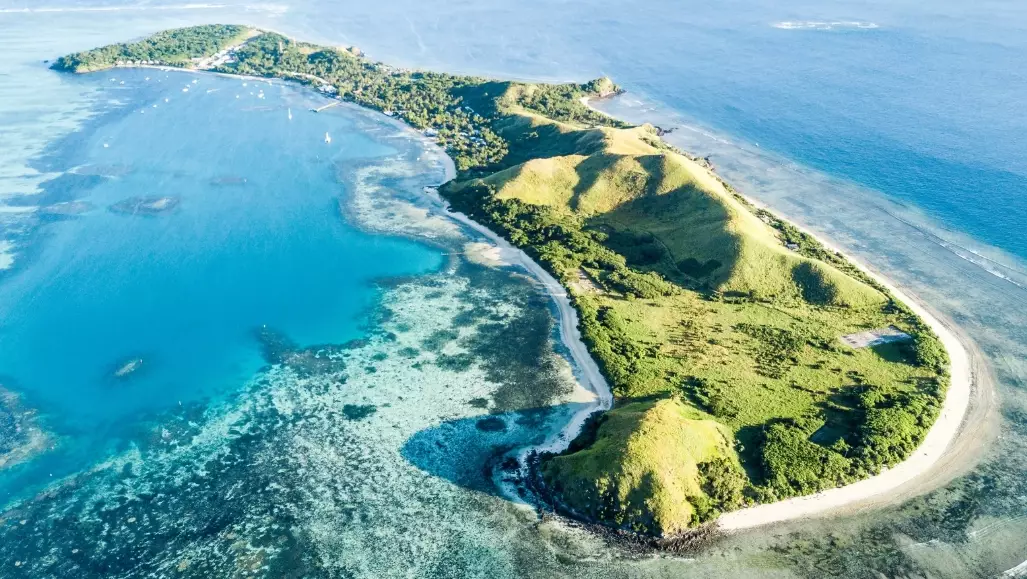
April & November are the prime candidates.
In April, the wet season is winding down. The landscape is impossibly green, waterfalls are spectacular, and the chance of a major cyclone is low. You might get a shower, but you'll also get sunshine. Crowds are thin, and prices are reasonable.
In November, the dry season is ending. Humidity is up, and the risk of rain increases, but it's often in short bursts. It's hot, the water is warm, and you get dry season-like prices before the December holiday surge. It's a calculated risk that often pays off.
I traveled in mid-April once. We had one full day of rain, two partially cloudy days, and four days of brilliant sunshine. The resort was quiet, and we felt like we had the place to ourselves. It was a perfect balance.
Your Fiji Timing Questions, Answered
It's high-risk, but manageable with the right approach. Prioritize a single, large, family-friendly resort on Viti Levu (like the Shangri-La Yanuca Island, Outrigger Fiji, or Intercontinental Fiji) over island-hopping. These resorts have extensive covered facilities, kids' clubs with indoor activities, and multiple pools. The key is managing expectations—the trip becomes about the resort experience and family time, not external adventures. Pack plenty of indoor entertainment and book interconnecting rooms or a villa.
It's significantly reduced, often dropping from 30+ meters in the dry season to 10-15 meters or less after heavy rain due to runoff. Soft coral sites like the Great Astrolabe Reef or Bligh Water are still active, but the colors won't "pop" as much without direct sunlight. More critically, rough seas can cancel boat trips altogether. If diving is the primary goal, the wet season is a poor choice. Consider shifting your focus to other activities or plan your dive trip for May-October.
 We're on a tight budget and see great deals for March. Should we go for it?
Yes, but go in with eyes wide open. Those low prices reflect the higher weather risk. Protect your investment with solid travel insurance. Book refundable activities where possible. Choose your location wisely (western side, larger island). If you're flexible, easy-going, and view potential rain days as a chance to relax and read, a budget March trip can offer incredible value and a uniquely lush Fiji. Just don't plan a packed itinerary of non-refundable tours.
Absolutely, and most guides gloss over this. First, the landscape is breathtakingly lush and green—it's Fiji at its most vibrant. Second, you'll encounter far fewer tourists outside of the Christmas period, leading to a more authentic, relaxed vibe. Third, it's the best time for budget travelers, with accommodation discounts of 30-50% not uncommon. Finally, the rain can be dramatic and beautiful, cooling the air and filling the rivers and waterfalls. It's a different, more serene side of the islands.
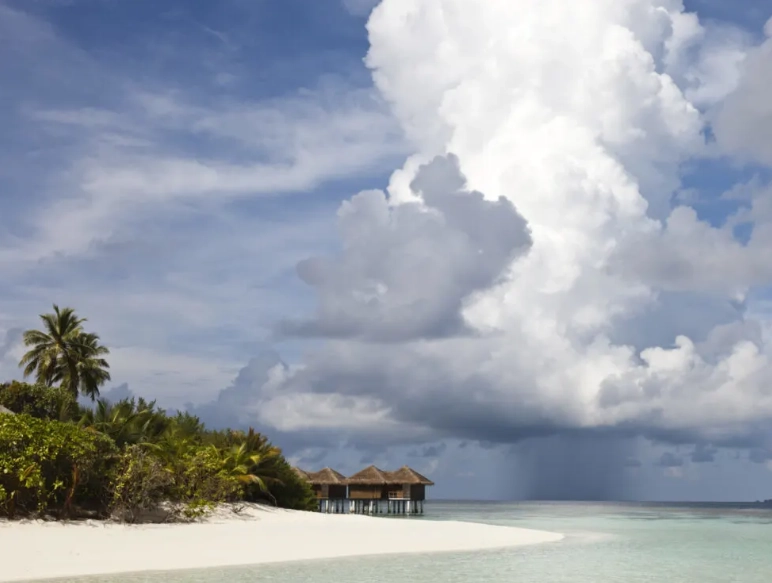 The "worst" time to visit Fiji isn't a simple date on a calendar. It's a combination of high weather risk, potential for disruption, and mismatched expectations. For the planner who wants guaranteed sunshine, December to February is a period to avoid. But for the flexible, budget-conscious traveler, understanding these risks allows you to make an informed choice, take precautions, and potentially discover a quieter, greener, and more affordable Fiji. The goal isn't to scare you away, but to arm you with the knowledge to make your trip a success, no matter when you go.



Comments
Join the discussion