Let's cut to the chase. Is New Zealand expensive? For most travelers, the short answer is yes, it can be. But that "yes" needs a mountain of context. After several trips there, from backpacking to a more comfortable mid-range style, I've found the cost isn't just about high numbers—it's about value, planning, and knowing where your money goes. It's not Switzerland-level crippling, but you won't mistake it for Southeast Asia. The real question you should ask is: "Is New Zealand expensive for what I get?" For the pristine landscapes, safe travels, and unique adventures, many find the splurge justified. This guide will dissect every cost, show you where the pain points are, and give you the tools to build a realistic budget.
What’s Inside This Guide?
The Short Answer: How Expensive is New Zealand Really?
Think of New Zealand's cost of travel as a premium product. You're paying for geographical isolation (which imports everything), high local wages, and a strong focus on quality and environmental standards. A coffee in Auckland will run you NZD $5-$6. A main course at a decent pub? NZD $25-$35. A bed in a hostel dorm? NZD $30-$45 per night. These are 2024 realities.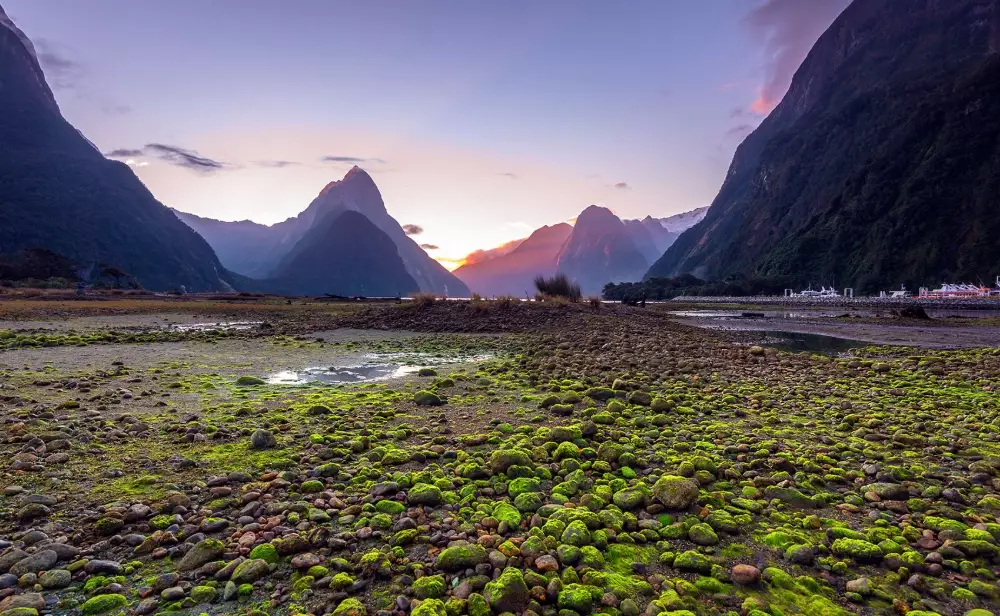
But here's the non-consensus part many generic guides miss: New Zealand's expense is uneven. Accommodation and guided activities (like bungy jumping or heli-hikes) are the major budget-killers. Self-drive transport is significant but manageable with the right vehicle and group. Food from supermarkets is reasonable, even cheap if you cook. The biggest value, however, is in the free and low-cost natural attractions. Hundreds of world-class Department of Conservation (DOC) hiking tracks, public beaches, and scenic lookouts cost absolutely nothing. Your daily spend can swing wildly based on how you mix paid adventures with these free treasures.
The Cost Breakdown: Where Your Money Actually Goes
Let's get granular. This isn't about vague percentages; it's about the numbers you'll see on receipts.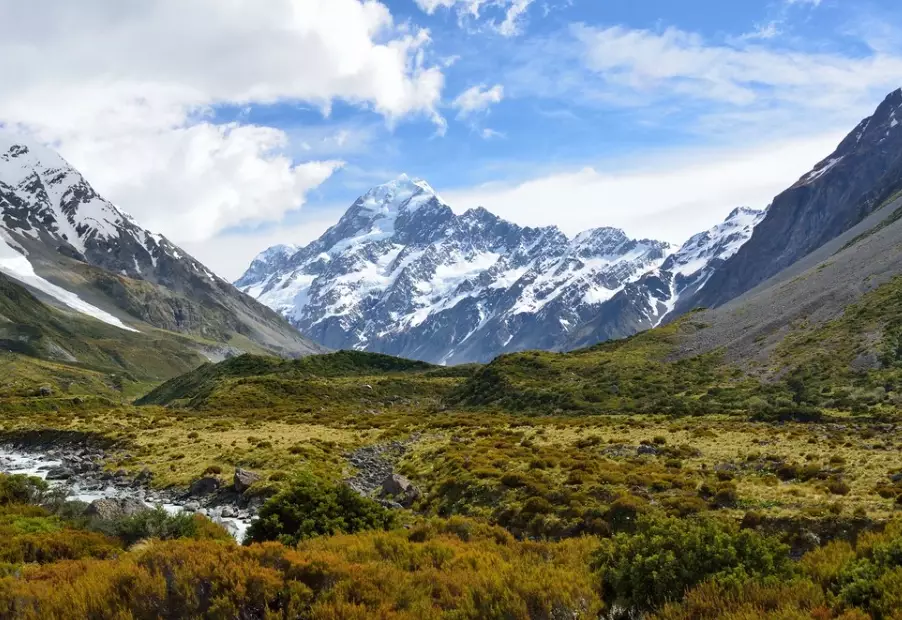
Accommodation: Your Biggest Fixed Cost
This is the category that surprises people the most. Hotel chains are limited outside major cities. You'll live in a mix of hostels, motels, holiday parks (with cabins and campsites), and the occasional boutique lodge.
- Hostel Dorm Bed: NZD $30 - $45 per night. Central locations in Queenstown or Auckland hit the top end.
- Private Double Room (Budget Motel/Hostel): NZD $90 - $140 per night. Often basic but clean, with a kitchenette. These "Kiwi motels" are a national institution.
- Mid-Range Hotel/Motel: NZD $150 - $250 per night. Expect more space and better amenities.
- Holiday Park Cabin (self-contained): NZD $100 - $180 per night for 2-4 people. Fantastic value for groups/families.
A common mistake is underestimating the booking lead time. In peak season (Dec-Feb), places in hotspots like Wanaka or near the Franz Josef Glacier sell out weeks ahead, and prices peak.
Food & Groceries: The Supermarket is Your Friend
Eating out consistently is a fast track to blowing your budget. A casual lunch cafe sandwich is NZD $12-$18. The classic "fish and chips" for two? Around NZD $25-$30.
Here's the local secret: Embrace the supermarket. Chains like Countdown, New World, and Pak'nSave are well-stocked. You can get a loaf of good bread for NZD $3, a block of local cheese for NZD $6, fresh fruits, and excellent pre-made salads. Cooking even just breakfast and dinner in your hostel or cabin kitchen saves a fortune. A decent bottle of New Zealand Sauvignon Blanc? NZD $15-$20 at the supermarket, versus NZD $50+ at a restaurant.
Transport: To Drive or Not to Drive
Public transport between cities exists but is limited. To see New Zealand properly, most people drive.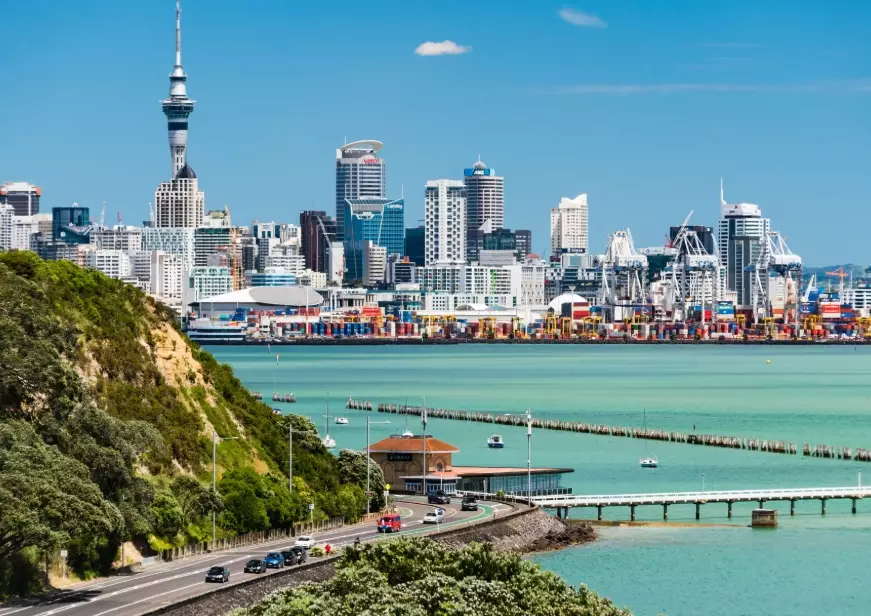
- Rental Car/Campervan: This varies wildly. A compact car might be NZD $40-$70 per day, but in peak season, it can spike. Campervans start around NZD $100-$150 per day for a basic 2-berth. Always book months in advance for better rates. Insurance excess reduction is a crucial added cost.
- Fuel: Petrol (gasoline) floats around NZD $2.70 - $3.00 per liter. Diesel is slightly cheaper. Those long, beautiful drives add up.
- Intercity Buses (InterCity, GreatSights): A flexible option. A bus from Auckland to Rotorua might cost NZD $40-$60. They're reliable and scenic but tie you to schedules.
- Domestic Flights: Jetstar and Air New Zealand offer competitive fares between main centers (e.g., Auckland to Christchurch) if booked early, sometimes as low as NZD $60 one-way. Useful for covering long distances fast.
Activities & Tours: The "Splurge" Category
This is where you define your trip. You can spend nothing on walks, or thousands on adrenaline.
- Milford Sound Cruise: NZD $80 - $120 for a basic 2-hour cruise. Worth every cent.
- Franz Josef Glacier Heli-Hike: NZD $500 - $700. The premier glacier experience.
- Queenstown Bungy Jump: NZD $200 - $250 for the iconic Kawarau Bridge jump.
- Hobbiton Movie Set Tour: Around NZD $90.
- Museum Entry (e.g., Te Papa in Wellington): Often by donation or free for permanent collections.
My advice? Pick one or two absolute "must-do" paid activities and build the rest around free hikes, beaches, and drives. The Tongariro Alpine Crossing (a world-class hike) costs only the shuttle fare to get there (NZD $40-$50).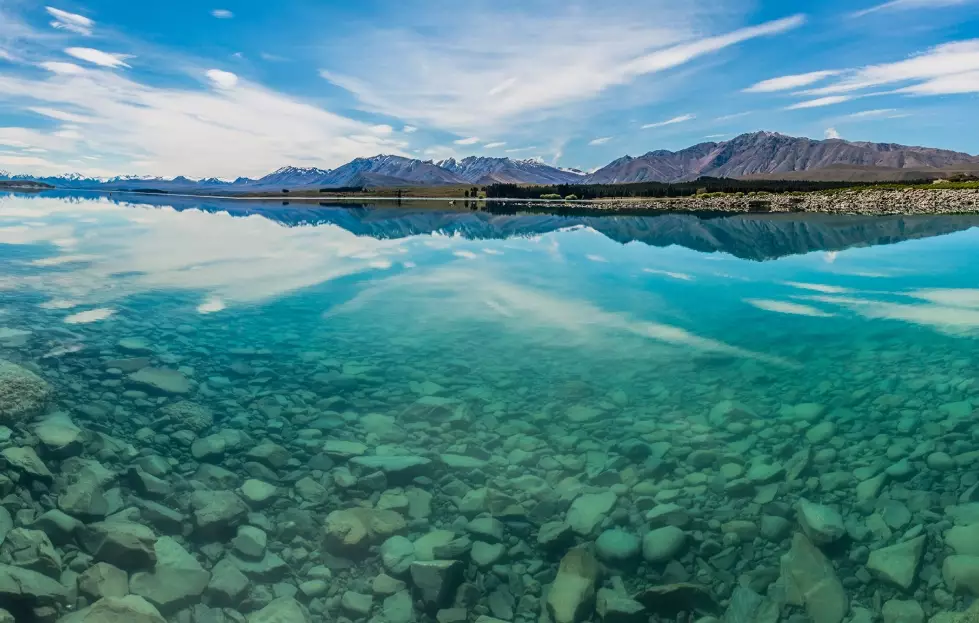
Daily Budget Scenarios: From Shoestring to Splurge
Let's translate this into real daily numbers. These are per person estimates and assume you are traveling with at least one other person to share costs like car and accommodation.
| Budget Style | Accommodation | Food & Drink | Transport (share) | Activities | Total Per Day (NZD) |
|---|---|---|---|---|---|
| Budget Backpacker Hostel dorms, cooking most meals, buses, free hikes. |
$35 | $25 (groceries +1 coffee) | $25 (bus pass share) | $10 (occasional paid site) | $95 |
| Mid-Range Explorer Private motel rooms, mix of eating out and cooking, rental car split, 1-2 big activities per week. |
$120 (for two, so $60 pp) | $50 (cafe lunch, nice dinner out) | $40 (car + fuel split) | $30 (averaged out) | $180 |
| Comfort & Adventure Nice hotels/lodges, all meals out, rental car, multiple premium tours. |
$200+ pp | $100+ | $60+ (premium car) | $100+ | $460+ |
See the range? A two-week trip for a couple can realistically cost anywhere from NZD $2,600 to well over NZD $10,000+, excluding international flights. The mid-range scenario is what most independent travelers I meet end up experiencing.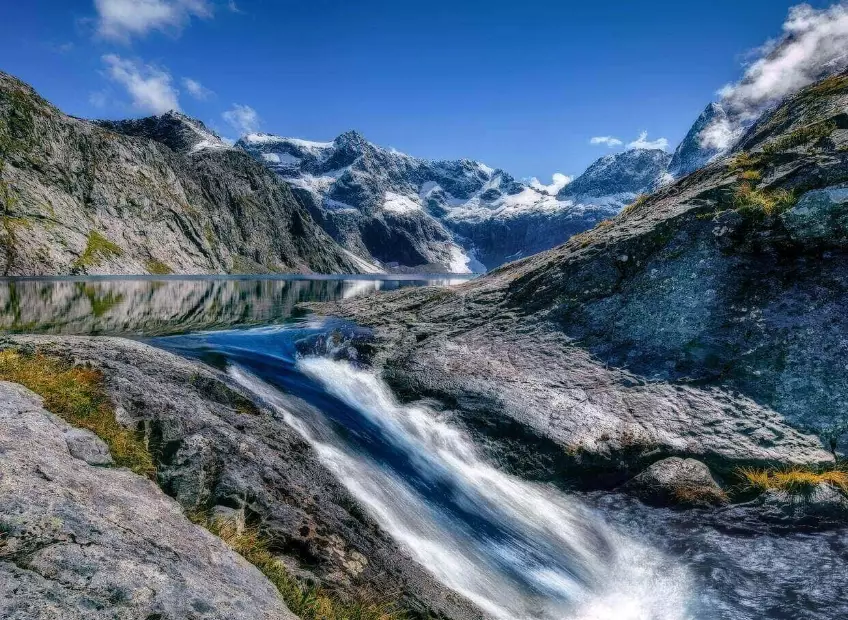
Budget Hacking: Local Tips to Stretch Your Dollars
Beyond the obvious "cook your own food," here are some tactical moves.
Travel in the Shoulder Seasons. April-May and September-October offer great weather, fewer crowds, and lower prices for accommodation and cars. I once got a lake-view motel in Queenstown for 40% less in May than its January rate.
Leverage Holiday Parks. They often have the best-value cabins and are located in prime scenic spots. Their communal kitchens are usually excellent.
Use the DOC Website. The Department of Conservation site is your bible for free hiking tracks, cheap hut stays (Great Walks excluded), and conservation areas. It's an official source of truth.
Consider Relocation Deals. Companies like Transfercar list incredibly cheap (sometimes $1 per day) rental car and campervan deals if you can drive them from A to B on specific dates to rebalance their fleet.
BYO (Bring Your Own) for Alcohol. Buying wine, beer, or spirits from a supermarket or dedicated "bottle store" is far cheaper than purchasing by the glass at a bar or restaurant. It's perfectly normal to bring a bottle of wine to a BYO restaurant.
Don't Overlook Free City Attractions. Wellington's Te Papa Museum, Auckland's War Memorial Museum (for locals, donation for visitors), and the Christchurch Botanic Gardens offer hours of engagement for little to no cost.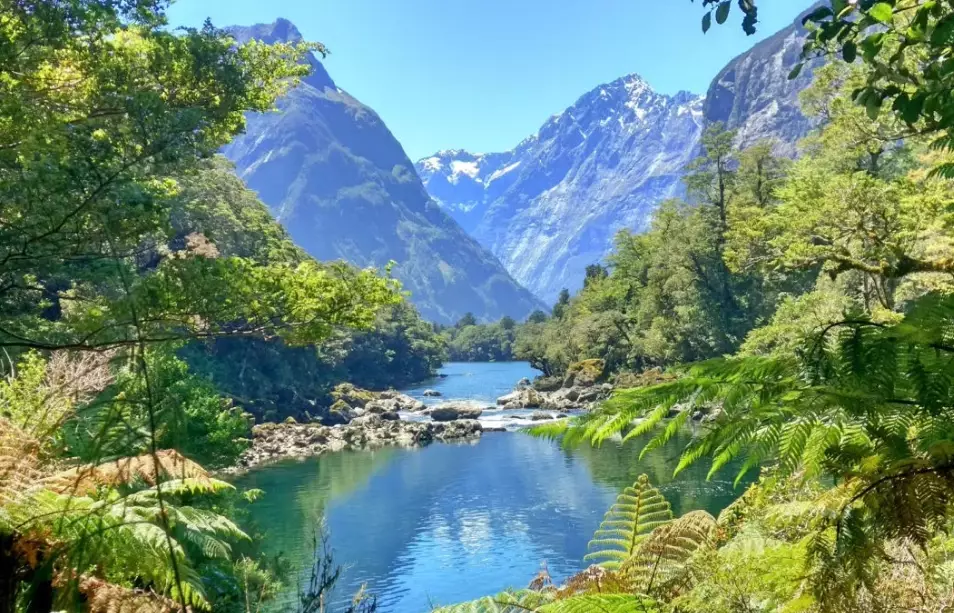
Comments
Join the discussion