Let's cut to the chase. "Which is nicer?" is the wrong question. After a decade of island-hopping, I've learned that asking "which is nicer" between Bali and Fiji is like asking if pizza is better than sushi. It entirely depends on what you're hungry for. One offers a deep, spicy, and sometimes chaotic cultural immersion. The other serves up pristine, relaxed seclusion on a silver platter. The "nicer" one is the island that matches your personal travel DNA. I've made the classic mistake of expecting Fiji-style relaxation in Ubud and vice-versa. This guide is here to help you avoid that.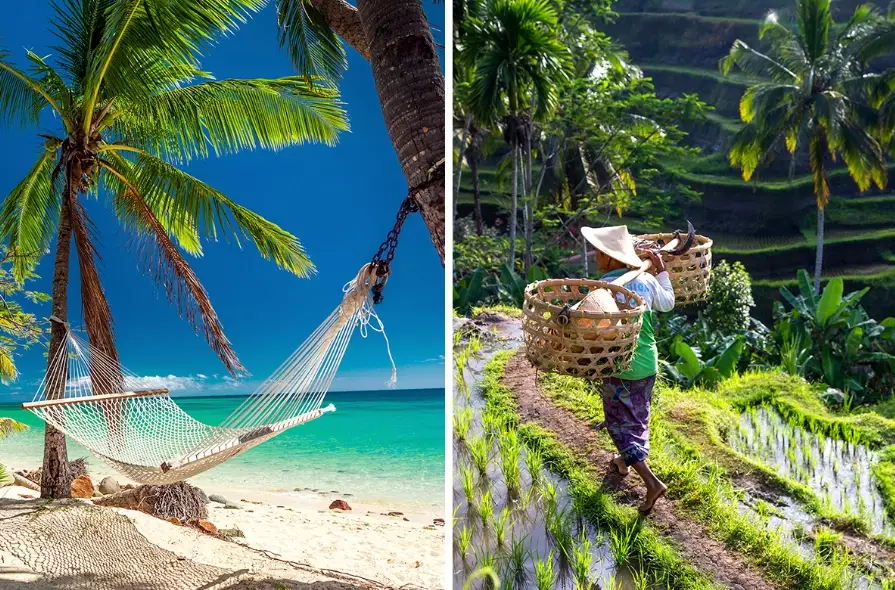
Your Quick Comparison Guide
Vibe & Culture: Spiritual Buzz vs. "Bula" Smiles
This is the biggest divider. Your preference here decides everything.
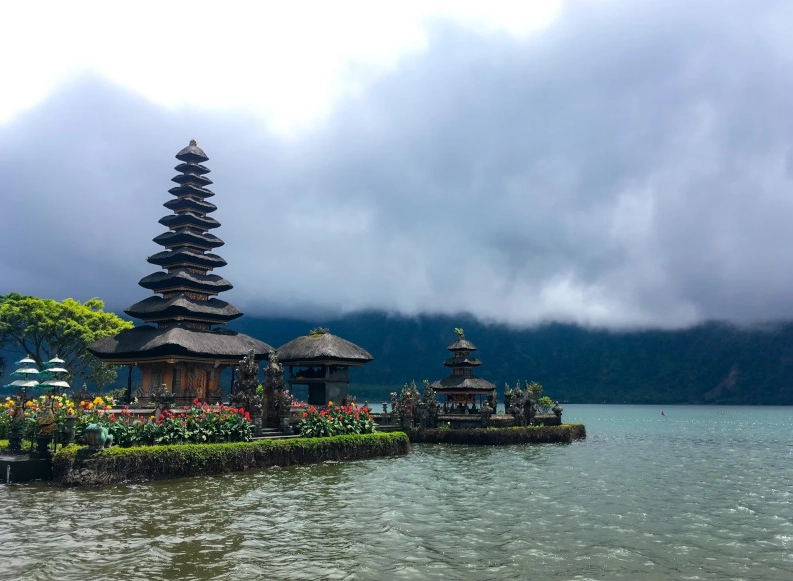
Bali is sensory overload in the best way. The air smells of frangipani and incense. You'll see intricate daily offerings (canang sari) on every sidewalk. The energy is creative, spiritual, and fast-paced in areas like Canggu and Seminyak. You can do a sunrise yoga class, visit three ancient temples, take a silver-making workshop, and end the day at a world-class cocktail bar. The culture is Hindu-Balinese, and it's woven into every aspect of life. But let's be real—outside the temples and family compounds, parts of the island are a tourist machine. The main roads can be hectic.
Fiji operates on "Fiji Time." The pace is slow, the focus is on relaxation and connection. The famous "Bula!" greeting isn't just a word; it's a genuine expression of welcome. Fijian culture is deeply communal and Christian-influenced. The experience is less about ticking off historical sites and more about connecting with people—maybe sharing a bowl of kava (yaqona) in a village visit. The vibe is uniformly friendly and laid-back across the islands. There's no equivalent to Bali's party scene, which for many is a huge plus.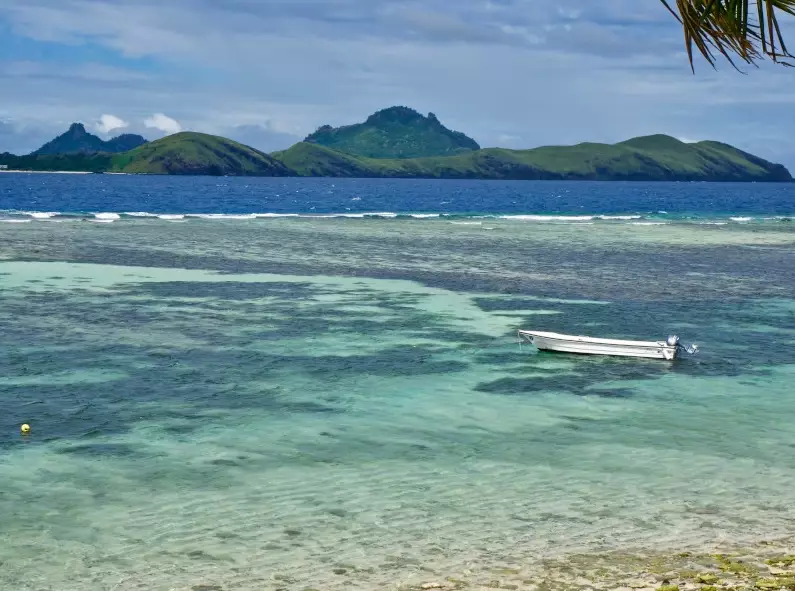
Scenery & Beaches: Volcanoes & Rice Terraces vs. Blue Lagoons
Both are stunning, but the canvas is different.
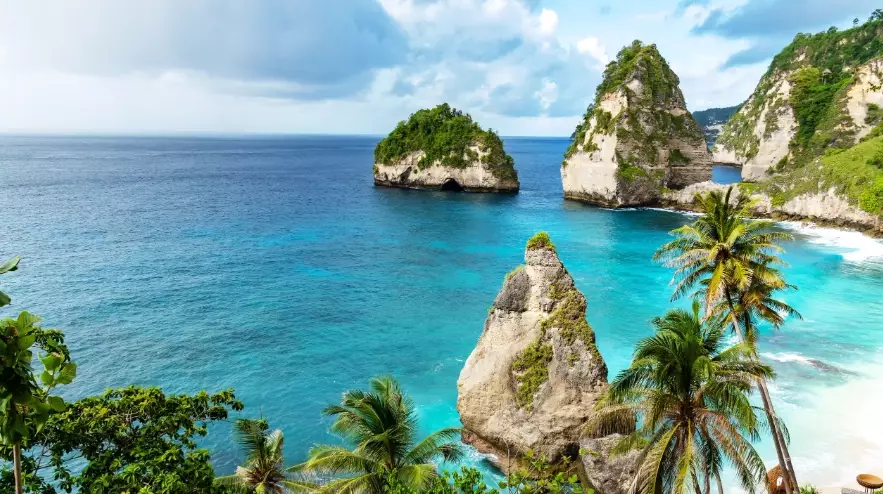
Bali's landscape is dramatic and varied. You have the iconic emerald rice terraces of Tegallalang (entry: ~IDR 25,000; open 7am-6pm). The active Mount Batur volcano for sunrise treks. Waterfalls like Sekumpul in the north. The beaches, however, are a mixed bag. The south has famous surf breaks like Uluwatu with cliffs and powerful waves, but the sand is often darker volcanic grit. For those dreamy white sands, you need to take a fast boat to nearby islands like Nusa Penida (1-hour ride from Sanur).
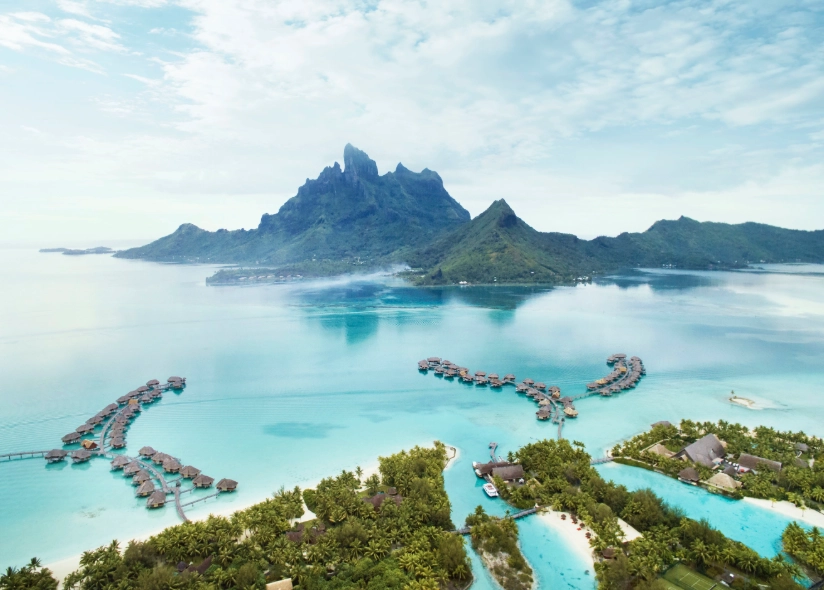
Fiji's landscape is postcard-perfect oceanography. Think of the Mamanuca and Yasawa island chains: small, palm-fringed motus with beaches of soft, white powder sand sloping into unbelievably clear, calm, turquoise lagoons protected by outer reefs. The underwater world is the main attraction here—soft coral diving is world-class. The main island, Viti Levu, has a rugged interior with villages and rivers, but most visitors come for the outer islands' beach perfection.
Beach Access: A Key Difference
In Bali, many of the best beachfront spots are dominated by resorts, clubs, and warungs. Public access exists, but it can be a scramble down a cliff path. In Fiji, especially at a resort on a small island, the beach is literally your front yard. You walk out of your bure (thatched hut) and you're there.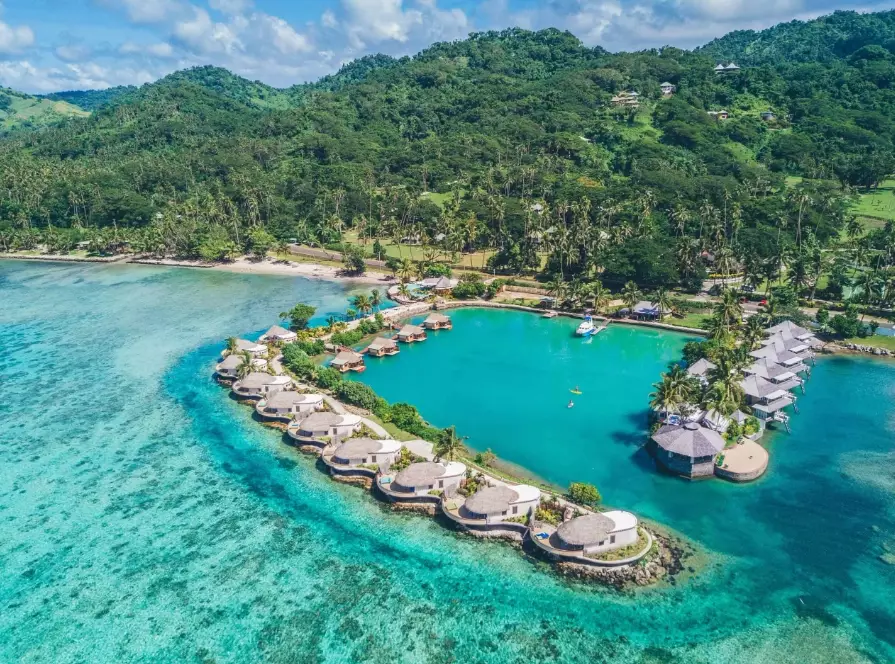
Where to Stay & Eat
This is where your budget and style really come into play.
| Aspect | Bali | Fiji |
|---|---|---|
| Accommodation Range | Extremely wide. From $15/night guesthouses in Ubud to $1000+/night cliffside villas in Uluwatu. The sweet spot for a nice private villa with pool is $80-$200/night. | More bifurcated. On the main island, you find city hotels and a few resorts. The iconic experience is an all-inclusive resort on a remote island. Budget is tricky—basic backpacker islands exist, but true resort stays start around $300/night and soar. |
| Food Scene & Cost | Incredibly diverse and affordable. A fantastic local meal (nasi campur) costs $3-$5. You can find high-end international cuisine in Seminyak. The cafe culture (smoothie bowls, coffee) is a lifestyle. Food is a major part of the Bali experience. | Resort-based. Meals are often included in packages. Local Fijian food (kokoda, lovo feast) is hearty but options are limited on small islands. Eating out at non-resort restaurants is primarily on the main island and is decent but not a highlight. Costs are higher, akin to Western prices at resorts. |
| Sample Stay | Ubud: Central for culture, surrounded by jungle. Try a homestay for authenticity. Canggu: For digital nomads, surf, cafes. Uluwatu: For clifftop luxury and upscale seclusion. |
Denarau Island (Viti Levu): Convenient, family-friendly resort complex. Mamanuca Islands: Easy access from Nadi, great for families & first-timers (e.g., Malolo Island). Yasawa Islands: More remote, stunning, for true getaways. |
Getting Around & Island Hopping
How you move shapes your trip.
Bali: You will need transport. Renting a scooter ($5-7/day) is common but can be dangerous for inexperienced riders. The better option is hiring a private driver for day trips ($35-$50 for 8-10 hours). It's affordable, convenient, and they often double as guides. Traffic around Kuta, Seminyak, and Canggu is notoriously congested.
Fiji: Transport is part of the adventure. You fly into Nadi (NAN). To reach the outer islands, you transfer via small plane, helicopter, or ferry. The Yasawa Flyer catamaran is a classic mode of transport connecting the island chain. Once on a small island resort, you walk everywhere. There are no roads, no scooters. This is a core part of the Fijian escape.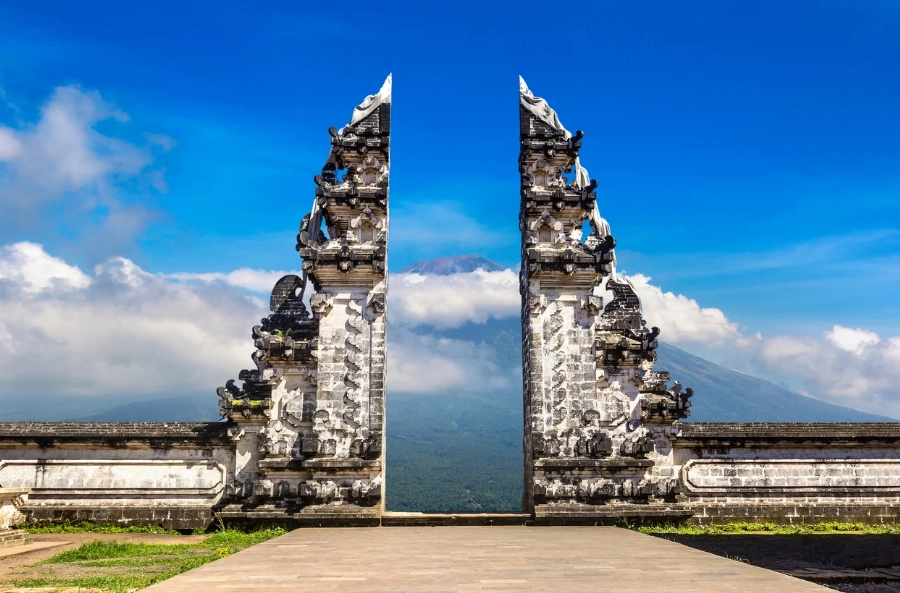
The Money Talk: Budget Breakdown
Let's get practical. For a 7-day trip for two people (excluding international flights):
Bali on a Moderate Budget ($800 - $1500 total): Easily doable. Stay in a lovely private villa with pool in Ubud or a boutique hotel in Seminyak. Eat at fantastic local warungs and nice cafes. Hire a driver for several days. Enjoy plenty of massages ($10/hour). This is Bali's superpower—high value for money.
Fiji on a Moderate Budget ($2500 - $4000+ total): Much harder. The "Fiji tax" is real due to its remoteness. A mid-range all-inclusive resort for 7 nights will be the bulk of your cost. To save, consider splitting your stay: 2 nights on the main island (cheaper) and 5 on an outer island. Or look at smaller, less luxe resorts. Activities and drinks add up quickly if not included.
Who is Each Island Really For?
Stop thinking about which is "nicer." Start asking which one is for you.
Choose BALI if you:
- Want a culturally rich trip with endless things to see and do.
- Are a foodie or love a vibrant cafe/wellness scene.
- Are on a tighter budget but want luxury touches (private pool villa).
- Don't mind some hustle, noise, and traffic as part of the adventure.
- Are a solo traveler, digital nomad, or part of a young group.
Choose FIJI if you:
- Prioritize absolute relaxation on a perfect beach.
- Are on a honeymoon or romantic getaway where seclusion is key.
- Love snorkeling, diving, and water-based activities in calm lagoons.
- Have a larger budget for an all-inclusive, fly-and-flop holiday.
- Travel with young kids who just want a safe beach and pool (many resorts are brilliantly family-focused).
- Truly want to disconnect (Wi-Fi is often slow/expensive on outer islands).
Your Burning Questions Answered
With a limited budget, can I still have a good time in Fiji?
Yes, but you need a different strategy. Skip the dreamy outer island resorts for your entire stay. Base yourself on the Coral Coast or Pacific Harbour on Viti Levu mainland. You'll find more affordable accommodation and can do day trips to the Mamanucas via ferry. The beaches won't be the iconic untouched ones, but you'll still experience Fijian culture and get out on the water. Consider it a "Fiji Lite" introduction.
Is Bali too crowded and touristy now?
Parts of it absolutely are. Kuta, Seminyak, and the main road through Canggu can feel overrun. But here's the secret most blogs don't emphasize enough: Bali is bigger than its Instagram hotspots. Spend time in the north around Munduk or Amed. Explore the east coast. Stay in a village near Ubud, not on the main street. The mass tourism is highly concentrated. With a scooter or driver, you can find serene landscapes and authentic interactions 30 minutes away from the chaos.
 For a honeymoon, isn't Fiji the obvious choice?
It's the classic for a reason—privacy, romance, easy planning. But don't dismiss Bali. For a couple who wants a mix of adventure, culture, and romance, a Bali honeymoon is incredible. You can have 3 days in a luxurious cliffside villa in Uluwatu, 3 days in a jungle treehouse near Ubud for culture and spas, and finish with 2 days on a quiet beach in Nusa Dua. It's more work to plan, but offers more variety.
Which is better for solo travelers?
Bali, hands down. The infrastructure for solo travel is mature. There are endless hostels, co-working spaces, group tours, yoga classes, and a massive community of other travelers and expats. It's easy to meet people. Fiji's resort model is geared towards couples, families, and groups. Solo travel there can feel isolating and is significantly more expensive, unless you're on a specific backpacker island circuit which is a very different (and more basic) experience.
We're a family with young kids. Where should we go?
Both work, but for different reasons. Fiji's resorts are famously kid-friendly with fantastic kids' clubs ("Bula Buddies"), nanny services, and safe, shallow lagoons. It's stress-free for parents. Bali can be amazing too—villas with private pools are safer than hotel pools, and the variety of activities (monkey forest, water parks, easy hikes) is great. However, navigating traffic and crowded areas with little ones is more challenging. If your priority is easy, contained relaxation, Fiji wins. If you want an active, exploratory trip, Bali has more to offer the whole family.



Comments
Join the discussion