Let's cut straight to the point. Asking about the tourist season in New Zealand is like asking about the weather—it's complicated, depends entirely on what you're after, and the classic answer "it depends" is annoyingly accurate. Most websites will parrot that the peak season is December to February (summer). While true, that's only half the story and frankly, not that helpful. The real question isn't "when is the season?" but "which season is right for *me*?"
Having spent years hopping between the North and South Islands, I've seen crowded summer trails where you queue for a photo, and I've had entire winter ski slopes practically to myself. The "best" time is a personal calculation of weather tolerance, budget, crowd aversion, and the specific activities that make your heart race.
Your Quick Guide to Navigating This Page
Defining the 'Peak': It's More Than Just Summer
Yes, the absolute peak tourist season in New Zealand is during its summer months, from late December through February. This is when Kiwis themselves are on holiday, schools are out, and the weather is (theoretically) at its most stable and warm. Accommodation prices hit their zenith, rental cars become scarce, and popular spots like Queenstown, the Abel Tasman track, and Milford Sound buzz with activity. You need to book everything—flights, hotels, tours, even some restaurants—months in advance.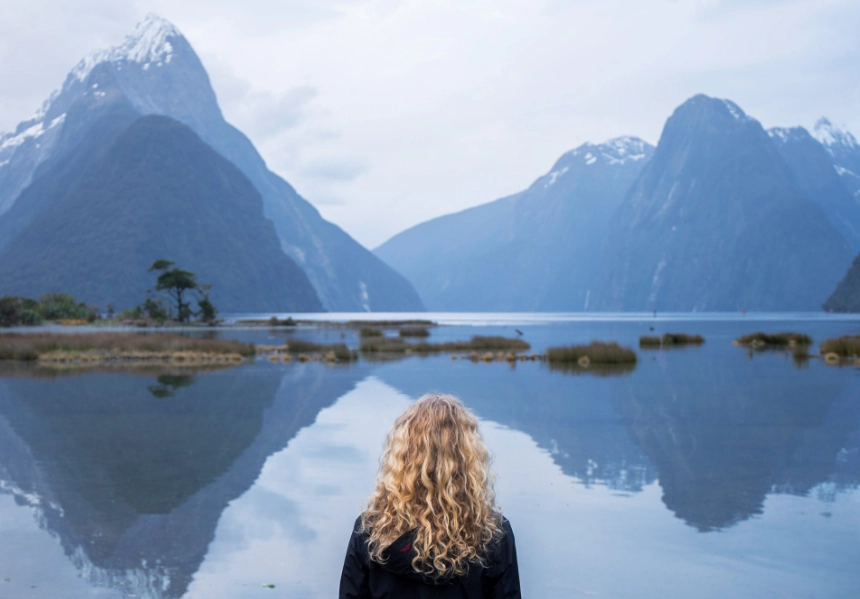
But here's the non-consensus bit most generic guides miss: New Zealand effectively has multiple "peak" periods tied to specific activities. Winter (June-August) is the absolute peak season for the ski fields around Queenstown, Wanaka, and Mt. Ruapehu. The shoulder seasons (autumn and spring) see their own mini-peaks around school holidays and specific events. So, your "tourist season" is dictated by your itinerary.
The Seasonal Breakdown: A Month-by-Month Guide
Forget vague descriptions. Here’s what each season truly feels like on the ground, complete with the good, the bad, and the realistically expensive.
| Season | Months | Weather & Crowds | Price Vibe | Top Reasons to Go | Biggest Drawback |
|---|---|---|---|---|---|
| Summer (Peak) | Dec - Feb | Warm, long days. Unpredictable rain/storms. MAXIMUM crowds everywhere. | Peak. Book 6+ months ahead. | Hiking Great Walks, beach trips, festivals, guaranteed alpine access. | Crowds, high costs, need for meticulous planning. |
| Autumn (Shoulder) | Mar - May | Crisp, stable, less windy. Crowds thin significantly after Easter. | Moderate. Good deals appear in late autumn. | Stunning foliage (especially in Central Otago), wine harvests, pleasant hiking. | Shorter days, cooler temps, some alpine passes close by May. |
| Winter (Low/Activity Peak) | Jun - Aug | Cold, snow in south/alps. Rain in north. Ski resorts are packed; other areas are quiet. | Low overall, except for ski towns & school holidays. | Skiing/snowboarding, Southern Lights, thermal pools, empty landscapes. | Some roads close (e.g., Milford Road often), limited daylight, cold. |
| Spring (Shoulder) | Sep - Nov | Unpredictable—sunshine, rain, wind, all in one day. Crowds start building in November. | Moderate to rising. Book 3-4 months ahead for November. | Newborn wildlife (lambs!), blooming lupins, snow-capped mountains with green valleys. | "Four seasons in a day" weather, sandflies are fierce, some trails muddy. |
Summer Deep Dive: Is the Hype Real?
Summer is for the planner who wants it all. The Milford Track hike? You entered the lottery last year. A campervan? Booked out. I made the mistake once of rocking up to Te Anau in January without a booking—every motel had a "No Vacancy" sign. I ended up driving an hour to find a last-minute cabin. Lesson learned.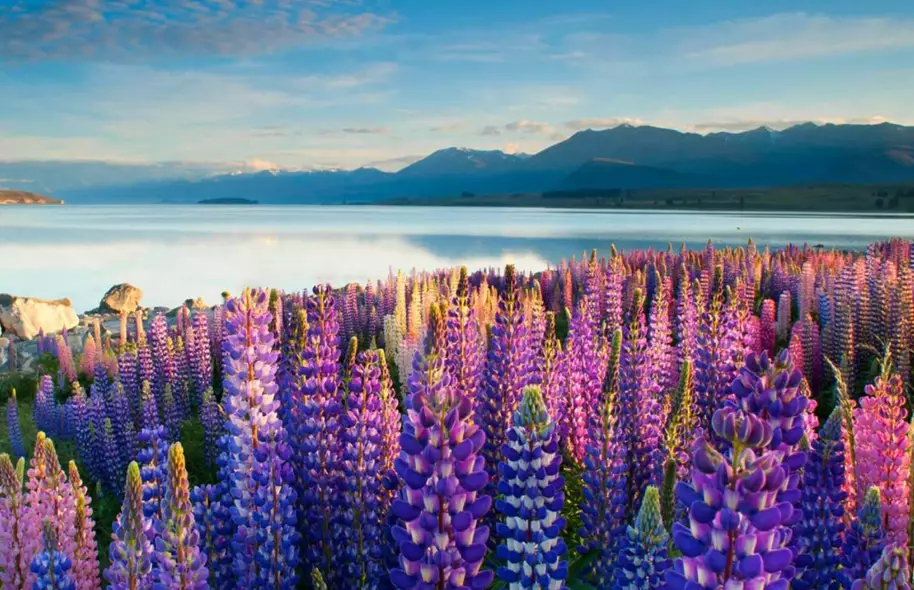
Must-do Summer Activities:
- Hike a Great Walk: The Kepler or Routeburn are sublime. Bookings on the Department of Conservation website open months in advance and sell out fast.
- Kayak Abel Tasman: Paddle from Marahau to Anchorage. Operators like Sea Kayak Adventures offer guided tours (approx. NZD $150). The water is actually swimmable.
- Visit a Festival: The Rhythm and Alps New Year's festival near Wanaka or local Saturday markets.
Autumn: The Local's Secret (Sort Of)
March and April are golden. The weather settles, the summer rush leaves, and places like Arrowtown and the Hawke's Bay vineyards turn into a palette of red and gold. You can actually find a parking spot in Queenstown. It's my personal favourite time for a road trip. Accommodation prices start to soften by April. Just pack layers—mornings are frosty.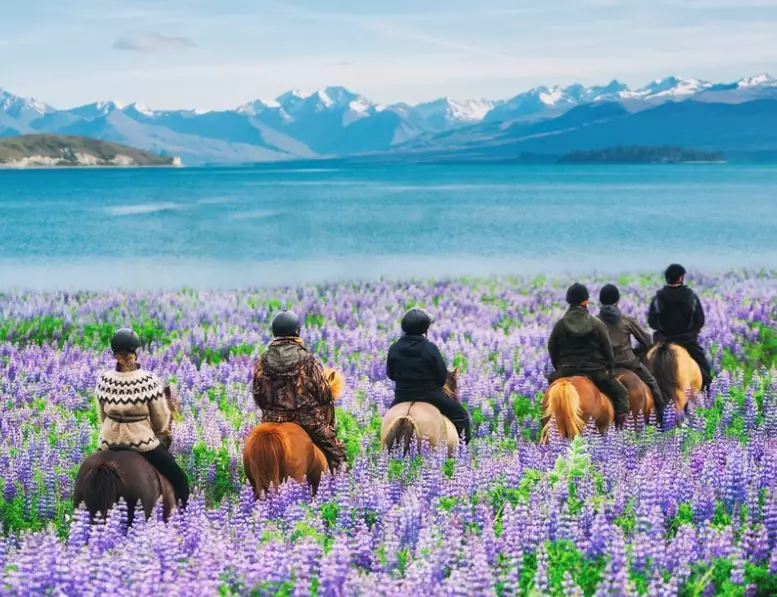
Winter: Beyond the Ski Fields
Everyone thinks of Queenstown for skiing, but have you considered Rotorua? The thermal pools at the Polynesian Spa (adult day pass ~NZD $40) are magical in the cold air. In the South Island, the drive from Dunedin to the Otago Peninsula is dramatic and quiet, perfect for spotting yellow-eyed penguins. A major drawback? The Milford Sound road (State Highway 94) requires chains and can close for days due to avalanche risk. Always check the NZ Transport Agency website before heading out.
Spring: The Wildcard
Spring is beautiful but fickle. You might get a glorious sunny week in October or a storm that cancels your Franz Josef glacier heli-hike. The upside? The landscapes are explosively green, and the mountains still have snow caps. It's a photographer's dream, if you're patient. Wanaka's famous lone tree is framed by blossoms. Just bring a waterproof jacket—and a spare.
How to Choose Your Perfect Season: A Decision Framework
Stop overthinking. Answer these questions:
1. What's your non-negotiable activity?
- Skiing/Snowboarding: You're going in July-August. Book ski field passes and Queenstown/Wanaka accommodation early.
- Hiking the Great Walks: You're targeting the summer booking window. Mark the DOC booking release date on your calendar.
- A relaxed, scenic road trip: Strongly consider Autumn (March-April). Stable weather, no crowds.
2. What's your budget tolerance?
If your budget is tight, summer and ski-season in resort towns will hurt. Winter (outside ski resorts) and late autumn offer the best accommodation deals. I've found lovely B&Bs in Christchurch for half their summer price in August.
3. How do you feel about crowds?
If you hate queues and shared viewpoints, avoid December 20 - January 31 at all costs. Autumn and late spring (before November) offer breathing room.
4. How do you handle weather uncertainty?
If a cancelled flight or a rainy day ruins your mood, summer offers the highest chance of success. If you're flexible and have backup plans (museums, hot pools, wine tasting), shoulder seasons offer great value.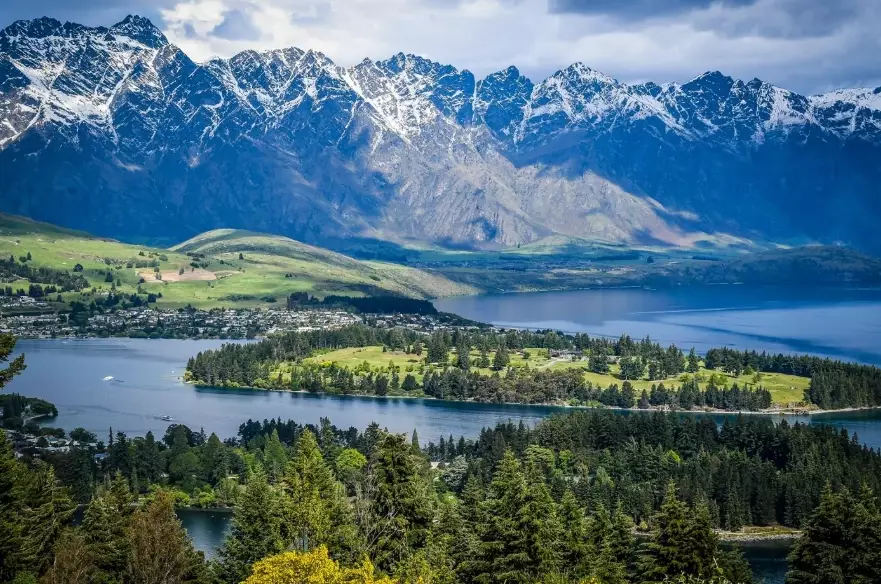
Practical Tips for Every Season
No matter when you go, these make a difference:
- Book Inter-island Ferries Early: The Cook Strait ferry (Wellington to Picton) fills up, especially in summer and holiday periods. Bluebridge and Interislander are the main operators.
- Understand Driving Conditions: In winter, South Island roads require caution. Always carry chains where recommended (you can rent them), and never ignore road closure signs. The official NZ Transport Agency website and app are your bible.
- Layer Up: The saying "four seasons in a day" is real, especially in spring and autumn. A merino wool base layer, a fleece, and a waterproof shell are essential.
- Sandflies are No Joke: They peak in spring and summer, especially in Fiordland and the West Coast. Pack strong repellent (local brands like "Goodbye Sandfly" work) and wear long sleeves at dusk.



Comments
Join the discussion