Quick Navigation
Let's cut right to the chase. If you're an American sitting at home, scrolling through images of Seoul's neon-lit streets, Busan's vibrant beaches, or Jeju's volcanic landscapes, the big question probably isn't about the best kimchi. It's this: Can Americans safely travel to South Korea?
The short, straightforward answer is a resounding yes. In fact, from a statistical and on-the-ground perspective, South Korea consistently ranks as one of the safest countries in the world for travelers, often surpassing the safety levels of many major US cities. But that simple "yes" doesn't tell the whole story, does it? Safety isn't just about crime stats; it's about feeling secure from the moment you start planning to the moment you return home. It's about entry rules, local customs, health scares you read about online, and navigating a place where you might not speak the language.
I've traveled to South Korea multiple times, both solo and with family, and I've had friends live there for years. The overwhelming consensus is one of ease and security. But I also remember the nervousness before that first trip—the "what-ifs" that Google couldn't quite silence. This guide aims to replace those nerves with solid information.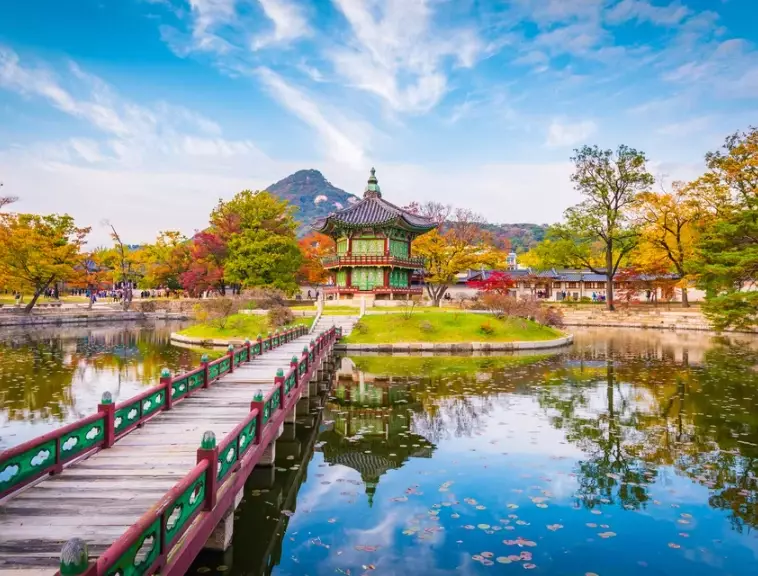
Bottom Line Up Front: For the vast majority of travelers, South Korea is an exceptionally safe destination. Violent crime against tourists is exceedingly rare, the infrastructure is modern and reliable, and healthcare standards are high. The primary safety considerations are similar to those in any developed nation: be aware of your surroundings, understand local laws, and prepare for minor cultural differences.
What Does "Safe" Really Mean in South Korea?
When we ask if Americans can travel safely, we're usually bundling a bunch of concerns into one word. Let's unpack it.
Crime and Personal Safety: The Numbers Don't Lie
This is the big one. The U.S. Department of State gives South Korea a Level 1 travel advisory, which is the lowest level, advising simply to "exercise normal precautions." Compare that to many popular European destinations which are also at Level 1, and you get the picture.
Petty crime like pickpocketing exists, as it does anywhere tourists congregate—think Myeongdong shopping streets or the packed bars in Itaewon—but it's far less prevalent than in, say, Paris or Rome. Violent crime is statistically very low. I've walked alone at night in Seoul's back alleys feeling far more at ease than I have in parts of New York or San Francisco. It's a common sentiment among expats and repeat visitors.
That said, don't be lulled into complete complacency.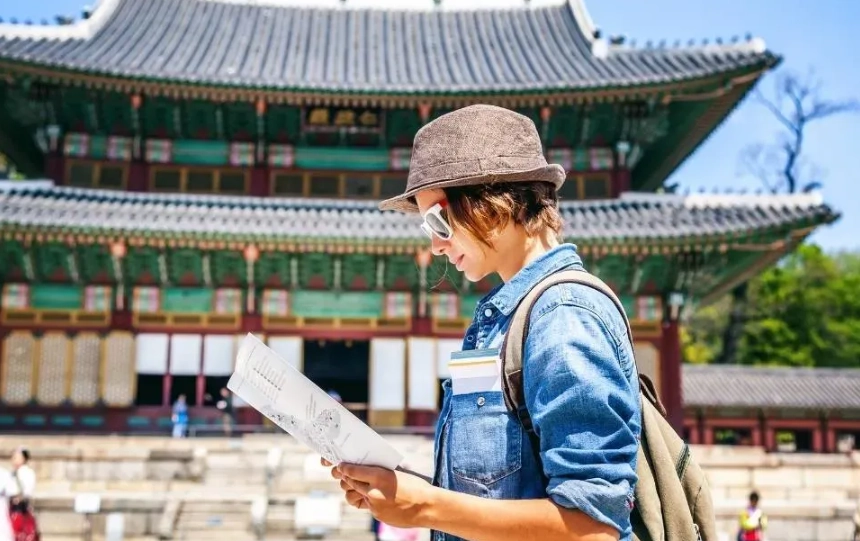
One area that does get mentioned, particularly for nightlife districts like Itaewon, Hongdae, and Gangnam, is drink spiking. It's not an epidemic, but incidents have been reported. The advice is universal: watch your drink being poured, don't accept drinks from strangers, and go out with friends. Basic club safety 101 applies here just as it does back home.
Political Tensions and the North Korea Question
This is the elephant in the room for many Americans. News headlines can be alarming. The reality on the ground in Seoul is profoundly different. Life for South Koreans and visitors continues normally, utterly unaffected by the political rhetoric. The border is heavily fortified and about 35 miles from Seoul. There is no tangible threat to tourists in Seoul, Busan, or anywhere else you're likely to visit.
The OSAC (Overseas Security Advisory Council) country security report for South Korea notes that the inter-Korean conflict "poses little to no risk to private U.S. citizens or organizations throughout most of the country." In short, it's a geopolitical issue, not a travel safety issue.
Health, Hygiene, and Medical Care
South Korea has a world-class healthcare system. Hospitals in major cities are modern, and many doctors speak English. Pharmacies ("yakguk") are everywhere. After a bad bout of food poisoning (my fault for being overzealous with street food), I was seen quickly, treated effectively, and the cost was reasonable even without travel insurance.
Public hygiene is excellent. The subway is cleaner than any I've seen in the US. Public restrooms are generally well-maintained. Tap water is officially safe to drink, though most locals and travelers stick to bottled or filtered water out of habit—I did the same.
Pro Tip: While not mandatory for entry, it's wise to be up-to-date on routine vaccines (MMR, Tdap, etc.). Check the CDC's South Korea travel page for the latest health recommendations, which can include seasonal advice for flu or other circulating illnesses.
Natural Disasters
South Korea is seismically stable compared to its neighbor Japan, but minor earthquakes can occur. The bigger seasonal concerns are typhoons (late summer, early fall) and heavy snowfall in winter. The infrastructure is built to handle these events. Monitoring local weather reports during your trip is a good idea.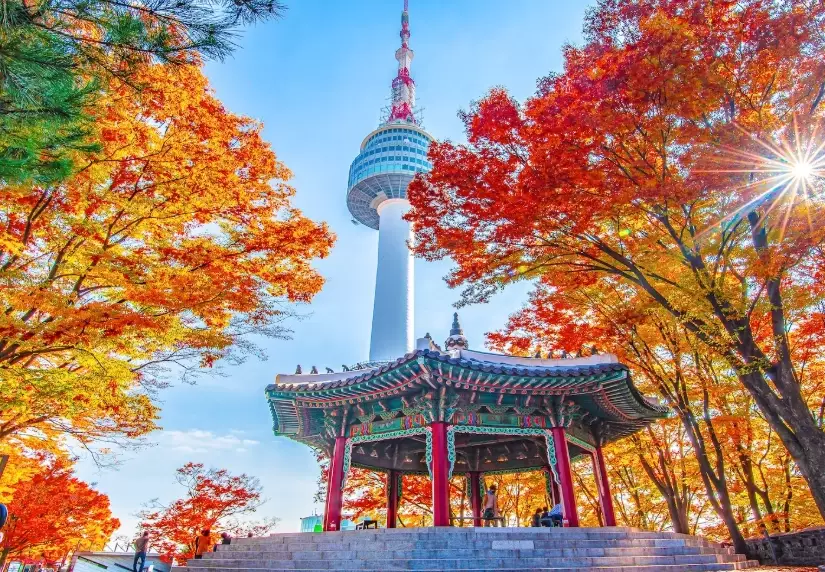
The Practical Checklist: Before You Go
Safety starts with preparation. Here’s your pre-travel to-do list.
Entry Requirements: Visas and K-ETA
For U.S. citizens with a regular passport, you don't need a visa for tourist stays of up to 90 days. However, you do need to obtain a K-ETA (Korean Electronic Travel Authorization) before you board your flight. This is an online pre-screening, not a visa. Apply on the official K-ETA website at least 72 hours before departure. It’s usually approved quickly, but don't leave it to the last minute. The fee is small, and it’s valid for two years.
Double-check your passport validity. It should be valid for the entire period of your stay. While some sources say six months, I’ve never had an issue as long as it didn't expire during my trip. But why risk it? Just make sure it's got plenty of time left.
Travel Insurance: Non-Negotiable
I cannot stress this enough. Get comprehensive travel insurance that covers medical emergencies, evacuation, and trip cancellation/interruption. South Korea's medical care is great but not free for visitors. A simple hospital visit can cost hundreds of dollars; anything serious can run into the thousands. Your U.S. health plan likely offers little to no coverage abroad. This is the single most important thing you can do for your safety and financial peace of mind.
Register with STEP
The U.S. government's Smart Traveler Enrollment Program (STEP) is free. You tell them your itinerary and contact info. If there's an emergency—a natural disaster, civil unrest, or a family emergency back home—the U.S. Embassy can contact you and provide assistance. It takes five minutes. Just do it.
Money and Connectivity
Notify your bank and credit card companies of your travel plans. South Korea is a largely cashless society, especially in cities. Credit cards (Visa/Mastercard) are accepted almost universally. Apple Pay and Samsung Pay are everywhere. Still, carry some Korean Won (KRW) for small markets, street food, or in case a card reader is down.
Buy a local SIM card or an eSIM as soon as you land at Incheon Airport. Having data on your phone is a massive safety and convenience booster. You can use Naver Maps (Google Maps is wonky there), translate signs, and call a taxi. SK Telecom, KT, and LG U+ all have booths in the arrivals hall.
I made the mistake of not getting a SIM immediately on my first trip. Trying to find my hotel in Seoul with spotty airport Wi-Fi and a downloaded map was a stressful, hour-long ordeal. Never again.
On the Ground: Navigating South Korea Safely
You've arrived. Here’s how to move around with confidence.
Transportation: Trains, Taxis, and Subways
Public transport is safe, clean, efficient, and cheap. The Seoul subway runs like clockwork, is well-signed in English, and is safe at all hours. Women should note there are often designated "women-only" cars during rush hour (marked with pink signs).
Taxis are safe and metered. Use regular orange/silver/white taxis. Avoid the black "deluxe" taxis unless you want to pay a premium. Rideshare apps like Kakao T are ubiquitous and often easier than hailing a cab. You'll need a local number to register, which is another reason to get that SIM card.
For intercity travel, the KTX high-speed train is fantastic. Buses are also extremely safe and comfortable.
| Transport Mode | Safety Level | Key Tips |
|---|---|---|
| Subway/Metro | Very High | Mind the gap, watch for pickpockets in crowds, use women-only cars if desired. |
| Taxis | Very High | Use metered taxis or Kakao T app. Drivers are generally honest. |
| Intercity Trains (KTX) | Very High | Book tickets online in advance for popular routes. Stations are orderly. |
| Walking | Very High | Be mindful of scooters on sidewalks! Jaywalking is frowned upon and can net you a fine. |
Accommodation Safety
From luxury hotels to guesthouses ("yeogwan") and Airbnbs, standards are high. Fire safety regulations are strict. Always use the room safe for passports and excess cash. A doorstop or portable alarm is never a bad idea for solo travelers, though I've never felt the need in Korea.
Food and Water Safety
This is a highlight, not a hazard. Korean food is generally very safe to eat. Street food is prepared fresh in front of you. Restaurants have high hygiene standards. The one adjustment might be the spice level—go easy on the kimchi and gochujang if you have a sensitive stomach. Bottled water is cheap and available everywhere if you're unsure about the tap.
So, can Americans safely travel to South Korea and eat the food?
Absolutely. Just maybe have some Pepto-Bismol handy for the first few days as your gut adjusts.
Cultural Norms and Etiquette (The "Don't Be That Tourist" Guide)
Respecting local customs isn't just polite; it prevents awkward or disrespectful situations. Koreans are incredibly forgiving of tourists, but making an effort goes a long way.
- Bowing: A slight nod of the head is a common greeting, especially with older people or in formal settings. Handshakes are also common, sometimes with the left hand supporting the right forearm.
- Shoes Off: Always remove your shoes when entering a Korean home, a traditional restaurant (with floor seating), and some guesthouses. Look for a step up or a pile of shoes at the entrance.
- Handling Money/Objects: Use both hands to give or receive something, especially from someone older. If using one hand, support your right wrist with your left hand as a sign of respect.
- Tipping: Not expected and can sometimes cause confusion. Don't tip at restaurants, in taxis, or to hotel staff. A high-end hotel might be an exception, but it's not the norm.
Specific Concerns and How to Handle Them
Solo Travelers (Especially Women)
South Korea is a top-tier destination for solo travelers. As a solo female traveler myself, I found it remarkably easy and safe. Catcalling is rare. Walking alone at night felt fine in well-lit urban areas. The biggest annoyance, honestly, can be the occasional older man who might be overly curious or talkative, but it's rarely threatening, just a bit awkward.
Use common sense: avoid dark, deserted alleys, don't get excessively drunk alone, and trust your instincts. Hostels are great for meeting other travelers.
LGBTQ+ Travelers
Attitudes are evolving, especially among younger Koreans in cities like Seoul. There is a visible gay scene in the Itaewon district. However, South Korea remains a conservative society overall. Public displays of affection between same-sex couples might draw stares or disapproval, particularly outside of major cities. Discrimination is not legal, but social acceptance lags. Discretion is often advised for LGBTQ+ travelers.
Medical Emergencies
The nationwide emergency number is 119 for ambulance and fire. For police, it's 112. English-speaking operators may be available, but it's best to have your hotel concierge or a Korean speaker call if possible.
For non-emergencies, look for a nearby hospital ("byeongwon") or clinic ("uiwon"). The Korean Ministry of Foreign Affairs website has a list of medical institutions with foreign language support. This is where your travel insurance info is crucial.
Common Scams and Pitfalls (Yes, They Exist)
No country is scam-free. Here are a few to be aware of, though they are less common than in other Asian tourist hubs.
- The "Friendly" Bar/Club Scam: Someone invites you for a drink, you end up at a sketchy bar, and you're presented with an astronomical bill and intimidation to pay. This is rare but has been reported in nightlife areas like Itaewon. Politely decline invitations to second locations from strangers.
- Taxi Long-Hauling: Uncommon with metered taxis, but a driver might take a longer route for a higher fare. Use the Kakao T app—it shows the route and estimated fare upfront.
- Overpriced Goods in Tourist Markets: Haggle in places like Namdaemun or Insadong. Don't be afraid to walk away.
- Fake "Cultural Shows" or "Tea Ceremonies": Someone approaches you, offers a free cultural experience, and it ends with a high-pressure sales pitch for overpriced goods. A firm "no, thank you" and walking away is the best response.
See? Nothing you wouldn't handle in any big city back home.
Final Reality Check: Addressing Your Last Worries
Let's loop back to the core question one more time: Can Americans safely travel to South Korea? After all this, I hope your mind is leaning toward a confident yes. But maybe you have these final nagging thoughts.
My Personal Safety Hack: I always save the address and phone number of my hotel/accommodation in Korean on my phone. I show it to taxi drivers or if I ever need to ask for directions. It eliminates any pronunciation confusion instantly.
The journey from wondering can Americans safely travel to South Korea to actually wandering through Gyeongbokgung Palace or hiking up Namsan Tower is shorter than you think. The safety fundamentals are all there: a stable society, low crime, excellent infrastructure, and a culture that, while different, is welcoming to visitors who show respect.
Do your basic homework—get your K-ETA, buy insurance, register with STEP. Once you're there, use the same street smarts you'd use in any new place. Beyond that, let go of the anxiety. South Korea isn't a destination you need to survive; it's one you get to experience fully, safely, and memorably. The biggest risk isn't your safety; it's falling in love with the place and not wanting to come home.
And honestly, that's a risk worth taking.
Comments
Join the discussion