Let's clear this up right away. Yes, Canada accepts American tourists. The border is fully open for discretionary travel, just like it was before the pandemic. But here's the thing that trips up a lot of my friends from Seattle and Buffalo – "open" doesn't mean you can just roll up with a smile and your driver's license. The rules are back to their pre-2020 normal, which means specific documents and a clear purpose are non-negotiable. I've crossed that border dozens of times, for work and for fun, and I've seen people turned around for the simplest oversights.
This guide isn't a rehash of government legalese. It's the practical, from-the-trenches advice you need to plan a stress-free trip to Vancouver, Toronto, Banff, or that little B&B in Nova Scotia you've been eyeing.
What You'll Find in This Guide
Essential Documents for US Citizens
This is where most mistakes happen. The required document depends entirely on how you're entering Canada.
| Mode of Travel | Acceptable Documents (Choose One) | Key Limitation |
|---|---|---|
| By Air (Flying) | Valid US Passport Book | Only a passport book works. Cards or EDLs are not accepted for air travel. |
| By Land (Driving) | Valid US Passport Book, OR US Passport Card, OR Enhanced Driver's License (EDL)* |
EDLs are only issued by MI, MN, NY, VT, WA. A regular driver's license is NOT enough. |
| By Sea (Ferry/Cruise) | Valid US Passport Book, OR US Passport Card, OR Enhanced Driver's License (EDL)* |
Same as land entry. Cruise lines often have their own stricter requirements, so check. |
*An Enhanced Driver's License (EDL) has a radio frequency identification (RFID) chip and is marked with a US flag. If your license doesn't say "Enhanced," it's just a regular license.
My personal take? Just get the passport book. It's the gold standard, works for every entry method, and is valid for 10 years. The peace of mind is worth it. I watched a family from Michigan at the Peace Arch crossing have a full-blown meltdown because their "enhanced" licenses had expired the month before. They had to turn back. Don't be that family.
What About Kids?
Children under 16 need their own proof of citizenship too. For land/sea, a US birth certificate (original or certified copy) or a Consular Report of Birth Abroad works. But if you're flying, they need their own passport book. No exceptions.
If a child is traveling with only one parent, a guardian, or a group, it's smart to carry a consent letter from the non-accompanying parent(s). Canadian officials can ask for it. You can find a template on the Government of Canada's website.
What to Expect at the Canada Border
The moment of truth. It's usually straightforward, but being prepared makes it seamless.
The officer's job is to determine two things: that you are who you say you are, and that you'll leave Canada at the end of your authorized stay. Every question leads back to this.
Typical Questions You'll Be Asked:
- "What is the purpose of your visit?" Say "tourism" or "vacation." Keep it simple.
- "How long will you be staying?" Have a specific number of days in mind. A vague "a couple weeks" can raise flags.
- "Where will you be staying?" Have the address of your first night's accommodation ready. A hotel confirmation on your phone is perfect.
- "Do you have any firearms, tobacco, or alcohol in the vehicle?" Be honest. There are duty-free limits. Declare what you have.
- "What is your occupation?" They're assessing your ties back home.
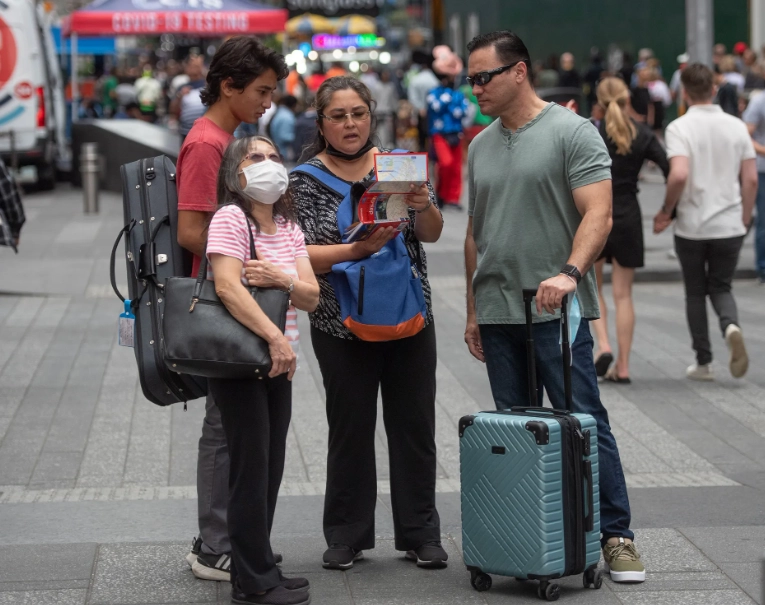
They can ask to see proof of funds – credit cards are usually sufficient. They might also ask about your return plans. It's rare, but they can search your vehicle. Just comply politely.
If everything is in order, they'll hand back your documents and say you're good to go. That's it. You're in Canada.
Travel Tips & Trip Planning
Okay, you're legally allowed in. Now, how do you make the trip great?
Choosing Your Border Crossing
Not all crossings are equal. The major ones like Peace Arch (I-5 in WA) or Ambassador Bridge (Detroit) are busy, especially on Friday afternoons and holiday weekends. Use the Canada Border Services Agency (CBSA) wait times website before you go. Sometimes driving an extra 30 minutes to a less popular crossing can save you two hours.
Consider crossing at off-peak times: early morning (6-8 AM) or later in the evening (after 8 PM).
Money & Phones
You're spending Canadian dollars (CAD). Your US credit card will work almost everywhere, but you'll get hit with a foreign transaction fee (usually 2-3%). Notify your bank you'll be traveling. Debit cards work at Canadian ATMs, but check the fees.
The biggest hidden cost? Mobile data roaming. Turn off cellular data roaming on your phone before you cross unless you have an international plan. Connect to Wi-Fi at hotels and cafes. If you need constant data, buying a local Canadian SIM card or using an eSIM for data is often cheaper than paying your US carrier's daily roaming fee of $10+.
Driving in Canada
Speed limits are in kilometers per hour (km/h). 100 km/h is about 62 mph. Distances are in kilometers. Gas ("petrol") is sold in liters. It looks cheaper per liter until you do the math (1 US gallon ≈ 3.78 liters).
Car insurance from most US providers is valid in Canada. Carry your proof of insurance. Seat belts are mandatory for all passengers.
Are There Any COVID-19 Restrictions Left?
As of this writing, there are no COVID-19 vaccination requirements, no pre-entry testing, and no use of the ArriveCAN app for travelers entering Canada.
The rules were fully lifted. You will not be asked for vaccination proof at the border. However, this is a fluid area. Before any trip, it's wise to do a quick check of the official Government of Canada travel advice page for the most current entry requirements. A five-minute check can save a major headache.
That said, some common sense still applies. If you're feeling sick, especially with a fever or cough, consider postponing. It's just courteous.
Your Cross-Border Travel FAQs
No, a US driver's license alone is not sufficient for entry into Canada by air. For air travel, you must have a valid US passport book. For land or sea entry (like driving or taking a ferry), a US passport book, passport card, or an Enhanced Driver's License (EDL) from a participating state are acceptable. An EDL is not a regular license; it's specifically designed for border crossings and has a RFID chip. Most travelers find a passport book is the most versatile option.
Expect direct questions about the purpose and logistics of your visit. Common ones include: 'What is the purpose of your visit?' (answer: tourism/pleasure), 'How long do you intend to stay?', 'Where will you be staying?' (have your first hotel/Airbnb address ready), and 'Do you have any firearms, tobacco, or alcohol in the vehicle?' Be prepared to show proof of funds (like credit cards) if asked. The key is to be concise, honest, and have your documents organized and easily accessible.
Yes, generally it's straightforward. For dogs and cats over 3 months old, you need a valid rabies vaccination certificate issued by a licensed veterinarian. The certificate must clearly identify the animal, the date of vaccination, and the vaccine product information. No quarantine is required for pets from the US meeting these requirements. However, some provinces and airlines have additional rules; for example, certain breeds may face restrictions. Always check the Canadian Food Inspection Agency website and your airline's policy well in advance.
Overstaying is a serious violation. You may be deemed 'out of status' and could face enforcement action, including removal from Canada and a potential ban on re-entering for one to five years. It can also complicate future applications for visas or entry into Canada and other countries. If you realize you need to stay longer, you must apply to extend your status as a visitor *before* your initial authorized stay expires. This is done online through Immigration, Refugees and Citizenship Canada (IRCC). Don't wait until the last day.
Crossing into Canada is simple when you're prepared. Get the right documents, know what to expect at the border, plan for the practicalities like money and phones, and you're set for an amazing trip. The mountains, cities, and coastlines are waiting. Just don't forget that passport.


Comments
Join the discussion