Let's cut to the chase. If you're staring at a map of Southeast Asia, wondering if you should add Malaysia to your list, the short answer is a resounding yes. But like any destination, it's not a universal fit. I've lost count of my trips there, from getting lost in Kuala Lumpur's back alleys to watching sea turtles hatch in Borneo. Malaysia delivers a punch of culture, nature, and food that's hard to match, all at a price that won't break the bank. But it also has its quirks and challenges. This isn't a sugar-coated list of attractions; it's a real look at what makes Malaysia tick for a tourist.
What's Inside This Guide
The Good Stuff: Why Malaysia Shines
Malaysia's magic lies in its seamless blend. You can have a cosmopolitan coffee in the morning and be trekking through a 130-million-year-old rainforest by afternoon.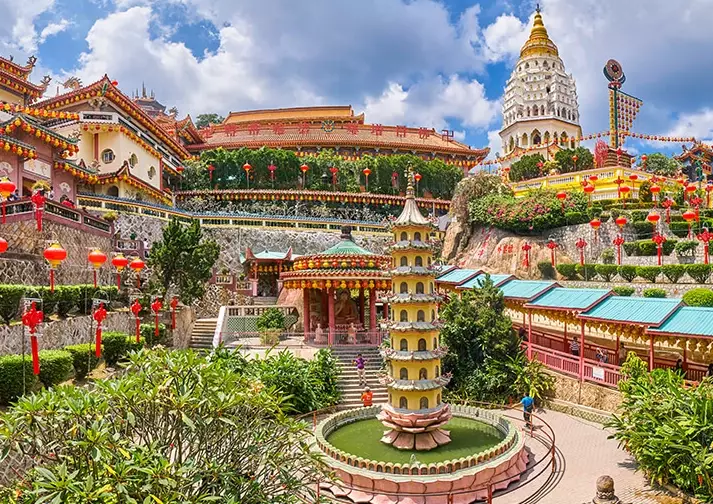
1. Unbeatable Cultural Fusion
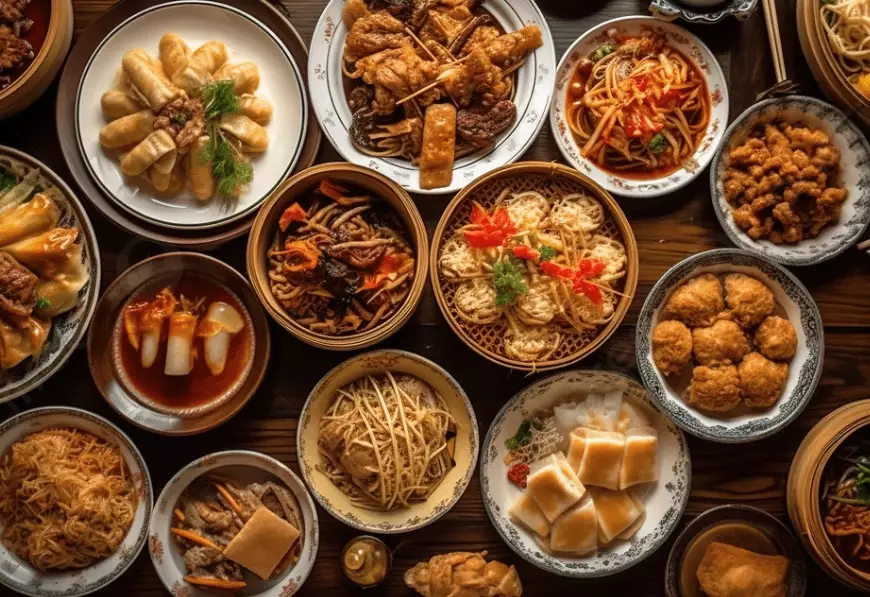
This isn't just a marketing line. Walk down a street in Penang or Kuala Lumpur and you'll pass a Chinese temple, an Indian mosque, and a colonial-era shophouse within blocks. This fusion is lived daily. The food is the best proof—where else can you have Malay Nasi Lemak for breakfast, Chinese Hokkien Mee for lunch, and Indian Banana Leaf Rice for dinner, all authentically prepared by the respective communities? Festivals like Hari Raya, Chinese New Year, and Deepavali are national events, celebrated by everyone.
2. Food Paradise on a Budget
Forget fancy restaurants. The soul of Malaysian food is in the hawker centers and kopitiams (coffee shops).
Must-Try & Where:
- Char Kway Teow: Smoky stir-fried rice noodles. Try it at Siam Road Char Koay Teow in Penang (opens around 3 PM, sells out fast).
- Nasi Kandar: Steamed rice with a choice of curries. Line Clear in Penang (24 hours) is an institution.
- Satay: Grilled meat skewers with peanut sauce. Kajang Satay in Selangor is famous, but any night market has good versions.
A filling, incredible meal rarely costs over $5 USD. It's democratic, delicious dining.
3. Nature for Every Taste
From the mainland to Borneo, the variety is staggering.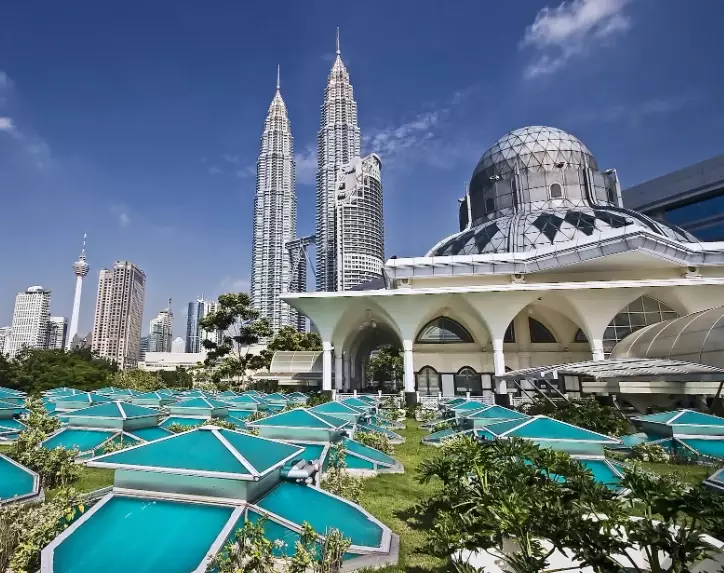
| Region | Experience | Key Spot & Notes |
|---|---|---|
| Peninsular West Coast | Highland retreats, island beaches | Cameron Highlands: Tea plantations, cool weather. Stay in Tanah Rata. Langkawi: Duty-free island, great for renting a car and self-exploring. |
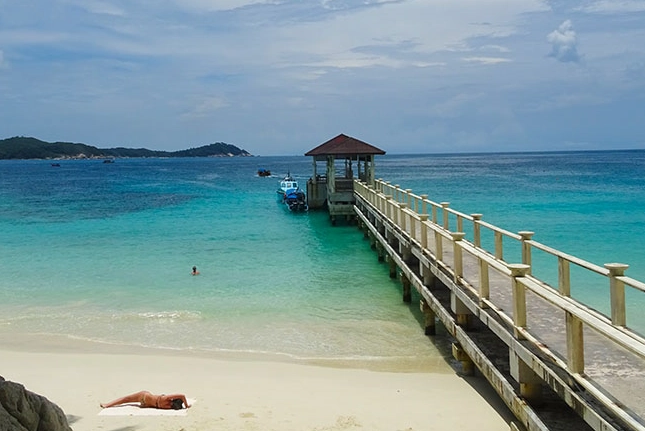
| Peninsular East Coast | Pristine beaches, traditional culture | Perhentian Islands: Crystal water, snorkeling. Accessible March-Oct. Stay on Perhentian Kecil for budget, Besar for resorts. |
| Borneo (Sabah/Sarawak) | Wildlife, jungle, indigenous culture | Sepilok Orangutan Sanctuary: Near Sandakan. Visit at feeding times (10 AM & 3 PM). Kinabalu Park: Base for trekking Mt. Kinabalu (permits needed). Mulu Caves: A UNESCO site, requires flight to Mulu. |
The Other Side: Challenges & Who Might Skip It
It's not all perfect. Being honest helps you decide.
The urban sprawl and traffic in KL can be draining. Public transport is good in the city center, but connecting to outer suburbs often requires rideshaits like Grab. Some find the development a bit harsh—glass towers next to historic shophouses.
Beware the "tourist bubble" in places like Langkawi's Pantai Cenang or parts of Kuala Lumpur. It can feel generic. Venture a few streets back to find the real pulse.
Who might want to think twice? If your dream Southeast Asia trip is only about pristine, empty Thai-style beaches, Malaysia's east coast islands have a short season and can get busy. If you seek the chaotic, backpacker-heavy party scene of full moon parties, Malaysia is generally more subdued. It's a destination for culture grazers, food lovers, and nature enthusiasts more than pure hedonists.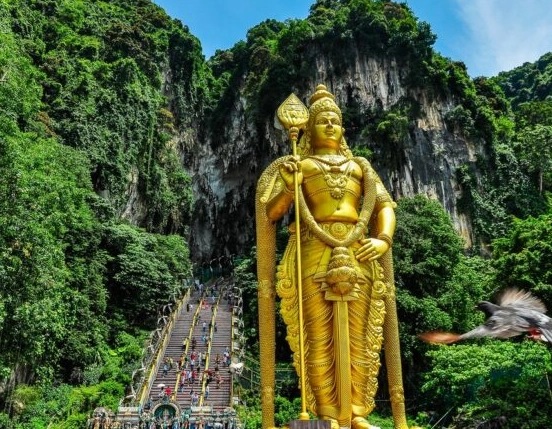
A Common Mistake: Trying to cram both Peninsular Malaysia and Borneo into a 10-day trip. The flight between them (KL to Kota Kinabalu) eats half a day. You'll do neither justice. Pick one region and explore it properly.
Where to Go: Picking Your Malaysian Adventure
First-Timer's Cultural Triangle (7-10 days)
Kuala Lumpur (2-3 days): See the Petronas Towers (go up to the bridge for the view, not necessarily the top), explore the Batu Caves (go early to avoid heat and crowds), and eat at Jalan Alor night market. Stay in Bukit Bintang for convenience or Bangsar for more local vibe.
Melaka (1-2 days): A living museum. Wander the red-painted Dutch Square, cruise the river, and hunt for antiques on Jonker Street. Don't miss the weekend night market. It's a 2-hour bus from KL.
Penang (George Town) (3-4 days): The food and street art capital. Rent a bicycle, hunt for murals, and eat at every hawker stall you see. Clan jetties and Kek Lok Si Temple are musts. A 4-5 hour bus from KL or a short flight.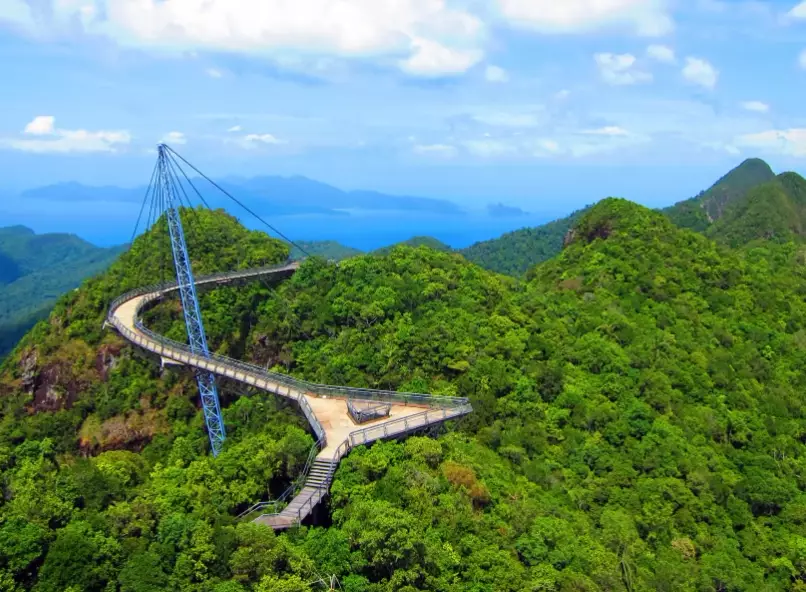
Practicalities: Cost, Food & Getting Around
How Much Does It Cost?
Malaysia is mid-range for Southeast Asia—cheaper than Singapore, more developed than Indonesia. Your money goes far.
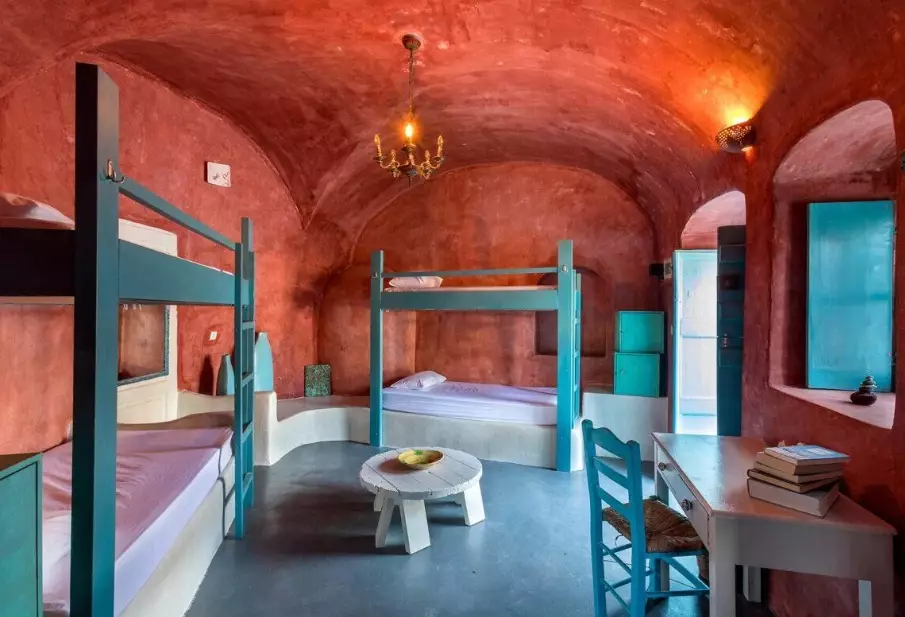
- Budget: $30-50 USD/day. Hostel dorm ($8-15), street food, buses.
- Mid-Range: $70-120 USD/day. Private room in a nice guesthouse or 3-star hotel ($30-60), mix of hawker and sit-down meals, Grab taxis, entrance fees.
- Luxury: $200+ USD/day. 5-star resorts, fine dining, private tours.
Getting Around is Straightforward
Between Cities: Buses are comfortable, cheap, and reliable. Companies like Aeroline (luxury) or Konsortium are good. Trains are slower but scenic on the east coast line. For speed, domestic flights on AirAsia or Malaysia Airlines are very affordable if booked ahead.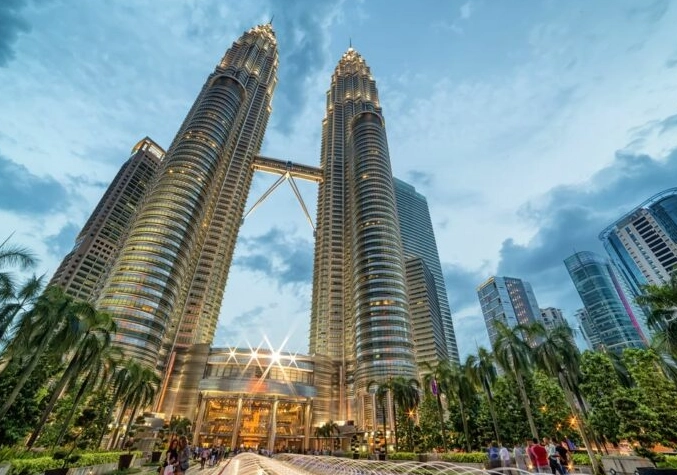
Within Cities: In KL, the MRT and LRT trains are excellent. Everywhere else, Grab (Southeast Asia's Uber) is indispensable, cheap, and safe.
A Sample 5-Day Itinerary for the Time-Pressed
This focuses on the classic highlights for a first visit.
Day 1-2: Kuala Lumpur. Land, settle. Day 1: Petronas Towers (book tickets online), walk to KLCC Park, dinner at Jalan Alor. Day 2: Morning at Batu Caves, afternoon in the Islamic Arts Museum (underrated gem), evening street food tour in Chow Kit or Kampung Baru.
Day 3: Melaka Day Trip. Early bus from KL. Explore the historic center on foot, river cruise, visit the Stadthuys. Sample Nyonya laksa and chicken rice balls. Take an evening bus back to KL.
Day 4-5: Penang. Morning flight to Penang (45 mins). Check into a heritage hotel in George Town. Spend 1.5 days eating (start with Lebuh Kimberley hawker stalls), hunting street art, visiting the Blue Mansion, and watching sunset from the Top of Penang. Fly out from Penang International Airport.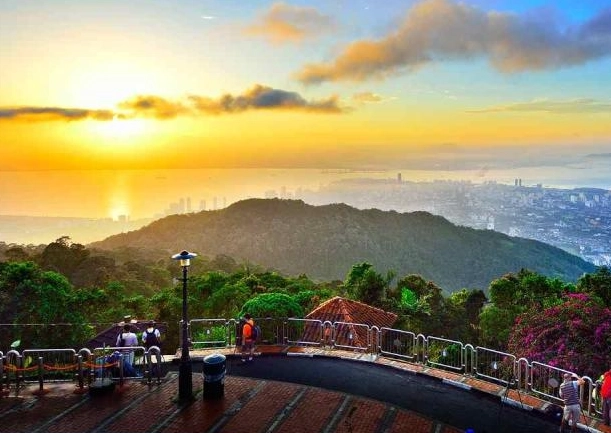
Your Malaysia Travel Questions Answered
Is Malaysia safe for solo and family travelers?
Generally, very safe. Violent crime against tourists is rare. Petty crime like bag-snatching can occur in crowded areas like KL's Bukit Bintang, so keep valuables secure. For families, it's fantastic—infrastructure is good, English is widely spoken, and food options please all ages. Solo travelers, including women, should take standard precautions like avoiding poorly lit, isolated areas late at night. Scams are less common than in some neighboring countries, but always be cautious with unsolicited tour offers.
What is the best time of year to visit?
It depends on the coast. The west coast (KL, Penang, Langkawi) is year-round, though Nov-Feb can have brief thunderstorms. The east coast (Perhentian, Tioman Islands) has a distinct monsoon from Nov-March where many resorts close and boat access stops. For a cross-coast trip, aim for April-May or September-October for generally drier weather. Borneo's east coast (Sipadan) has similar monsoon patterns to the peninsula's east coast.
Do I need a visa for Malaysia?
Citizens of the US, UK, Canada, Australia, EU, and many other countries do not need a visa for tourist stays of up to 90 days. Your passport must be valid for at least six months beyond your date of entry. Always check the latest requirements with the official Malaysian Immigration Department or your embassy before travel, as rules can change.
Is English widely spoken?
Yes, especially in tourist areas, cities, and within the business community. It's a compulsory subject in schools. You'll have no trouble in hotels, restaurants, and attractions. In rural areas, you might encounter limited English, but basic phrases and gestures work. Learning a few words like "terima kasih" (thank you) is always appreciated.
So, is Malaysia worth visiting? If you want a travel experience that feeds all your senses without emptying your wallet, that offers modern comfort alongside raw nature and deep culture, then absolutely. It's a destination that rewards the curious traveler. Skip the rushed checklist. Pick a region, dive into the food, talk to the locals, and let Malaysia's layered charm reveal itself. You'll likely start planning your return before you've even left.

Comments
Join the discussion