Quick Navigation
- What Makes a City "Walkable" Anyway?
- The Walkability Champions: Melbourne's CBD and Inner Suburbs
- The Other Side of the Coin: Where Melbourne's Walkability Falls Short
- A Data-Driven Look: Walk Score and Neighborhood Comparisons
- Beyond A to B: The Cultural and Economic Side of Walking in Melbourne
- Answering Your Burning Questions (The FAQ)
- The Verdict: So, Is Melbourne a Walkable City?
So, you're planning a trip to Melbourne, or maybe you're thinking of moving here, and that question pops into your head: is Melbourne a walkable city? It's a fair question. Everyone's definition of "walkable" is a bit different. For some, it's about being able to grab a coffee and a croissant without getting in a car. For others, it's about safely walking home from a tram stop at night, or exploring an entire neighborhood in an afternoon without your feet screaming at you.
I've lived here for years, and my main mode of transport for daily errands, exploring, and just clearing my head has been my own two feet. I've logged countless kilometers on Melbourne's pavements, laneways, and trails. So, I'm going to give you the real, unfiltered take on Melbourne's walkability – the brilliant bits, the annoying bits, and everything in between. This isn't some generic travel brochure spiel; it's based on actually doing it, day in and day out.
Let's cut to the chase. The short answer is a qualified yes. But, and it's a big but, it heavily depends on where you are and what you want to do. Asking "is Melbourne walkable?" is like asking if a blanket is warm. It depends on the material, the size, and the weather outside. Melbourne's walkability is incredibly patchwork.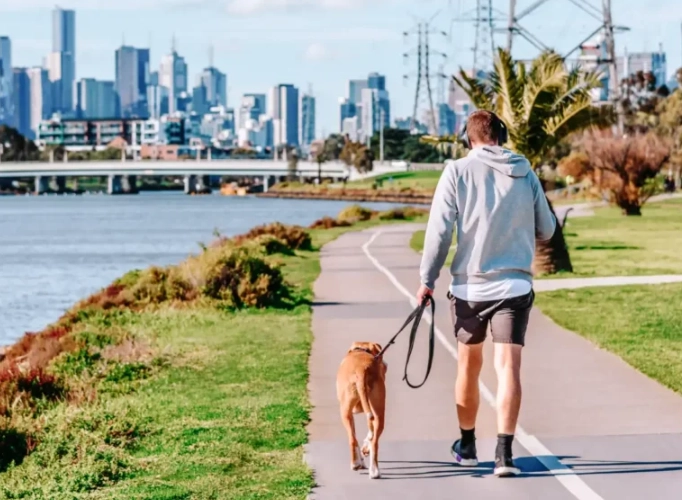
The Core Truth: Melbourne's Central Business District (CBD) and its immediate ring of inner suburbs (think Fitzroy, Carlton, Southbank, South Melbourne, parts of Richmond) are fantastically walkable, often ranking highly on global livability indexes for this reason. Venture further out into the middle and outer suburbs, and the story changes dramatically. The car becomes king, and pedestrian infrastructure can feel like an afterthought.
What Makes a City "Walkable" Anyway?
Before we dive into the nitty-gritty, let's set the scene. When I judge walkability, I'm looking at a mix of things:
- Footpaths (Pavements): Are they wide, continuous, and well-maintained? Or are they cracked, narrow, and constantly interrupted by driveways?
- Street Connectivity: Can you take a direct route, or are you forced onto huge, car-dominated arterial roads? The famous Melbourne grid in the city is a walker's dream for this.
- Safety: This means safe from traffic (good crossings, traffic calming) and safe from crime (well-lit, active streets).
- Things to Walk To (Proximity): This is the big one. Are there shops, cafes, parks, schools, and services within a comfortable walking distance (say, 10-15 minutes) from homes? This is often called the "20-minute neighborhood" concept, something the Victorian government actively promotes.
- Enjoyment: Is it a pleasant experience? Are there trees for shade, interesting things to look at, and a sense of human scale?
Melbourne gets top marks on some of these in specific areas and fails miserably on others elsewhere.
The Walkability Champions: Melbourne's CBD and Inner Suburbs
Let's start with the good news, because it's really good. If your experience of Melbourne is confined to the postcode 3000 and its trendy neighbors, you'll likely leave thinking it's one of the most walkable cities on earth.
The CBD is almost perfectly designed for walking. The Hoddle Grid layout means it's hard to get truly lost. Major attractions like Federation Square, the State Library, Queen Victoria Market, and the waterfront at Southbank are all within a 25-30 minute stroll of each other. You can spend a whole weekend here without touching public transport.
But the real magic happens in the inner suburbs. Take a walk through Fitzroy along Brunswick Street or Gertrude Street. You'll pass independent bookshops, vintage stores, award-winning restaurants, tiny hole-in-the-wall bars, and street art galore—all within a few blocks. The same vibe exists in Carlton (Lygon Street), Prahran (Chapel Street), and St Kilda (Acland Street & The Esplanade). These areas grew organically before the car was dominant, with mixed-use streetscapes that naturally encourage walking.
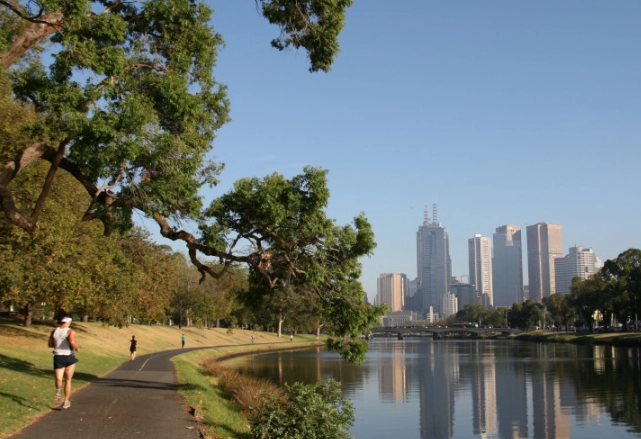
The network of parks and trails is another huge plus. The Capital City Trail, a 30km loop that circles the inner city, is a brilliant asset for walkers and cyclists alike. You can walk from the CBD to the Melbourne Zoo through Royal Park, or all the way to Docklands along the Yarra River. These connected green spaces are a game-changer.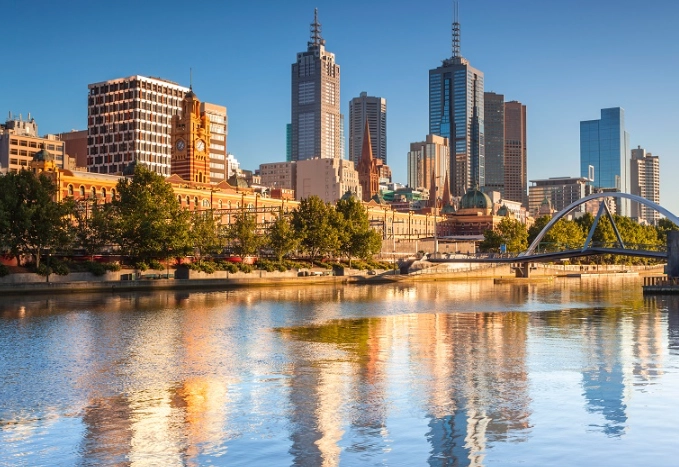
The Infrastructure: Pedestrian Crossings and the Famous Hook Turns
Melbourne pedestrians are generally well-catered for in the inner city. You'll find:
- Pelican Crossings (Pedestrian Light Controlled): Ubiquitous. Just press the button and wait (sometimes a frustratingly long time).
- Scramble Crossings: At super busy intersections like the one near Flinders Street Station, all traffic stops and pedestrians can cross in every direction, even diagonally. It's brilliant.
- Tram Superstops: These raised platforms make getting on and off trams seamless and safe, level with the tram floor.
And then there's the hook turn. Look, as a pedestrian, you just need to know about it so you don't get confused. In the CBD, to avoid blocking tram lines, cars turning right must wait on the left side of the intersection. It looks weird but works. Just be aware that a car sitting in the left lane might suddenly surge forward to turn right when the light changes.
The Other Side of the Coin: Where Melbourne's Walkability Falls Short
Okay, time for some real talk. To pretend Melbourne is a walking utopia is dishonest. The experience outside the inner 10km radius is often completely different.
Many middle and outer suburbs were designed in the post-war car boom. They feature cul-de-sacs, winding streets that don't connect, and a strict separation of residential zones from shopping and business hubs. This creates "spaghetti suburb" layouts where the driving distance might be short, but the walking route is long, illogical, and often unpleasant alongside high-speed roads.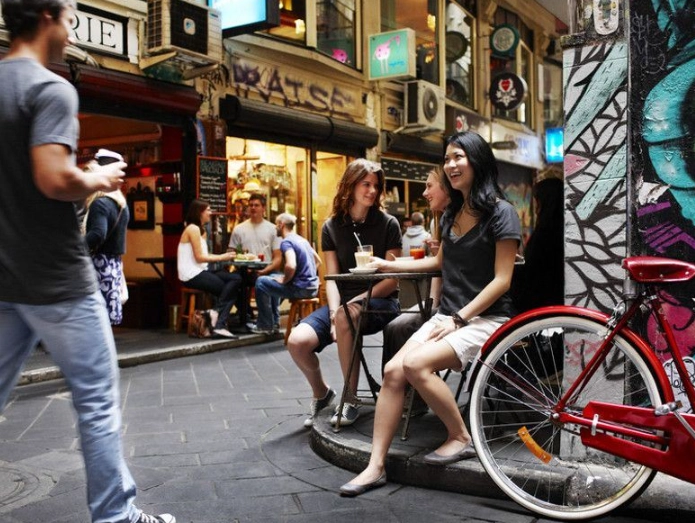
The Walking Scorecard: Pros vs. Cons
The Good (Mostly Inner City):
- Grid Layout & Laneways: Easy navigation and endless hidden gems.
- High Density of Amenities: Everything you need is close by.
- Excellent Public Transport Integration: You can walk to a tram, train, or bus easily, creating a "walk-plus" lifestyle.
- Vibrant Street Life: Cafes with footpath seating make walking a social activity.
- Major Attractions Clustered: Easy to tick off tourist spots on foot.
The Not-So-Good (Especially Further Out):
- Urban Sprawl: Vast distances between destinations in outer suburbs.
- Car-Centric Design: Wide roads, infrequent crossings, long waits at lights.
- Poor Footpath Maintenance: Can be uneven, narrow, or non-existent in some older suburban pockets.
- Weather Extremes: "Four seasons in a day" is no joke. A sunny walk can turn into a windy, rainy trudge quickly. Always have a layer!
- Safety at Night: While generally safe, some poorly lit park paths or deserted suburban streets can feel uncomfortable after dark.
I have friends in some eastern and western suburbs whose nearest cafe is a 40-minute walk away along a busy, noisy main road with no continuous footpath. For them, the question "is Melbourne a walkable city?" would be met with a laugh. Their reality is driving to a shopping mall.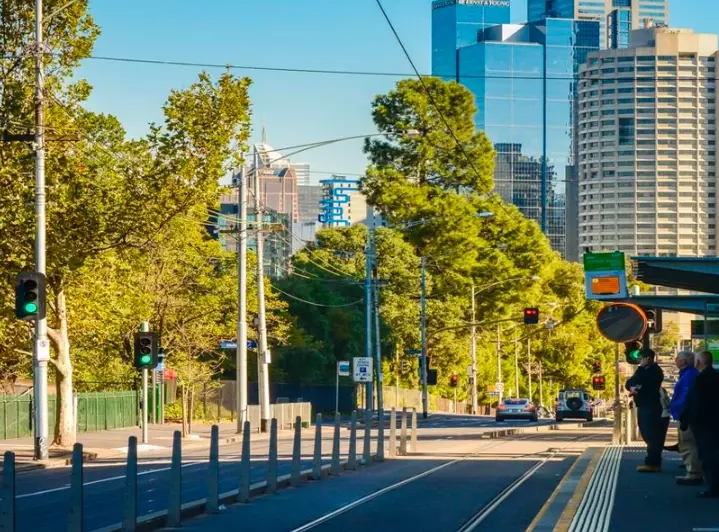
A Data-Driven Look: Walk Score and Neighborhood Comparisons
Let's bring in some numbers. Sites like Walkscore.com attempt to quantify walkability. While not perfect, they give a decent snapshot. Melbourne's overall city-wide score is decent, but the devil is in the suburb-by-suburb details. Here’s how some key areas stack up conceptually:
| Area/Suburb | Walkability Vibe | Key Walking Features | Best For... |
|---|---|---|---|
| Melbourne CBD | Excellent / Walker's Paradise | Grid layout, scramble crossings, everything within 30 mins, covered arcades. | Tourists, workers, urban explorers. You can truly live here car-free. |
| Fitzroy / Carlton | Excellent | High-density mixed-use streets, vibrant life, connected to parks & trails. | Foodies, culture seekers, students. Errands are all on foot. |
| Southbank & Docklands | Very Good | Modern, wide promenades along the river, direct bridges to CBD. | Leisurely scenic strolls, accessing CBD from south. |
| St Kilda | Very Good | Beachfront promenade, main street shopping, tram hub. | Beach walks, day-trippers, combining walk with tram. |
| Middle Suburbs (e.g., Box Hill, Footscray centers) | Good (in the center only) | Strong activity centers around train stations with shops/markets. | Living near the station hub. Walkability drops sharply a few blocks out. |
| Outer Suburbs (e.g., Clyde North, Caroline Springs) | Poor to Fair | Often reliant on large, centralized shopping malls, disconnected streets. | Driving to a park for a walk. Daily errands on foot are very difficult. |
This table shows the stark contrast. Your postcode is your destiny when it comes to walking in Melbourne.
Beyond A to B: The Cultural and Economic Side of Walking in Melbourne
Walkability isn't just about infrastructure; it's about culture. Melbourne has a strong café and street art culture that is intrinsically linked to walking. You discover the best coffee by wandering down a laneway you've never noticed before. You stumble upon a breathtaking mural around a corner. The city's official Walking Plan acknowledges this, aiming to make walking "the natural choice for short trips."
There's also an economic argument. Walkable neighborhoods support local businesses. People on foot are more likely to pop into a small shop than people zooming by in cars. This is why the bustling, walkable strips of Brunswick Street or Sydney Road in Brunswick are economic powerhouses for small business.
But is this culture universal? Not really. In the outer suburbs, the cultural norm is still very much car-based. The local shopping strip might be struggling while the mega-mall with vast car parks thrives.
Answering Your Burning Questions (The FAQ)
The Verdict: So, Is Melbourne a Walkable City?
After all this, what's the final call? It's not a simple yes or no.
If you define a walkable city as one where you can live a full, rich life without needing a car for daily tasks, then parts of Melbourne are among the most walkable in the world. The CBD and inner-ring suburbs are a testament to how wonderful urban living can be when designed at a human scale.
However, if you define a walkable city as one where this experience is consistent and accessible to the majority of its residents, regardless of postcode, then Melbourne has a long, long way to go. The car-dependent sprawl of its outer suburbs presents a huge challenge. The Victorian government's "20-minute neighborhood" policy is a direct attempt to fix this, but retrofitting decades of car-centric design is slow and expensive work.
For a visitor, the answer is a resounding yes. Pack good shoes, a rain jacket, and a sense of curiosity. You will have an amazing time exploring Melbourne on foot.
For a prospective resident, the answer is: choose your location with extreme care. Your daily quality of life will be dramatically different if you pick a walkable inner suburb versus a car-dependent outer one. Do your research, visit the area, and try running your weekend errands on foot. You'll feel the difference immediately.
Ultimately, Melbourne offers a world-class walking experience in its historic core. But step outside that golden circle, and the pavement, quite literally, runs out. The question of whether Melbourne is a walkable city is entirely dependent on which Melbourne you're talking about.




Comments
Join the discussion