Your Quick Guide
- Why Australia Should Be Your Next Destination
- When to Go: Decoding Australia's Seasons
- Iconic Sights & Hidden Gems: What to See and Do
- Crafting Your Perfect Australia Travel Itinerary
- The Budget Reality: What Does a Trip to Australia Cost?
- Practical Tips for a Smooth Australian Adventure
- Australia Tourism: Your Questions Answered
Let's be honest. Thinking about Australia tourism can feel a bit overwhelming at first. It's a massive country, roughly the same size as mainland USA, but with a population mostly clinging to the edges. You've got the iconic stuff—the Sydney Opera House, Uluru, kangaroos—but then there's a whole world of other things whispering for your attention. Wine regions that rival France, beaches that go on forever, rainforests that feel prehistoric, and cities with a laid-back vibe that's hard to find anywhere else.
I remember my first trip. I landed with a checklist a mile long and quickly realized I needed a different approach. You can't "do" Australia in a week. It's about choosing your own adventure. This guide isn't going to just list places. It's going to try and give you the feel of the place, the practical nuts and bolts, and hopefully help you stitch together an Australia travel itinerary that actually makes sense and doesn't leave you exhausted.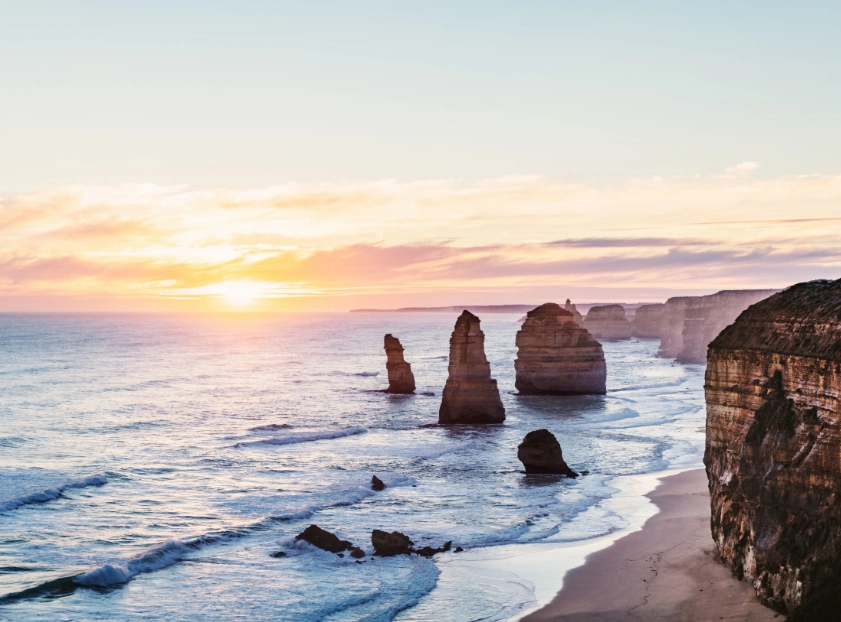
Why Australia Should Be Your Next Destination
It's not just about the postcard shots. Sure, they're incredible. Standing in front of the Opera House for the first time does give you a buzz. But Australia's magic is in the blend. Where else can you dive on the world's largest coral reef one week and hike through ancient, spiritual desert landscapes the next? You can be sipping a world-class Chardonnay in a Barossa Valley vineyard in the morning and spotting wild penguins waddling ashore at dusk on Phillip Island.
The wildlife is genuinely unique. It's one thing to see a kangaroo in a zoo, another to see a mob of them grazing peacefully at a golf course at sunset (true story, happened in Anglesea). The cities are clean, safe, and surprisingly easy to navigate. But the real draw for me, and for many who dive into Australia tourism, is the space and the light. The skies feel bigger. The air is clear. There's a sense of possibility around every corner.
But it's not all perfection. It's expensive. Flights from most places are long. The distances between major attractions are huge, so internal flights are often a necessary and costly part of the budget. Some people find the cities a bit too quiet after 9 pm compared to Asian or European hubs. Yet, for the right traveler, these are just trade-offs for an experience that's hard to replicate.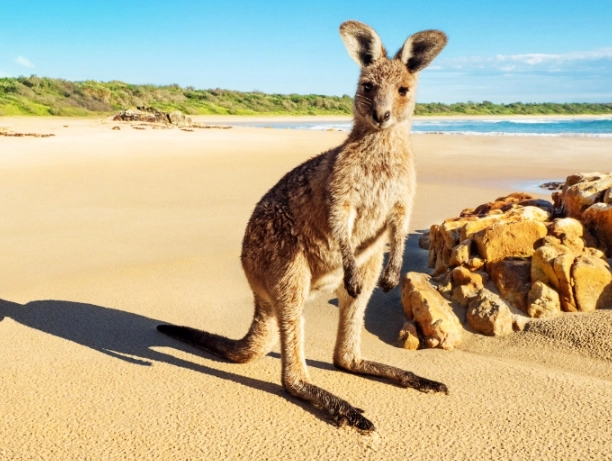
When to Go: Decoding Australia's Seasons
This is probably the most common question after "where." Getting the timing wrong can mean missing out or, worse, dealing with unpleasant conditions. Remember, the seasons are flipped from the Northern Hemisphere.
Key Insight: There's no single "best" time for Australia tourism. The "best" time depends entirely on what you want to do and which regions you're visiting. The tropical north has a wet and dry season, while the south has four distinct seasons.
Here's a quick regional breakdown that might help more than just listing months:
- The Top End & Tropical Queensland (e.g., Cairns, Darwin, Daintree): You want the Dry Season (May to October). This is prime time. The weather is sunny, humidity is lower, and most roads and national parks are accessible. The Wet Season (Nov to April) brings monsoonal rains, high humidity, stingers (jellyfish) in the ocean, and some attractions may close. I made the mistake of going to Cairns in February once—the rainforest was phenomenally lush, but the heat and humidity were oppressive, and swimming in the ocean was a no-go.
- The Southern States (e.g., Sydney, Melbourne, Adelaide, Perth): These are more temperate. Summer (Dec-Feb) is fantastic for beaches but busy and pricey. Spring (Sep-Nov) and Autumn (Mar-May) are golden. Mild temperatures, fewer crowds, and beautiful scenery (think autumn leaves in Victoria's Macedon Ranges). Winter (Jun-Aug) can be chilly, especially in Melbourne, but it's perfect for cozying up in wine valleys or enjoying city culture without the queues.
- The Red Centre (Uluru): Avoid the scorching summer heat (Dec-Feb). Winter (Jun-Aug) days are pleasant, but nights can be freezing. The shoulder months of April-May and September-October are ideal, with warm days and cool nights.
| Season | Months | Best For | Watch Out For |
|---|---|---|---|
| Summer | Dec - Feb | Beach holidays in Sydney, Melbourne, Perth; Festivals; Great Ocean Road. | Peak crowds & prices; Very hot in the centre & north; School holidays. |
| Autumn | Mar - May | Wine regions (harvest); Pleasant city sightseeing; Hiking in Tasmania. | Weather can start to cool rapidly in May. |
| Winter | Jun - Aug | Snorkeling/Diving in Nth QLD (stinger-free); Skiing in the Alps; Red Centre trips. | Cold, rainy days in southern cities; Very cold nights in the desert. |
| Spring | Sep - Nov | Wildflowers in WA; Whale watching; Perfect hiking weather almost everywhere. | "Spring" storms can pop up; Water still cool for swimming in south. |
For official, hyper-local weather forecasts and warnings, always check the Bureau of Meteorology (BOM) website. It's the authoritative source and far more reliable than general weather apps for Australia.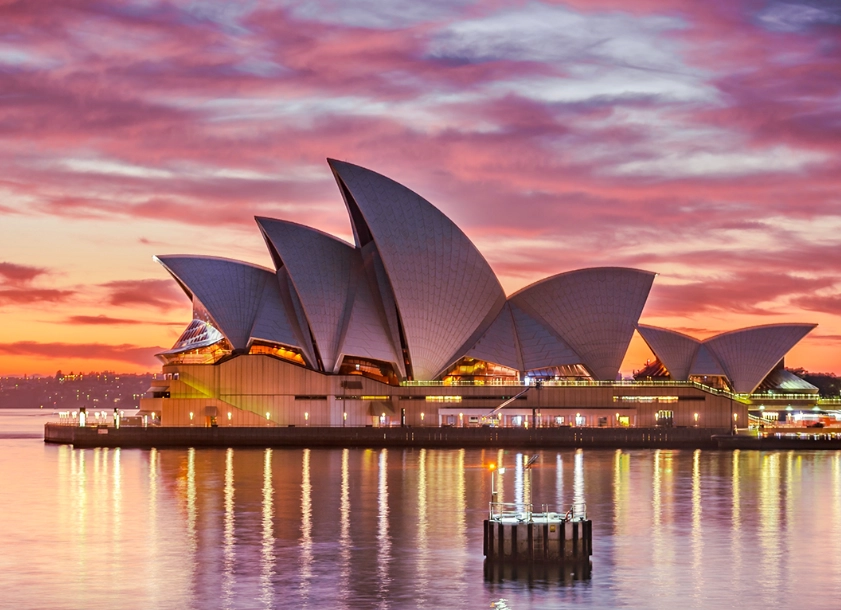
Iconic Sights & Hidden Gems: What to See and Do
Your Australia tourism bucket list will likely start with the big names. And you should see them! But let's add some depth and a few alternatives.
The Non-Negotiables (The Postcard Stuff)
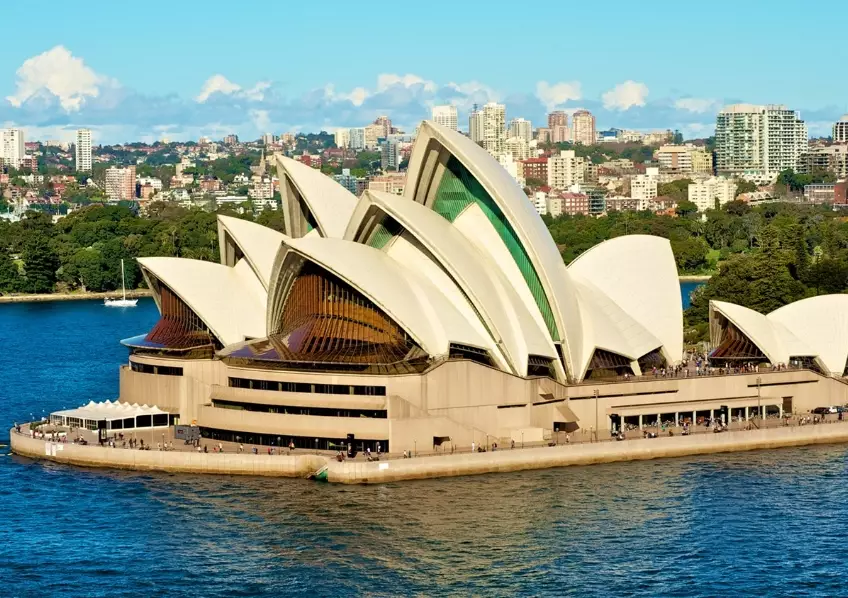
- Sydney Opera House & Harbour: It's as stunning as the pictures. Do more than just snap a photo. Book a tour to go inside—the architecture story is fascinating. Or, have a drink at the Opera Bar as the sun sets. The vibe is unbeatable.
- Great Barrier Reef: It's under pressure, but still breathtaking. From Cairns or Port Douglas, choose a smaller, eco-certified operator for a better experience. Consider the less-visited southern reef sections from Airlie Beach or even Lady Elliot Island for fewer crowds. The official tourism page is a great starting point for planning.
- Uluru-Kata Tjuta National Park: More than a rock. It's a profound cultural experience. Respect the requests of the Anangu Traditional Owners—don't climb it. The base walk is the way to go. The changing colors at sunrise and sunset are worth the early wake-up call.
The "Why Didn't I Know About This?" List
This is where your trip gets special.
- Kangaroo Island, South Australia: After bushfires in 2020, it's regenerating beautifully. It's a wildlife sanctuary—seals, koalas, birds, and yes, kangaroos, all in stunning coastal scenery. Feels a world away.
- The Ningaloo Reef, Western Australia: The Great Barrier Reef's less famous cousin, but with a killer feature: you can swim with whale sharks (Apr-Jul) right from the beach in some spots. Coral Bay and Exmouth are the gateways. It's remote, which keeps the crowds down.
- Maria Island, Tasmania:
No cars. No shops. Just history, hiking, and wildlife so tame it's surreal. You'll have wombats and kangaroos grazing around your feet. It's a day trip or overnight stay from Triabunna. Pure, unadulterated Tasmania.
Local's Tip: When researching Australia tourism, don't just search "best places." Try searches like "hidden gems near [Sydney/Melbourne/etc]" or "off-the-beaten-path [Queensland/Western Australia]." You'll find blogs and forums pointing you to places like the dramatic sea cliffs of the Great Ocean Road's Bay of Islands (past the Twelve Apostles) or the charming historic villages of the Southern Highlands near Sydney.
Crafting Your Perfect Australia Travel Itinerary
This is the puzzle. You have limited time and a huge country. The biggest mistake is trying to cram in Sydney, the Reef, Uluru, and Melbourne in 10 days. You'll spend half your trip in airports. My advice? Go deep, not wide.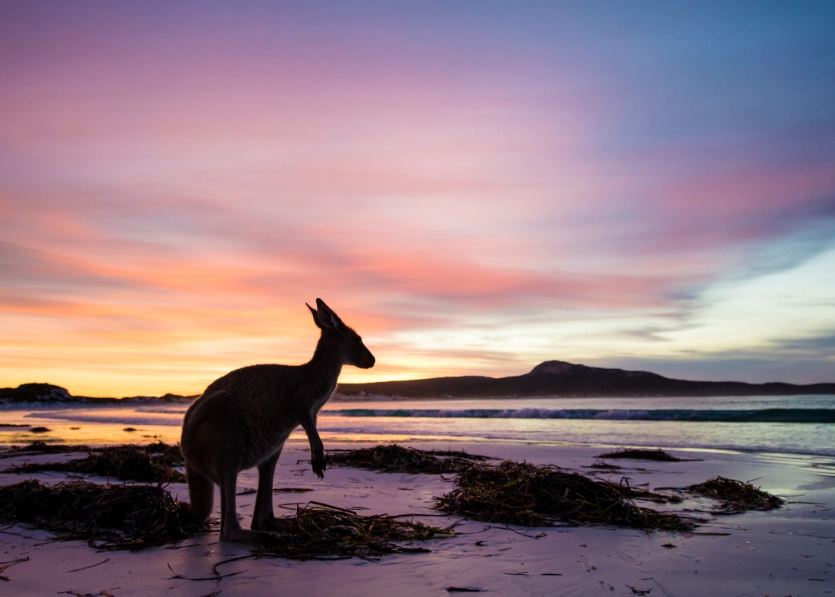
Sample Itinerary Ideas
The Classic First-Timer (2-3 weeks): Sydney (4 days) → Fly to Cairns (4-5 days for GBR & Daintree) → Fly to Ayers Rock (3 days for Uluru) → Fly to Melbourne (4-5 days with a day trip to Phillip Island or the Great Ocean Road). This hits the major icons but involves four domestic flights.
The East Coast Adventure (3-4 weeks): The classic backpacker route, but great for anyone. Start in Cairns, work your way down via Whitsundays sailing, Fraser Island (K'gari), Brisbane, Byron Bay, and finish in Sydney. You can do this by bus, train, or campervan. It's a journey.
The Southern Food & Wine Loop (2 weeks): Melbourne (3 days) → Drive Great Ocean Road (2 days) → Continue to Adelaide (2 days) → Barossa/Clare Valleys (2 days) → McLaren Vale (1 day) → Fly to Tasmania (Hobart & nearby regions for 4 days). Indulgent and scenic.
The Vast West (3+ weeks): For the truly adventurous. Perth & Rottnest Island (4 days) → South to Margaret River region (3 days) → North to the Coral Coast (Monkey Mia, Kalbarri, Ningaloo) (7-10 days). This requires a lot of driving but offers incredible isolation and beauty.
What does a realistic two-week Australia travel itinerary cost? Let's break it down. These are per person, mid-range estimates.
| Category | Budget Traveler | Comfort Traveler | Luxury Traveler |
|---|---|---|---|
| Accommodation (per night) | |||
| Hostel dorm: $30-$45 Basic cabin/campground: $60-$100 | Motel/3-4* hotel: $120-$220 Airbnb apartment: $150-$250 | 5* hotel/luxury lodge: $350+ High-end Airbnb: $300+ | |
| Food & Drink (per day) | |||
| Self-catering, occasional cafe: $40-$60 | Cafe breakfast, casual lunch, nice dinner: $80-$120 | Fine dining, premium drinks: $150+ | |
| Activities & Tours (examples) | |||
| Free beaches/hikes, occasional tour: $50/day avg | Key paid tours (Reef trip, Uluru pass): $100-$150/day avg | Private tours, helicopter flights: $250+/day avg | |
| Transport | |||
| Buses, some budget flights: Varies widely | 3-4 domestic flights: $600-$1000 total Rental car: $70-$100/day | Business class flights, premium car hire | |
So, for a comfortable two-week trip for one person, excluding international flights, you're realistically looking at around $3,500 - $5,500 AUD. It's not a cheap destination, but smart planning can stretch your dollar.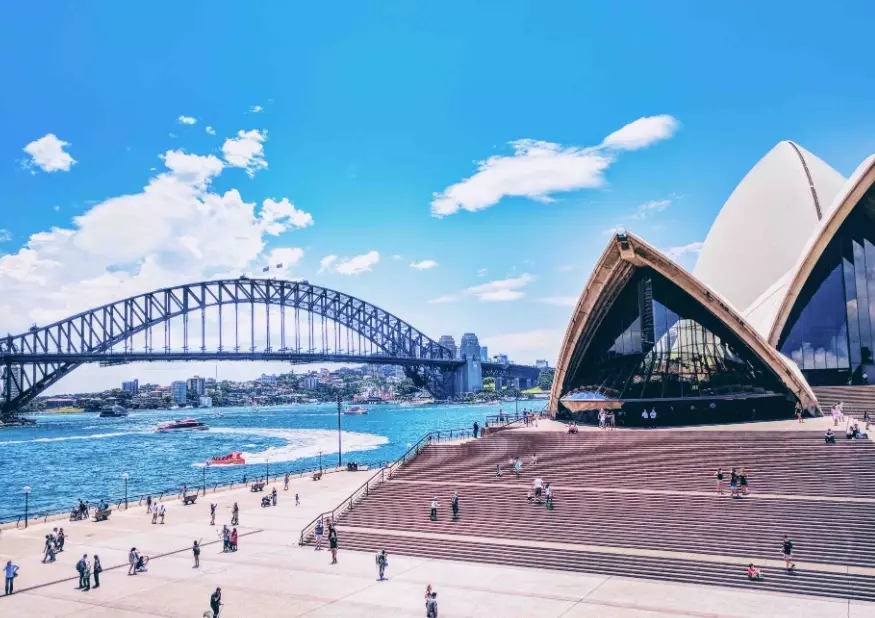
The Budget Reality: What Does a Trip to Australia Cost?
Let's talk money. Australia is expensive. There's no sugar-coating it. A basic coffee is $5. A pub meal is $25-$30. A decent hotel room in a city is rarely under $150. But you can manage it.
Ways to save without sacrificing the experience:
- Travel in the shoulder seasons. Flights and accommodation are cheaper.
- Cook some meals. Even if your room has just a kettle and microwave, you can do breakfasts and simple lunches. Australian supermarkets (Coles, Woolworths, Aldi) have great pre-made salads and meals.
- Use public transport in cities. It's excellent in Sydney, Melbourne, Brisbane, and Perth. Get a rechargeable Opal (Sydney), Myki (Melbourne), or Go Card (Brisbane).
- Look for free activities. Beaches, national park walks (may have a small vehicle entry fee), city museums and galleries (many have free general entry), botanic gardens, and hiking trails are all fantastic and free.
- Book domestic flights early. Airlines like Qantas, Virgin Australia, and Jetstar have sales. Jetstar is the budget option, but read the fine print on baggage.
But really, budget for it. Knowing it's pricey upfront prevents the sticker shock. Think of it as paying for the clean environment, good infrastructure, and high wages.
Practical Tips for a Smooth Australian Adventure
These are the little things that make a big difference.
Before You Go
Visa: Almost everyone needs one. Most travelers are eligible for an Electronic Travel Authority (ETA) or eVisitor visa, which you apply for online. Do this through the official Home Affairs website or their partnered service providers. Avoid unofficial third-party sites that charge huge markups for the same service.
Driving: If you plan to drive, an international driving permit (IDP) alongside your home license is recommended and often required by rental companies. Drive on the LEFT. This cannot be overstated. Take it slow when you first start.
Health & Safety
Sun Protection: The sun is fierce. Slip, Slop, Slap, Seek, Slide is the national mantra. Slip on a shirt, Slop on SPF 50+ sunscreen, Slap on a hat, Seek shade, Slide on sunglasses. Reapply sunscreen every two hours, even on cloudy days.
Wildlife: Respect it. Don't feed wild animals. Give snakes a wide berth (they want to avoid you). In northern waters during wet season, heed stinger warnings. Swim at patrolled beaches between the red and yellow flags.
Connectivity: Getting a local SIM card is easy and cheap at the airport or any mall. Telstra has the best coverage in remote areas, but Optus and Vodafone are fine for cities and major routes. Prepaid data plans are straightforward.
Tipping: Not obligatory. It's not a tipping culture like the US. In restaurants, rounding up the bill or leaving 5-10% for exceptional service is fine but not expected. No tip for taxis, bartenders, etc.
Australia Tourism: Your Questions Answered
At the end of the day, planning your Australia tourism adventure is part of the fun. Don't get so locked into an itinerary that you can't take a detour when you hear about a local market or a beautiful beach from someone you meet. The Australian people are famously friendly and laid-back—strike up a conversation, ask for their recommendations. Some of my best memories came from following a tip from a local in a pub or a cafe.
It's a place that gets under your skin. You'll come for the sights, but you'll remember the feeling of space, the quality of the light, and the sound of kookaburras laughing at dawn. Do your research, plan smartly, but then go out there and let the place surprise you.

Comments
Join the discussion