You've seen the term on old-fashioned hotel menus and maybe even used it yourself. "Continental cuisine." It sounds sophisticated, a bit vague, and distinctly European. But what does it actually mean? Is it just a fancy way to say "French food"? Does it include pizza? And why is it linked to a breakfast of croissants and coffee?
Let's clear the plate. Continental cuisine isn't a single style. It's a historical term that refers to the traditional cooking styles of mainland Western Europe, particularly France, Italy, Spain, Portugal, and parts of Germany and Switzerland. It emerged as a formal category in the 19th and early 20th centuries, especially in English-speaking countries, to distinguish these European styles from British cooking or other global cuisines.
The heart of it lies in technique, seasonality, and a certain philosophy about ingredients. We're talking about French mother sauces, Italian pasta-making, Spanish tapas culture, and a shared reliance on butter, olive oil, wine, herbs, and fresh produce. It's the foundation of what many in the West consider "fine dining," but its roots are often rustic and regional.
Your Menu to This Article
The Defining Characteristics of Continental Cuisine
Forget about strict rules. Think of these as common threads that run through the cooking of these European nations.
Technique is King. This is the big one. Continental cuisine, especially in its formal French interpretation, is built on foundational techniques. Sautéing, braising, roasting, and the famous French "mise en place" (everything in its place) are paramount. It's a cuisine where knowing how to make a proper roux, deglaze a pan with wine, or emulsify a sauce matters more than wild innovation.
Seasonality and Sourcing. Before "farm-to-table" was a trend, it was just how people cooked. Dishes were built around what was fresh and local. Asparagus in spring, tomatoes in summer, game in autumn, root vegetables in winter. This connection to the land and climate is a core principle.
The Structure of a Meal. The classic continental meal follows a sequence: starter (hors d'oeuvre or appetizer), main course (often with a protein, vegetable, and starch), cheese course, and dessert. This structure, formalized by French service, influenced dining around the world.
Core Ingredients. While regions vary, a common pantry emerges:
- Fats: Butter (north), Olive Oil (south).
- Liquids: Wine, stocks, cream.
- Aromatics: Shallots, garlic, onions, carrots, celery (mirepoix).
- Herbs: Parsley, thyme, bay leaf, tarragon, rosemary, basil.
A Key Distinction: Continental cuisine is often contrasted with "British cuisine" historically and with "Asian cuisine" or "American cuisine" globally. The contrast highlights differences in spicing (less heat, more herbs), staple carbs (wheat over rice), and meal structure.
Iconic Dishes: A Tour Through the Classics
Let's move from theory to the plate. Here are some pillars of continental cuisine, broken down by their soul.
France: The Foundation of Formality
French cooking is the backbone of the continental system in professional kitchens. It's where technique is most codified.
Dish in Focus: Coq au Vin
This isn't just chicken stew. It's a lesson in braising. Chicken, traditionally a rooster, is marinated in red wine (often Burgundy), then slowly cooked with lardons, mushrooms, and pearl onions. The magic is in the reduction—the marinade becomes the base of a rich, glossy sauce. It's peasant food elevated to classic status.
Where to try it authentically: Don't look in a Parisian tourist trap. Head to a bouchon in Lyon, the culinary capital. Try Le Musée (2 Rue des Forces, 69002 Lyon). It's cramped, loud, and perfect. Expect to pay around €25-30 for the main course. Open for lunch and dinner, closed Sundays.
Italy: The Heart of Rustic Simplicity
If France is about technique, Italy is about ingredient worship. The best dishes often have fewer than five components.
Take Spaghetti alle Vongole. Spaghetti, clams, garlic, white wine, parsley, maybe a chili flake. That's it. The skill is in timing—cooking the pasta just right, opening the clams in the pan, and combining everything so the pasta drinks up the briny, garlicky sauce. A bad version is soggy and bland. A great version tastes like the sea.
Spain & The Social Element
Spain introduces the concept of communal, shareable eating with tapas and pintxos. It's less about a sequenced personal meal and more about grazing and socializing.
Paella Valenciana is the iconic dish. Saffron-infused rice cooked in a wide, shallow pan with rabbit, chicken, snails, and green beans. The prized part? The socarrat—the crispy, caramelized layer of rice at the bottom of the pan. In Valencia, it's a weekend ritual, not a quick tourist lunch.
| Cuisine | Core Philosophy | Signature Technique | Must-Try Dish |
|---|---|---|---|
| French | Technical precision, refined sauces | Sauce making, braising | Boeuf Bourguignon, Soufflé |
| Italian | Ingredient quality, regional simplicity | Pasta making, slow simmering | Risotto alla Milanese, Osso Buco |
| Spanish | Communal sharing, bold flavors | Pan-frying, slow-cooking rice | Gazpacho, Tortilla Española |
| German/Alsace | Hearty, comforting, wine-based | Braising, baking | Choucroute Garnie, Sauerbraten |
How to Experience Continental Cuisine on Your Next Trip
You want the real thing, not a watered-down tourist version. Here’s how to find it.
Reading a Menu Like a Pro
Avoid menus with pictures and ten languages. Look for a short, daily menu (menu du jour, menù del giorno) often written on a chalkboard. It means the chef is cooking with what's fresh that day. If you see entrecôte au poivre vert (steak with green peppercorn sauce) or zuppa di pesce (fish stew), you're likely in a good place.
Ordering wine? In many continental restaurants, the house wine (vin de la maison, vino della casa) is a solid, affordable choice, often served in a carafe.
A Sample 3-Day Food-Focused Itinerary: Paris
This isn't about Michelin stars. It's about tasting the continuum from classic bistro to market fresh.
Day 1 (Classic Bistro): Lunch at Le Bistrot Paul Bert (18 Rue Paul Bert, 75011). Get the steak frites and a classic Paris-Brest for dessert. Book weeks ahead. Dinner? Find a local crêperie in Montparnasse for a savory galette and a sweet crêpe.
Day 2 (Market Day): Morning at Marché d'Aligre. Soak in the chaos, buy some cheese and fruit. For lunch, pick a simple café nearby. For dinner, head to a bouillon—a bustling, historic restaurant serving classic French dishes at fair prices, like Bouillon Pigalle.
Day 3 (Pastry & Beyond): Breakfast on a croissant from a boulangerie that bakes on-site (look for "Artisan Boulanger"). Lunch could be a croque-monsieur from a café. For your final dinner, splurge on a timeless dish like duck confit at a Left Bank bistro.
My Personal Rule: I often skip the most famous dish in the most famous restaurant. Instead, I ask the server, "What did the chef get excited about at the market today?" or "What's the one thing you'd eat on your day off?" It almost always leads to a better, more memorable meal.
Continental Cuisine in a Modern Context
Is the term outdated? In some ways, yes. Today, we talk about specific regional cuisines—Provençal, Sicilian, Basque. Chefs blend techniques globally. The rigid, sauce-heavy French style of the mid-20th century has lightened up.
But the principles of continental cuisine are more relevant than ever: respect for technique, prioritization of seasonal produce, and the structure of a balanced meal. When a New York chef talks about "classical training," they usually mean French continental techniques.
The term survives most strongly in hospitality (hence "continental breakfast") and in the memory of a certain kind of elegant, technique-driven dining. Understanding it gives you a lens to appreciate the history on your plate, whether you're in a Lyon bouchon or a modern bistro in Melbourne that riffs on those classics.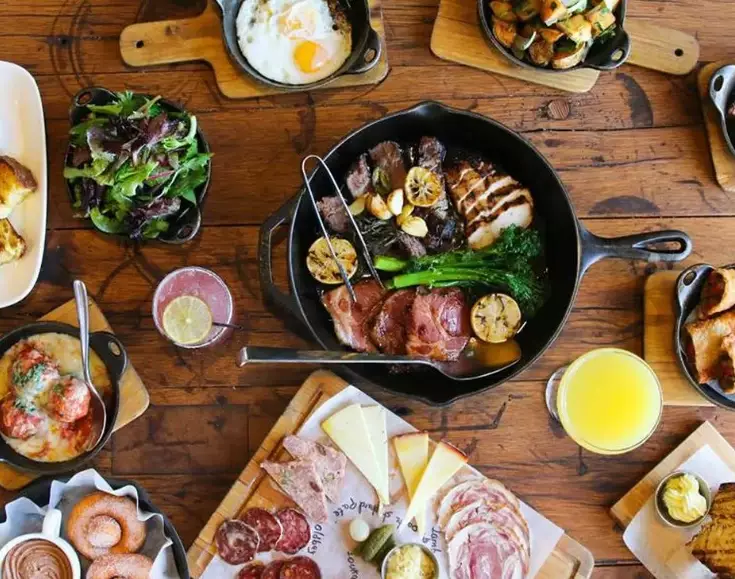
Your Questions Answered
Is continental cuisine just another name for French food?
Not at all. This is a common misconception. While French techniques heavily influenced the formal presentation and structure of continental cuisine as served in grand hotels, the term encompasses the classic cooking styles of mainland Western Europe. It includes the rustic pastas of Italy, the hearty stews of Germany, the tapas of Spain, and the rich sauces of France. Thinking of it as only French misses the diverse tapestry of regional European cooking that falls under this umbrella.
What's the connection between continental cuisine and a continental breakfast?
The connection is historical but the terms have diverged. 'Continental breakfast' originated in 19th-century Britain to describe the lighter morning meal of coffee, pastry, and fruit common in places like France and Italy, contrasting with the full English breakfast. While it hints at European origins, a continental breakfast is now a standardized hotel offering and doesn't represent the depth or variety of continental cuisine itself, which is focused on lunch and dinner dishes.
I'm planning a food trip to Europe. Where's the best place to start for authentic continental cuisine?
Skip the capital cities for your first meal. Head to a secondary city or a regional town. In France, try Lyon over Paris for bouchons serving coq au vin. In Italy, Bologna is a better bet than Rome for authentic tagliatelle al ragù. These places often have lower rents, fewer tourists, and chefs more focused on local traditions than global trends. Look for restaurants filled with locals, menus written only in the local language, and a focus on one or two regional specialties.
Is continental cuisine considered healthy?
It's a mix. The traditional version can be rich in butter, cream, and meats. However, the modern interpretation and the foundational Mediterranean elements are quite healthy. Think olive oil, fresh vegetables, legumes, and lean proteins. The key is portion size and balance. A continental meal often starts with a light soup or salad, has a reasonable main portion, and emphasizes fresh, seasonal produce. It's less about processed foods and more about quality ingredients, which is a healthy approach overall.
So, what is continental cuisine? It's less a specific menu and more a culinary heritage. It's the shared language of European cooking that values where food comes from, how it's treated, and the joy of a well-composed meal. Whether you're savoring a slow-cooked daube in Provence or mastering a bechamel sauce at home, you're connecting with a tradition that shaped modern dining. The next time you see the term, you'll know there's a whole continent of flavor behind it.





Comments
Join the discussion