Quick Navigation
- First Things First: Untangling the Practical Stuff
- The Urban Jungle: For the City Slickers & Food Fanatics
- Cultural & Historical Heartlands: Where Time Stands Still
- Island & Beach Paradises: For Sun, Sand, and Diving
- The Road Less Traveled: Hidden Gems & Emerging Spots
- Weaving It All Together: Crafting Your Asia Itinerary
- Answering Your Burning Questions (The FAQ You Actually Need)
Let's be honest. Typing "Asia tourism places" into Google can feel completely paralyzing. The results throw a thousand options at you – ancient temples, futuristic cities, beaches that look Photoshopped, mountains that touch the clouds. Where do you even start? How do you pick just one or two spots when the continent is literally the largest on Earth?
I remember planning my first big Asia trip. I had a map pinned to my wall and a feeling of pure panic. I wanted to see it all, but my budget and vacation days said otherwise. That trip, and many since, taught me that the magic of Asia isn't about ticking off a list of the top 10 Asia tourism places. It's about finding the rhythm that matches your travel style.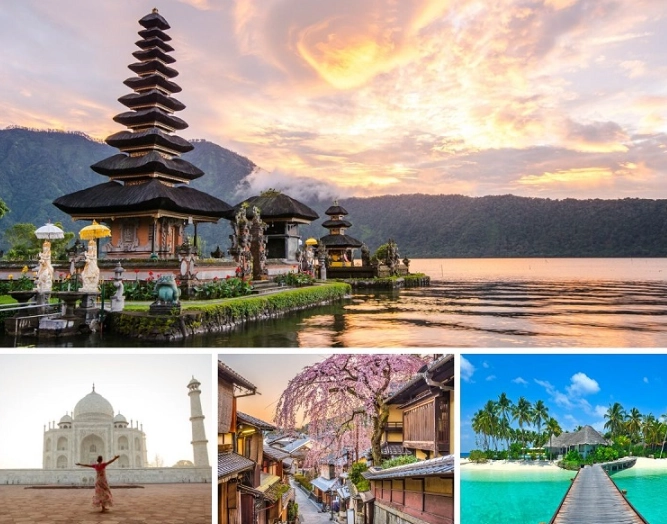
Maybe you're craving the neon-drenched energy of a megacity where you can eat Michelin-starred street food at 2 AM. Or perhaps you need the kind of quiet where the only sound is a temple bell and your own thoughts. Asia has both, and everything in between. This guide is the one I wish I'd had back then – not just a list, but a real conversation about how to navigate this incredible part of the world.
First Things First: Untangling the Practical Stuff
Before we dive into the beautiful beaches and chaotic markets, let's tackle the boring-but-essential bits. This is what makes the difference between a smooth adventure and a stressful mess.
Visas & Paperwork: This is the big one. Rules change all the time, so always, always check official government sources close to your departure date. For the most reliable info, I head straight to official portals like the National Immigration Agency of Taiwan for Taiwan or the Indian Government's e-Visa portal. Some countries offer visa-on-arrival or e-visas for tourists (like Thailand, Sri Lanka, or Cambodia), while others (hello, China and Vietnam) usually require advance application. It's your first test in Asian travel patience.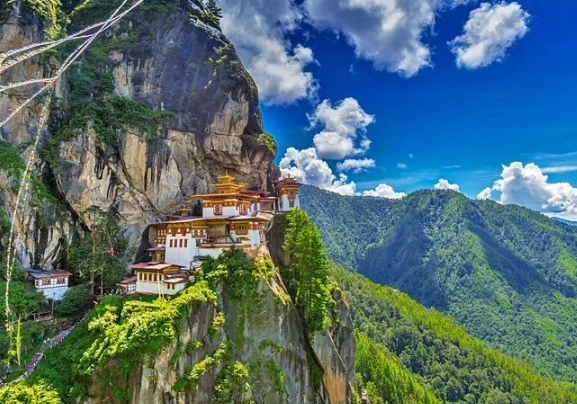
When to Go: Asia has monsoons. Ignore them at your peril. You don't want to be in Kerala during the peak summer rains or trekking in Nepal in deep winter. Generally, the sweet spot for most of Southeast and East Asia is the dry, cool season between November and February. But that's also peak tourist season. For fewer crowds and better prices, the shoulder months (March-April, September-October) can be magical, if you accept a chance of a brief afternoon shower.
So, where should you actually go? Let's break it down by vibe. Because choosing between Asia tourism places is less about "best" and more about "best for you right now."
The Urban Jungle: For the City Slickers & Food Fanatics
If your ideal vacation involves getting lost in sprawling metropolises, eating something new every two hours, and feeling the pulse of modern Asia, start here.
Tokyo, Japan
Tokyo is a masterclass in organized chaos. It's spotlessly clean, impossibly efficient, and yet utterly bewildering on first glance. You'll find serene 500-year-old gardens nestled between skyscrapers, and vending machines that sell everything from hot coffee to fresh underwear. The food? Don't get me started. It's the reason I blew my budget every single time. From a perfect, $10 bowl of ramen in a tiny Shinjuku shop to the sublime sushi at the Tsukiji outer market (the inner market moved, but the outer area is still a food Mecca), it's a culinary pilgrimage. Just be ready for the crowds, especially on the Yamanote Line at rush hour – it's a contact sport.
Seoul, South Korea
Seoul moves at a breakneck pace. It's a city of contrasts where you can tour a 14th-century palace (Gyeongbokgung) in the morning, get a cutting-edge skincare treatment in the afternoon, and dance the night away in Hongdae. The subway system is a dream – signs in English, Korean, and Chinese. The street food in Myeongdong is a glorious, greasy affair: tornado potatoes, hotteok (sweet pancakes), and tteokbokki (spicy rice cakes). For a digital detox, hike up Bukhansan Mountain, right within the city limits. The views will make you forget you're in a metropolis of 10 million.
Singapore
Calling Singapore just a city feels like an understatement. It's a meticulously planned city-state that functions with almost alarming precision. It's expensive, yes, but also incredibly easy for a first-time visitor. English is everywhere, the MRT (subway) is flawless, and it's arguably the food capital of the world. Don't just eat at fancy restaurants. The heart of Singaporean eating is in the Hawker Centres. Go to Maxwell Food Centre for Tian Tian Hainanese Chicken Rice (even Gordon Ramsay approved) or Lau Pa Sat for satay sticks in the evening. Gardens by the Bay is as futuristic and impressive in person as in photos, though the Cloud Forest dome can feel a bit like a very expensive greenhouse.
These cities are gateways. They're comfortable, connected, and pack a huge punch of culture, food, and energy. But Asia's soul often lies beyond the skyscrapers.
Cultural & Historical Heartlands: Where Time Stands Still
This is for the history buffs, the temple gazers, the people who want to feel the weight of centuries. Some of the most profound Asia tourism places aren't cities at all.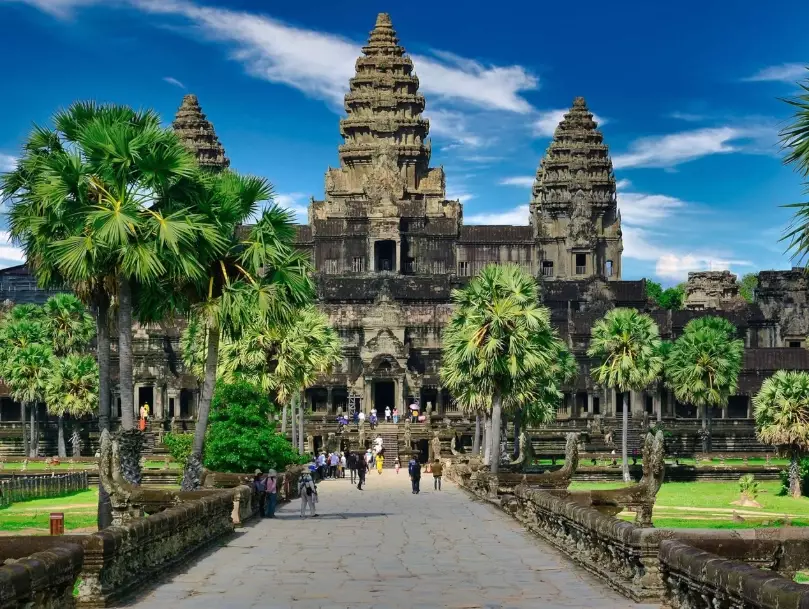
Kyoto, Japan
If Tokyo is Japan's hyperactive brain, Kyoto is its serene heart. It's the preserve of geisha districts (Gion), hundreds of Shinto shrines and Buddhist temples, and exquisite gardens designed for contemplation. Walking the Path of Philosophy, especially during cherry blossom or autumn foliage season, is a near-spiritual experience. The famous Fushimi Inari Shrine with its thousands of red torii gates is stunning, but go early. I mean, sunrise early. By 9 AM, it's a slow-moving river of selfie sticks. For a quieter alternative, try the Otagi Nenbutsu-ji Temple in Arashiyama with its 1200 quirky, moss-covered stone rakan statues.
Angkor Wat, Cambodia
No amount of photos prepare you for the scale and atmosphere of Angkor. It's not one temple; it's a vast archaeological park containing the remains of the Khmer Empire. Angkor Wat itself is majestic, especially at sunrise (though that view is now a cliché shared with hundreds of others). For me, the magic was in the smaller, quieter spots. Ta Prohm, where giant strangler fig trees have embraced the stone ruins, looks like a set from an adventure movie. Bayon Temple, with its dozens of massive, serene stone faces, feels strangely alive. Base yourself in Siem Reap, a town built for tourism but with a surprisingly fun pub street and great food. The official source for tickets and info is the Angkor Enterprise website.
Luang Prabang, Laos
Luang Prabang is the antidote to stress. This UNESCO World Heritage town, nestled at the confluence of the Mekong and Nam Khan rivers, moves at the speed of a riverboat. The daily morning alms-giving ceremony to Buddhist monks is a sacred ritual – observe it respectfully, from a distance, with no flash photography. Climb Mount Phousi for sunset views over the town and rivers. The night market is a relaxed affair with beautiful textiles and handicrafts. It's a place to slow down, read a book by the river, and drink excellent Lao coffee. Just don't expect wild nightlife – the town has a midnight curfew.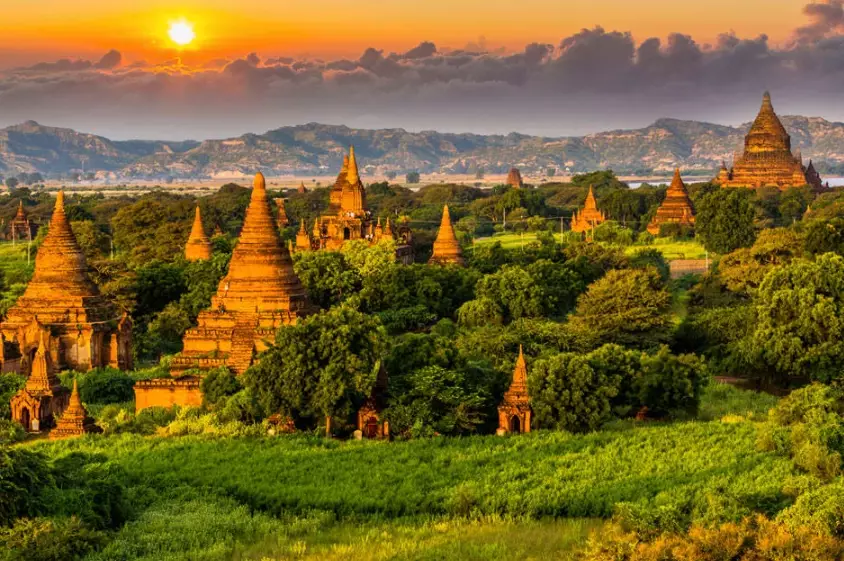
These places demand a slower pace. You're not just sightseeing; you're stepping into a living narrative.
Island & Beach Paradises: For Sun, Sand, and Diving
When you think of tropical getaways, Southeast Asia's islands are the poster children. And for good reason. But not all beaches are created equal.
Here’s a quick comparison of some classic Asia tourism places for beach lovers:
| Destination | Vibe | Best For | Watch Out For |
|---|---|---|---|
| Bali, Indonesia | Spiritual, trendy, diverse. From yoga retreats in Ubud to surf breaks in Canggu and nightclubs in Seminyak. | First-time visitors, digital nomads, wellness seekers, surfers. | Heavy traffic in south Bali. Some areas feel over-developed. |
| Phuket & Phi Phi, Thailand | Classic Thai beach holiday. Lively nightlife, stunning limestone karsts, great diving. | Party-goers, first-time divers, families (in quieter areas). | Mass tourism at its most intense. Maya Bay (from "The Beach") is often closed for rehabilitation due to overtourism. |
| Palawan, Philippines | Raw, adventurous beauty. Underground rivers, secret lagoons, water so clear it looks fake. | Adventure travelers, snorkelers, those wanting off-the-beaten-path feels. | Logistics can be trickier. Island hopping requires boat trips. |
| Gili Islands, Indonesia | Car-free, relaxed. Three small islands: Gili T (party), Gili Meno (honeymoon), Gili Air (balanced). | Snorkeling with turtles, no motor noise, sunset swings at beach bars. | Basic infrastructure. Power can be unreliable. Boat transfers from Bali required. |
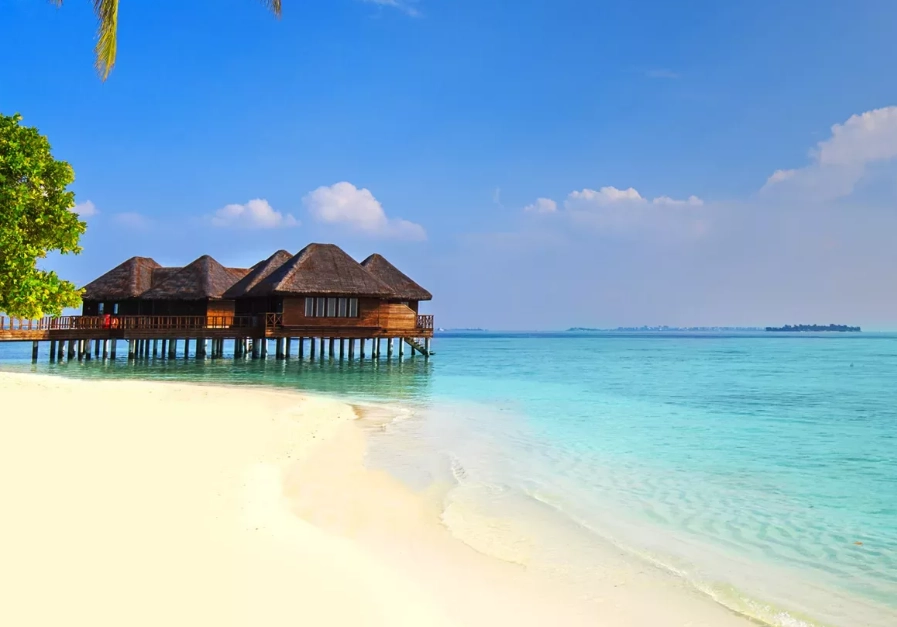
My own bias? I fell hard for the less-hyped islands. Like the Perhentian Islands in Malaysia – basic chalets, incredible coral reefs right off the beach, and a laid-back, backpacker vibe. Or the southern coasts of **Sri Lanka** like Mirissa or Tangalle – great for whale watching, surfing, and eating incredibly fresh seafood for pennies.
The Road Less Traveled: Hidden Gems & Emerging Spots
If your goal is to escape the well-trodden tourist trail, Asia still has corners where you can feel like a pioneer (or at least not be surrounded by souvenir shops).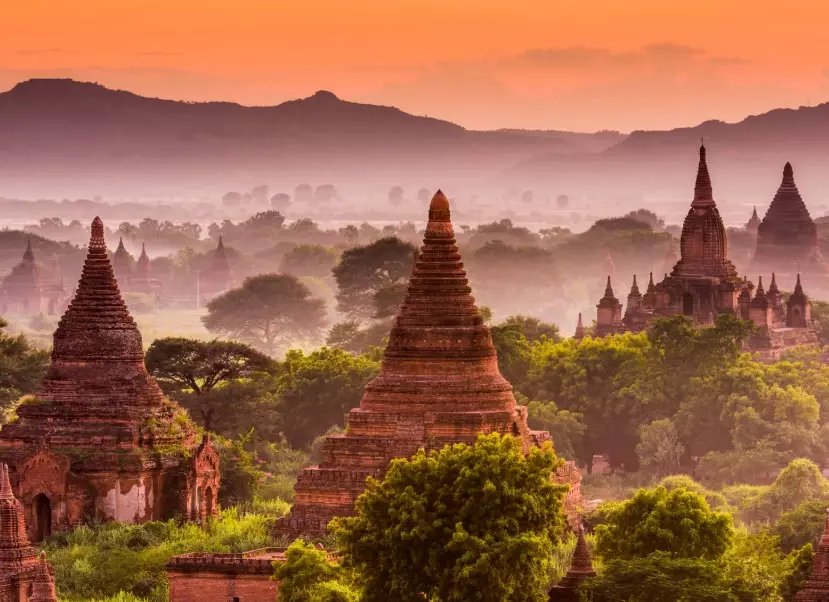
Taiwan
Taiwan is Asia's best-kept secret. It's got everything: jaw-dropping natural scenery (Taroko Gorge is a marble-walled canyon you can hike through), hot springs, a fantastic food scene that blends Chinese, Japanese, and indigenous influences, and possibly the friendliest people on the continent. Taipei is a fantastic, livable city with the iconic Taipei 101 and incredible night markets like Shilin. But venture out – take the train to Tainan for history, or to the east coast for dramatic seaside cliffs. The Taiwan Tourism Bureau's official site is packed with great itineraries.
Bhutan
This isn't a budget destination. Bhutan famously measures Gross National Happiness and controls tourism through a daily fee that covers most expenses. But that fee ensures a high-value, low-impact experience. You'll visit majestic dzongs (fortress monasteries) like Punakha Dzong, hike to the iconic Tiger's Nest Monastery (Paro Taktsang) clinging to a cliffside, and experience a culture that has fiercely protected its Buddhist traditions. It's a profoundly different kind of trip, one focused on meaning over mere sightseeing.
Uzbekistan (The Silk Road)
Okay, hear me out. Central Asia is part of the continent and offers a completely different historical narrative. The Silk Road cities of Samarkand, Bukhara, and Khiva are like walking into a page of Arabian Nights. The architecture is staggering – turquoise-tiled mosques, madrasas, and mausoleums that glow in the desert sun. The travel is more about history and landscapes than beaches, and it's fascinating to see a post-Soviet state embracing its ancient Islamic heritage. The plov (rice pilaf) is a national treasure.
These spots require a bit more planning and sometimes a more adventurous spirit, but the reward is a sense of discovery that's getting harder to find.
Weaving It All Together: Crafting Your Asia Itinerary
You can't see it all in one go. The biggest mistake is trying to. Asia's vastness is its defining feature.
For a first-time visitor with two weeks, I'd strongly advise picking one region and exploring it deeply. Don't try to do Bangkok, Bali, and Tokyo in 14 days. You'll spend half your trip in airports and feel exhausted.
- The Classic Southeast Asia Loop (2-3 weeks): Bangkok (3 days) -> Fly to Siem Reap for Angkor Wat (3 days) -> Fly to Luang Prabang (3 days) -> Slow boat or flight to Northern Thailand (Chiang Mai, 4 days) -> Fly to a Thai island (4 days) -> Back to Bangkok. It's a classic for a reason – it offers urban energy, ancient history, serene culture, and beach time.
- Japan Intensive (2 weeks): Tokyo (4 days) -> Bullet train to Kyoto (4 days) -> Day trips to Nara and Osaka -> Bullet train to Hiroshima (2 days) -> Fly or train back to Tokyo. Efficient, mind-blowing, and culturally rich.
- Island Hopping Focus (2 weeks): Singapore (2 days as a foodie intro) -> Fly to Bali (5 days, split between Ubud and coast) -> Fast boat to Gili Islands (4 days) -> Fly to Lombok for quieter beaches (3 days). Sun, sea, and spirituality.
The best Asia tourism places are the ones that resonate with you. Maybe it's the street food scene in Penang, Malaysia. Or the trekking in Nepal's Annapurna region. Or the chaotic, wonderful madness of Hanoi's Old Quarter in Vietnam.
Answering Your Burning Questions (The FAQ You Actually Need)
At the end of the day, searching for the perfect Asia tourism places is a personal journey. It's about the smell of incense in a Kyoto temple, the taste of a mango sticky rice on a Thai beach, the dizzying view from a Taipei skyscraper, and the exhausted, happy feeling at the end of a long travel day when you know you've seen something truly new.
Start with one place that calls to you. Book the flight. The rest will unfold, one chaotic, beautiful, unforgettable moment at a time. Asia isn't just a place you visit; it's a feeling you bring back home.

Comments
Join the discussion