Your Melbourne Journey Map
Let's cut to the chase. You're planning a trip to Melbourne and that one big question is staring you down: which month is best to visit Melbourne? Honestly, there's no single magic answer that works for everyone. Ask a local and they might shrug and say "depends what you're after." Ask ten tourists and you might get ten different answers. The truth is, Melbourne's charm (and its infamous weather) changes dramatically with the seasons. What's perfect for a foodie might be miserable for a beach-goer. What's ideal for avoiding crowds might mean missing the city's biggest events.
I've lived through more Melbourne seasons than I can count, and I've seen friends and family visit at all different times. The look on my cousin's face when she packed for a "sunny Australian summer" and got hit with a 15-degree day in December? Priceless. So I'm not going to give you some generic travel brochure answer. Instead, let's break it down, month by month, season by season. We'll look at the weather (the real stuff, not the averages), the crowds, the prices, and what's actually happening in the city. By the end, you'll know exactly which month is best to visit Melbourne for you.
Melbourne's weather is a legend in its own right. "Four seasons in one day" isn't just a saying; it's a genuine survival tip. You can leave your hotel in sunshine and need an umbrella by lunchtime. That's part of the fun, but it makes planning tricky. So forget just looking at average temperatures. We need to dig deeper.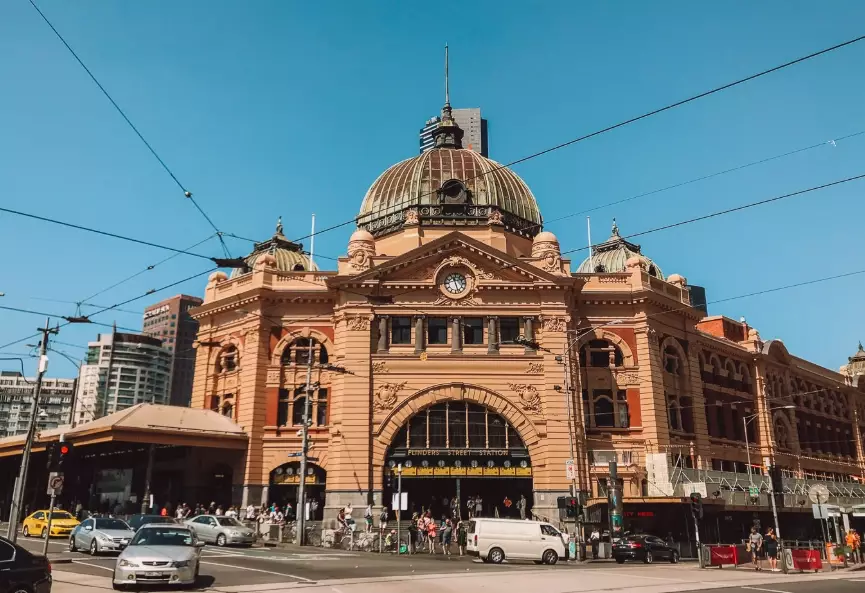
Understanding Melbourne's Seasons First
Before we dive into the months, let's get the seasonal layout straight. Australia is in the Southern Hemisphere, so the seasons are flipped compared to North America and Europe.
- Summer: December, January, February. This is peak tourist season.
- Autumn (Fall): March, April, May. Often considered the sweet spot.
- Winter: June, July, August. Cold, windy, but fewer crowds.
- Spring: September, October, November. Unpredictable but beautiful.
The city has a temperate oceanic climate. That's a fancy way of saying it can be mild, but also wildly changeable. The Bureau of Meteorology (BOM) is your best friend for accurate, up-to-the-minute forecasts. Bookmark it.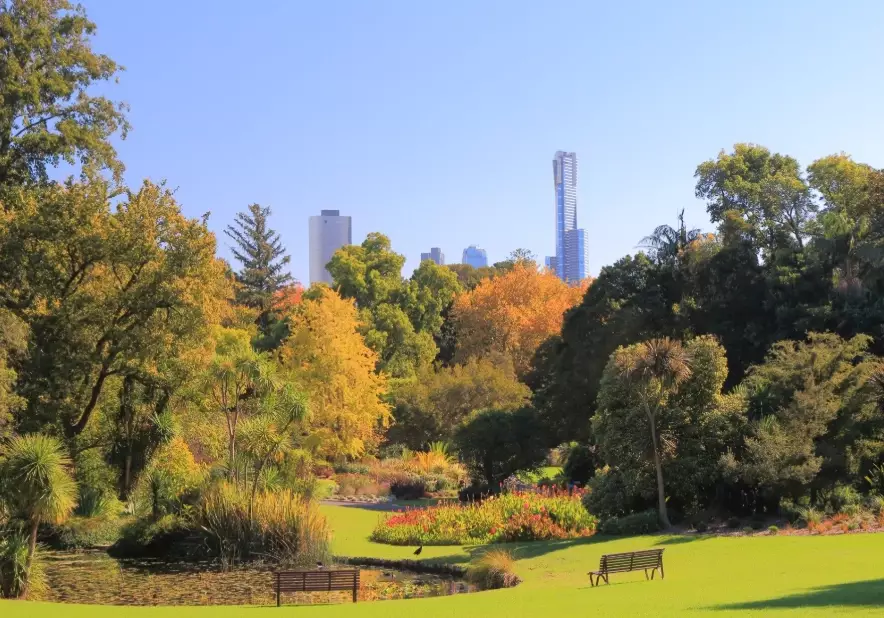
The Month-by-Month Breakdown: Where We Answer "Which Month is Best to Visit Melbourne?"
Here’s the core of it. Let's walk through the calendar.
Summer Months (December - February)
December: Festive & Busy Kick-Off
December is when the city wakes up for summer. The weather is warming up (average highs around 24°C/75°F), but it can still be surprisingly cool, especially in the first two weeks. The real story is the atmosphere. The city is decked out for Christmas. Federation Square has a big tree, the Myer Christmas Windows on Bourke Street are a beloved tradition (massive queues, though), and there's a general buzz.
The Good Stuff
- Festive Spirit: The Christmas vibe is fantastic and unique.
- Long Daylight Hours: Sun sets after 8:30 pm, giving you more exploring time.
- School's Not Quite Out: Early December is slightly less chaotic than late December.
- Events Galore: Carols, markets, and the start of the Boxing Day Test cricket at the MCG.
The Not-So-Good
- Getting Busy: Crowds build rapidly towards Christmas.
- Price Hike: Accommodation costs start to climb.
- Unpredictable Weather: Can still have rainy, chilly days.
- Book Everything: Popular restaurants fill up fast for festive lunches/dinners.
Is December the best month to visit Melbourne? For a festive experience, yes. For guaranteed beach weather, maybe not.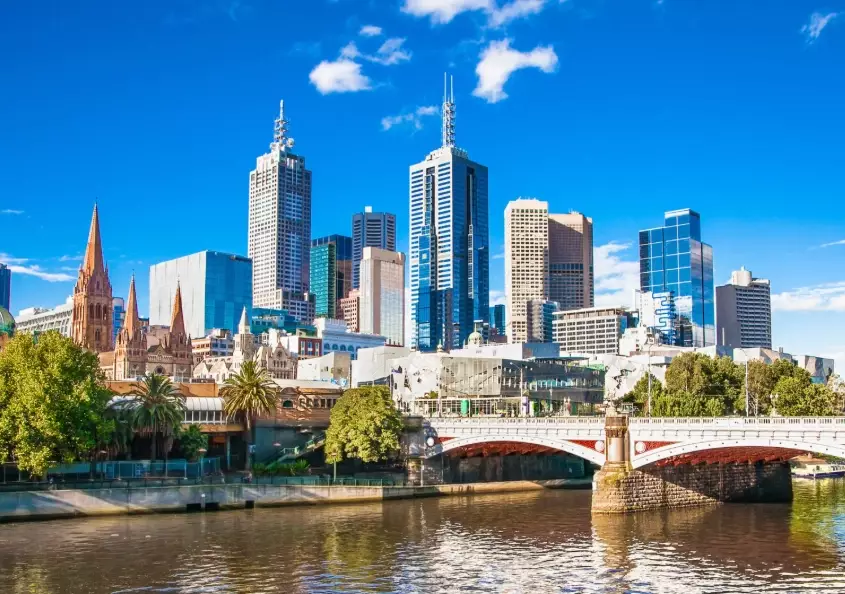
January: Peak Summer Heat & Hustle
This is it. Peak summer. Australian schools are on long holiday, offices are quiet, and everyone seems to be either in Melbourne or trying to escape it. Average highs sit around 26°C (79°F), but heatwaves pushing past 35°C (95°F) are common and can last for days. It's dry heat, which is different from humid heat, but it's intense.
The Australian Open tennis tournament takes over the city for two weeks in mid-to-late January. This is a massive, world-class event. If you love tennis, it's incredible. If you don't, it means even more crowds, inflated prices, and booked-out hotels near Melbourne Park. It's a huge factor.
A friend visited last January for the tennis. She loved the event but said simply getting a coffee in the city felt like a competitive sport. The energy is electric, but it's not a relaxed visit.
Beaches like St Kilda and Brighton are packed. The vibe is energetic, loud, and very touristy. Which month is best to visit Melbourne if you love buzzing crowds and big events? January, hands down. If you prefer peace and quiet, it's probably your worst nightmare.
February: Mellowing Out, But Still Warm
By February, the summer frenzy starts to dial down a notch. The Australian Open is over, and some families start heading back as the school year approaches. The weather is still very much summer—warm and generally stable, with a slightly lower chance of extreme heatwaves compared to January.
It's a great time for outdoor activities. The Melbourne Moonlight Cinema might still be running in the Royal Botanic Gardens. You can enjoy long, warm evenings at rooftop bars. The Midsumma Festival, a celebration of LGBTQIA+ culture, runs through January and February, offering amazing parades and events.
February offers a nice compromise. You still get solid summer weather, but with slightly thinner crowds and less event-driven price pressure than January. For many, this makes it a strong contender for the best summer month to visit Melbourne.
Autumn Months (March - May)
Ask any seasoned Melbourne local for their personal pick on the best month to visit Melbourne, and a huge number will whisper one word: Autumn.
March & April: The Golden Months
I'm grouping these two because they're both stellar. The frantic summer energy has dissipated. The weather is arguably at its most perfect—warm, sunny days (highs around 22-24°C / 72-75°F) and cool, crisp nights. The infamous Melbourne wind tends to ease off. The light is softer, golden. The city feels calm, sophisticated.
The leaves in the parks—Fitzroy Gardens, Carlton Gardens, the Treasury Gardens—start turning gorgeous shades of gold and red. It's stunning. Major events like the Melbourne Food and Wine Festival often happen in March, which is a huge draw for, well, anyone who eats.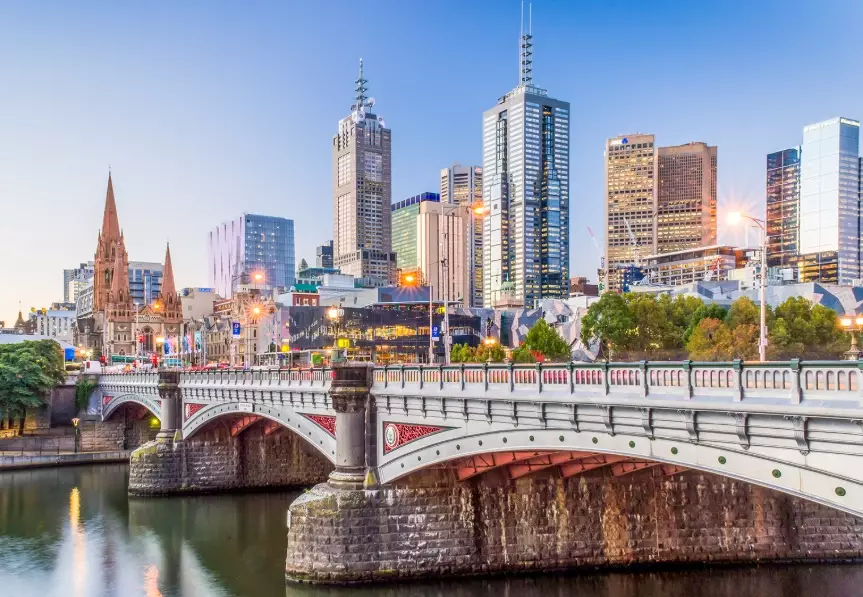
Crowds are manageable. You can actually get a table at top restaurants without booking weeks ahead. Flights and accommodation are often cheaper than in peak summer. It's just... pleasant. Really, genuinely pleasant. For balancing great weather, manageable crowds, and a fantastic cultural calendar, March and April are top-tier answers to "which month is best to visit Melbourne?".
May: The Gateway to Winter
May sees a definite shift. The days get shorter, and the temperature drops noticeably (averages down to around 17°C / 63°F). You'll need a jacket in the evenings. It can be rainy. But it has a cozy charm. The winter arts season starts gearing up, with theatre and opera performances beginning.
It's a fantastic month for museum hopping, cafe crawling (Melbourne's cafe culture is a year-round sport), and exploring the city's famous laneways without the crowds. It's also one of the cheapest times to fly and stay, outside of deep winter. If you don't mind cooler weather and you're on a budget, May is a secret winner. You just have to pack for it properly.
Personally, I think May is underrated. You see the real, everyday Melbourne, not the tourist postcard version. It's for travelers who prefer substance over spectacle.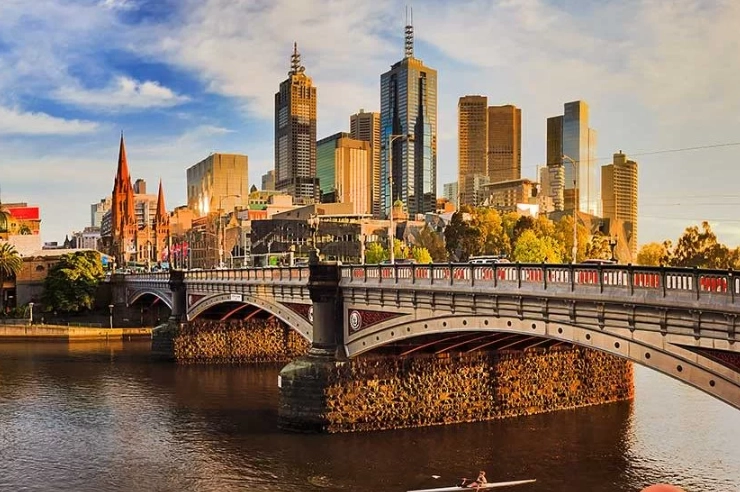
Winter Months (June - August)
Let's be honest: Melbourne's winter is cold, wet, and windy. Average highs in July struggle to reach 13°C (55°F). But that doesn't mean it's a bad time to visit. It just means your priorities need to shift.
June, July, August: The Cold Season
This is low season for a reason. The weather is the main character. You'll spend more time indoors. But that's okay, because Melbourne's indoor offerings are world-class.
- Museums & Galleries: The NGV International, Melbourne Museum, ACMI (screen culture museum)—you can spend days in them without feeling rushed.
- Sports: The AFL (Australian Rules Football) season is in full swing. Seeing a match at the MCG under lights is a quintessential, if chilly, Melbourne experience.
- Food & Coffee: Winter is for long, indulgent lunches, rich pasta dishes in tiny Italian restaurants in Carlton, and endless cups of excellent coffee.
- Day Trips: A perfect time for a day trip to the snowfields (a 3-4 hour drive) if you're into skiing or snowboarding.
I once had visitors in July who were horrified by the cold. But we spent a week going from gallery to cozy wine bar to bookstore, and they said it was one of their most culturally satisfying trips ever. They didn't get a tan, but they fell in love with the city's soul.
Crowds are minimal. Prices for flights and hotels hit their annual lows. You can often find amazing deals. The city feels local again.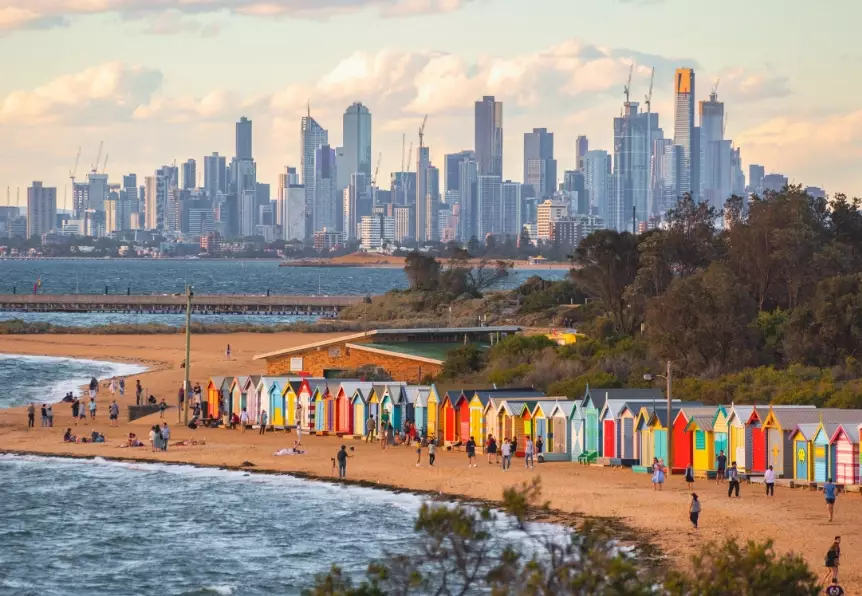
Winter Pros
- No Crowds: You'll have popular spots largely to yourself.
- Best Prices: Significant savings on travel and accommodation.
- Cultural Focus: Perfect for museum and gallery lovers.
- Atmosphere: Cozy pubs, open fires, a different kind of vibe.
Winter Cons
- The Weather: It's cold, rainy, and often gloomy.
- Limited Outdoor Time: Beach trips and picnics are off the table.
- Shorter Days: It gets dark early, around 5 pm.
- Some Attractions: Some outdoor-focused tours or activities may not run.
Which month is best to visit Melbourne on a tight budget or if you're a culture vulture? Winter, without a doubt. Just pack a warm coat, a scarf, and a good umbrella.
Spring Months (September - November)
September, October, November: Unpredictable Beauty
Spring is Melbourne's wildcard. The city shakes off the winter chill, but the weather is famously chaotic. You can get four seasons in one day—sunshine, hail, wind, and rain all within hours. The average temperatures creep up from the mid-teens to low twenties Celsius (60s to low 70s Fahrenheit).
But when it's good, it's amazing. The city is covered in blooming flowers. The Melbourne International Arts Festival is often on in October, bringing incredible theatre, dance, and music. The Spring Racing Carnival kicks off, culminating in the Melbourne Cup on the first Wednesday of November—which is a public holiday in the city.
Crowds start to build again, especially in November as the weather stabilizes and the Christmas season approaches. It's a time of renewal and energy. The famous Melbourne Cup Carnival is a huge social event. If you like fashion, horse racing, and big hats, it's for you. If not, be aware that the city is very busy around Cup Day, and accommodation can be pricey and scarce.
Spring is for the optimistic traveler. You might get perfect sunny days for exploring the Great Ocean Road or the Dandenong Ranges, or you might be ducking into cafes to avoid a sudden downpour. It keeps you on your toes.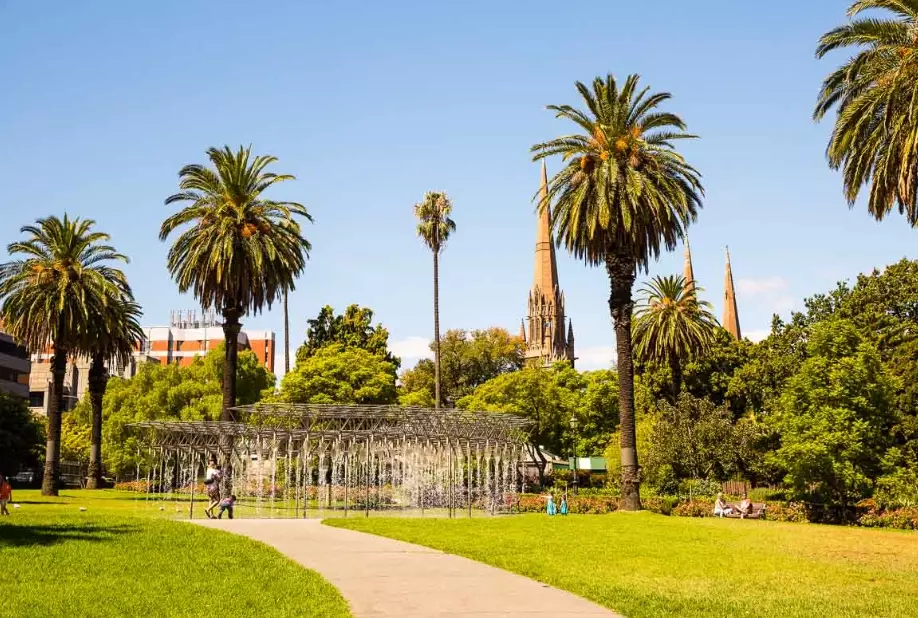
The Quick-Compare Table: Which Month is Best to Visit Melbourne For You?
| Month | Season | Avg. High Temp. | Crowd Level | Price Level | Best For... |
|---|---|---|---|---|---|
| December | Summer | 24°C / 75°F | High (rising) | High | Festive atmosphere, early summer buzz. |
| January | Summer | 26°C / 79°F | Very High | Very High | Big events (Australian Open), peak beach weather, maximum energy. |
| February | Summer | 26°C / 79°F | High | High | Summer weather without the extreme crowds of January. |
| March | Autumn | 24°C / 75°F | Medium | Medium | Perfect weather, food festivals, manageable crowds. Top pick for many. |
| April | Autumn | 21°C / 70°F | Medium | Medium | Continued great weather, autumn foliage, Comedy Festival. |
| May | Autumn | 18°C / 64°F | Low-Medium | Low-Medium | Cooler weather, lower prices, cozy city vibe. |
| June | Winter | 15°C / 59°F | Low | Low | Budget travel, indoor culture (museums, galleries). |
| July | Winter | 14°C / 57°F | Low | Low | Lowest prices, AFL football season, winter arts. |
| August | Winter | 15°C / 59°F | Low | Low | Similar to June/July, with slightly longer days. |
| September | Spring | 17°C / 63°F | Low-Medium | Low-Medium | Spring blooms, unpredictable but improving weather. |
| October | Spring | 20°C / 68°F | Medium | Medium | Arts Festival, generally pleasant weather. |
| November | Spring | 22°C / 72°F | Medium-High | Medium-High | Melbourne Cup, warmer days, pre-Christmas buzz. |
Answering Your Burning Questions
The Final Verdict: So, Which Month is Truly Best?
After all that, here's my honest, local's take.
If you want the classic postcard experience with great weather and lots to do, March and April (Autumn) are incredibly hard to beat. The city is at its most pleasant and relaxed.
If you crave heat, beaches, and don't mind crowds and higher prices for the peak energy, January and February (Summer) deliver that classic Aussie summer vibe.
If your priority is your wallet and you love museums, galleries, and cozy pubs, June, July, and August (Winter) will be a rewarding and affordable adventure.
And if you're a gambler who loves the thrill of unpredictable weather paired with spring blooms and major sporting events, September through November (Spring) have their own unique charm.
There's no single best month to visit Melbourne. Every season paints the city with a different brush. That's what makes it so fascinating to visit again and again. The question isn't really "which month is best to visit Melbourne?" but "which Melbourne do you want to meet?"
Choose your adventure, pack your layers, and come see for yourself.

Comments
Join the discussion