In This Article
Let's cut to the chase. You've probably typed "What is the #1 tourist attraction in Australia?" into Google, expecting a simple answer. Maybe you're planning a trip down under and want to prioritize. Maybe you're just curious. The truth is, the answer isn't as straightforward as a single name for everyone, but if we're talking sheer numbers, global recognition, and that one iconic image that screams "Australia" to the world, there's a clear winner.
It's the Sydney Opera House.
Now, before you think "Well, that's obvious," hear me out. A lot of people might argue for the Great Barrier Reef or Uluru. And they're incredible, truly world-class places. But when you look at the hard data – annual visitor numbers, search engine interest, iconic status – the Opera House consistently comes out on top. Think about it. How many other buildings are on the national logo of their country's tourism board? Not many.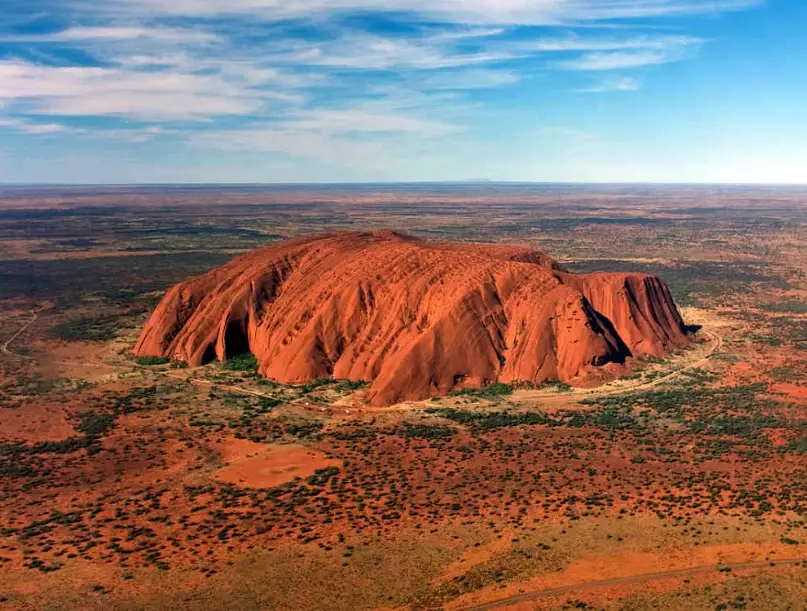
The Data Doesn't Lie: Pre-pandemic figures from Tourism Australia and the Sydney Opera House's own annual reports consistently showed it attracting over 10.9 million visitors annually (a figure that includes both ticketed performances and external precinct visitors). That's more than the estimated annual visitors to the Great Barrier Reef region or Uluru-Kata Tjuta National Park. It's not just a theatre; it's the focal point of Australia's most famous city.
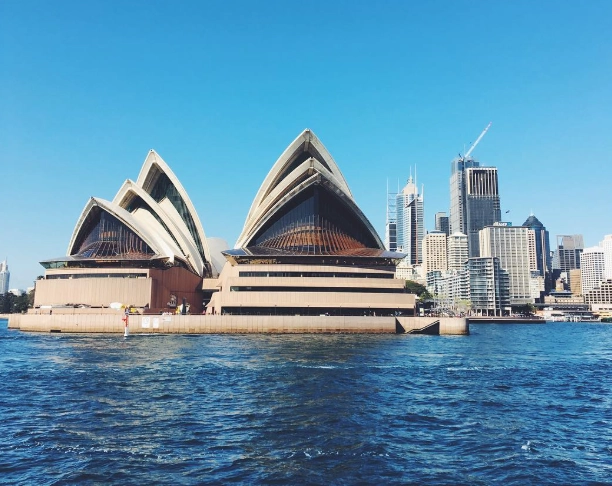
I remember my first time seeing it. I'd flown for hours, taken the train from the airport, and was dragging my suitcase through Circular Quay. I turned a corner, and there it was. And you know what? It looked exactly like the pictures. But also completely different. The scale, the way the white sails contrasted with the blue sky and the darker blue of the harbour, the buzz of people around it... it's a living, breathing postcard. It's the undisputed #1 tourist attraction in Australia for a reason.
Why the Sydney Opera House Tops the List (And It's Not Just About Looks)
Calling it the #1 tourist attraction in Australia isn't just about counting heads. It's about what it represents and offers. It's a masterpiece of 20th-century architecture, a UNESCO World Heritage Site, and a fully functioning performing arts centre all rolled into one. You can admire it from afar for free, or you can dive deep inside.
What makes it the top spot?
- Universal Accessibility: You don't need a ticket to experience it. The forecourt and walkways are open to the public 24/7. You can have a picnic, take a thousand photos, and soak in the atmosphere without spending a cent. Try doing that at a remote natural wonder where access is controlled and often expensive.
- Dual Identity: It's both an iconic landmark and a cultural hub. By day, it's a tourist magnet. By night, it transforms, hosting world-class opera, symphony, theatre, and contemporary performances. This duality keeps it relevant and vibrant.
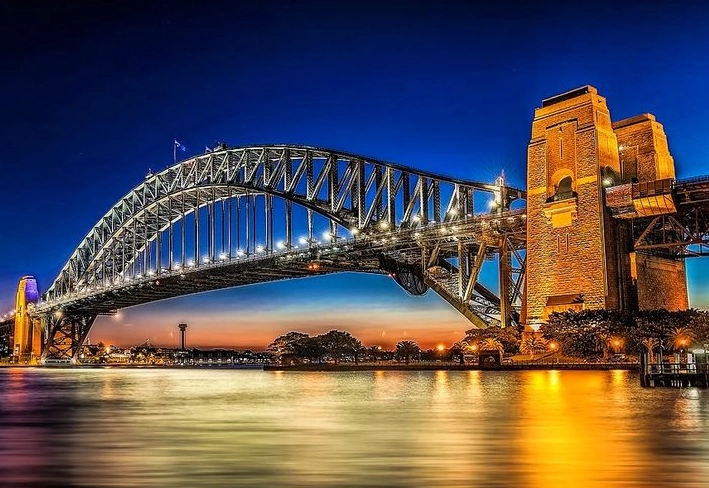
- Sheer Photogenicity: Let's be honest, in the age of Instagram, this matters. Its unique shape offers endless angles. Sunrise over the Harbour Bridge with the sails in the foreground? Magic. Lit up at night against a dark sky? Unforgettable.
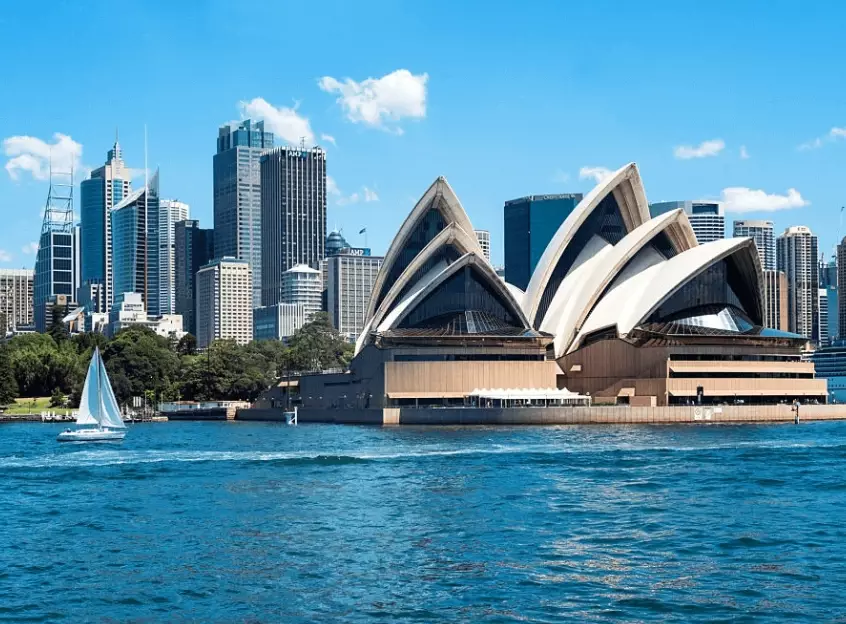
Here's a personal gripe, though. The area directly around it, Circular Quay, can feel overwhelmingly touristy. The restaurants are pricey, and the crowds can be intense, especially when cruise ships are in. It's worth experiencing, but for a more local vibe, I'd wander into The Rocks district just behind it or catch a ferry to Manly for a different perspective.
How It Stacks Up: The Opera House vs. Other Australian Giants
People asking "What is the #1 tourist attraction in Australia?" are often weighing options. Here’s a quick, honest comparison.
| Attraction | Key Strength | Consideration / Potential Drawback | Best For... |
|---|---|---|---|
| Sydney Opera House | Iconic, easily accessible, urban setting, cultural events, free to view. | Can be crowded; internal tours are paid; performance tickets can be expensive. | First-time visitors, architecture buffs, city lovers, those with limited time. |
| Great Barrier Reef (QLD) | One of the natural wonders of the world, incredible biodiversity, snorkeling/diving. | Remote & expensive to reach; significant coral bleaching; requires time & planning. | Adventure seekers, serious divers, nature enthusiasts with a bigger budget. |
| Uluru-Kata Tjuta (NT) | Profound spiritual significance, stunning desert landscapes, unique cultural experience. | Extremely remote; very hot; climbing is banned (respectfully, it should be). | Travelers seeking cultural depth, lovers of unique geology, outback adventurers. |
See the difference? The Opera House wins on practicality and instant gratification. You can see it, touch it, and photograph it within hours of landing in Sydney. The others require a pilgrimage.
Your Practical Guide to Experiencing the #1 Attraction
Okay, so you're convinced. You want to see this place for yourself. How do you do it right? Here’s the stuff you actually need to know, beyond the glossy brochures.
1. Seeing It For Free (The Best Things in Life...)
You absolutely do not have to pay to enjoy the Opera House. Some of my favourite moments have cost nothing.
- The Classic Shot: Walk from Circular Quay station along the water towards the Harbour Bridge. The view unfolds perfectly.
- The Secret(ish) Angle: Take the ferry to Taronga Zoo. As you pull away from Circular Quay, you get a breathtaking panoramic view of the entire Sydney Cove with the Opera House front and centre. The ferry ride itself is a classic Sydney experience.
- Night Lights: After dark, the sails are often lit up with projections for festivals like Vivid Sydney. It's spectacular and completely free to watch from the foreshore.
2. Taking a Tour (Is It Worth It?)
If you want to go inside and understand the story, a tour is the only way unless you have a performance ticket. The official tours run by the Sydney Opera House are well-regarded. They offer different types:
- The Essential Tour: The standard one-hour walkthrough. You see the main theatres, learn about Jørn Utzon's revolutionary design and the infamous budget and timeline blowouts. It's good. It's informative.
- Backstage Tour: More expensive, but if you're a theatre nerd, this is gold. You see the green rooms, rehearsal spaces, and get a real feel for the working building.
My take? If you have a keen interest in architecture or engineering, do it. If you're just mildly curious, you might be satisfied with the excellent free digital content and exhibits in the downstairs foyer area, which is open to the public.
3. Seeing a Show (The Ultimate Experience)
This is how the building is meant to be experienced. The acoustics in the Concert Hall (after its recent renovation) are phenomenal. Catching a show turns you from a spectator into a participant. You don't need to see opera. Check the calendar for symphony concerts, contemporary dance, talks, or even comedy. Booking directly through the official website is the safest bet. A little pro-tip: sometimes last-minute tickets can be had for a good price.
Local's Tip: For a cheap drink with a million-dollar view, skip the fancy bars at the Quay. Head to the Opera Bar underneath the forecourt. The prices are still Sydney-prices (so, not cheap), but the outlook over the harbour to the Bridge is unbeatable. Grab a bench, order a local beer, and watch the ferries come and go.
Addressing the Big Questions (The FAQ Section You Actually Need)
When people search for the number one tourist attraction in Australia, they have follow-up questions. Let's tackle them head-on.
Beyond the Icon: What Else Makes Sydney Shine
While the Opera House is the crown jewel, your visit to Sydney shouldn't start and end there. Part of what cements its status as the #1 tourist attraction in Australia is its location within an incredible city. Here’s how to build the perfect Sydney day around it.
- Start in The Rocks: Explore this historic area with its cobblestone lanes, weekend markets, and old pubs. It gives context to the modern icon next door.
- Opera House Foreshore: Do your walk, take your photos, maybe take a tour.
- Harbour Bridge Walk: Walk across the Sydney Harbour Bridge (the pedestrian path is on the eastern side). The view back towards the Opera House and the city skyline is iconic. You don't need to do the expensive BridgeClimb to enjoy it.
- Ferry to Manly: Catch a ferry from Circular Quay right next to the Opera House. You'll get those stunning views from the water. Manly Beach offers a more laid-back coastal vibe.
- Evening Back at the Cove: Return, have a drink at the Opera Bar, and either see a show or just enjoy the night lights.
This itinerary leverages the Opera House as the anchor but shows you why Sydney itself is a top-tier destination. The attraction's power is amplified by its surroundings.
The Final Verdict: Why This is the Answer
So, what is the #1 tourist attraction in Australia? If we define it as the single site that draws the most visitors, generates the most iconic imagery, and serves as the most immediate symbol of the nation to the world, the Sydney Opera House is the unambiguous answer.
It's accessible, it's multifaceted (landmark, cultural venue, architectural wonder), and it's embedded in the heart of a vibrant city. The Great Barrier Reef is a profound natural ecosystem. Uluru is a deeply spiritual monolith. But the Sydney Opera House is Australia's global calling card. It's the postage stamp, the tourism logo, the first thing that pops into most people's minds.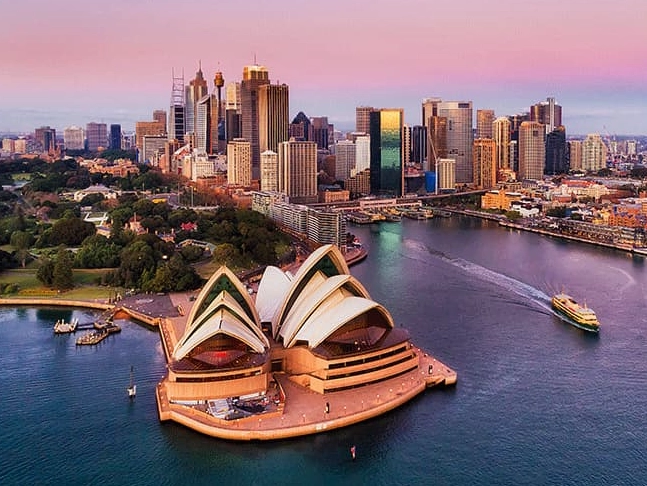
For authoritative, up-to-date information on visiting, tours, and performances, always refer to the official source: the Sydney Opera House website. For broader travel planning in New South Wales and Australia, Destination NSW and Tourism Australia are invaluable government-backed resources.
My advice? Go see it. Walk around it. Feel the texture of the tiles (they're not just white, they're a matte and glossy ceramic mix). See it change with the light. Maybe even catch a show. You'll understand instantly why this is the place that consistently answers the question of what is the number one tourist attraction in Australia. It's not just a building; it's the soul of Sydney, and a big part of the modern Australian identity.
Just try to visit on a weekday if you can. The weekend crowds are no joke.


Comments
Join the discussion