Your Quick Navigation
It hits you the moment you walk into a good Asian restaurant. That incredible aroma – is it ginger? Garlic? Toasted sesame oil? Maybe all of it at once. You look at the menu and feel a mix of excitement and maybe a little panic. Szechuan, Thai Green Curry, Ramen, Dim Sum... it's a whole world on a page. I remember my first time at a proper Szechuan place. I saw "Mapo Tofu" and thought, "Tofu, how spicy could it be?" Let's just say I learned a very quick, very tearful lesson about Szechuan peppercorns that day.
That's the thing about Asian Cuisine. It's not one thing. It's a massive umbrella term for dozens of distinct culinary traditions, each with its own personality, history, and rules. Calling it just "Asian food" is like calling Italian, French, and Spanish food just "European food." It misses the point entirely.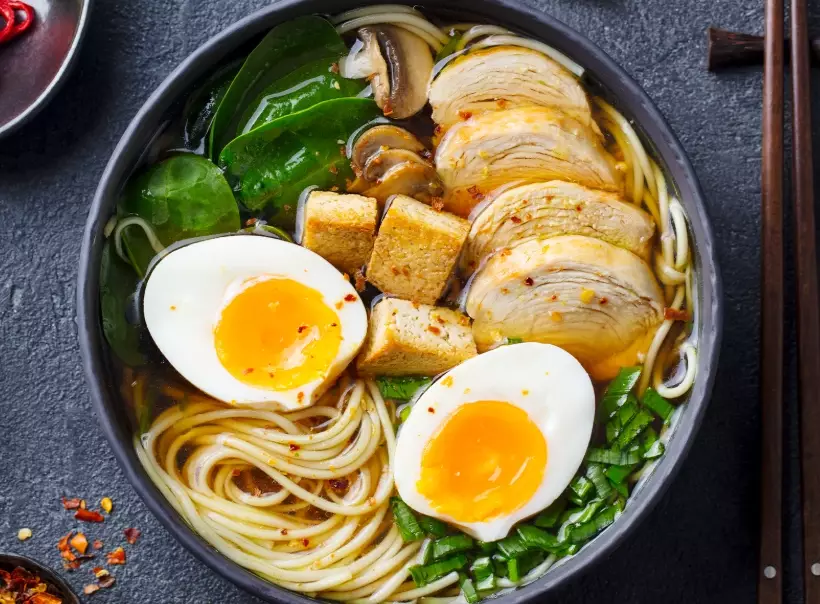
This guide isn't about listing every single dish. It's about giving you the map and the compass. We'll break down the core ideas that make Asian Cuisine tick, explore the big regional players you're most likely to encounter, and most importantly, answer the real questions: How do I order without feeling lost? What makes a dish authentic? Why does the fried rice from that little spot taste so much better than my attempts?
The Flavor Foundations: It's More Than Just Soy Sauce
If you want to get Asian Cuisine, you have to start with the flavor building blocks. It's a different philosophy. Western cooking often focuses on the main ingredient (a great steak, a fresh piece of fish) and enhances it. A lot of Asian cooking philosophies start with building a complex flavor base first, into which ingredients are added.
Let's talk about the big players you'll see again and again across different Asian Cuisine styles:
The Aromatic Trinity (and its cousins)
In a lot of Chinese cooking, you start with ginger, garlic, and green onions sizzling in oil. That's the classic base. In Thai and many Southeast Asian cuisines, it shifts to lemongrass, galangal (a sharper cousin of ginger), and kaffir lime leaves. In Korean cooking, garlic is absolutely king, often used in staggering amounts. These aren't just background notes; they're the first loud chords of the song.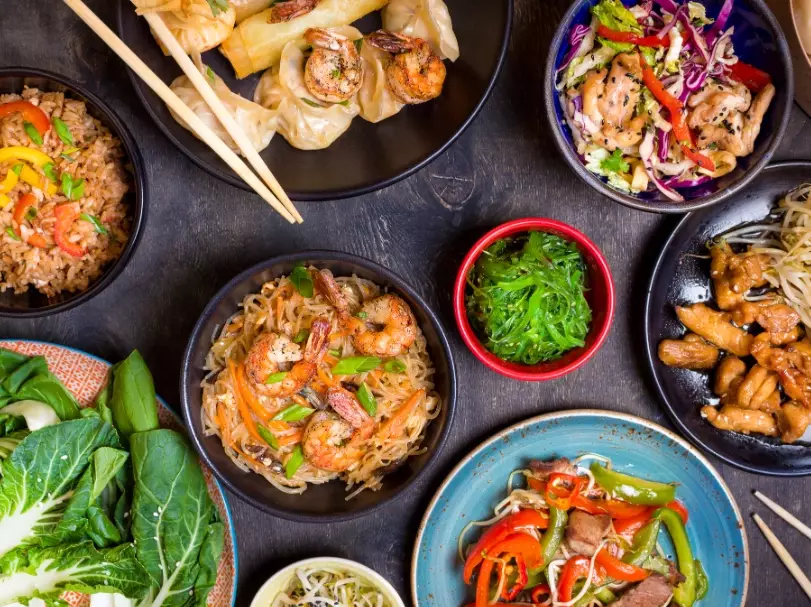
Umami Bombs
This is the savory, mouthwatering depth. Soy sauce is the famous one, but it's just the start. Fish sauce (used in Thai, Vietnamese, Filipino cooking) adds a salty, funky punch. Oyster sauce is thick, sweet, and rich. Fermented bean pastes (like doenjang in Korea or miso in Japan) bring a deep, earthy complexity. Dried shrimp and mushrooms are also secret umami weapons.
The Acid & Sweet Balance
This is where the magic of balance happens. Rice vinegar, lime juice, tamarind paste – they cut through richness and fat. Palm sugar, mirin, and hoisin sauce add sweetness to round out spicy and salty flavors. Getting this sweet-sour-salty-spicy balance right is the hallmark of a great chef in many Asian Cuisine traditions, especially Thai and Vietnamese.
You see these elements dance in a dish like Vietnamese Pho. The broth is deep umami (from beef bones, charred onion, spices), it's served with fresh herbs (aromatics), and you add lime and chili to your own taste (acid and heat). It's a customizable balance in a bowl.
A Tour of the Major Regional Styles
Okay, with the basics in mind, let's travel. Here's a breakdown of some of the most influential and widely available Asian Cuisine regions. This table should help you keep them straight.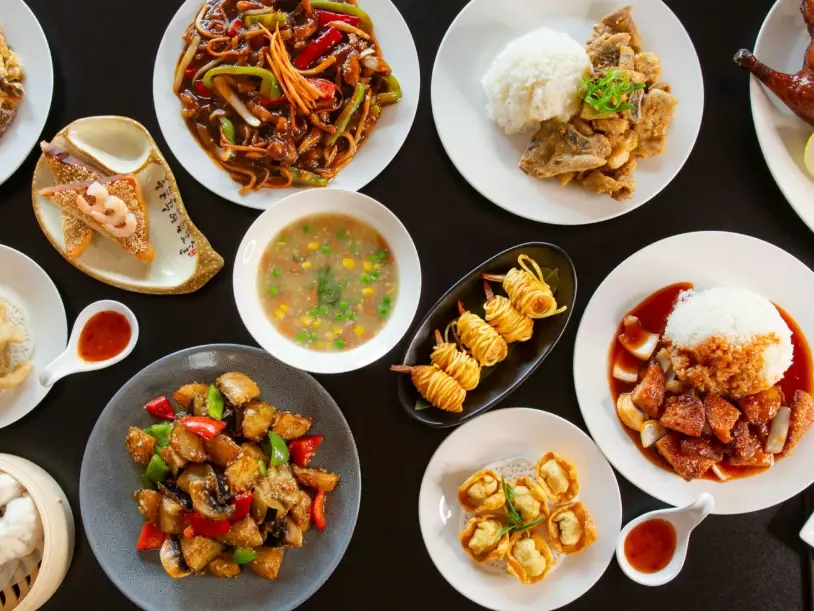
| Cuisine | Heartland | Signature Flavors | Must-Try Dishes (Start Here) | One Thing to Know |
|---|---|---|---|---|
| Chinese | China (with huge regional variation) | Soy sauce, ginger, garlic, Shaoxing wine, Sichuan peppercorn (numbing spice), black vinegar. | Kung Pao Chicken, Dim Sum (especially Har Gow & Siu Mai), Mapo Tofu, Peking Duck. | It's not monolithic. Sweet & sour is mostly a Western invention. Real regional styles are everything from the mild, seafood-focused Cantonese to the fiery, bold Sichuan. |
| Japanese | Japan | Dashi (kelp & bonito stock), soy, mirin, sake, miso, delicate savoriness. | Sushi/Sashimi, Ramen (Tonkotsu, Shoyu), Tempura, Yakitori. | Seasonality and presentation are paramount. It's about highlighting pristine ingredients, not hiding them. Even the simplest dish is crafted. |
| Thai | Thailand | Lemongrass, galangal, kaffir lime, fish sauce, chili, coconut milk, palm sugar. | Pad Thai, Green/Red Curry, Tom Yum Goong (hot & sour soup), Som Tum (papaya salad). | The balance of sweet, sour, salty, spicy, and sometimes bitter is the ultimate goal. A good Thai dish should make all parts of your tongue happy. |
| Korean | Korea | Gochujang (fermented chili paste), doenjang (bean paste), garlic, sesame oil, fermented flavors. | Kimchi (the national side dish), Bibimbap, Korean BBQ (like Galbi, Bulgogi), Tteokbokki (spicy rice cakes). | Fermentation is key. Meals are built around rice, soup, and a variety of shared side dishes (banchan). Grilling meat at the table is a major social event. |
| Vietnamese | Vietnam | Fish sauce, lime, fresh herbs (mint, cilantro, Thai basil), rice noodles, light broths. | Pho (beef noodle soup), Banh Mi (sandwich), Goi Cuon (fresh spring rolls), Bun Cha. | Freshness is everything. Herbs aren't a garnish; they're a main ingredient. The cuisine is often light, aromatic, and considered very healthy. |
That's just the tip of the iceberg. You've also got the rich curries of Indian cuisine, the adobo and lechon of the Philippines, the satay and rendang of Indonesia and Malaysia... each with its own proud tradition. But if you grasp the big five above, you'll have a fantastic framework for understanding the majority of Asian restaurants you'll walk into.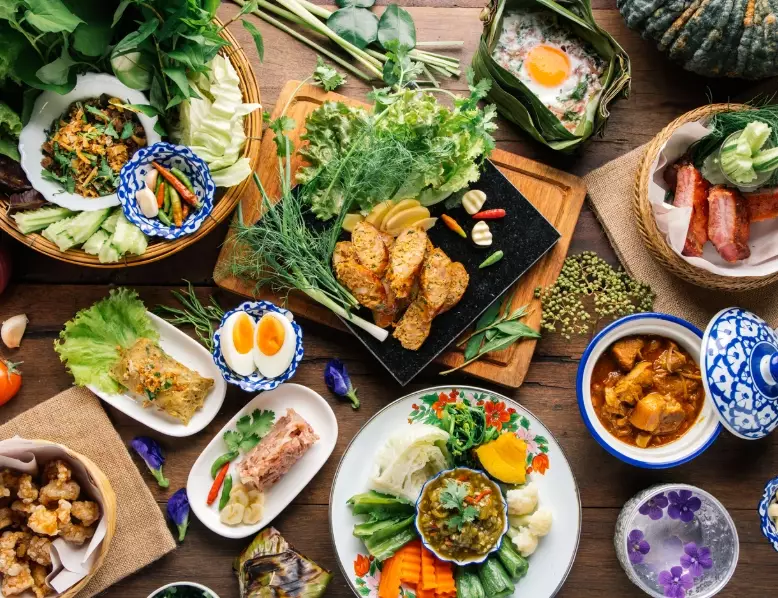
The Real-World Problem: How to Actually Order and Enjoy It
This is the part most guides miss. Knowing about flavors is great, but how does that help you on a Friday night staring at a massive menu? Let's get practical.
Decoding the Menu & Finding Your "Gateway" Dish
Don't just scan for familiar words. Look for the descriptions. Identify the core elements we talked about.
- Base: Is it rice, noodles, or in a broth?
- Protein: Chicken, beef, pork, shrimp, tofu?
- Sauce/Style: Is it a curry (Thai green/red, Japanese katsu)? A stir-fry (with black bean sauce, oyster sauce)? A soup (ramen, pho, laksa)?
- Key Flavor Words: Look for "ginger," "garlic," "lemongrass," "basil," "spicy," "coconut." These are your clues.
Another strategy I use: I ask the server, "What's the dish you'd make for a friend to show them what your food is really about?" or "What's your personal favorite?" This often gets you past the generic recommendations.
Navigating the Spice Question
This is a big one. Spice levels are subjective and cultural. What a Thai kitchen considers "medium" might blow your head off.
- Be Specific: Don't just say "spicy." Say, "I like a little kick but can't handle extreme heat. What level would you recommend?" or "Can we get it mild, with chili on the side?"
- Know the Heat Source: Szechuan peppercorns create a tingly, numbing sensation ("mala"). Thai bird's eye chilies are a sharp, piercing heat. Gochujang (Korean) is a fermented, savory heat. They feel different.
- It's Okay to Go Mild: Authenticity isn't just about pain tolerance. A well-made Massaman Curry is incredible at a mild level because of its complex spice blend, not just its chili content.
How to Spot a More Authentic Restaurant
You want the good stuff, not the generic, sweetened-up version. Here are some clues:
- The Menu is Focused: A place that does both sushi, pad thai, and kung pao chicken is usually a red flag. Great restaurants often specialize in one region or even one type of dish (just ramen, just Szechuan, just pho).
- There are Dishes You Don't Recognize: A section in the native language, or descriptions that mention offal, specific fish, or fermented items is a good sign. It means they're cooking for their own community too.
- The Clientele is Diverse: If you see people from that culture eating there, that's the best review you can get.
- Check Online Resources: I sometimes cross-reference with the Michelin Guide (if in a major city) for bib gourmand picks, or look for reviews that mention "authentic" or "just like in [country name]." Food forums like r/asianfood can have great local recommendations.
Beyond the Plate: The Dining Culture
How you eat is part of the experience. Getting this right makes it more enjoyable and shows respect.
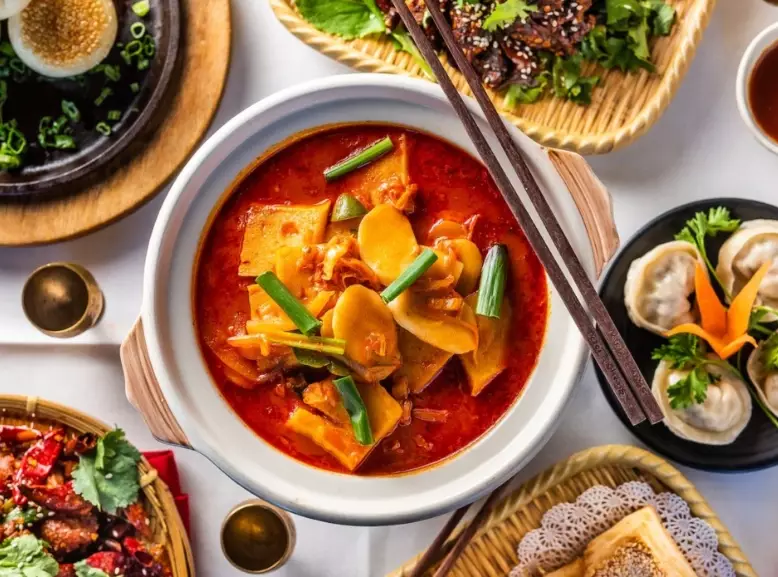
In many East Asian cultures (China, Japan, Korea), it's common to share several dishes family-style. Don't order one entree per person. Order 2-3 dishes for two people, plus rice, and share everything. You get to taste more variety. Lifting your rice bowl close to your mouth to eat is perfectly fine in China and Japan.
Chopsticks etiquette varies. Don't stick them upright in your rice (it resembles funeral rites). Don't pass food directly from your chopsticks to someone else's (another funeral association). Rest them on the chopstick rest or the edge of your plate/bowl.
In places like Thailand, using a fork and spoon is standard. The fork pushes food onto the spoon, and the spoon goes to your mouth.
A quick note on sushi etiquette if you find yourself at a sushi bar: It's generally okay to eat nigiri with your hands. Use chopsticks for sashimi. Dip the fish side, not the rice side, lightly into the soy sauce to avoid the rice falling apart. And please, don't mix wasabi into your soy sauce dish into a green paste. The chef has already applied the correct amount of wasabi between the rice and fish.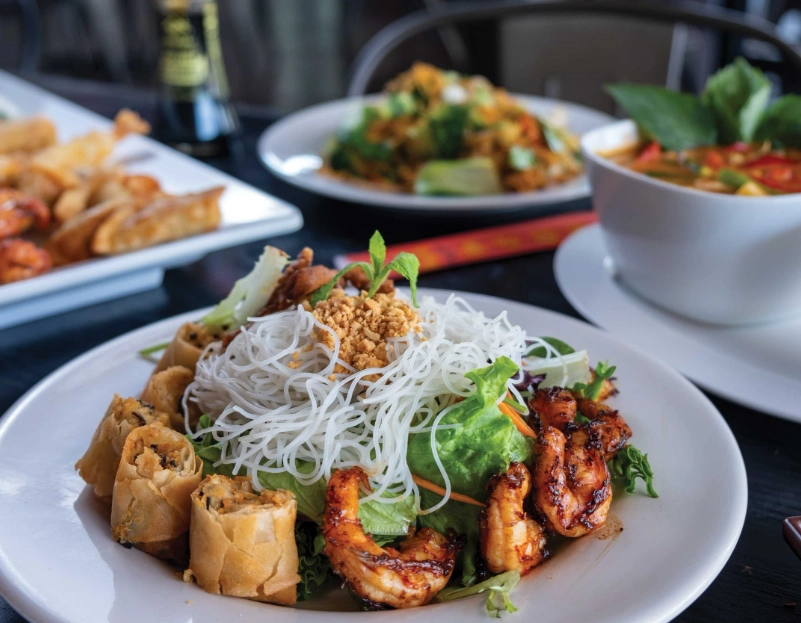
Answering Your Burning Questions (FAQ)
Bringing It Home: Your Next Steps
Understanding Asian Cuisine is a lifelong adventure, not a final exam. Start small. Pick one cuisine that intrigues you. Find a well-reviewed, authentic-looking restaurant in your area. Go with a friend or two so you can share.
Order one "safe" dish you think you'll like, and one adventurous one. Ask questions. Pay attention to the flavors we talked about. Notice the textures. Was it balanced?
If you want to cook, don't start by trying to make the most complex dish. Master a simple fried rice or a stir-fry with a good store-bought sauce first. Invest in a few key ingredients like a decent soy sauce, sesame oil, and some rice vinegar. Resources like the Just One Cookbook blog for Japanese food or Rasa Malaysia for Malaysian and Chinese dishes are fantastic, authentic starting points.
It's about more than just a meal. It's a way to connect with history, family traditions, and a different way of seeing flavor. Every dish has a story. Your job is just to be a willing listener, one delicious bite at a time.





Comments
Join the discussion