Quick Navigation
Europe is a continent of diverse cultures, landscapes, and histories, making it a dream destination for many travelers. But with so many options, which European country is best to visit for your next vacation? The answer depends on your interests, budget, and travel style. Based on my decade of travel experience, I’d say Italy, France, and Spain are among the top picks, but there are hidden gems that might suit you better. Let’s dive into a detailed comparison to help you decide.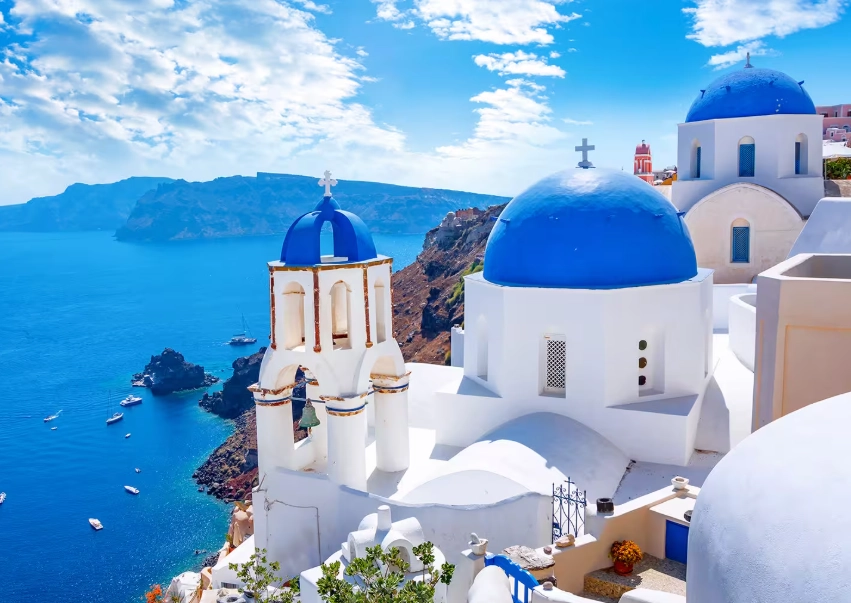
Italy: The Land of Art and Cuisine
Italy is a perennial favorite for first-time visitors to Europe, and for good reason. From the ancient ruins of Rome to the Renaissance art of Florence and the romantic canals of Venice, there’s something for everyone. But be warned: the crowds can be overwhelming, especially during peak seasons. My personal tip is to avoid summer visits if you want a more relaxed experience.
Must-See Attractions in Italy
Italy’s attractions are world-famous, but here are some specifics to help you plan:
- Colosseum in Rome: Address: Piazza del Colosseo, 1, 00184 Roma RM, Italy. Tickets cost €16 for adults, with discounts for EU citizens under 25. It’s open from 8:30 AM to 7:15 PM daily, but I recommend booking a skip-the-line ticket online to save hours of waiting. How to get there? Take Metro line B and get off at the Colosseo station.
- Uffizi Gallery in Florence: Home to Botticelli’s “Birth of Venus,” this museum is a must for art lovers. Tickets are €20 for adults, and it’s open from 8:15 AM to 6:50 PM Tuesday to Sunday. Book in advance to avoid the long lines that snake around the building.
- Grand Canal in Venice: No ticket needed to admire the views, but a gondola ride will set you back about €80 for a 30-minute tour. For a budget alternative, take the public vaporetto (water bus) for €7.50 per ride.
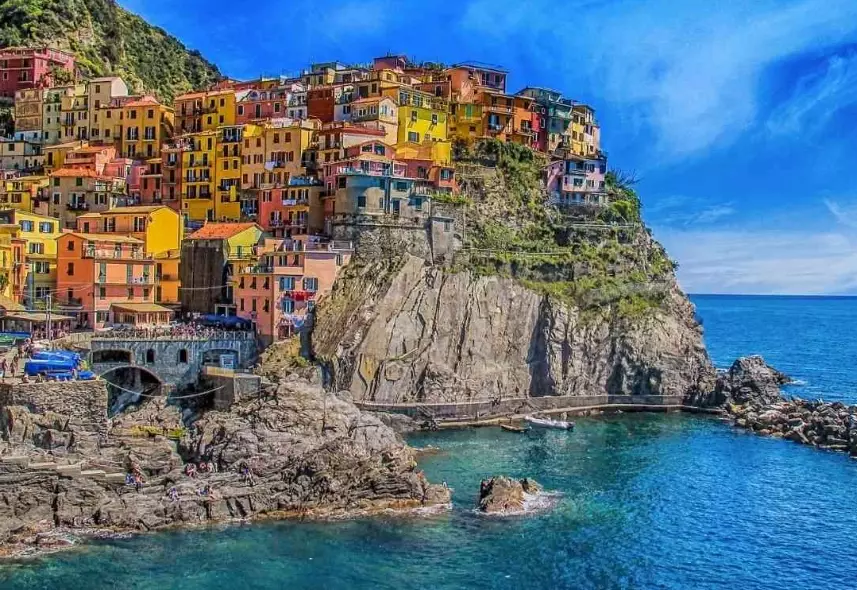
Italian Food You Must Try
Italian cuisine varies by region, so don’t just stick to pizza and pasta. In Naples, head to Pizzeria da Michele (Via Cesare Sersale, 1, 80139 Napoli NA, Italy) for what many consider the best pizza in the world. A Margherita pizza costs around €5, and it’s open from 11 AM to 11 PM. In Bologna, try tagliatelle al ragù at Trattoria Anna Maria (Via delle Belle Arti, 17, 40126 Bologna BO, Italy), where a meal averages €15-€20.
Where to Stay in Italy
Accommodation in Italy ranges from budget hostels to luxury hotels. In Rome, The Beehive (Via Marghera, 8, 00185 Roma RM, Italy) is a favorite among budget travelers, with dorms from €25 per night. For a mid-range option in Florence, Hotel Orto de’ Medici (Via San Gallo, 30, 50129 Firenze FI, Italy) offers rooms from €120, including breakfast. If you’re splurging, consider Hotel Danieli in Venice (Riva degli Schiavoni, 4196, 30122 Venezia VE, Italy), where rates start at €500 per night.
France: Romance and History
France is synonymous with romance, but it’s also a hub for history, art, and gastronomy. Paris gets most of the attention, but regions like Provence and the French Riviera offer a more laid-back vibe. One common mistake travelers make is overlooking the smaller towns—places like Annecy or Colmar can be just as enchanting without the tourist hordes.
Top Attractions in France
Here are some highlights:
- Eiffel Tower in Paris: Address: Champ de Mars, 5 Avenue Anatole France, 75007 Paris, France. Ticket prices vary by access level; summit access costs €25.90 for adults. It’s open from 9:30 AM to 11:45 PM. Pro tip: Visit early in the morning or late at night to avoid the worst crowds.
- Louvre Museum: Home to the Mona Lisa, the Louvre is massive. Tickets are €17 if purchased online, and it’s open from 9 AM to 6 PM daily except Tuesdays. Don’t try to see everything in one day—focus on a few galleries, like the Egyptian antiquities.
- Mont Saint-Michel in Normandy: This island commune is a UNESCO World Heritage site. Access is free, but parking costs €15. The abbey charges €11 for entry and is open from 9:30 AM to 6 PM.
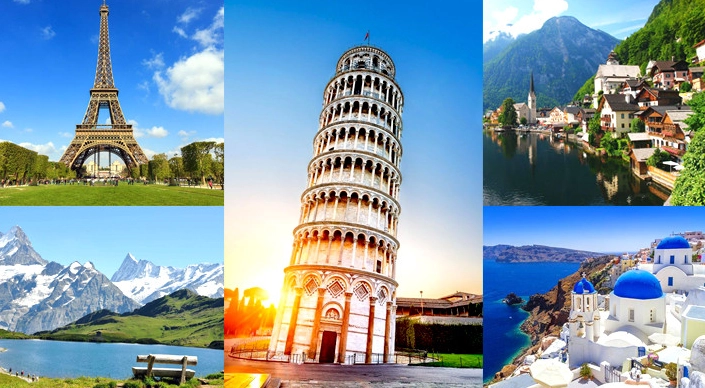
French Cuisine Beyond Croissants
French food is an art form. In Paris, skip the tourist traps near the Eiffel Tower and head to Le Comptoir du Relais (9 Carrefour de l'Odéon, 75006 Paris, France) for classic bistro fare. A three-course meal runs about €40. In Lyon, the culinary capital, try quenelles at Brasserie Le Nord (18 Rue Neuve, 69002 Lyon, France), with mains from €20.
Accommodation in France
For budget stays, consider St Christopher’s Inn in Paris (159 Rue de Crimée, 75019 Paris, France), with dorms from €30. Mid-range travelers might like Hôtel de la Paix in Nice (12 Rue Saint-François de Paule, 06300 Nice, France), with rooms from €100. For luxury, Hotel de Crillon in Paris (10 Place de la Concorde, 75008 Paris, France) offers rooms from €800 per night.
Spain: Vibrant Culture and Beaches
Spain is where you go for fiestas, flamenco, and fantastic beaches. It’s generally more affordable than Italy or France, making it a great choice for budget travelers. But be prepared for late dinners—Spaniards often eat after 9 PM, which can be a adjustment if you’re used to earlier meals.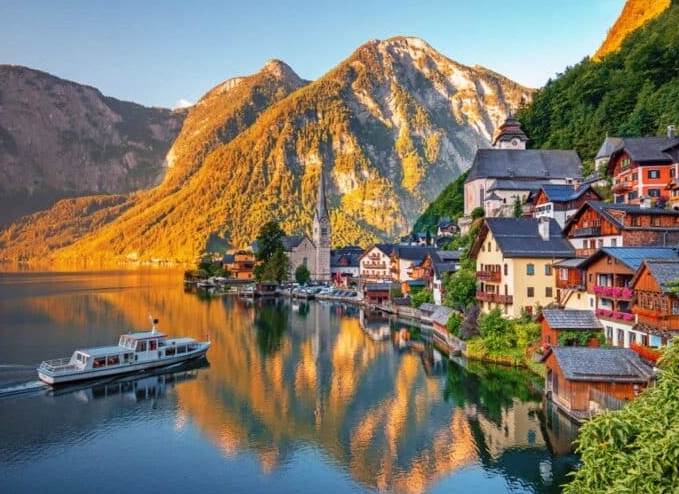
Must-Visit Places in Spain
- Sagrada Familia in Barcelona: Address: Carrer de Mallorca, 401, 08013 Barcelona, Spain. Tickets start at €20 for adults, and it’s open from 9 AM to 8 PM. Book online to avoid queues, especially during summer.
- Alhambra in Granada: This Moorish palace complex requires advance booking. Tickets are €14, and visiting hours are from 8:30 AM to 8 PM. The Alhambra is a highlight of Andalusia, but it sells out weeks in advance.
- Park Güell in Barcelona: Another Gaudí masterpiece, with tickets costing €10. It’s open from 9:30 AM to 7:30 PM. For free views, head to the adjacent area outside the monumental zone.
Spanish Food and Tapas Culture
Tapas are a way of life in Spain. In Madrid, visit El Tigre (Calle de las Infantas, 23, 28004 Madrid, Spain) for generous free tapas with drinks—a beer costs €3, and you’ll get a plate of patatas bravas. In San Sebastian, known for pintxos (Basque tapas), try Bar Nestor (Calle del Puerto, 11, 20003 Donostia, Gipuzkoa, Spain) for their famous tortilla, priced at €4 per slice.
Where to Stay in Spain
Budget: Sant Jordi Hostels in Barcelona (Carrer de la Diputació, 104, 08015 Barcelona, Spain) offers dorms from €20. Mid-range: Hotel Riu Plaza España in Madrid (Calle de Gran Vía, 84, 28013 Madrid, Spain) has rooms from €120. Luxury: Hotel Arts Barcelona (Carrer de la Marina, 19-21, 08005 Barcelona, Spain) starts at €300 per night.
Other Top European Destinations
Beyond the big three, Europe has hidden gems. Greece offers ancient ruins and island hopping, but infrastructure can be lacking outside tourist areas. Germany is efficient and historic, with castles along the Rhine, but it might not have the “wow” factor for some. Personally, I’d recommend Portugal for its blend of affordability and charm—Lisbon’s hills can be tiring, though.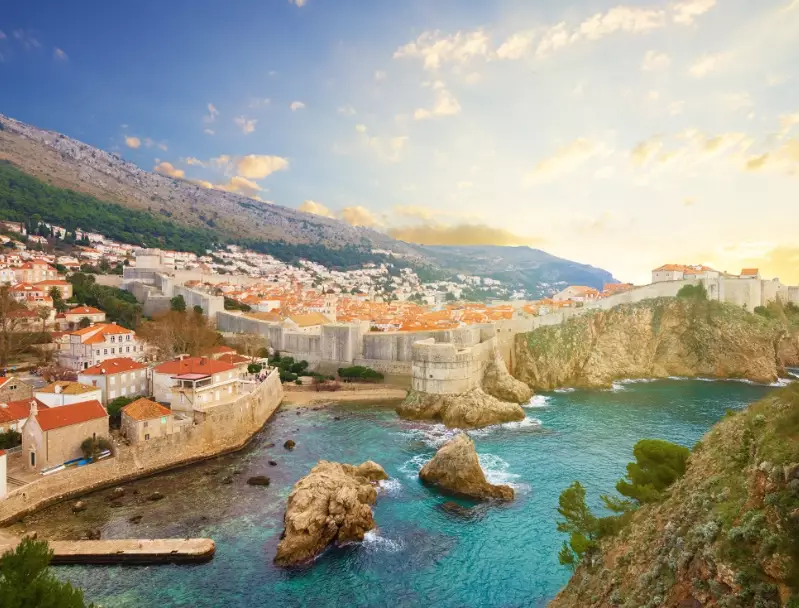
Quick Comparison Table
| Country | Best For | Estimated Daily Budget | Visa Requirements for U.S. Citizens |
|---|---|---|---|
| Italy | Art, history, food | €100-€200 | Visa-free for up to 90 days |
| France | Romance, culture, wine | €120-€250 | Visa-free for up to 90 days |
| Spain | Beaches, nightlife, affordability | €80-€180 | Visa-free for up to 90 days |
| Greece | Islands, ancient sites | €70-€150 | Visa-free for up to 90 days |
| Portugal | Scenery, value | €60-€130 | Visa-free for up to 90 days |
How to Plan Your European Trip
Choosing the best European country isn’t just about picking a name from a list. Think about what you want from your trip. Are you into museums or beaches? Do you prefer bustling cities or quiet villages? Here’s a simple framework:
- Define your interests: Make a list of must-see attractions or experiences.
- Set a budget: Include flights, accommodation, food, and activities.
- Check travel seasons: Shoulder seasons (spring and fall) offer better weather and fewer crowds.
- Consider logistics: How will you get around? Trains are efficient in Western Europe, but buses might be cheaper in the east.
For instance, if you love food and have a moderate budget, Italy or France could be ideal. But if you’re a solo traveler on a shoestring, Spain or Portugal might offer more value. I once met a traveler who regretted spending too much time in Paris because they didn’t account for the high costs—plan ahead to avoid such pitfalls.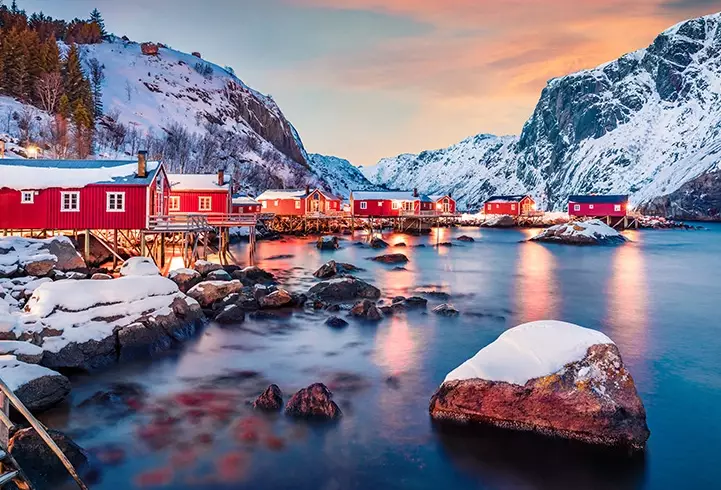
Frequently Asked Questions
Ultimately, the best European country to visit is the one that aligns with your personal travel goals. Whether it’s Italy’s art, France’s romance, Spain’s vibrancy, or a hidden gem like Slovenia, Europe has something for everyone. Start planning today, and don’t forget to check official resources like the European Travel Commission for the latest travel advisories and tips. Happy travels!






Comments
Join the discussion