In This Guide
Let's be honest. When you think about Melbourne tourism, you probably picture a tram, some coffee, and maybe a bit of street art. And you're not wrong. But there's a whole other layer to this place that most quick guides just skim over. I've spent more time than I'd like to admit getting lost in its laneways, waiting for the perfect flat white, and figuring out what the heck the weather is doing (it can do four seasons in a day, seriously). This isn't just a list of attractions. It's a manual for actually experiencing Melbourne, not just checking it off a list.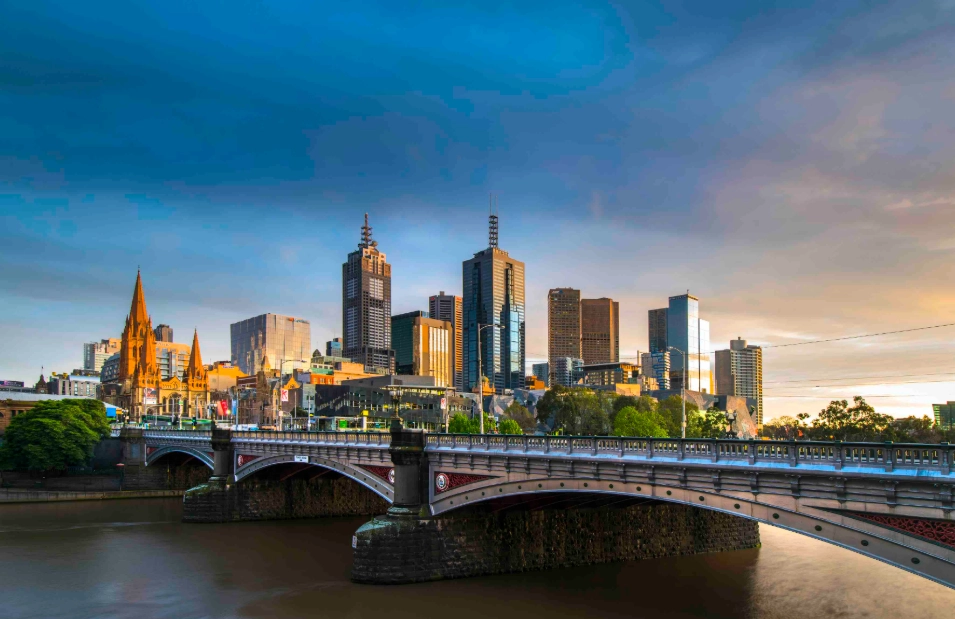
Melbourne doesn't shout its greatness. It whispers it from a hole-in-the-wall espresso bar, sprays it on a brick wall in a back alley, and bakes it into a sourdough loaf in a Collingwood bakery. The real magic of Melbourne tourism is in the details, the vibe, the slightly grungy but incredibly creative energy that pulses through the city. If you want the polished, postcard version, look elsewhere. This is for the traveler who wants to get their hands a little dirty (possibly with coffee grounds).
The Heart of the Matter: What Makes Melbourne Tick?
Before we dive into the where and when, let's talk about the why. Why do people rave about Melbourne? It's not about one big iconic monument. It's the sum of a thousand little parts.
Coffee Culture: It's Not a Cliché, It's a Religion
I'll say it. The coffee hype is real. But it's not just about quality (which is sky-high). It's about the ritual. Walking into a good Melbourne cafe, you're hit with the sound of the grinder, the smell of roasted beans, and the sight of a tattooed barista who treats the espresso machine like a scientific instrument. Ordering a "coffee" will get you a confused look. You need to be specific: flat white, long black, piccolo latte.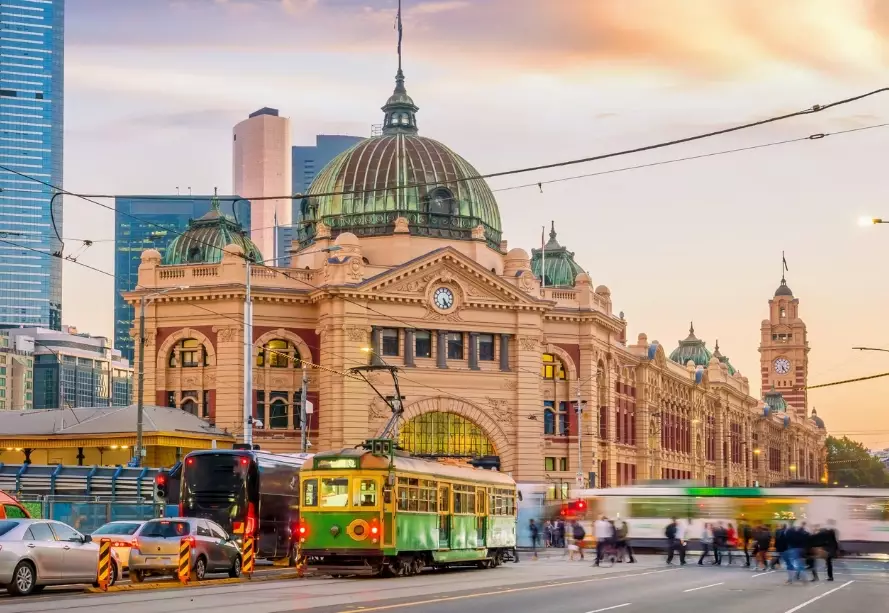
My personal rule? Avoid the shiny, sterile chains in the main shopping malls. The best spots are often in unassuming corners. I once found a place down a laneway so narrow I almost missed it, and it served the best batch brew I've ever had. The owner just chatted about beans for twenty minutes. That's the Melbourne coffee experience.
Laneways & Street Art: The City's Open-Air Gallery
Hosier Lane is the famous one, and yeah, it's cool. But it's also often packed with tourists. The beauty of Melbourne's street art is that it's ephemeral and everywhere. Wander down any of the central laneways—AC/DC Lane, Centre Place, Union Lane—and you'll see constantly changing murals, stencils, and paste-ups. The city council pretty much tolerates it in designated areas, which gives artists a legal canvas. It means the scenery is never the same twice.
Sporting Madness: More Than Just a Game
Whether it's the roar of 100,000 people at the MCG on AFL Grand Final day, the silent tension of a test match at the Melbourne Cricket Ground, or the screeching tires of the Formula 1 Australian Grand Prix in Albert Park, sport is in Melbourne's DNA. Attending an event is less about the sport itself and more about feeling the city's collective heartbeat. Even if you don't know the rules, the atmosphere is infectious.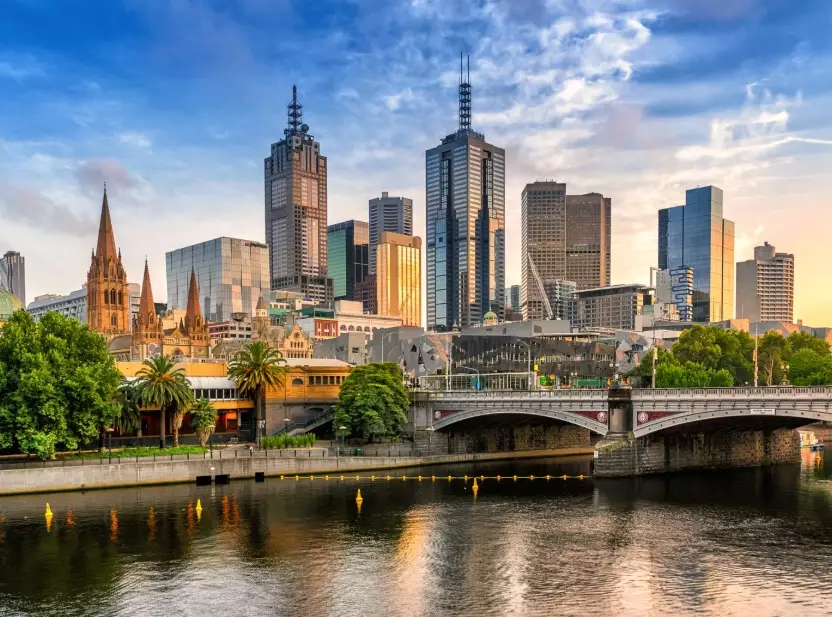
Really.
Building Your Melbourne Tourism Itinerary: The Core Experiences
Alright, let's get practical. What should you actually do with your time? Here’s a breakdown, not by "top 10," but by type of experience.
For the Food-Obsessed (That's Most of Us)
Melbourne's food scene is dizzyingly diverse. Forget fine dining as the only goal—some of the best meals are casual.
- Queen Victoria Market: This isn't just a market; it's an institution. Go hungry for the "Food Hall"—dumplings, borek, oysters, doughnuts. The general merchandise sections are great for souvenirs (think Australian wool, leather goods). Check their website for night market dates in summer.
- Lygon Street, Carlton: The historic Italian precinct. It's a bit touristy, but the atmosphere is fun. Get a gelato and people-watch.
- Asian Food Havens: Richmond for Vietnamese (Victoria Street is legendary), Box Hill for Chinese, and Springvale for a broader Southeast Asian mix. These suburbs offer an authentic, and often cheaper, deep dive into incredible cuisine.
For Culture & History Buffs
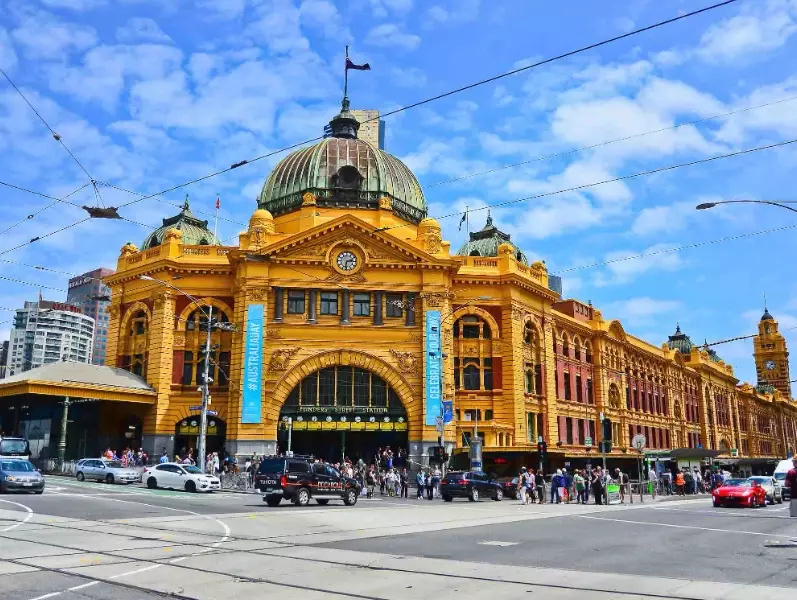
Beyond the laneways, Melbourne has a rich, layered history.
- Melbourne Museum: Located in the Carlton Gardens, it's fantastic. The Bunjilaka Aboriginal Cultural Centre is a must-see for understanding the land's first peoples. The forest gallery and the dinosaur walk are great for all ages. You can plan your visit via the Museums Victoria website.
- Immigration Museum: Tells the powerful stories of people who have made Australia home. It's moving and incredibly well-presented.
- State Library Victoria: Don't just walk past it. Go inside and see the stunning La Trobe Reading Room. It's free, peaceful, and awe-inspiring. You can feel the weight of knowledge.
- Royal Botanic Gardens: A sprawling, beautiful escape right next to the city. Perfect for a picnic, a walk, or just lying on the grass. It's free, which is a bonus.
The Great Outdoors & Day Trips
One of the best parts of Melbourne tourism is how easily you can escape the urban grid.
| Destination | How to Get There | Why Go | Realistic Time Needed |
|---|---|---|---|
| Great Ocean Road | Drive (3 hrs to start) or tour | Iconic coastal scenery, 12 Apostles. Busy but breathtaking. | Full, long day (12+ hrs) |
| Phillip Island | Drive (2 hrs) or tour | Penguin Parade (tiny penguins waddling ashore at dusk). Very touristy but unique. | Afternoon/Evening |
| Yarra Valley | Drive (1 hr) or tour | Wineries, gourmet food, beautiful hills. Perfect for a relaxed day. | Full day |
| Mornington Peninsula | Drive (1.5 hrs) | Beaches, hot springs, more wineries, coastal walks. A local favorite. | Day trip or weekend |
| Dandenong Ranges | Train/Bus (1.5 hrs) | Fern forests, Puffing Billy steam train, quaint villages like Sassafras. | Day trip |
My take? The Great Ocean Road is stunning, but it's a marathon day. The Yarra Valley or Mornington Peninsula often give you a more relaxed, equally "Victorian" experience in less time.
The Nitty-Gritty: Your Practical Melbourne Tourism Guide
When to Visit? Decoding Melbourne's Bonkers Weather
Everyone asks this. There's no perfect answer, only trade-offs.
- Summer (Dec-Feb): Warm to hot, long days. Festival season is in full swing (Australian Open tennis, music festivals). Also the busiest and most expensive time. Can get uncomfortably hot.
- Autumn (Mar-May): My personal favorite. The weather is mild, the leaves change color, and the summer crowds have thinned. It's just pleasant.
- Winter (Jun-Aug): Cold, damp, and gray. But... this is when the city's cosy interiors shine—pubs, cafes, galleries. It's also the best time for cafe-hopping without queues. Pack a good coat.
- Spring (Sep-Nov): Unpredictable but can be glorious. Flowers bloom, the mood lifts, but you might get "four seasons in a day."
Getting Around: Trams, Myki, and Your Own Two Feet
The CBD and inner suburbs are incredibly walkable. The real star is the tram network, especially the free City Circle Tram (the old burgundy and green ones) that loops past major landmarks. For any other tram, train, or bus, you need a Myki card. It's a touch-on, touch-off system. You can buy one at train stations, some convenience stores, and at the SkyBus terminals at the airport. The official Public Transport Victoria (PTV) website is your bible for planning journeys.
Airport Transfer: The SkyBus is the most straightforward way to get between Melbourne Airport (Tullamarine) and the city. It runs frequently and takes you to Southern Cross Station. Taxis and rideshares are available but will be significantly more expensive, especially in peak traffic.
Where to Stay? Neighborhood Vibes
Staying right in the CBD is convenient but can feel sterile at night. The inner suburbs have more personality.
- Fitzroy/Collingwood: The epicenter of cool. Grungy, creative, packed with indie shops, bars, and cafes. Not the quietest, but full of life.
- St Kilda: Beachside, backpacker-friendly, with a slightly faded grandeur. The Esplanade market on Sundays is lovely.
- Southbank/South Wharf: Glossier, with high-rise hotels, the casino, and upscale restaurants. Great for river views.
- Carlton: Academic vibe (University of Melbourne is nearby), Italian roots, beautiful Victorian terraces. More relaxed.
Putting It All Together: Sample Itinerary Ideas
If You Have a Long Weekend (3 Days)
Day 1: City Immersion. Start with a coffee in Degraves Street. Get lost in the laneways (Hosier, AC/DC, Centre Place). Visit Federation Square and walk across to the Ian Potter Centre for Australian art. Lunch at Queen Vic Market. Afternoon at the Melbourne Museum or State Library. Evening dinner in Chinatown or on Hardware Lane.
Day 2: Culture & Gardens. Morning at the Royal Botanic Gardens. Walk or tram to the Shrine of Remembrance for a view. Afternoon exploring the arts precinct—maybe see a show at the Arts Centre or visit the NGV International (it's free!). Take a tram to St Kilda for sunset on the pier (look for the little penguins).
Day 3: Choose Your Adventure. Option A: Day trip to the Yarra Valley for wine. Option B: Take Puffing Billy in the Dandenongs. Option C: Stay local and explore the shops and cafes of Fitzroy and Collingwood.
If You Have a Full Week
Do the long weekend plan, then add:
- A dedicated foodie day hitting Richmond (Vietnamese), Footscray (African and Vietnamese), or a specific cooking class.
- A major day trip like the Great Ocean Road (book a tour to relax).
- A deep dive into a suburb like Brunswick for live music, or Williamstown for maritime history.
- A sporting event if the season aligns—AFL in winter, cricket in summer.
Questions You're Probably Asking (FAQ)
Final Thought: The best advice I can give for Melbourne tourism is to schedule in some aimless wandering. Don't over-plan every minute. Leave a morning free to just follow a interesting-looking lane, pop into a bookstore, or sit in a park. Melbourne rewards the curious and the slow. It's a city that reveals itself in layers, not all at once. So grab a coffee (a flat white, please), get a semi-reliable map, and go get a little lost. You'll find the best stuff that way.
Comments
Join the discussion