Quick Guide
- The Biggest Chunk: Getting There (Flights to Rarotonga)
- Where to Lay Your Head: Accommodation Costs
- Eating & Drinking: The Daily Grind
- Getting Around: Buses, Scooters & Domestic Flights
- Activities & Tours: Where the Fun (and Money) Goes
- Putting It All Together: Sample Budgets for Different Travelers
- Money-Saving Hacks & Pain Points
- Answers to Questions You're Probably Asking
- Final Thoughts: Is It Worth the Cost?
Let's be honest. You've seen the pictures. Those impossibly blue lagoons, the overwater bungalows, the palm-fringed beaches with sand so white it hurts your eyes. The Cook Islands look like a screensaver come to life. And then you think about your bank account and wonder, "Can I actually afford this?"
That's the question everyone asks. The Cook Islands tourism cost is the big, silent elephant in the room for most dreamers. It's not Bali or Thailand. It's a remote speck in the South Pacific, and getting there and staying there comes with a price tag that can make you gulp.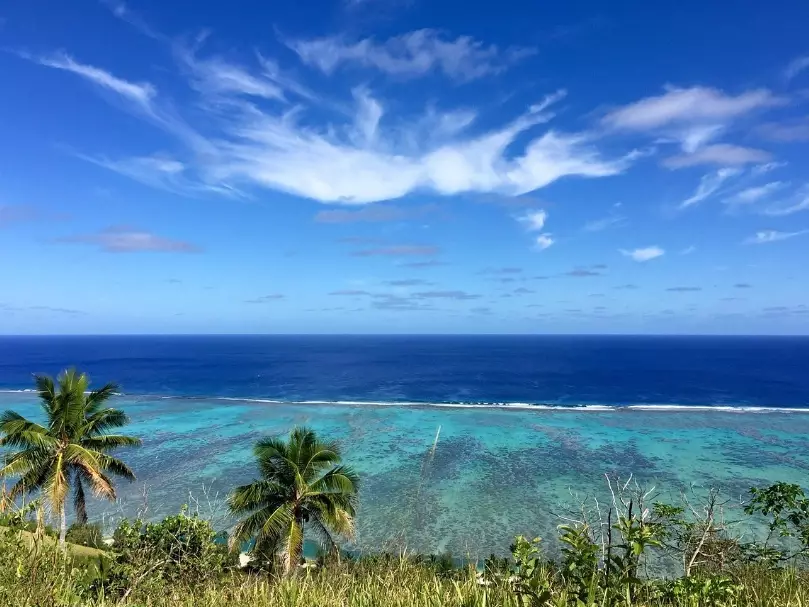
But here's the thing – it's not *impossible*. It's about knowing where the money goes, where you can save, and where you absolutely shouldn't skimp. I've been there, I've made some budgeting mistakes (more on that later), and I've talked to dozens of travelers who've done it on different budgets. This guide isn't about selling you a fantasy. It's about giving you the raw, unfiltered breakdown so you can plan a trip that's incredible without leaving you financially shipwrecked.
We're going to dissect everything: the shock of the airfare, the accommodation spectrum from basic to blowout, what a simple lunch really costs, and whether that lagoon cruise is worth its weight in gold. By the end, you'll have a crystal-clear picture of your Cook Islands trip cost.
The Biggest Chunk: Getting There (Flights to Rarotonga)
This is usually the single largest expense and the one you have the least control over. There are no budget airlines hopping between continents and Rarotonga. You're flying with national carriers or limited partners, and prices are, frankly, steep.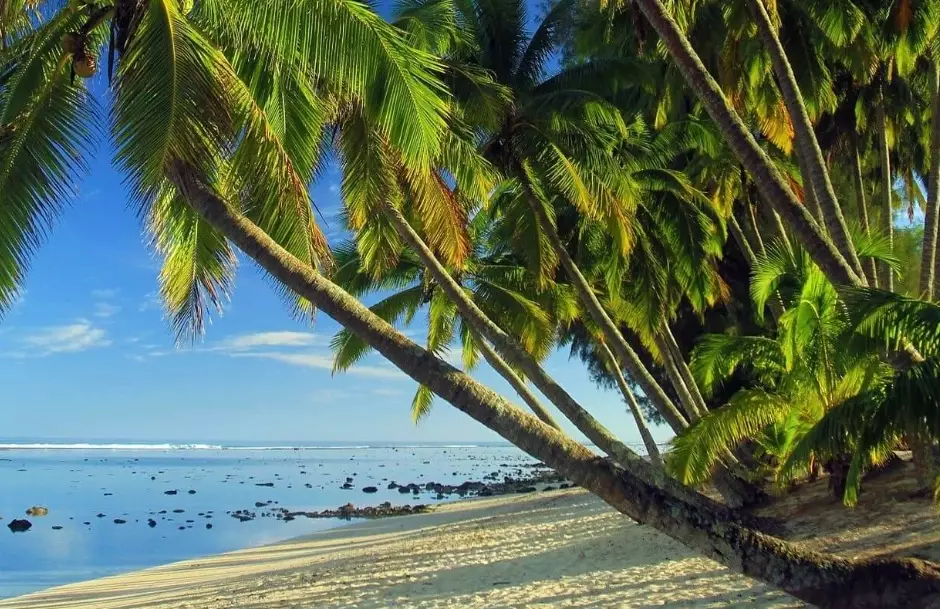
Flights are the cornerstone of your Cook Islands vacation cost. You're paying for distance and exclusivity.
- From Los Angeles (LAX): This is the main US gateway. Air New Zealand and occasionally Hawaiian Airlines operate this route. Expect to pay $1,200 - $2,200 USD roundtrip per person in economy. I booked 4 months out and paid $1,650. My friend booked 2 weeks out in peak season and paid over $2,400. Ouch. The lesson? Book early.
- From Auckland (AKL): This is the busiest route. Air New Zealand and Jetstar fly here. Prices are generally better: $400 - $900 NZD roundtrip. Sales do happen, especially on Jetstar, but watch for baggage fees.
- From Sydney (SYD) or Melbourne (MEL): Similar to Auckland, with Qantas and Air NZ. $600 - $1,200 AUD roundtrip is typical.
When budgeting your Cook Islands cost, mentally allocate that flight money and consider it gone. Everything else feels easier after that.
Where to Lay Your Head: Accommodation Costs
This is where your Cook Islands tourism cost gets flexible. You can sleep in a dorm bed or a palace hovering over the lagoon. There's very little in-between "resort" and "budget," which is interesting. The mid-range market is thinner than you'd think.
Here’s a breakdown of what you’re looking at per night. Remember, these are averages and can swing wildly with season and last-minute deals.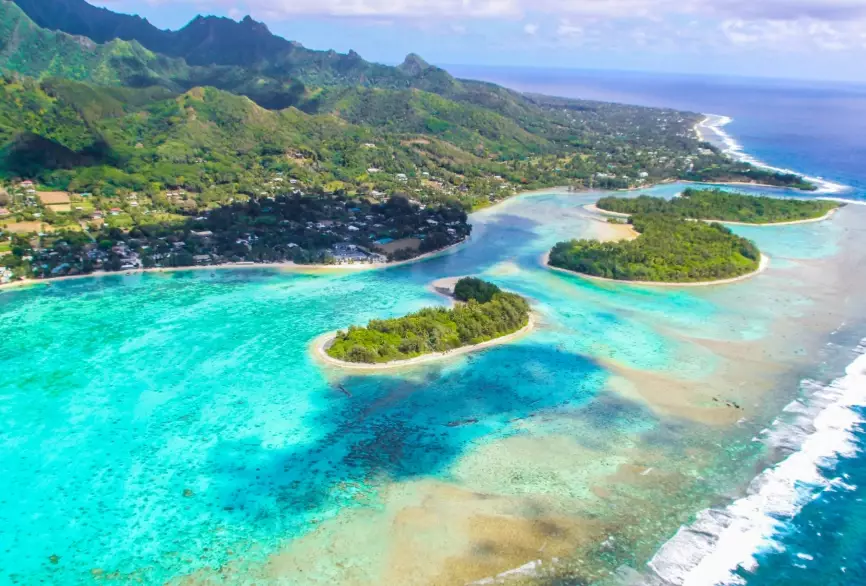
| Accommodation Type | Price Range (Per Night) | What You Get & Notes |
|---|---|---|
| Backpacker Hostel / Guesthouse | $30 - $70 NZD | A dorm bed or basic private room, often with shared facilities. Social, great for solo travelers. Check out places like Backpackers Rarotonga. Book ahead in peak season (June-Sept). |
| Self-Contained Unit / Airbnb | $100 - $250 NZD | Your best friend for managing Cook Islands trip cost. A studio or 1-bedroom with a kitchenette. Lets you save massively on food. Look in Muri or near Avarua. I stayed in a cute Muri studio for $130/night and saved a fortune on breakfasts and lunches. |
| Mid-Range Hotel / Resort | $250 - $500 NZD | A comfortable hotel room, often with breakfast included, maybe a pool. The "standard" tourist option. Resorts like Rarotongan Beach Resort often sit in this range. |
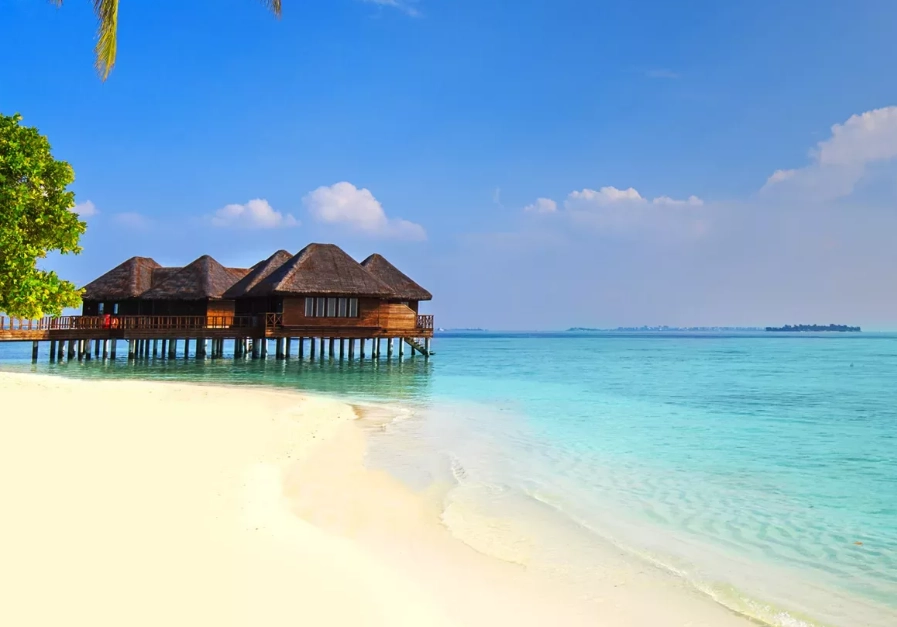
| Luxury Resort / Overwater Bungalow (Aitutaki) | $600 - $1,500+ NZD | The dream. Think Pacific Resort Aitutaki or an overwater villa at Aitutaki Lagoon Resort. This is where the Cook Islands vacation cost skyrockets, but the experience is unparalleled. |
My personal take? Unless luxury is the entire point of your trip, go for the self-contained unit. Having a fridge to store fruit, yoghurt, and drinks, and a stove to cook pasta or stir-fry some local fish, is the single most effective way to control your daily Cook Islands cost. Eating out for every meal is a budget killer.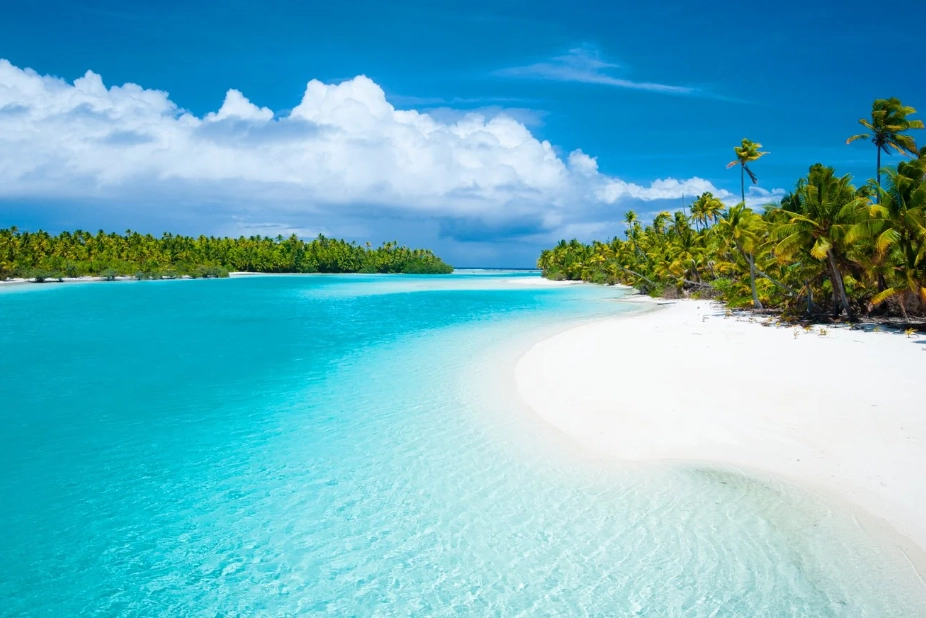
Eating & Drinking: The Daily Grind
Food. This can be a delightful expense or a painful one. The Cook Islands isn't a street food paradise like Southeast Asia. There are a handful of amazing local eateries (the "punas" or takeaway shops), some good cafes, and a few high-end restaurants. Groceries are imported, so they're not cheap either.
A Sample Daily Food Budget (Per Person)
- Budget (Self-Catering Focus): $30-50 NZD
Breakfast (yoghurt/muesli/fruit from supermarket), pack a lunch (sandwiches), dinner at a local puna or simple home-cooked meal. - Moderate (Mix of Eating Out): $70-120 NZD
Cafe breakfast ($20), lunch at a puna or burger place ($15-25), dinner at a mid-range restaurant with a drink ($40-60). - Luxury (Dining Out Every Meal): $150+ NZD
Resort breakfast buffet, sit-down lunch, fine dining dinner with cocktails and wine.
Some real-world prices I scribbled down:
- Capuccino at a cafe: $6-7 NZD
- Fish burger & fries at a takeaway: $18-22 NZD
- Main course at a nice restaurant like Tamarind House: $35-50 NZD
- Local beer (Cook's Lager) at a bar: $8-10 NZD
- 1.5L bottle of water from supermarket: ~$3 NZD (Tap water is generally safe to drink in Rarotonga)
The Ika Mata (raw fish marinated in coconut and lime) is a must-try and often a great value. The Cook Islands Tourism Corporation website has a good directory of eateries, but honestly, asking your accommodation host for their favorite local spot is the best move.
Getting Around: Buses, Scooters & Domestic Flights
Rarotonga is easy. You have two choices, really.
- The Island Bus ($5-8 NZD per ride, $30 for a multi-day pass): It goes clockwise and anti-clockwise. It's reliable, fun, and a fantastic way to meet people. For a low Cook Islands tourism cost, this is your go-to.
- Scooter Rental (~$25-35 NZD per day): The classic Cook Islands experience. You need a local license ($10-20 NZD) from the police station. It gives you total freedom. Fuel is cheap. Just drive slowly and carefully – the roads are narrow.
Now, for the big one: Getting to Aitutaki. This is a major add-on to your Cook Islands trip cost. You must fly (Air Rarotonga). The return flight is around $350 - $450 NZD per person. Yes, it's expensive for a 45-minute flight. But Aitutaki's lagoon is the poster child for the country, and for many, the trip isn't complete without it. You can sometimes find package deals that bundle flights and accommodation.
Is it worth it? For me, absolutely. It felt like a different, even more relaxed world. But if your budget is super tight, Rarotonga has more than enough beauty to keep you enthralled for a week.
Activities & Tours: Where the Fun (and Money) Goes
This is the variable that can make or break your Cook Islands vacation cost. You can laze on the free beach every day, or you can be out on the water daily. Most people want a mix.
Here’s a quick list of popular activities and their rough costs (per person):
- Lagoon Cruise (Rarotonga): $80-120 NZD. Includes snorkeling, maybe a BBQ lunch. Captain Tama's is legendary.
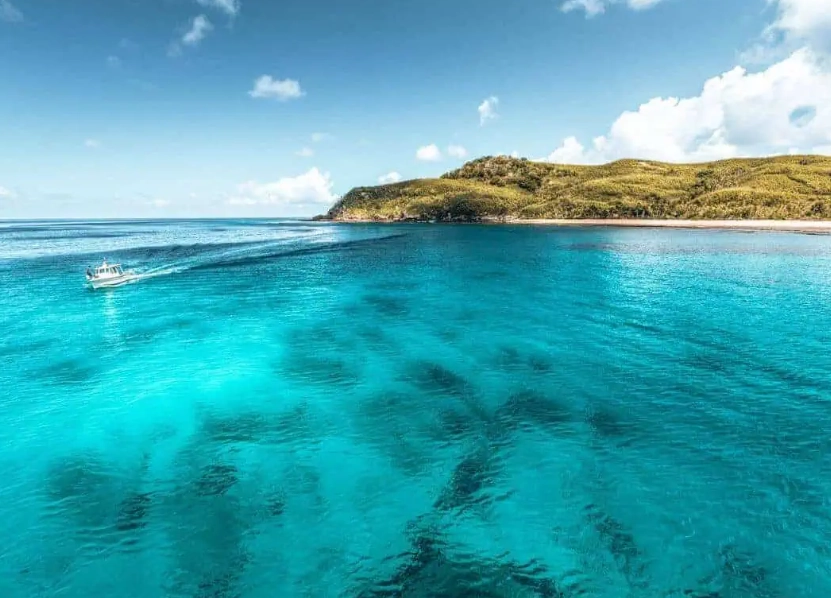
- Aitutaki Lagoon Cruise (The MUST-DO): $150-200 NZD. A full day exploring the motus (islets) and the famous "One Foot Island." This is non-negotiable if you go to Aitutaki. Vaka Cruises is superb.
- Cultural Show & Feast (Night): $70-100 NZD. Like the Te Vara Nui Village tour. A bit touristy but a fun, immersive evening of dance and food.
- 4WD Island Safari: $80-100 NZD. Go up into the interior, learn history, see amazing views.
- Snorkel Gear Rental: $10-20 NZD per day. Or bring your own to save.
- Hiking (Cross-Island Track): FREE. One of the best free activities in the world.
Putting It All Together: Sample Budgets for Different Travelers
Let's get concrete. These are estimates for a 7-night trip for one person, excluding international flights. They assume a mix of activities.
The Budget Backpacker
- Accommodation: Hostel dorm ($40/night x 7) = $280 NZD
- Food: Mostly self-catered + punas ($35/day x 7) = $245 NZD
- Transport: Bus pass + maybe 1 scooter day = $70 NZD
- Activities: One lagoon cruise, hiking, free snorkeling = $120 NZD
- Total (excl. flights): ~$715 NZD (~$430 USD)
The Comfortable Couple/Traveler
- Accommodation: Nice 1-bedroom Airbnb ($180/night /2 people = $90 pp/night x 7) = $630 NZD
- Food: Mix of eating out and cooking ($70/day x 7) = $490 NZD
- Transport: Scooter rental for 5 days ($30/day /2 = $15 pp/day x 5) = $75 NZD
- Activities: Raro lagoon cruise, Aitutaki day trip? (flight+cruise), cultural show = $600 NZD
- Total (excl. flights): ~$1,795 NZD (~$1,080 USD)
The Luxury Seeker
- Accommodation: High-end resort ($400/night x 7) = $2,800 NZD
- Food: All meals out, drinks ($150/day x 7) = $1,050 NZD
- Transport: Private transfers, scooter = $200 NZD
- Activities: All top-tier tours, spa treatments = $1,000 NZD
- Total (excl. flights): ~$5,050 NZD (~$3,040 USD)
See? The Cook Islands cost spectrum is wide. Your choices define it.
Money-Saving Hacks & Pain Points
After all this talk of costs, let's focus on saving.
Hacks:
- Travel Off-Peak: November (before Christmas) and February-April (after summer holidays) often have better accommodation rates. Just be mindful of the wetter, hotter weather.
- Book Accommodation Directly: Email the hotel or Airbnb host. Sometimes they offer a "cash discount" or a free night for longer stays if you book direct and bypass platforms.
- Embrace the Puna: The local takeaway shops serve massive, delicious plates of curry, chop suey, or fish for $10-15 NZD. It's the best value food on the island.
- Bring a Reusable Water Bottle: Tap water is safe in Rarotonga. Save $3/day and help the environment.
- Check the Cook Islands Government website for event calendars: You might catch a free local dance competition or festival.
Pain Points (Where You'll Get Stung):
- Last-Minute Everything: Flights and good accommodation sell out. Book key things 3-6 months ahead.
- Forgetting Cash: While cards are accepted in many places, smaller punas, the bus, and some market stalls are cash-only (NZD). There are ATMs, but fees apply.
- Underestimating Activity Costs: They add up fast. Prioritize and book in advance, especially for Aitutaki trips.
Answers to Questions You're Probably Asking
Final Thoughts: Is It Worth the Cost?
Look, the Cook Islands tourism cost is real. It's not a cheap destination. You're paying for remoteness, pristine environments, and a culture that's still wonderfully intact and not overrun by mass tourism.
But here's what you're buying that doesn't have a price tag: the feeling of having a world-class beach almost to yourself. The genuine warmth of the locals who aren't jaded by tourists. The silence at night, broken only by the waves and the rustle of palms. The sheer, overwhelming beauty of water in fifty shades of blue.
You can't get that just anywhere.
So, budget wisely. Save on the things that don't matter as much to you (maybe a cheaper room, maybe fewer fancy dinners) so you can splurge on the experiences that do (that Aitutaki cruise, that special beachfront dinner).
Plan with your eyes wide open, using the numbers we've talked about. If you do that, you won't be shocked by your credit card bill. Instead, you'll be left with memories that feel, frankly, priceless. And that's the whole point, isn't it?
Start saving, start planning. It's more achievable than you think.

Comments
Join the discussion