Quick Navigation
- The Flight Path Puzzle: Your Gateway Hubs Explained
- The Airlines You'll Actually Be Flying With
- Beyond Rarotonga: Getting to the Outer Islands (Like Aitutaki)
- Practical Stuff: Visas, Money, and When to Go
- Packing Tips for This Specific Journey
- Answering Your Burning Questions (FAQs)
- Final Thoughts Before You Book
Let's be honest, figuring out how to get to the Cook Islands from the USA isn't as straightforward as booking a flight to Cancun or London. There's no direct flight, and the journey involves a bit of a puzzle across the Pacific. But that's part of the adventure, right? The reward—pristine lagoons, incredible Polynesian culture, and a feeling of being genuinely off the map—is absolutely worth the logistical hoop-jumping.
I remember planning my first trip. I spent hours piecing together information from forums, airline websites, and outdated blog posts. It was frustrating. This guide aims to be the resource I wish I'd had, pulling everything you need to know into one place. We'll break down the flight routes, the airlines, the layover hubs, and all those little details that make the difference between a stressful journey and a smooth start to your paradise vacation.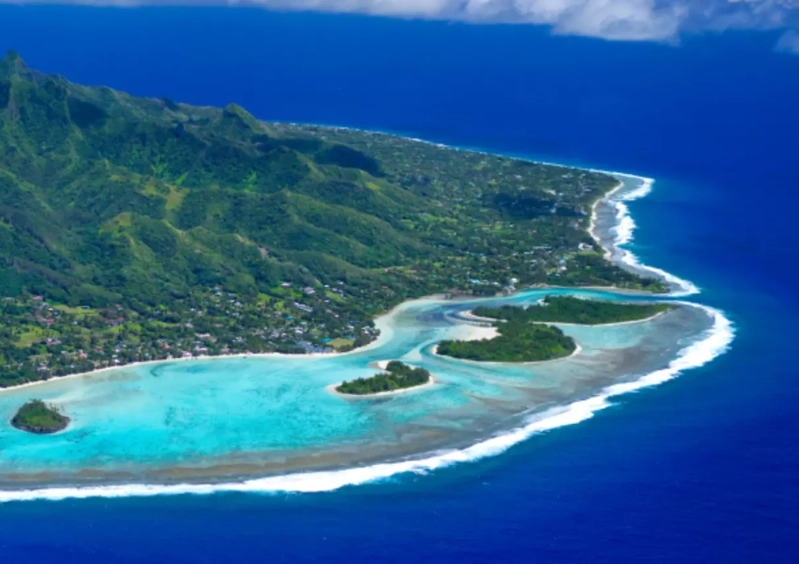
The Core Answer, Up Front: To get to the Cook Islands from the USA, you must take an international flight to a gateway hub in the South Pacific—primarily Auckland, New Zealand (AKL), or Sydney, Australia (SYD), and sometimes Fiji (NAN) or Tahiti (PPT). From there, you connect on a regional flight to Rarotonga (RAR), the main international airport in the Cook Islands. There are no direct flights from North America.
The Flight Path Puzzle: Your Gateway Hubs Explained
This is the heart of the matter. Your journey hinges on which major hub you fly to first. Each hub has its own pros and cons in terms of flight availability, cost, total travel time, and the vibe of the layover itself. Let's get into the nitty-gritty.
Option 1: Via Auckland, New Zealand (AKL)
This is the most popular and often the most efficient route. Why? Air New Zealand operates the vast majority of flights between Los Angeles (LAX) and Auckland, and they also run the crucial connecting service from Auckland to Rarotonga (RAR). You can sometimes book this as a single ticket, which is a huge relief for baggage and connection worries.
From the US West Coast, you're looking at a 12-13 hour flight to Auckland. It's a long haul, no doubt. Then, after clearing transit security (and maybe grabbing a flat white), you hop on a 4-hour flight north to Rarotonga. The total journey from LAX to RAR can be anywhere from 18 to 24+ hours depending on layover times.
Other US departure points? You can find flights from San Francisco (SFO), Vancouver (YVR—yes, in Canada, but a major West Coast departure), and sometimes Houston (IAH) or Chicago (ORD) on carriers like United or American, but these almost always connect through LAX or SFO before the ocean crossing.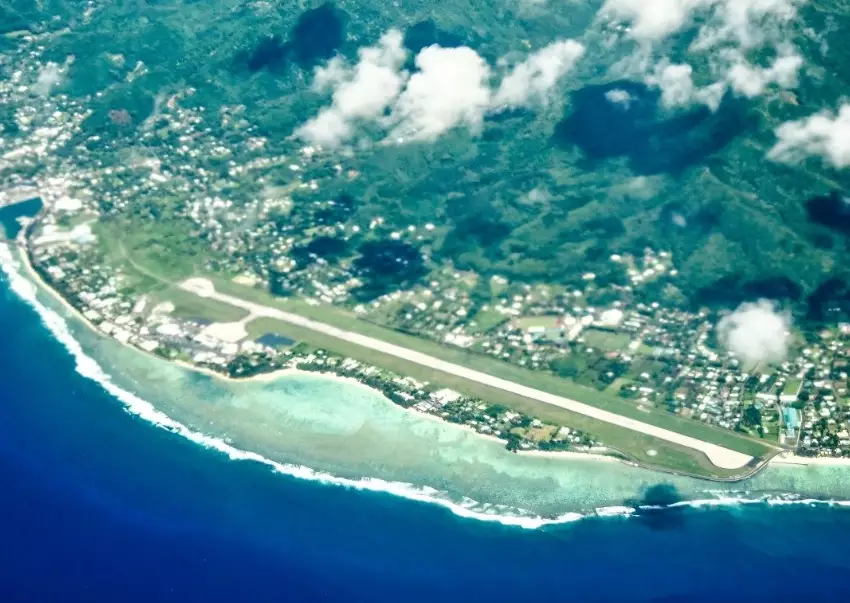
My Experience: I've flown LAX-AKL-RAR with Air New Zealand. The long-haul leg was fine (as fine as 13 hours in a metal tube can be), but the real charm was the AKL-RAR flight. The moment you step onto that smaller plane, the atmosphere changes. Flight attendants might greet you with "Kia Orana," and you just know you're heading somewhere special. The one downside? Auckland Airport's international transit area can feel a bit cramped if you have a long wait.
Option 2: Via Sydney, Australia (SYD)
This is another solid option, especially if you're coming from the West Coast or if you want to combine your Cook Islands trip with a stop in Australia. Qantas and United fly from Los Angeles and San Francisco to Sydney. From Sydney, you'd then catch a flight to Auckland (a quick 3-hour hop) or, less frequently, a direct flight to Rarotonga operated by Jetstar or Virgin Australia (though these are seasonal and not daily).
The flight from LAX to SYD is a monster—about 14-15 hours. Adding the Sydney-to-Rarotonga leg (either direct or via AKL) makes this a longer overall trip than the Auckland route for most people. But if Australia is on your bucket list, this could be a fantastic two-for-one itinerary.
Option 3: Via Fiji (NAN) or Tahiti (PPT)
These are the more adventurous, less-traveled routes. They can be cheaper sometimes, but they add complexity.
Via Fiji (Nadi Airport - NAN): Fiji Airways flies from Los Angeles (LAX) and San Francisco (SFO) to Nadi. From Nadi, they operate a direct flight to Rarotonga. This is a great option because you're breaking up the journey in another beautiful South Pacific island nation. The catch? The Nadi-Rarotonga flight only operates once or twice a week, so your travel dates need to be very flexible. Miss that connection, and you're stuck in Fiji for several days (which, honestly, isn't the worst place to be stuck).
Via Tahiti (Faa'a Airport - PPT): This is the most complicated and least common route from the USA. You'd fly from LAX to PPT on Air Tahiti Nui or French Bee. Then, you need to get from Tahiti to Rarotonga. There are no direct, regularly scheduled commercial flights between these two Polynesian hubs. You'd likely have to fly back to Auckland or to another island first. I don't recommend this as a primary route unless you are a seasoned island-hopper with lots of time.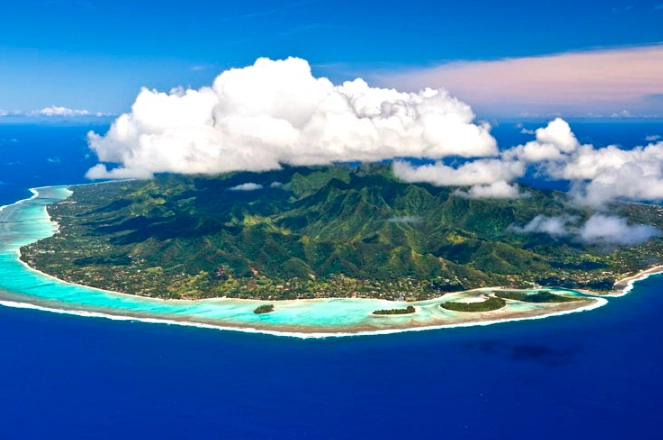
So, how do I get to the Cook Islands from the USA? You're looking at a two-leg minimum journey through a major Pacific hub.
| Primary Gateway Hub | Key Airlines from USA | Flight Time (USA to Hub) | Hub to Rarotonga (RAR) Flight | Best For... |
|---|---|---|---|---|
| Auckland (AKL), NZ | Air New Zealand, United, American | 12-13 hrs (from LAX) | ~4 hrs (Air NZ, Jetstar) | Most travelers; easiest connections; single-ticket options. |
| Sydney (SYD), AUS | Qantas, United | 14-15 hrs (from LAX) | ~6 hrs direct (seasonal) or 3+4 hrs via AKL | Combining with an Australia trip. |
| Nadi (NAN), Fiji | Fiji Airways | 10-11 hrs (from LAX) | ~3.5 hrs (Fiji Airways) | Breaking up the journey; exploring two destinations. |
| Los Angeles (LAX), USA | (Your starting point) | N/A | N/A | West Coast residents; most flight options originate here. |
The Airlines You'll Actually Be Flying With
You're not going to have a dozen choices. The market is served by a handful of reliable carriers.
Air New Zealand: The 800-pound gorilla in this space. They dominate the LAX-AKL route and operate multiple daily flights from AKL to RAR. Their service is consistently good, and their Economy Skycouch (where you can convert a row of seats into a flat space) is a game-changer for couples or families on the long haul. Booking a through-ticket with them from LAX to RAR is often the most seamless experience.
Fiji Airways: A fantastic alternative. Their planes are modern, and the Fijian hospitality starts the moment you board. If you can align your dates with their Nadi-Rarotonga schedule, it's a wonderfully relaxed way to travel.
Qantas & Jetstar: Qantas handles the long haul to Australia with their trademark reliability. Their partner Jetstar operates the budget flights from Sydney and Auckland to Rarotonga. Be careful with Jetstar—their fares are low, but baggage is strictly paid add-on, and schedules can change. I've had a Jetstar flight to Rarotonga canceled and consolidated with another flight later the same day. Not a huge deal, but something to be mentally prepared for.
United Airlines: They code-share heavily with Air New Zealand. You might book a ticket on United's website but find yourself on an Air New Zealand plane for the long haul. This isn't a bad thing—it's just how airline alliances work.
Beyond Rarotonga: Getting to the Outer Islands (Like Aitutaki)
Your journey doesn't necessarily end in Rarotonga. The iconic lagoon of Aitutaki is a major draw. So, how do you get there?
You have two options, both departing from Rarotonga's domestic terminal (a short walk from the international arrivals).
Air Rarotonga: This is the domestic airline. They operate several flights daily to Aitutaki (AIT) on small turboprop planes (like a 15-seater Beechcraft). The flight is about 45-50 minutes and offers stunning views. You must book this separately from your international ticket. My advice? Book it as soon as you know your international dates, especially in peak season (June-August, December-January). These flights can sell out.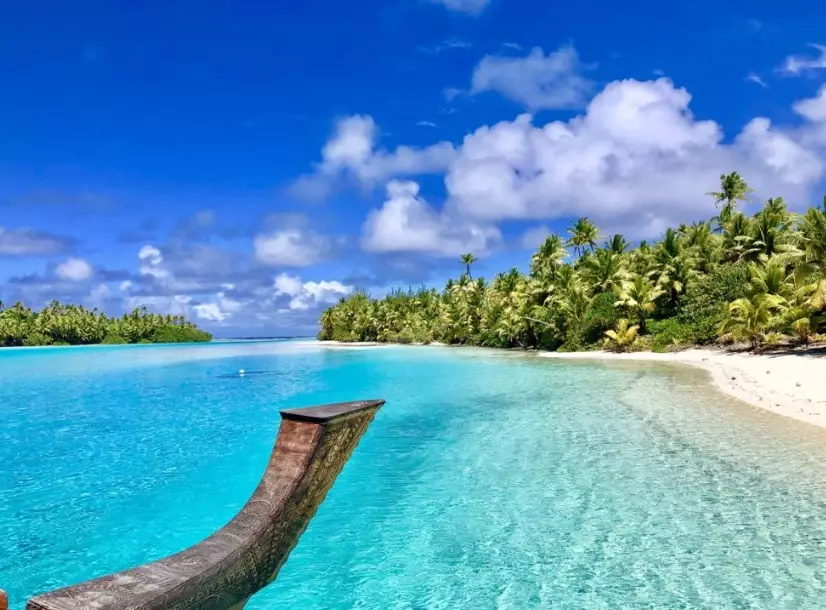
Boat: There is a cargo/passenger ship, the MV Manuvai, that sails between islands. The trip to Aitutaki can take over 24 hours and is very weather-dependent. This is for the truly intrepid traveler with lots of time and a strong stomach. It's not a practical option for most vacationers.
The process of how to get to the Cook Islands from the USA naturally extends to how you'll island-hop once you're there. Factor this into your planning and budget.
Practical Stuff: Visas, Money, and When to Go
Let's tackle the administrative side. This is the boring but crucial part.
Do US citizens need a visa? No. For tourist stays of up to 31 days, US passport holders do not need a visa. You just need a passport valid for at least six months beyond your date of departure from the Cook Islands, proof of onward travel (your return or onward flight ticket), and proof of sufficient funds for your stay. That's it. The official source for this information is always the Cook Islands Tourism Corporation website.
Currency: They use the New Zealand Dollar (NZD), though Cook Islands coins (with beautiful Polynesian designs) are also used. Credit cards are widely accepted in Rarotonga and Aitutaki, but you'll want some cash for markets, small shops, and the famous punas (roadside fruit stalls). ATMs are available in Rarotonga.
Best Time to Travel:
• High Season (Dry & Cool): June to August. This is the most popular time. Days are sunny and in the 70s-80sF, nights are cool. It's also the busiest and most expensive.
• Shoulder Seasons (Great Balance): April-May and September-October. You might get a passing shower, but the weather is still lovely, crowds are thinner, and prices are better.
• Low Season (Warm & Humid): November to March. This is the warmer, wetter season. It's also the cyclone season, though major cyclones are rare. You'll find the best deals, but be prepared for humidity and the chance of rain.
I went in late November. It was hot and sticky, and we had one afternoon of torrential rain that flooded the road for an hour. But we also had the lagoon almost to ourselves, and the lush greenery was incredible. It's a trade-off.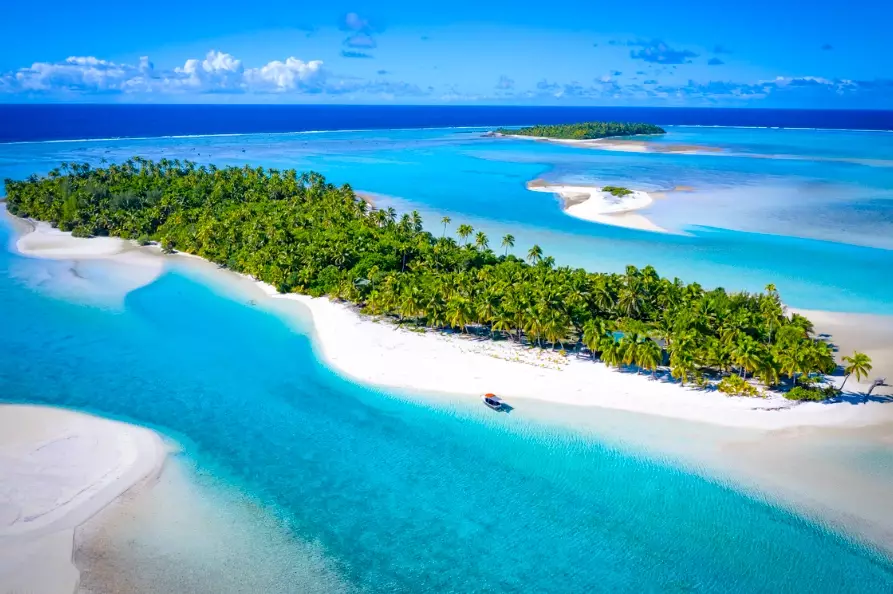
Health & Safety: No special vaccinations are required, but routine shots (MMR, Tdap) should be up-to-date. The tap water in Rarotonga is generally safe to drink in populated areas, but many visitors stick to bottled water. For the most current health advisories, check the CDC's Cook Islands travel page. Also, travel insurance that covers medical evacuation is highly recommended. You're a long way from a major hospital.
Packing Tips for This Specific Journey
Packing for a trip where you have a long international flight followed by a tropical island stay requires some strategy.
In your carry-on, pack:
• A complete change of clothes (in case your checked bag takes a scenic route).
• Essential toiletries and any medications.
• A swimsuit and sandals. Seriously. If your bag is delayed, you can still hit the beach while you sort it out.
• A lightweight jacket or sweater. The long-haul flight and Auckland airport can be chilly.
• An empty reusable water bottle to fill after security.
For the islands themselves, think casual and comfortable. Resort-wear is fine for dinner, but you won't need anything formal. Mosquito repellent, reef-safe sunscreen (it's a requirement to protect their fragile marine ecosystem), and a sun hat are non-negotiable.
So you see, figuring out how to get to the Cook Islands from the USA is just the first step. The real magic is in the planning for what comes after you land.
Answering Your Burning Questions (FAQs)
Final Thoughts Before You Book
Planning how to get to the Cook Islands from the USA feels like a rite of passage. It's not a simple click-and-go vacation. It requires research, flexibility, and a bit of patience.
But here's the thing: that very complexity is a filter. It keeps the crowds away and ensures that everyone who makes it there is genuinely invested in the experience. When your plane finally descends over the turquoise lagoon of Rarotonga, and you see the lush green peaks of the island, every minute of planning feels worth it.
My biggest piece of advice? Build in a buffer. If you can, schedule at least one night in your gateway city (Auckland or Nadi) on your way there or back. It breaks up the jet lag, lets you explore another place, and removes the heart-stopping stress of a tight international connection. I did this on my return, spending a night in Auckland, and it made the trip home feel like a gentle unwind rather than a brutal marathon.
So, start looking at flights. Play with dates. Consider whether you want the efficiency of Auckland or the two-destination fun of Fiji. And then get ready for one of the most genuinely welcoming and breathtakingly beautiful places on Earth. The question of how do I get to the Cook Islands from the USA is the first step on a fantastic journey.
Safe travels, and Kia Orana!



Comments
Join the discussion