Quick Navigation
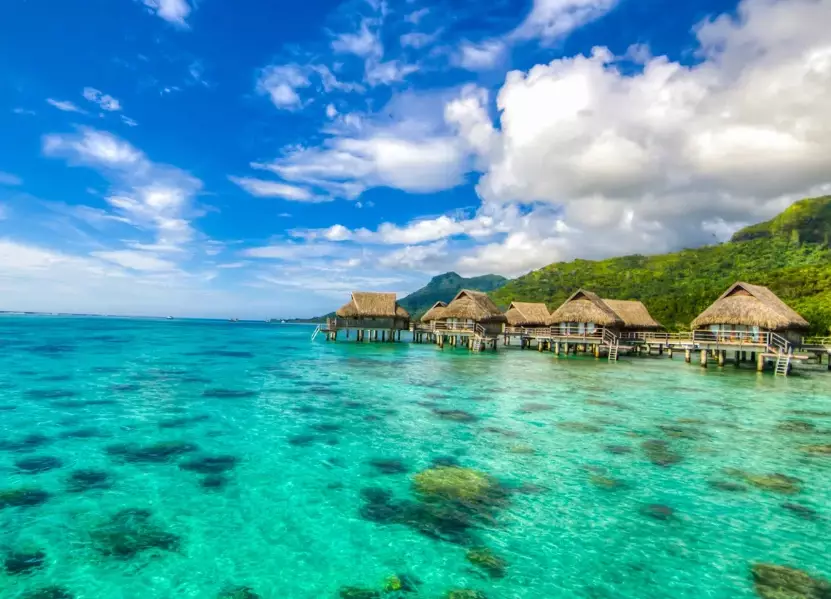
Let's be honest. When you think of Tahiti tourism, your mind probably floods with those impossibly perfect images. You know the ones: flawless overwater bungalows perched above water so blue it doesn't look real, couples sipping cocktails as the sun melts into the ocean. It's the definition of a dream vacation. But here's the thing I learned after spending weeks island-hopping and talking to locals – there's a massive gap between that glossy brochure fantasy and the actual, incredible (and sometimes surprisingly normal) experience of planning a trip to French Polynesia.
I remember staring at a map of the Society Islands, feeling utterly overwhelmed. Bora Bora, Moorea, Tahiti itself, Raiatea... they all blurred together. How do you even choose? And the cost? Just looking at flight prices gave me a minor heart attack. I almost booked a generic all-inclusive somewhere else because it felt easier.
I'm glad I didn't. What I found was a region with layers. Yes, the beauty is absolutely, mind-blowingly real. But there's also a rich culture, surprisingly diverse landscapes from one island to the next, and ways to experience it that don't always require remortgaging your house. This guide is what I wish I had before I went: a no-BS, deeply practical look at Tahiti tourism, designed to answer every nagging question you have and strip away the anxiety of planning a trip to paradise.
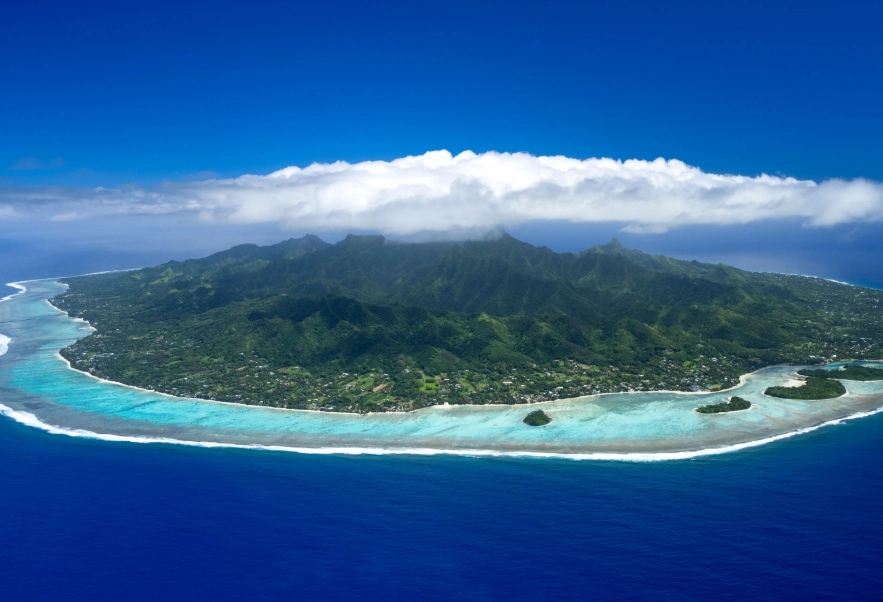
First, a quick geography lesson because this trips up everyone. "Tahiti" is often used as a catch-all for the whole country, which is actually called French Polynesia. Tahiti is the biggest and most populous island, home to the capital city, Papeete. It's where your international flight will land. The dreamy overwater bungalows you're picturing? Those are mostly on other islands in the archipelago, like Bora Bora and Moorea. Think of Tahiti as the bustling gateway, and the surrounding islands as the serene retreats. Getting this straight in your head is step one for any sensible Tahiti tourism plan.
Picking Your Island: It's Not All Bora Bora (Thankfully)
This is the single biggest decision you'll make. Each island has a totally different personality and price tag. Choosing wrong can mean ending up somewhere too busy, too quiet, or just not your style. Let's break down the main players for Tahiti island travel.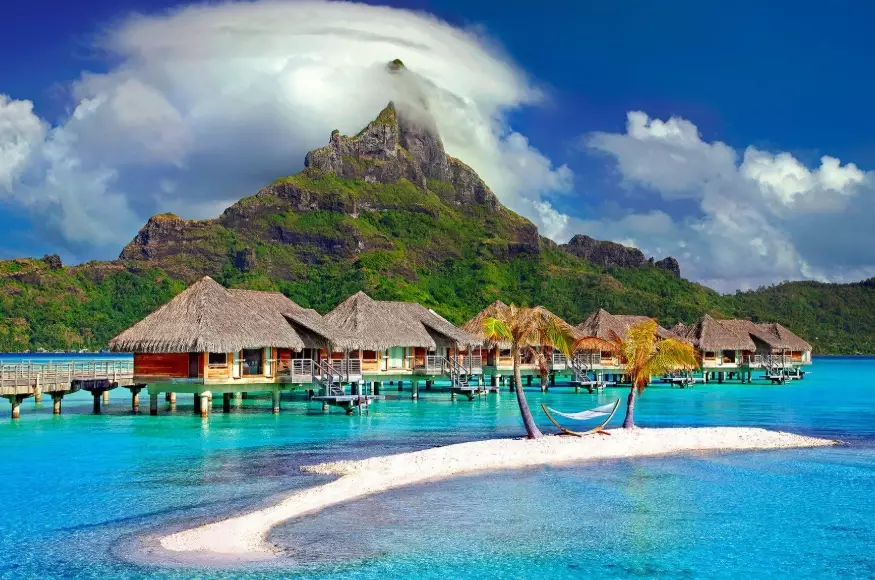
| Island | Vibe & Nickname | Best For | Budget Level | My Personal Take |
|---|---|---|---|---|
| Tahiti | The Vibrant Hub | Culture, markets, nightlife, history. Seeing local life. | Medium | Don't just fly out! Spend a day exploring Pape'ete's market and the black-sand beaches. It's a reality check and a culture hit. |
| Moorea | The Adventurous Sister | Hiking, snorkeling with rays/sharks, lush mountains, road-tripping. A more "active" paradise. | Medium to High | My favorite. Has the wow-factor lagoons but feels more grounded. You can rent a little car and just explore for days. |
| Bora Bora | The Iconic Luxury Poster-Child | Ultimate honeymoon/seclusion, iconic overwater bungalow experience, that "wow" lagoon. | Very High | It's stunning, no lie. But it's also the most expensive and can feel a bit like a luxury resort theme park. Worth it for a splurge. |
| Raiatea & Taha'a | The Cultural & Vanilla Heart | History (considered the cradle of Polynesian culture), sailing, vanilla plantation tours, fewer tourists. | Medium | If you want to get away from the main tourist trail and feel like you discovered something, this is it. |
| Huahine | The Laid-Back Garden | Authentic village life, archaeological sites, incredible snorkeling, super relaxed pace. | Medium | Quiet, beautiful, and friendly. Feels untouched compared to Moorea or Bora Bora. |
See what I mean? Your ideal Tahiti vacation completely depends on what you want. A lot of people make the mistake of just booking Bora Bora because it's the famous one, but if you're someone who gets bored sitting still, you might find Moorea's hiking trails and lagoon adventures way more fulfilling. For a deep dive into official island info, the Tahiti Tourism official board website is your best starting point for verified details.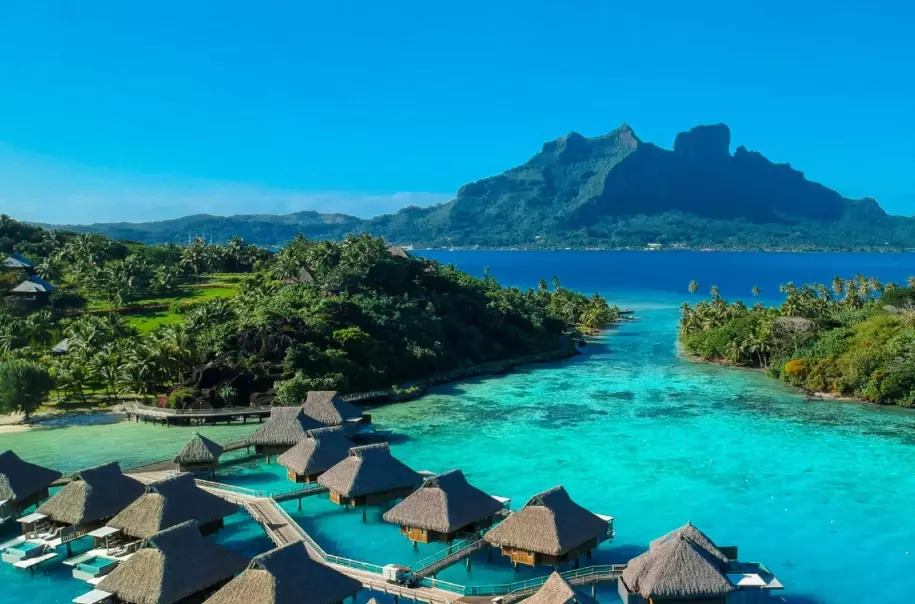
Island-Hopping Tip: The local airline, Air Tahiti, offers multi-island flight passes that can save you a bundle if you're visiting several islands. Book them well in advance, especially for popular routes like Tahiti to Bora Bora.
Planning Your Trip: The Nitty-Gritty Details
Alright, you've picked your island (or islands). Now comes the practical stuff. This is where most generic guides gloss over the details, but it's the details that cause stress.
When to Go: Weather, Crowds, and Prices
French Polynesia has two main seasons: the dry season (May to October) and the wet season (November to April). The dry season has less rain, lower humidity, and is considered peak season for Tahiti tourism. That means higher prices and more people. The wet season is hotter, more humid, and sees brief but intense tropical showers. It's also the season for better deals.
My take? I went in the shoulder month of November. Had a few rainy afternoons, but the showers passed quickly, the air was warm, and the prices were noticeably lower. The lagoon was just as blue. Unless you have your heart set on perfectly guaranteed sunshine every single day, the wet season shouldn't scare you off. For authoritative climate data, you can always check the Météo-France Polynésie website.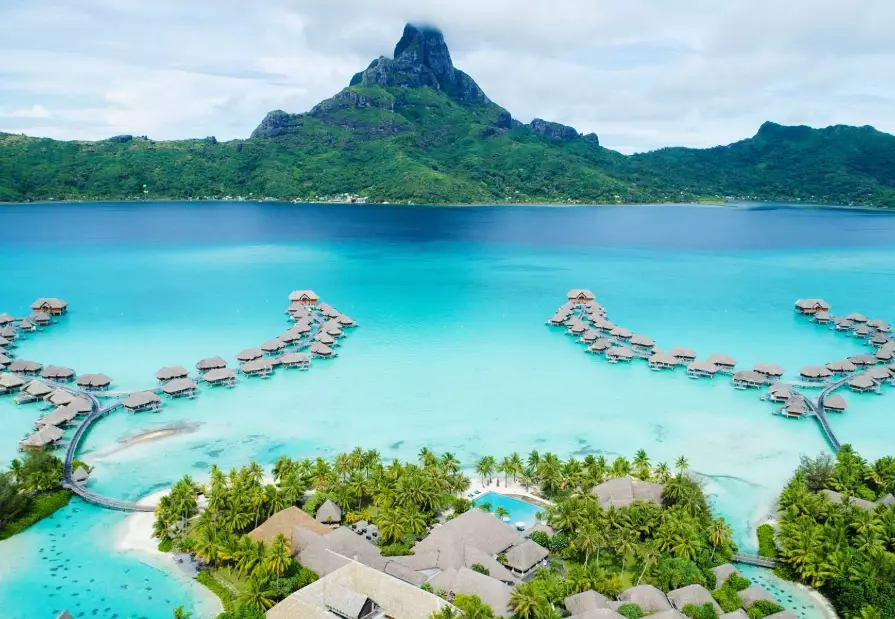
Where to Stay: Resorts, Guesthouses, and Everything In Between
This is the biggest chunk of your budget. The spectrum is wild.
- Luxury Resorts (Overwater Bungalows): The bucket-list experience. Prices are, frankly, astronomical. You're paying for unparalleled privacy and direct lagoon access. Is it worth it? For a night or two as a splurge, maybe. For a whole week? Only if money is truly no object.
- Beach Bungalows: Often on the same stunning properties as the overwater ones, but built on the sand. Significantly cheaper, still gorgeous, and you're just steps from the water.
- Pensions (Guesthouses): This is the secret sauce for affordable Tahiti tourism. These are family-run lodgings, often with just a few rooms. They're simple, clean, and offer an incredible chance to connect with locals. Meals are often home-cooked and delicious. I stayed at one in Moorea for a fraction of a resort price and had the best time. Websites like Tahiti Guide have good listings.
- Vacation Rentals: Growing in popularity, especially on Tahiti and Moorea. Great for families or groups wanting more space and a kitchen.
Getting Around: Ferries, Tiny Planes, and Scooters
Between islands, you'll fly on small propeller planes with Air Tahiti or take a ferry (between Tahiti and Moorea, for example). Book flights early. On the islands, it's trickier than you think. Bora Bora resorts usually include airport boat transfers. On Moorea and Tahiti, renting a car or even a little scooter is the best way to go. Public transport exists but isn't super tourist-friendly for exploring remote beaches. Factor this cost in.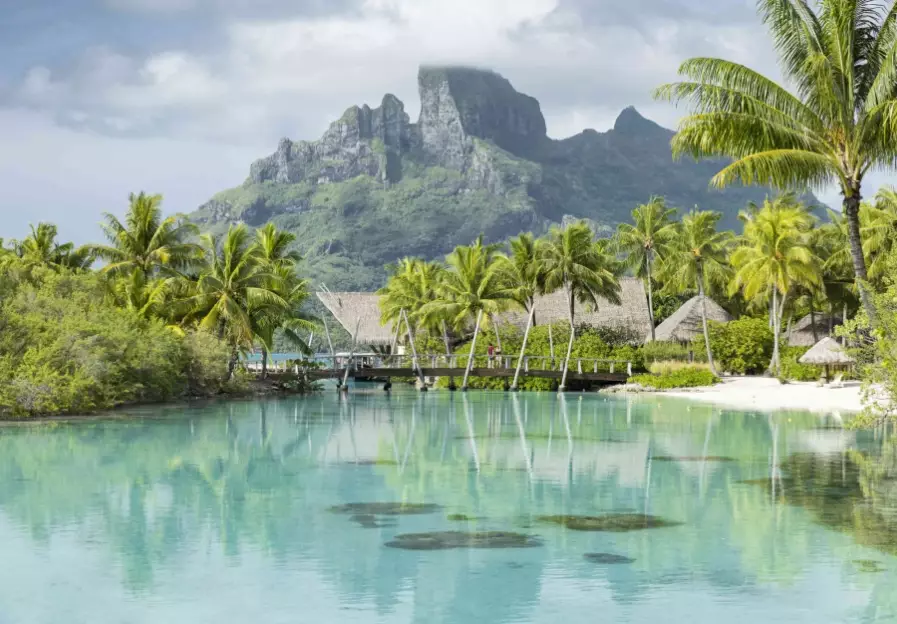
A heads-up: Driving is on the right side of the road (like the US and Europe), but the roads can be narrow and winding, especially in the mountains of Moorea. Take it slow and enjoy the view.
What to Actually DO There (Beyond Instagram Photos)
It's not just about lounging. The activities are what make the trip. Here's a breakdown by category.
In & On the Water (The Main Event)
- Snorkeling & Lagoon Tours: Non-negotiable. Even if you're a beginner, the lagoons are calm and full of life. Moorea's lagoon is particularly famous for stingray and blacktip shark encounters. It sounds scary, but it's a controlled, amazing experience.
- Scuba Diving: French Polynesia has some world-class sites, like the passes in Rangiroa (Tuamotu islands) for shark action. For certified divers, it's a must.
- Whale Watching: If you're there between July and October, humpback whales come to the warm waters to breed and give birth. Tours from Moorea and Rurutu are exceptional.
- Stand-Up Paddleboarding & Kayaking: Many resorts have these for free. Paddling over the crystal-clear lagoon in the morning is pure peace.
On Land Adventures
- 4x4 Safari Tours: Sounds touristy, but it's the best way to see the interior of islands like Moorea. You'll get panoramic views from mountain lookouts you could never reach on your own.
- Hiking: Trails range from easy coastal walks to challenging climbs like the Three Coconuts Pass in Moorea. The reward is often a breathtaking view of the lagoon from above.
- Cultural Visits: Visit a vanilla plantation on Taha'a, a pearl farm, or the ancient marae (stone temples) on Raiatea and Huahine. It adds so much depth to your trip.
Food & Drink: A Flavor Tour
Forget generic resort buffets. Seek out the real stuff.
- Poisson Cru: The national dish. Raw tuna or other fish "cooked" in lime juice and coconut milk. It's fresh, light, and addictive.
- Roulottes: These are food trucks that set up in Pape'ete and other towns at night. They serve everything from steak frites to crepes to amazing Chinese food. Cheap, delicious, and a local institution.
- Fresh Fruit: The pineapples (especially from Moorea), mangoes, and papayas taste like candy.
- French Influence: Great bread, pastries, and wine are everywhere, thanks to the French connection.
1. A full-day lagoon tour in Moorea (snorkeling, ray feeding, picnic on a motu).
2. Dinner at the Roulottes in Pape'ete for the vibe.
3. Watching the sunset from a mountain lookout (Belvédère in Moorea is epic).
4. Simply spending an afternoon reading in a hammock over the water. Don't underestimate this.
Budgeting & Money-Saving Tips for Real People
Let's talk money, because Tahiti tourism has a reputation. It can be expensive, but it doesn't have to bankrupt you.
The Big Costs: Flights from the US/Europe, inter-island flights, and accommodation. These are fixed and you need to hunt for deals.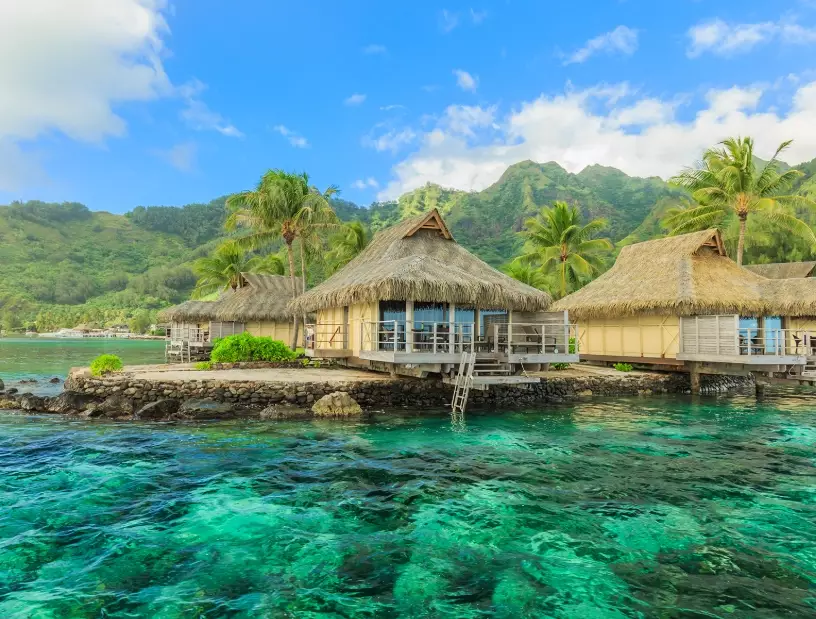
Where You Can Save: Food and activities. Eat at roulottes and local snack bars instead of the resort restaurant every night. Book some activities directly with local operators instead of through the resort at a markup. Consider a pension over a resort. Bring your own snorkel gear to avoid rental fees.
A rough budget breakdown for a mid-range traveler (per person, for a week, excluding international flights): Stay in a pension/3-star hotel, eat mix of local and mid-range meals, do 2-3 paid tours. You're looking at roughly $2,000 - $3,500. For luxury resorts, double or triple that easily.
Consider travel packages. Sometimes, bundling your flights and hotels through a specialist can be cheaper than booking separately. And travel in the low/shoulder season. The difference in flight and hotel prices is substantial.
Essential Pre-Trip Info & FAQs
For US, Canadian, UK, EU, Australian, NZ, and Japanese citizens, you get a 90-day tourist visa on arrival. Your passport just needs to be valid for at least three months beyond your departure date. Always double-check the latest entry requirements on your government's travel advisory site or the France-Visas portal as rules can change.
French and Tahitian are the official languages. In tourist areas, especially resorts, English is widely spoken. In local markets or with taxi drivers, knowing a few basic French phrases (Bonjour, Merci, Combien?) goes a very long way and is appreciated.
French Polynesia is generally very safe. Petty crime like bag-snatching can happen in Pape'ete, so be smart with your valuables. The main dangers are natural: sunburn, dehydration, and strong currents in certain parts of the lagoons or ocean. Always heed warning signs and lifeguard advice.
- Reef-safe sunscreen: This is crucial. Regular sunscreen damages the coral. Pack it or buy it there.
- Swimsuits, cover-ups, quick-dry clothes. It's casual.
- A light rain jacket or umbrella if traveling in wet season.
- Mosquito repellent. They exist, especially at dusk.
- A power adapter (Type C/E, 220V).
- A good underwater camera or phone case.
It's a relaxed place, but polite goes a long way. Greet people with "Ia Orana" (hello). When visiting villages or sacred sites (marae), dress modestly (cover shoulders and knees). Always ask permission before taking photos of people. The culture is warm and welcoming—reciprocate that respect. For a deeper understanding of the cultural heritage, resources from UNESCO (which lists Taputapuātea on Raiatea as a World Heritage site) offer great context.
Planning your Tahiti tourism adventure might seem daunting with all the options and the price tags. But breaking it down step-by-step makes it manageable. Start by picking the island that matches your travel soul, not just the most famous one. Mix a splurge with some savings—maybe a few nights in a fancy bungalow followed by a week in a friendly pension. Prioritize the experiences that matter to you, whether that's diving with sharks, hiking to a waterfall, or just doing absolutely nothing on a perfect beach.
It's a place that lives up to the hype, but in its own way. It's not just a backdrop for photos; it's a feeling. The warmth of the sun, the cool of the lagoon, the smell of tiare flowers and salt air, the incredible generosity of the people. That's what you're really going for. Do your research, make a plan, and then get ready to be blown away. Your own slice of paradise is waiting.
And hey, if you come back and decide the overwater bungalow wasn't worth it? I told you so. But you'll have a hundred other stories that definitely were.


Comments
Join the discussion