In This Guide
- First Things First: When to Go and How to Get Ready
- The Can't-Miss Spots: A Breakdown of Turkey's Crown Jewels
- Navigating Turkey: Transport, Money, and Staying Connected
- Eating, Staying, and Staying Safe
- Crafting Your Perfect Turkey Tourism Itinerary
- Answering Your Burning Questions (FAQs)
- Final Thoughts Before You Go
Let's talk about Turkey. You've probably seen those dreamy pictures—hot air balloons floating over a Martian landscape, ancient ruins hugging the Aegean coast, the majestic dome of the Hagia Sophia. It looks incredible, and honestly, it is. But planning a trip there can feel a bit overwhelming. Where do you even start? Istanbul is a must, but what about the rest? Is it safe? How do you get around? What should you really pack?
I've been there, done that, got lost in the Grand Bazaar more times than I'd like to admit. This guide isn't some dry list of facts. It's the stuff I wish I knew before I went, mixed with the pure magic that makes Turkey tourism one of the most rewarding travel experiences out there. We're going to dive deep, beyond the postcards, into the practicalities and the soul of the place.
Why Turkey? Simple. It's a cultural powerhouse where continents collide. You get the buzz of a modern metropolis, the silence of millennia-old history, landscapes that look photoshopped (but aren't), and food that will have you dreaming of stuffed eggplants for years. It's a complete package.
First Things First: When to Go and How to Get Ready
Timing is everything. Go in peak summer (July-August), and Istanbul will be hot, crowded, and expensive. Go in the dead of winter, and some coastal resorts shut down. The sweet spots?
- Spring (April to early June): My personal favorite. Wildflowers in Cappadocia, pleasant city weather, not yet swarmed. Perfect.
- Autumn (September to October): Sea is warm, crowds thin out, temperatures are golden. Another winner.
- Summer (June-August): Great for beach clubs in Bodrum or Antalya, but be ready for heat and higher prices. Cappadocia at dawn is still magical.
- Winter (November-March): Can be chilly and rainy, but you'll have places like Ephesus almost to yourself. Istanbul in the snow is something special. Skiing is even an option in the east.
Now, the paperwork. For many nationalities, it's thankfully easy. The e-Visa system is straightforward. You apply online, pay the fee, and get it emailed. Double-check the official Republic of Turkey e-Visa website. Don't use sketchy third-party sites that charge double. Your passport usually needs to be valid for at least six months beyond your entry date. Always verify the latest requirements directly with official sources a few weeks before you travel.
Pro Tip: While the e-Visa is quick, don't leave it until the last minute. Do it a few weeks before you fly to avoid any last-minute panic.
The Can't-Miss Spots: A Breakdown of Turkey's Crown Jewels
Turkey is huge. You can't see it all in one go (unless you have months). So you have to choose. Here's my take on the essential stops for any Turkey tourism itinerary, from the iconic to the underrated.
Istanbul: Where Everything Collides
No Turkey trip starts anywhere else. It's chaotic, beautiful, exhausting, and exhilarating. You're walking in Roman, Byzantine, and Ottoman footsteps all at once.
The Big Three: The Hagia Sophia, the Blue Mosque, and Topkapi Palace are the holy trinity. Get the museum pass to skip some lines. Hagia Sophia's scale is humbling—just stand under that dome and try not to feel tiny. Topkapi is a day in itself, with harems, holy relics, and views to die for.
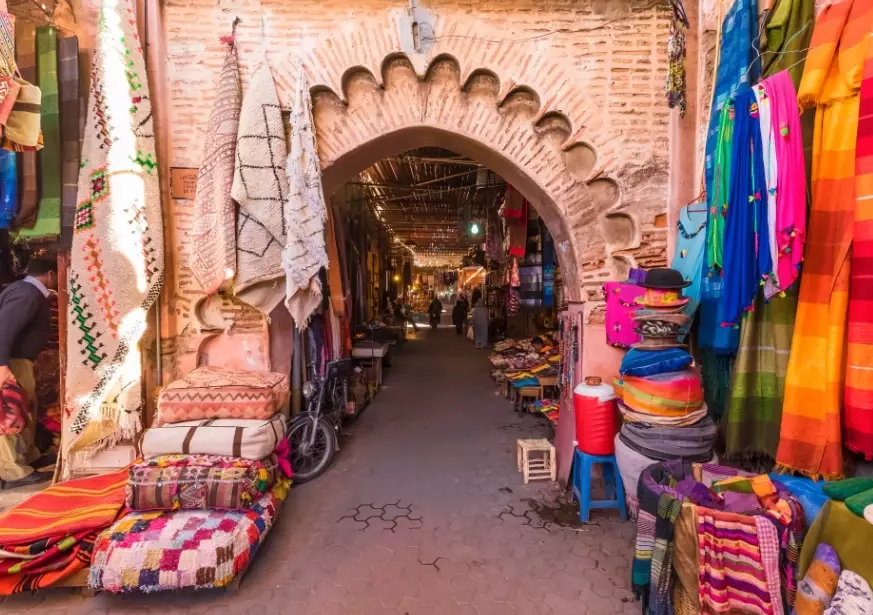
But Istanbul is more than its monuments. Get lost in the backstreets of Balat, with its colorful houses. Take a ferry to the Asian side (Kadikoy) for a more local vibe and fantastic food. Have a fish sandwich by the Galata Bridge. And the Grand Bazaar? It's an experience. Haggle, but be polite. Drink a hundred cups of tea. Just watch your bag in the crowd.
Cappadocia: The Fairy-Tale Landscape
The pictures are real. The "fairy chimneys," cave hotels, and underground cities are surreal. This is the heart of Turkey tourism's Instagram fame, and for good reason.
The hot air balloon ride at sunrise is legendary, but it's pricey and weather-dependent. Book with a reputable company—safety first. If you don't fly, watching 100 balloons rise from the valleys at dawn from a viewpoint is almost as good (and free).
Explore the Göreme Open-Air Museum, hike the Rose Valley, and descend into the Kaymakli or Derinkuyu underground cities. Staying in a cave hotel is a must-do experience—it's surprisingly cozy.
The Aegean Coast: History & Azure Seas
This is where ancient Greece and Turkey meet. Ephesus is the star. Walking down the Marble Road towards the Library of Celsus is a time-travel moment. It's massive, so go early, wear a hat, and carry water.
Nearby, the town of Şirince is cute for a wine tasting, and the Temple of Artemis (one of the Seven Wonders) is… well, one column remains, but it's the thought that counts.
Further south, Pamukkale's "Cotton Castle" travertines are unique. You can walk in the warm, mineral-rich terraces. The ancient city of Hierapolis sits atop it. It's a long day trip, but worth it.
The Turquoise Coast: Sailing and Sun
Think perfect beaches, hidden coves, and pine-covered cliffs. The classic way to see it is on a gulet (traditional wooden yacht) cruise from Fethiye or Bodrum. You swim, eat, sleep under the stars. Pure bliss.
Bodrum is more glamorous and party-oriented. Antalya is a big city with a stunning old town (Kaleiçi) and a great base for waterfalls and ruins like Perge. Ölüdeniz has that famous lagoon beach.
Then there's my personal favorite quieter spot: Kas. A charming town with great diving, boating trips to Kekova's sunken city, and fantastic seafood restaurants right on the water.
Navigating Turkey: Transport, Money, and Staying Connected
Getting around Turkey is easier than you think. Domestic flights are cheap and connect major hubs like Istanbul, Izmir, Antalya, and Kayseri (for Cappadocia). Pegasus and Turkish Airlines are the main carriers.
For overland travel, buses are the backbone. The network is extensive, and the coaches are comfortable—often with free tea, water, and snacks. Companies like Metro Turizm and Kamil Koç are reliable. Buy tickets at bus stations or online.
Trains are improving, especially with new high-speed lines between Ankara, Istanbul, and Konya. Scenic routes like the Eastern Express are becoming popular with adventurers.
Renting a car gives you ultimate freedom, especially for the coastal roads and exploring Cappadocia's valleys. Driving is generally okay, but be cautious in cities—Istanbul traffic is its own beast. An International Driving Permit is recommended.
| Transport Mode | Best For | Tips & Considerations |
|---|---|---|
| Domestic Flight | Covering long distances quickly (e.g., Istanbul to Cappadocia). | Book in advance for best prices. Airport transfers can add time/cost. |
| Intercity Bus | Medium-distance travel, budget-friendly, seeing the countryside. | Journeys can be long. Night buses save on a hotel night. |
| Rental Car | Coastal road trips, exploring rural areas, flexibility. | Get full insurance. Be prepared for aggressive city drivers. |
| Local Dolmuş | Short hops between towns and villages, ultra-cheap. | They leave when full. Know your destination's Turkish name. |
Money: The currency is the Turkish Lira (TRY). Cash is still king in markets, small shops, and for dolmuş rides. ATMs are everywhere in cities. Credit cards are widely accepted in hotels, restaurants, and larger stores. It's wise to have a mix.
SIM Cards: You can buy a tourist SIM at the airport or from stores like Turkcell or Vodafone in town. They usually offer decent data packages for a month. Alternatively, check your home provider's roaming packages or consider an eSIM if your phone supports it.
Eating, Staying, and Staying Safe
A Food Lover's Paradise
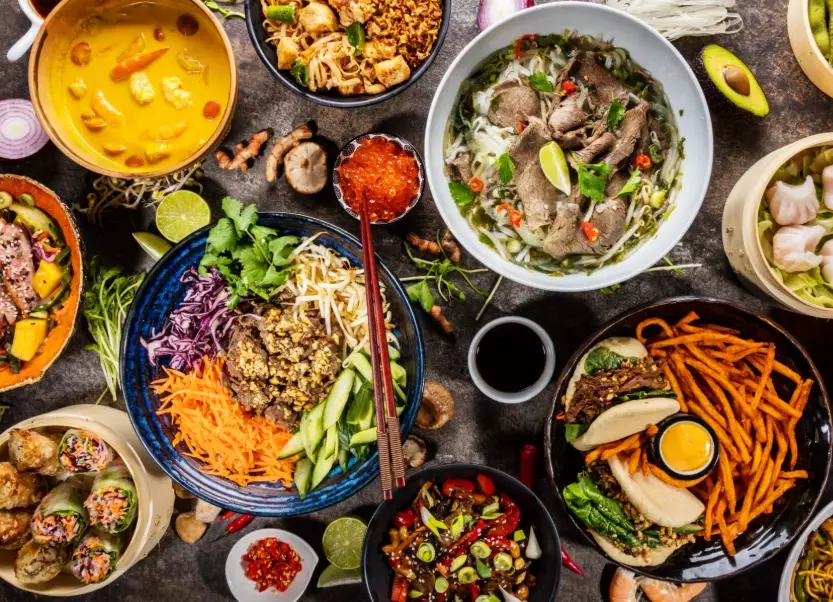
Turkish cuisine is a world unto itself. It's not just kebab (though they are divine). Start your day with a kahvaltı (breakfast) spread: cheeses, olives, tomatoes, cucumbers, honey, clotted cream (kaymak), and eggs. It's a feast.
For lunch or dinner, try meze (small appetizer plates) like haydari (thick yogurt with herbs), imam bayıldı (stuffed eggplant), and dolma (stuffed vine leaves). Lahmacun (Turkish "pizza") and pide (boat-shaped flatbread with toppings) are perfect quick bites. For meat lovers, şiş kebap, Adana kebap, and döner are staples.
Don't miss the seafood on the coasts. And save room for dessert: baklava
obviously, but also künefe (cheesy pastry soaked in syrup) and sütlaç (rice pudding). Drink tea (çay) constantly. Turkish coffee is strong and sludgy—read your fortune in the grounds afterward!
A Word on Tap Water: In major cities, it's technically treated, but the taste can be off, and it might upset sensitive stomachs. Most locals drink bottled water, and I'd recommend you do the same. It's cheap and widely available.
Where to Lay Your Head
Accommodation in Turkey ranges from $10 hostels to $1000+ luxury resorts. You have incredible variety.
- Cave Hotels (Cappadocia): A unique experience. Can be cool in summer, warm in winter. Book early for the best ones with balloon views.
- Boutique Hotels (Istanbul, Antalya, Bodrum): Often restored Ottoman houses with character. My preferred choice for charm.
- All-Inclusive Resorts (Antalya, Marmaris): Great if you just want beach and pool time without thinking. Not so great for experiencing local culture.
- Pensions & Guesthouses (Coastal Villages): Family-run, affordable, and full of local tips.
Safety and Etiquette: Being a Savvy Traveler
Is Turkey safe? This is the big question. In my experience traveling there extensively, the main tourist areas feel very safe. Petty crime like pickpocketing exists in crowded places (Grand Bazaar, tram in Istanbul), so keep your wits about you like in any major city. Scams can happen ("my friend has a great carpet shop"), but a polite but firm "no, thank you" (hayır, teşekkürler) usually works.
Politeness goes a long way. A few Turkish phrases will earn you smiles:
- Hello: Merhaba (mehr-hah-bah)
- Please: Lütfen (leet-fen)
- Thank you: Teşekkür ederim (teh-sheh-kur eh-deh-reem)
- Yes/No: Evet (eh-vet) / Hayır (hah-yuhr)
Dress respectfully, especially when visiting mosques. Cover shoulders and knees (they provide scarves and wraps at major mosques). Remove your shoes.
For the latest official travel advisories, always consult your government's foreign affairs website. For health and general safety information within Turkey, the Turkish Ministry of Culture and Tourism website is a useful resource.
Crafting Your Perfect Turkey Tourism Itinerary
How long do you need? I'd say 10 days is a solid minimum to get a real taste. Here are two sample frameworks:
The Classic 10-Day Introduction:
- Days 1-3: Istanbul. Hit the highlights, cruise the Bosphorus, explore different neighborhoods.
- Days 4-5: Fly to Cappadocia. Hot air balloon, valleys, underground city.
- Days 6-7: Fly to Izmir, transfer to Selçuk for Ephesus. Add a day at Pamukkale if you're up for it.
- Days 8-10: Fly or bus to Antalya or the Turquoise Coast for beach time and relaxation before flying home from Antalya or back to Istanbul.
The 2-Week Deep Dive:
- Follow the 10-day plan, but add more time in each place.
- After Ephesus, take a gulet cruise for 3-4 days from Fethiye.
- Or, add a side trip to the less-visited Black Sea region (green, mountainous, totally different vibe) or the ancient sites of the southeast like Göbekli Tepe (a site that's rewriting human history).
Honestly, the beauty of Turkey tourism is its diversity. You can tailor a trip that's 100% history, 100% beach, or a mix of both.
Answering Your Burning Questions (FAQs)
Final Thoughts Before You Go
Turkey gets under your skin. It's not a passive holiday; it's an engagement. You'll be challenged by the chaos, moved by the history, warmed by the hospitality (Turkish people are genuinely hospitable), and spoiled by the food.
My biggest piece of advice? Leave room for the unplanned. Say yes to that extra cup of tea with a shopkeeper. Get on a random ferry. Follow a side street that looks interesting. Some of my best Turkey tourism memories came from moments I didn't plan.
Do your research, book your key flights and first few nights, but then relax. The country is set up for travelers. Use this guide as your starting point, not your rigid script. The magic of Turkey is waiting—it's time to start planning your own unforgettable story.
For flight options and internal connections, checking Turkish Airlines is a good starting point, as they have the most extensive domestic network. And for in-depth historical and cultural context on UNESCO sites you'll visit, the UNESCO World Heritage Centre page for Turkey is a fascinating read.

Comments
Join the discussion