Europe isn't a single destination. It's a mosaic of over 40 countries, each with its own language, cuisine, and rhythm of life. Talking about tourism in Europe by country means ditching the one-size-fits-all guidebook approach. What works for a weekend in Berlin falls flat in a Greek village. I've lost count of my trips across the continent, and the biggest mistake I see? Treating it like a theme park where you rush from one iconic ride to the next.
The magic happens when you pick a few pieces of the mosaic and really look at them.
Your European Journey, Mapped Out
Crafting Your Multi-Country ItineraryThe Big Three, Deconstructed: France, Italy & Spain
Let's start with the heavyweights. They're popular for a reason, but knowing how to visit them is key.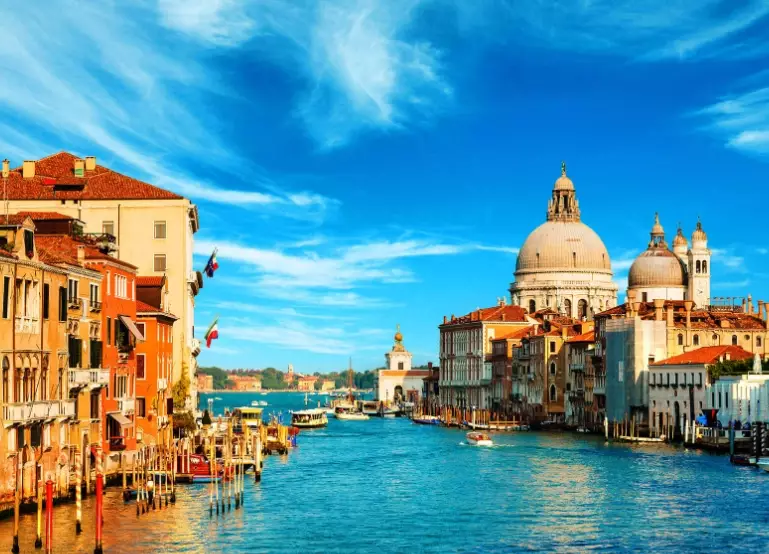
France: More Than Paris
Paris is a universe unto itself. A skip-the-line ticket for the Louvre (€17 online) is non-negotiable unless you enjoy 2-hour queues. But France's soul is in its regions. Rent a car in Nice and drive the Corniche roads of the French Riviera. In Provence, base yourself in Aix-en-Provence and day-trip to lavender fields (peak season is late June-July).
Where to stay: In Paris, the Le Marais district offers charming apartments (expect €150-€300/night). In the countryside, a chambre d'hôte (B&B) is the way to go. I once stayed at one in Burgundy for €80 a night, breakfast with homemade jam included.
The French train system, SNCF, is excellent. Book TGV tickets in advance for the best prices.
Italy: Managing the Marvels
Rome, Florence, Venice. The classic triad is overwhelming. My rule? One major art museum per day, max. The Uffizi Gallery in Florence deserves 3-4 hours. Book a timed entry slot for the Colosseum and Roman Forum (combined ticket ~€24) for the early morning to beat the heat and crowds.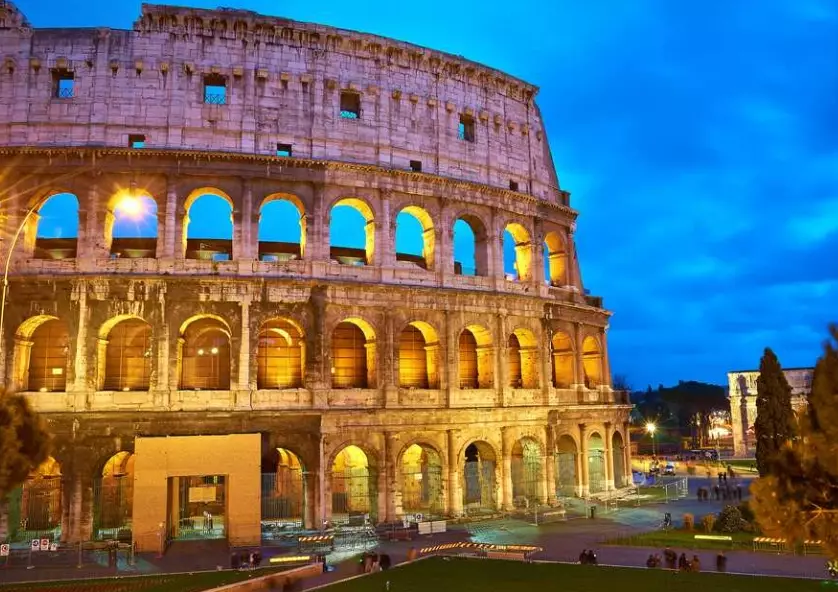
Most tourists cluster in the north. For a different pace, fly into Naples. Explore the chaotic archaeology of Pompeii (ticket €18), then recover on the Amalfi Coast or the less-crowded island of Ischia. A regional train to Matera's ancient cave dwellings is a journey few make, but never forget.
Food note: Sitting down for lunch or dinner includes a coperto (cover charge) of €2-5 per person. It's normal, not a scam.
Spain: Sun, Siesta, and Surprises
Barcelona's Sagrada Familia (basic ticket from €26) must be booked weeks ahead. But Spain's interior holds the gold. Madrid's Prado Museum is free 6-8 PM Mon-Sat. Take a high-speed AVE train to Seville for flamenco and the Alcázar palace.
The north is a world apart. San Sebastián in the Basque Country is for food pilgrims. Bar-hopping for pintxos (small snacks) is the evening activity. Each one costs €2-4. A tasting menu at a starred restaurant here costs half what it does in Paris.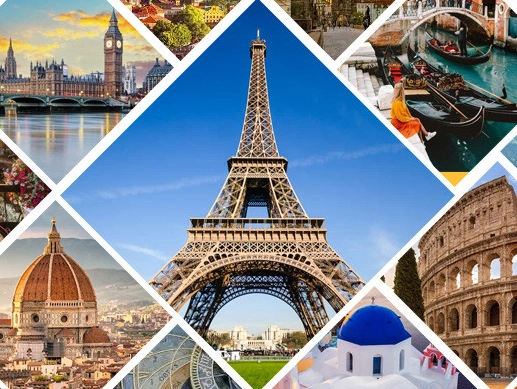
Local Insight: In Italy and Spain, many smaller shops and restaurants close for a few hours in the afternoon (roughly 1-4 PM). Plan your shopping and meals around this. It's not inefficiency; it's a different rhythm of life. Embrace it. Have a long lunch.
Beyond the Usual Suspects: Where the Crowds Thin
If you want to feel like you've discovered something, look east and north.
| Country | Best For | Can't-Miss Experience | Budget Tip |
|---|---|---|---|
| Portugal | Coastal beauty, value for money, friendly vibe. | Lisbon's Tram 28 (go early!), Porto's port wine lodges (tour & tasting from €15), the cliffs of the Algarve. | Meals are significantly cheaper than in France or Italy. A fantastic dinner with wine can be under €30 per person. |
| Croatia | Dramatic Adriatic coastline, medieval walled cities. | Walking the walls of Dubrovnik (€35 in high season, worth it at sunset), island-hopping from Split (ferry tickets ~€10-20 per leg). | Stay in apartments instead of hotels. Visit in May/June or September to avoid peak summer crowds and prices. |
| Greece | Ancient history combined with island relaxation. | The Acropolis in Athens (combo ticket €30), then a ferry to less-touristy islands like Naxos or Milos. | On islands, rent an ATV (~€25/day) instead of a car to get around. It's cheaper and more fun. |
| Germany | Efficiency, history, Christmas markets, hiking. | Berlin's museums and nightlife, the Romantic Road by car, hiking in the Black Forest. | Get a regional Länder ticket for train travel within a state. Covers a whole group for a day for ~€25-€50. |
A personal favorite is Slovenia. It's like a miniature Europe. You can see the alpine beauty of Lake Bled, explore a massive cave system (Postojna Cave), and sip wine in a Italianate coastal town (Piran) all within a few days' drive. It's affordable, stunning, and feels undiscovered.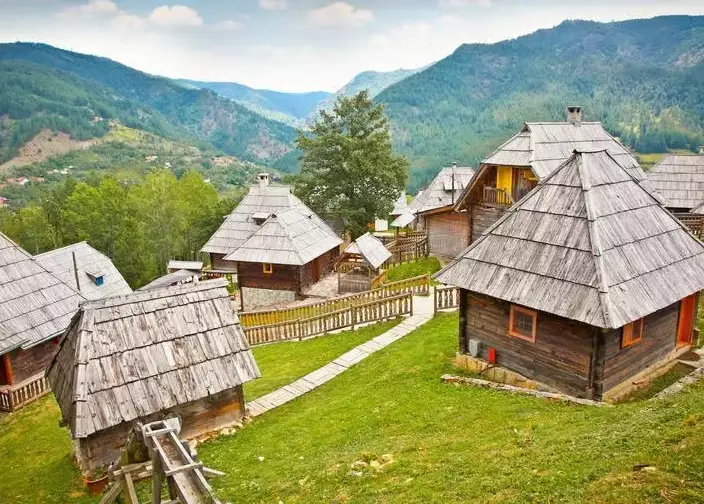
Crafting Your Multi-Country Itinerary: A Realistic 10-Day Example
Let's apply this. Flying into one city and out of another saves backtracking.
The Alpine & Adriatic Loop: Start in Munich, Germany (2 nights). Visit the Deutsches Museum, enjoy a beer garden. Pick up a rental car.
Drive south through the Alps to Innsbruck, Austria (1 night). Mountain views, no need for a complex hike.
Continue south over the stunning Brenner Pass into the Dolomites, Italy (2 nights). Stay in a rifugio (mountain hut). Hike the Seceda ridgeline.
Drive east to Ljubljana, Slovenia (2 nights). Explore the charming capital, day trip to Lake Bled.
Drive south to the coast, ending in Trieste, Italy or Zagreb, Croatia (1 night) for your flight out.
This trip gives you four distinct cultures and landscapes without a single internal flight. The driving is part of the experience.
The Nitty-Gritty Practical Guide
This is where trips are made or broken.
Getting Around: Train, Plane, or Automobile?
Trains are brilliant for city-to-city links (Paris to Brussels, Milan to Florence). Book ahead on official sites like Trainline or national operators. Planes are for longer hops (Barcelona to Athens). Use Skyscanner, but always book directly with the airline if possible. Cars are essential for rural areas, the Alps, or coastal roads like Croatia's. Manual transmission is still common; specify automatic if needed.
Money & Communication
The Euro (€) is used in 20 EU countries. Notable exceptions: UK (£), Switzerland (CHF), Czechia (CZK), Hungary (HUF), Poland (PLN). Always have some local cash for markets and small towns. A Wise or Revolut card is a lifesaver for cheap currency conversion and ATM withdrawals.
Get a local SIM card with data at the airport or a telecom shop (Vodafone, Orange). €20-€30 gets you a month of ample data across the EU. Being able to Google translate a menu or navigate a bus schedule on the fly reduces stress by about 90%.
When to Go
Shoulder seasons (April-May & September-October) are the sweet spot for most of Western Europe. Good weather, fewer people, lower prices. Summer (July-August) is packed and hot, especially in Mediterranean cities. Winter is for Christmas markets, skiing, and having cities like Rome or Paris relatively to yourself, albeit with shorter days.
Your Europe Travel Questions Answered
The final piece of advice? Pick a theme. A food tour through Spain and Portugal. A hiking trip through the Alps across Switzerland, Austria, and Italy. A history deep-dive in Greece and Turkey. When you travel by theme rather than just by country, the borders start to blur, and the real Europe—connected, diverse, and endlessly fascinating—comes into focus.
That's the goal. Not just to see Europe, but to experience a slice of it, deeply.
Comments
Join the discussion