Quick Navigation
- Navigating the Fiji Archipelago: Which Island is Your Vibe?
- Beyond the Beach: What Does the Fiji Tourism Industry Actually Offer?
- Planning Your Trip: The Nitty-Gritty Details
- The Big Questions: Your Fiji Tourism FAQ
- The Future of Travel Here: Sustainability & Conscious Choices
- Final Thoughts Before You Book
So you're thinking about Fiji. Your mind probably jumps straight to those impossibly blue waters, overwater bures, and smiling faces. And you're not wrong. But after spending more time there than I care to admit (it's a tough job, but someone's gotta do it), I've realized the Fiji tourism industry is a whole universe wrapped up in 300-odd islands. It's not just a destination; it's a feeling, a pace of life, and sometimes, a lesson in planning.
Let's be honest. A lot of travel blogs make it sound like a seamless, perfect dream. The reality is messier, more interesting, and honestly, more rewarding. You might get caught in a sudden tropical shower. The "Fiji time" pace can test the patience of a type-A planner. But that's where the magic hides—in the unexpected moments, the genuine "Bula!" from a stranger, the taste of a fruit you can't name.
This guide isn't just a list of places. It's a deep dive into how the Fiji tourism industry actually works for you, the traveler. We'll talk about the glitzy resorts and the hidden homestays, the must-dos and the maybe-nots, and how to navigate it all without that nagging worry you're missing something.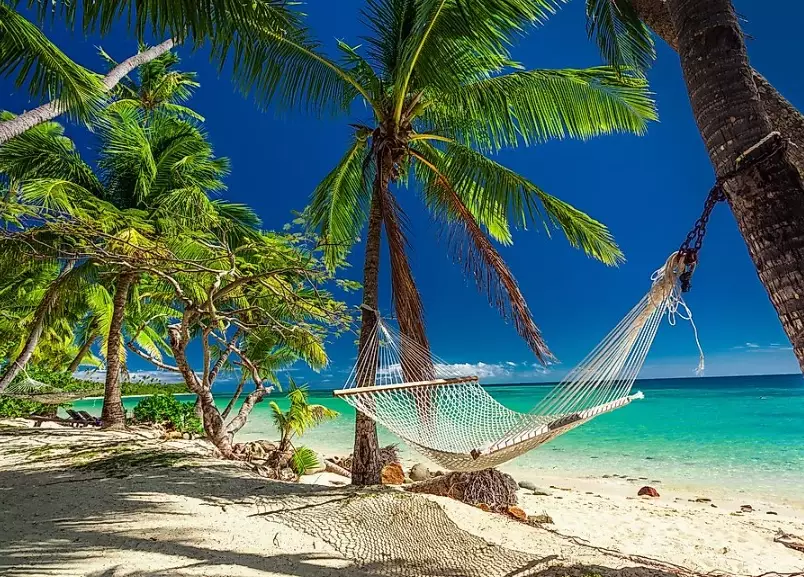
Navigating the Fiji Archipelago: Which Island is Your Vibe?
This is the first big decision, and it trips up a lot of people. Fiji isn't one island; it's a constellation. Choosing the right one can mean the difference between a party holiday and a spiritual retreat. The main tourism hubs are fairly distinct, each catering to a different wallet and wishlist.
Viti Levu: The Main Gateway
Home to Nadi Airport and the capital, Suva. This is where you'll likely land. The Coral Coast stretches for miles with big-name resorts. Denarau Island, near Nadi, is a manicured complex of hotels, golf courses, and marinas—it's convenient, but it feels a bit like a Pacific-themed bubble. Good for families who want everything in one spot or a short stopover. Suva is a real, bustling, rainy capital city with fantastic markets and a dose of Melanesian reality—not many tourists linger, but I love its energy.
The Mamanuca Islands: The Iconic Fiji
You've seen these islands on TV. They're the ones a short boat ride from Denarau. Places like Malolo, Mana, and the famous Cloudbreak surf spot. The water here is ridiculously clear. It's where you find the iconic overwater bures and vibrant coral reefs. It's also the most accessible island group, which means it can get busy. Perfect for first-timers, honeymooners, and anyone who wants that instant postcard-perfect view with maximum convenience.
The Yasawa Islands: The Rugged Escape
North of the Mamanucas, the Yasawas are drier, more rugged, and feel more remote. This is where you go for dramatic volcanic landscapes, incredible snorkeling right off the beach, and a more backpacker-friendly vibe (though there are luxe options too). The Yasawa Flyer ferry service connects the main islands, making it a favorite for island-hopping itineraries. It feels less manufactured than some parts of the Mamanucas.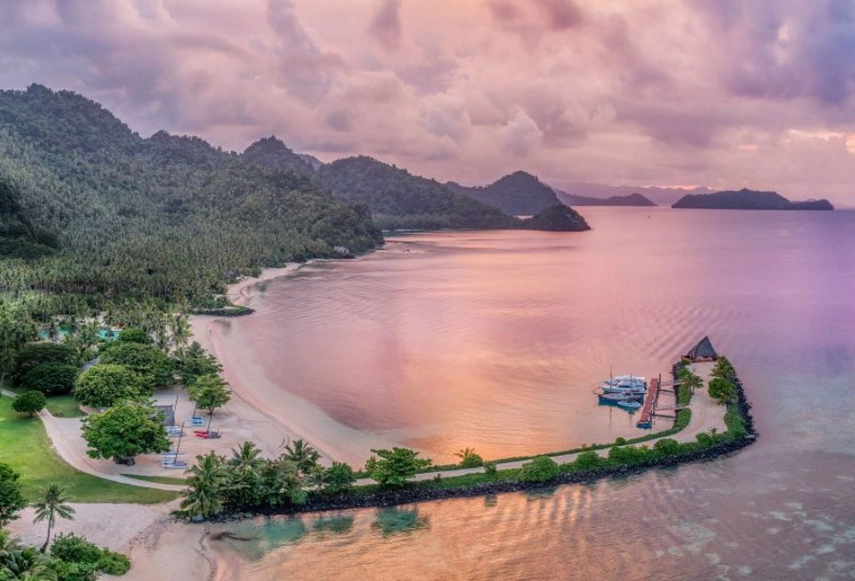
Vanua Levu & Taveuni: For the Adventurous Soul
This is where you go to get away from it all. Vanua Levu is the second-largest island, with the fantastic Savusavu Bay and its hot springs. Taveuni, the "Garden Island," is lush, waterfall-filled, and home to the Bouma National Heritage Park. The tourism industry here is smaller-scale, focused on diving (the Somosomo Strait is world-class), hiking, and genuine cultural immersion. You won't find big resorts, but you will find incredible eco-lodges and a sense of discovery.
Here’s a quick table to help you compare the major regions. I wish I had this when I started planning.
| Region | Best For | Vibe | Travel Time from Nadi |
|---|---|---|---|
| Denarau Island & Coral Coast (Viti Levu) | Families, first-timers, short stays, golf, convenience | Manicured, convenient, resort-focused | 20 min - 2 hrs (by road) |
| The Mamanuca Islands | Honeymoons, iconic Fiji photos, easy island access, great snorkeling | Postcard-perfect, popular, vibrant marine life | 30 min - 1.5 hrs (by boat/catamaran) |
| The Yasawa Islands | Island-hopping, backpackers, dramatic scenery, budget to mid-range | Rugged, relaxed, adventurous | 2 - 5 hrs (by Yasawa Flyer ferry) |
| Vanua Levu & Taveuni | Divers, hikers, eco-tourists, true escape | Remote, lush, authentic, uncrowded | 1 - 1.5 hrs (by domestic flight) |
Beyond the Beach: What Does the Fiji Tourism Industry Actually Offer?
If you just lie on the beach, you're missing half the story. The depth of experiences within the Fiji tourism industry is what brings people back.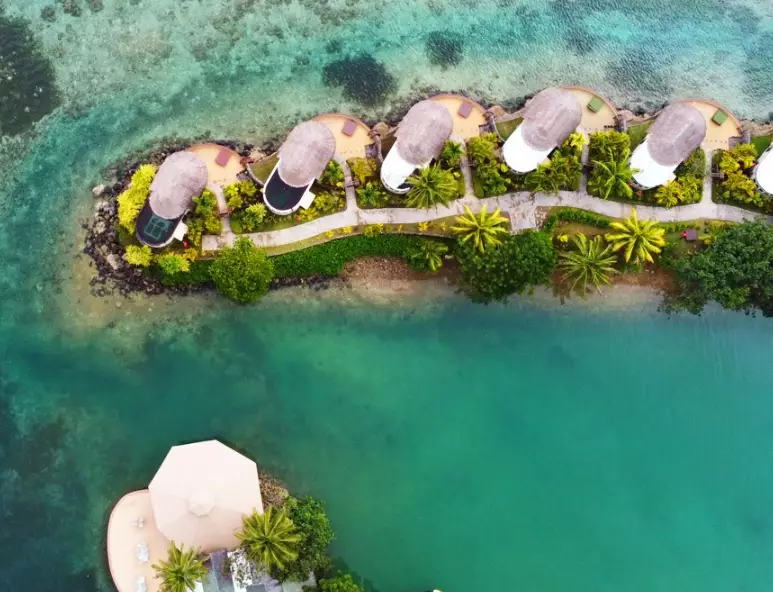
The Heart of It All: Fijian Culture (The *Real* Must-Do)
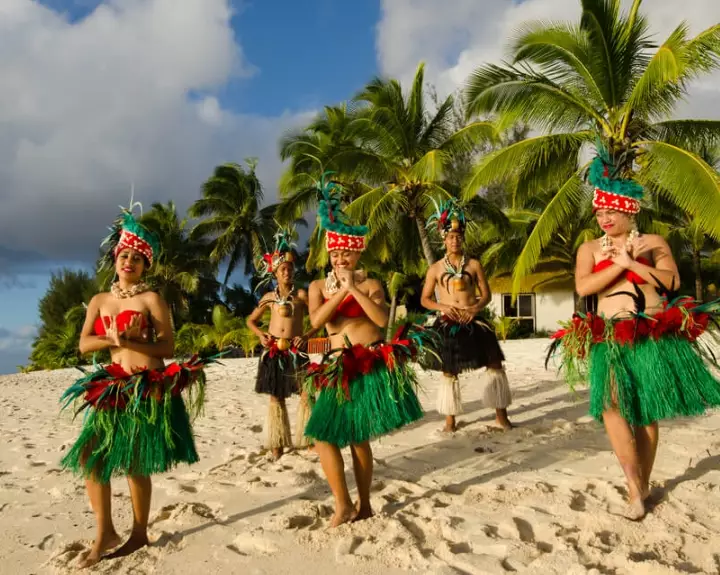
Fijian culture is incredibly welcoming, but it's not a performance. A village visit is a profound experience if done respectfully. You'll likely participate in a *sevusevu* (a gift-giving ceremony, often with kava), share a meal (*lovo* feast cooked in an earth oven is a highlight), and maybe hear some spine-tingling harmony from a church choir. Remember, you're a guest. Dress modestly (covered shoulders, knees), and always ask before taking photos of people. The Ministry of iTaukei Affairs has guidelines on cultural protocols that are worth a glance. This isn't a tick-box activity; it's the key to understanding the soul of the place.
Adventure & Activities: From Lazy to Crazy
The range is wild. You can be sipping a cocktail by the pool one minute and swimming with manta rays the next.
- Underwater World: The soft coral diving is legendary, especially in the Bligh Waters and around Taveuni. Don't dive? The snorkeling is often just as good right off the beach in the Mamanucas and Yasawas. I've seen more colorful fish in knee-deep water on Modriki Island than in some dedicated aquariums.
- Surfing: Cloudbreak is for pros, but there are breaks for all levels. The Fiji tourism industry has surf camps that cater to beginners, often in the Mamanucas.
- Hiking & Waterfalls: Taveuni's Lavena Coastal Walk and the hike to the Tavoro Falls are stunning. On Viti Levu, the Sigatoka Sand Dunes offer a different, windy landscape.
- River & Jetboat Tours: On Viti Levu, the Navua River tours take you into a lush jungle gorge, past villages and waterfalls. It's a great way to see the island's interior.

The Food Scene: It's Not Just Resort Buffets
Let's talk food. Resort buffets are fine, but they're a global cuisine. To taste Fiji, you need to venture out.
Must-try local dishes: Kokoda (Fiji's ceviche in coconut milk), lovo feast (pork, chicken, fish, and root vegetables slow-cooked underground), rourou (taro leaves in coconut cream), and fresh tropical fruit you've never heard of. In towns like Suva, Lautoka, or Nadi, look for the small, busy Indian-Fijian curry houses. The roti and curry are incredible and a huge part of the local culinary fabric.
Drinking Water Note: A practical thing nobody tells you. Tap water in major resorts and towns on Viti Levu is generally treated and safe. On the outer islands, it's almost always rainwater collected in tanks. It's usually safe, but if you have a sensitive stomach, stick to bottled water or ask your accommodation. I've drunk tank water for weeks with no issue, but it's a personal call.
Planning Your Trip: The Nitty-Gritty Details
This is where blogs often gloss over the tricky parts. Let's get practical.
When to Go & Weather Realities
The dry season (May to October) is peak season for a reason. Sunny, less humid, less rain. It's also more expensive and crowded. The wet season (November to April) is hotter, more humid, with a higher chance of heavy rain and the possibility of cyclones (though they're not constant). But it's also lush, green, cheaper, and you'll have places more to yourself. I've gone in February and had a week of perfect sunshine, followed by two days of solid, tropical downpour. We played cards, read books, and it was kind of wonderful. The Fiji tourism industry doesn't shut down in the wet season—it just has a different rhythm.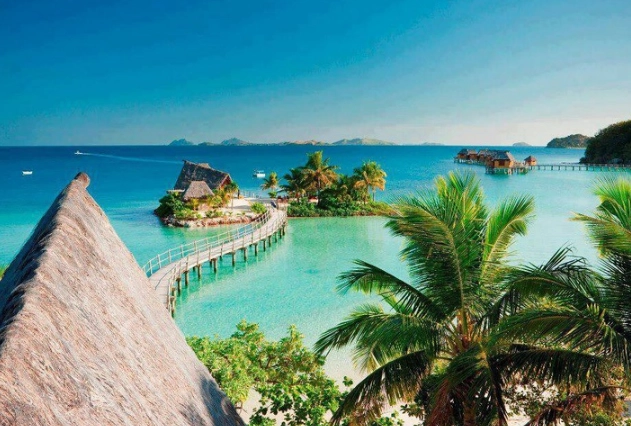
Money & Costs: Budgeting Honestly
Fiji can be a budget backpacker trip or an ultra-luxury splurge. There's no single price tag.
- Budget: Stay in dorm rooms in beachside hostels in the Yasawas, eat at local markets and cheap curry houses, travel by public ferry and buses. You can do it on a tight budget if you're smart.
- Mid-Range: This is the sweet spot for many. Nice boutique resorts or bures on smaller islands, a mix of local and resort meals, some paid activities. Plan for this to be more expensive than a Southeast Asia trip, but comparable to other Pacific destinations.
- Luxury: The sky's the limit. Private island resorts, overwater bures, helicopter transfers, all-inclusive packages. The service is impeccable, but you pay for it.
A hidden cost? Inter-island transfers. A seaplane or helicopter transfer to a remote resort can cost hundreds per person. Factor that in when comparing resort prices.
Getting Around: Planes, Boats, and "Fiji Time"
Internal flights on carriers like Fiji Airways are efficient for covering long distances (e.g., to Vanua Levu). For the Mamanucas/Yasawas, you're looking at fast catamarans (like South Sea Cruises) or the iconic yellow Yasawa Flyer ferry. The ferry is slower but cheaper and part of the adventure. On Viti Levu, buses are cheap, frequent, and a cultural experience—just be prepared for Reggae music at full volume. Taxis are plentiful in towns; agree on a price before you get in.
"Fiji Time" is Real. Schedules are suggestions. Boats might leave a little late. Service might be leisurely. It's not inefficiency; it's a different philosophy. Build slack into your travel days, especially if you have an international connection. Don't schedule a ferry arrival an hour before your flight out of Nadi. You will stress, and everyone else will be confused by your stress.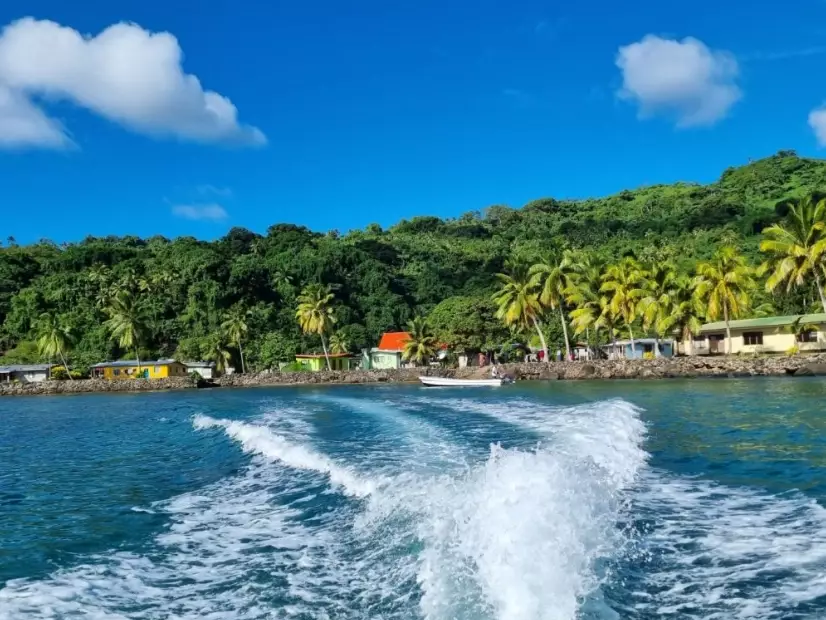
The Big Questions: Your Fiji Tourism FAQ
The Future of Travel Here: Sustainability & Conscious Choices
The Fiji tourism industry faces real challenges—climate change (rising sea levels, coral bleaching), and the need to ensure tourism benefits local communities directly. As a traveler, you can make choices that help.
- Choose Eco-Certified: Look for resorts with credible eco-certifications or those actively involved in marine conservation (coral planting, manta ray research).
- Support Local: Book tours run by village cooperatives, buy souvenirs directly from artisans at markets, eat at local restaurants. The Fiji Tourism website often highlights local experiences.
- Reef-Safe Sunscreen: This is non-negotiable. Chemicals in regular sunscreen kill coral. Pack reef-safe, mineral-based sunscreen (zinc oxide/titanium dioxide). It's sometimes hard to find and expensive in Fiji, so bring plenty.
- Mind Your Waste: Plastic is a huge problem in the Pacific. Refuse single-use plastics, carry a reusable water bottle (many resorts have filtered water stations), and be mindful of your footprint.
It's easy to be cynical about "greenwashing," but I've visited community-run projects in Fiji where tourism dollars are building schools and funding conservation. Your choices matter.
Final Thoughts Before You Book
Look, Fiji isn't a secret. Parts of it are well-developed for tourism. But the magic isn't in finding a place no one has ever been; it's in the depth of experience you can have within this incredible island nation.
The Fiji tourism industry has learned to cater to every type of traveler, from the luxury seeker to the backpacker. Your job is to be honest about what you want. Do you want effortless pampering and perfect beaches? The Mamanucas will deliver. Do you want to feel a sense of adventure and disconnect? Look north to the Yasawas or east to Taveuni.
Do your research, but leave room for the unexpected. That's where the best stories—and the true understanding of the Fiji tourism industry's heart—are found.

Comments
Join the discussion