Quick Guide to This Article
- First Things First: Getting Your Head Around the Geography
- Where to Go: Breaking Down the Big Names (And Some Secret Ones)
- The Nitty-Gritty: Stuff You Really Need to Know
- Beyond the Beach: The Cultural Pulse
- Safety and Health: Being Smart, Not Scared
- Budgeting: How Much Does a Trip Really Cost?
- Your Philippines Tourism Questions, Answered
- Final Thoughts Before You Book That Flight
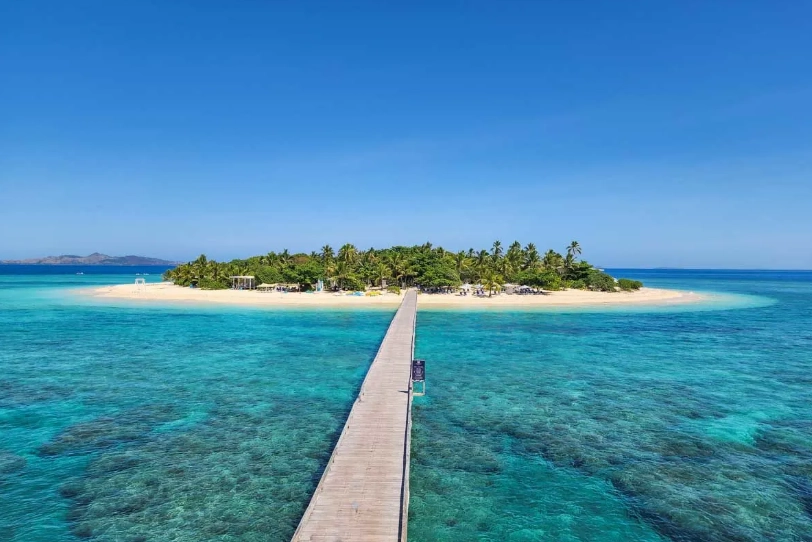
Let's be honest. When you think of Philippines tourism, you picture white sand, palm trees, and water so clear it looks like a swimming pool. And you're not wrong. That's a huge part of the appeal. I've been to a lot of places, but the first time I stepped onto the sand in El Nido, my brain just sort of short-circuited. It's that beautiful.
But here's the thing that keeps me going back. The Philippines is so much more. It's a chaotic, heartwarming, frustrating, and unbelievably vibrant country made up of over 7,000 islands. That's not just a number—it means every trip can be completely different. You can go from the wild nightlife of Boracay to the serene, untouched coves of Siquijor (yes, the "mystic" island, more on that later) in one trip. The depth of Philippines tourism is what most people miss on their first Google search.
This guide isn't just a list of places. It's the stuff I wish I knew before my first trip, mixed with the gems I've discovered after several visits. We'll talk logistics, culture, hidden spots, and yes, those famous beaches too.
First Things First: Getting Your Head Around the Geography
This is probably the most confusing part for first-timers. The country is split into three main island groups: Luzon (where the capital Manila is), the Visayas (the central part, home to Cebu and Bohol), and Mindanao (the southern part). Most classic Philippines tourism itineraries focus on the Visayas because it's packed with famous spots and is relatively easy to island-hop.
But don't sleep on Luzon. Up north you have the incredible Banaue Rice Terraces, often called the "Eighth Wonder of the World." They're not just a photo op; they're a living cultural landscape carved into mountains over 2,000 years ago. The official UNESCO World Heritage page has the technical details, but seeing them in person, especially at sunrise when the mist hangs in the valleys, is humbling. It's a different side of Philippines tourism altogether.
Where to Go: Breaking Down the Big Names (And Some Secret Ones)
Alright, let's talk destinations. This is the meat of any Philippines travel guide. I'll give you the popular highlights and then some personal favorites that are slightly off the radar.
Palawan: The Crown Jewel (For Good Reason)
Every blog, every list, every Instagram feed about Philippines tourism features Palawan. It's consistently voted one of the best islands in the world. And frankly, it earns the hype. The main hubs are El Nido and Coron. El Nido is all about those dramatic limestone karsts jutting out of turquoise water. You book an island-hopping tour (A, B, C, or D), and they take you to a series of lagoons, beaches, and snorkel spots. Tour A, which includes the Big and Small Lagoons, is the most famous for a reason.
Coron, on the other hand, is famous for its crystal-clear freshwater lakes like Kayangan Lake (prepare for a steep climb) and its World War II-era Japanese shipwrecks, which make for incredible diving. The town itself is less polished than El Nido, which I actually prefer—it feels more real.
Then there's Puerto Princesa, the gateway city, home to the Underground River. It's a UNESCO site and a fun boat ride through a massive cave. Worth a stop if you're flying in there, but don't base your whole trip around it.
A Personal Letdown: Everyone raves about the Underground River. I found it... okay. The boat ride is cool, but the commentary can be cheesy, and it's incredibly crowded. If you're short on time, I'd prioritize the island tours in El Nido or Coron over this.
The Visayas: The Island-Hopping Heartland
This is where you can truly live the island-hopping dream. The connections are easier, and the variety is insane.
- Cebu: Often just a flight hub, but it has its own treasures. The main draw is swimming with whale sharks in Oslob. This is ethically controversial—the sharks are fed to keep them in the area. It's an amazing experience, but it doesn't feel completely natural. A better alternative in Cebu is canyoneering in Kawasan Falls. You jump, slide, and swim down a series of stunning turquoise waterfalls. It's a full-day adrenaline rush.
- Bohol: Famous for the Chocolate Hills (they turn brown in the dry season) and the adorable, bug-eyed Tarsiers. Visit the Tarsier Conservation Area, not the roadside stalls, to ensure the animals are treated ethically. Bohol also has some lovely quiet beaches on Panglao Island.
- Boracay: It was closed for 6 months in 2018 for rehabilitation. The Boracay I visited before was a beautiful beach overshadowed by overcrowding and poor infrastructure. The Boracay after? It's cleaner, more organized, and the famous White Beach is breathtaking. It's lost some of its wild, backpacker party vibe, which for many is a good thing. It's now a world-class resort destination. Perfect if you want comfort, great food, and that perfect postcard beach.
- Siquijor: My personal favorite. It's labeled the "mystic island" known for folk healers and witchcraft legends. That gives it a cool vibe, but the reality is it's a beautiful, circular island with fantastic roads for motorbiking, stunning old-growth trees, cliff jumps like at Salagdoong Beach, and a super laid-back atmosphere. It feels like the Philippines 20 years ago.
So how do you choose? Check this quick comparison.
| Destination | Vibe | Best For | Consider If You Love... |
|---|---|---|---|
| El Nido, Palawan | Breathtaking scenery, adventure tours | Dramatic landscapes, lagoon-hopping, Instagram photos | Organized day trips, iconic views |
| Coron, Palawan | Rugged, dive-centric, less polished | Wreck diving, freshwater lakes, a more rustic feel | Snorkeling/diving, avoiding huge crowds |
| Boracay | Lively, resort-style, world-class beach | White sand relaxation, nightlife, diverse dining | Comfort, socializing, easy travel |
| Siquijor | Chilled, mystical, rustic charm | Motorbike exploration, local culture, offbeat feels | Going at your own pace, hidden gems |
| Cebu (South) | Activity-focused, mixed ethics | Whale sharks, canyoneering, city life | Adrenaline activities, a mix of urban & nature |
The Nitty-Gritty: Stuff You Really Need to Know
This is the practical section. The stuff that makes or breaks a trip.
Getting Around: Flights, Ferries, and Tricycles
Domestic flights are the way to cover large distances. Cebu Pacific and Philippines Airlines have extensive networks. Book early for the best prices. For island hopping, ferries are your friend. Companies like 2GO Travel and OceanJet are the main operators. Schedules change, especially in bad weather, so always confirm a day before. The official Philippines Department of Tourism website is a good starting point for general travel alerts and info.
On the islands, you'll live on tricycles (motorcycles with sidecars) and habal-habal (motorcycle taxis). Agree on a price before you get on. For more freedom, rent a motorbike. It's cheap and the best way to explore. Just be careful—roads can be rough and traffic in towns is chaotic.
When to Go: Sun, Rain, and Crowds
The dry season (roughly November to April) is peak season for Philippines tourism. The weather is glorious, but prices are higher and places like El Nido can feel packed. The shoulder months (May, June, October) can be a good compromise—you might get a short afternoon shower, but you'll also get smaller crowds. The rainy season (July to September) brings heavier, more persistent rain and the risk of typhoons. I traveled in late September once and had a week of perfect weather, but it's a gamble.
Honestly, if it's your first time, stick to the dry season.
Money, Food, and Staying Connected
Cash is king, especially in remote areas. ATMs are common in cities and major towns, but can run out of cash or not accept foreign cards. Withdraw enough when you can. Credit cards are accepted in nicer hotels and restaurants in tourist hubs.
Filipino food is an underrated part of the experience. It's a fusion of Malay, Spanish, Chinese, and American influences. You have to try adobo (meat stewed in vinegar and soy sauce), sinigang (a sour tamarind-based soup), and lechon (roast pig). Don't be afraid of the street food! Isaw (grilled chicken intestines) is a popular snack. For dessert, halo-halo is a must—a colorful mix of shaved ice, sweet beans, fruits, and ice cream.
Wi-Fi is notoriously slow and unreliable outside major hotels. Buying a local SIM card (Globe or Smart) at the airport is one of the best investments you'll make. Data packages are cheap and having Google Maps and Grab (the ride-hailing app) at your fingertips is a lifesaver.
Beyond the Beach: The Cultural Pulse
If you only see the beaches, you're missing half the story. Filipinos are famously hospitable. The smile is genuine. They'll go out of their way to help. This warmth is the soul of Philippines tourism.
There's a strong Spanish colonial influence, seen in the old churches (like the San Agustin Church in Manila, a UNESCO site) and the prevalence of Catholicism. Festivals, or *fiestas*, are a huge deal. If your trip coincides with one, like the Ati-Atihan in Kalibo or Sinulog in Cebu, it's an explosion of color, dance, and music.
The beauty of the Philippines isn't just in its landscapes, but in the resilience and joy of its people. You see it everywhere, from the crowded jeepneys to the karaoke sessions in every neighborhood.
Remember to be respectful. Dress modestly when visiting churches or rural areas. A simple "thank you" in Tagalog—"Salamat po" (the "po" adds politeness)—will earn you big smiles.
Safety and Health: Being Smart, Not Scared
The Philippines is generally safe for tourists. Petty theft like pickpocketing can happen in crowded areas like Manila, so just be aware. The bigger safety concern is transportation. Be cautious when renting motorbikes, and always check the safety record of ferry companies before booking.
In terms of health, drink bottled or filtered water. Food hygiene in busy, popular local eateries is usually fine—the high turnover means it's fresh. I've eaten at countless roadside *carinderias* and never had a serious issue. Bring mosquito repellent, especially during the rainy season. It's also a good idea to be up-to-date on routine vaccines; check the CDC's travel page for the Philippines for the latest recommendations.
The Bottom Line? Use common sense. Don't flash expensive jewelry, keep an eye on your bag, and listen to local advice about areas to avoid, particularly in certain parts of Mindanao where travel advisories may apply.
Budgeting: How Much Does a Trip Really Cost?
It can be as cheap or as luxurious as you want. A backpacker staying in hostels, eating local food, and using public transport can get by on $30-40 a day. A mid-range traveler wanting private rooms, nice meals, and private tours might spend $80-120 a day. Luxury is available, especially in places like Amanpulo or El Nido resorts.
Your biggest expenses will be domestic flights and island-hopping tours. Tours in Palawan can cost $25-40 per person for a full day, including lunch. Ferries between islands are usually $10-30 depending on the distance and class.
A mid-range 2-week trip focusing on the Visayas will likely cost you between $1,200 and $2,000, not including international flights.
Your Philippines Tourism Questions, Answered
I get asked these all the time by friends planning their trips.
Final Thoughts Before You Book That Flight
The Philippines challenges you. The logistics can be tiring. The poverty in some areas is confronting. The traffic in Manila is soul-destroying. It's not a perfectly packaged, frictionless tourism destination.
But that's also its magic. The rewards are proportional to the effort. The smile from a local kid, the discovery of a hidden beach you have all to yourself, the taste of a perfect mango bought from a roadside stall, the feeling of swimming in water warmer than your bath. That's the real Philippines tourism experience.
It gets under your skin. You'll leave planning your next trip back before you've even left. Maybe you'll skip the famous spots and head to Siargao, the surfing capital, or the remote Batanes islands up north. The possibilities are as endless as the coastline.
So do your research, pack your bags, and go. Just remember to look up from your phone. The best part of the Philippines isn't on a screen—it's all around you.

Comments
Join the discussion