Let's be honest, picking where to go in Canada is tough because there's just too much to choose from. You've got the rugged Pacific coastline, the epic Rocky Mountains, cosmopolitan eastern cities, and remote northern lights territory—all in one massive country. I've spent years road-tripping across provinces, and the biggest mistake I see is travelers trying to cram Vancouver, Toronto, and Halifax into one 10-day trip. It's a recipe for exhaustion. This guide cuts through the noise. We'll break down the essential Canada tourism places by region, with the concrete details you need to plan: ticket costs, how to get there, and what to really expect.
Your Quick Guide to Canada's Must-Sees
Canada's West Coast: City Meets Wild Nature
British Columbia is where urban life and outdoor adventure shake hands. The vibe here is laid-back but active. The weather is mild compared to the rest of Canada, but don't forget your rain jacket—especially if you're visiting between October and April.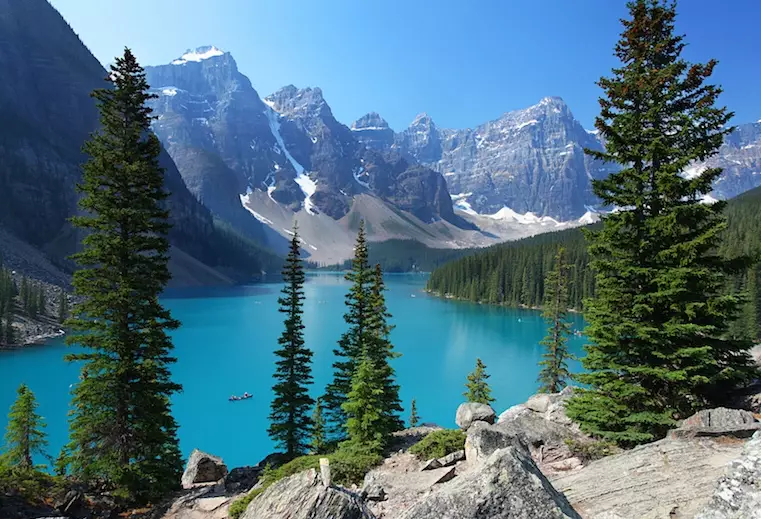
Vancouver & Victoria: The Urban Gateways
Fly into Vancouver International Airport (YVR). This city doesn't feel like a typical North American metropolis. You can ski in the morning and kayak in the afternoon.
Stanley Park is the crown jewel. It's not just a park; it's a 400-hectare rainforest peninsula surrounded by a 9 km seawall for walking, cycling, or inline skating. Cost: Free entry to the park. Bike rentals run about $10-15 CAD per hour. Getting there: Take the #19 bus from downtown, or it's a pleasant 20-minute walk from the West End. My tip? Go early. By midday, the seawall gets crowded.
A short ferry ride from Vancouver gets you to Victoria on Vancouver Island. The highlight here is the Butchart Gardens. Yes, it's touristy, but it's breathtaking. We're talking 55 acres of meticulously curated floral displays. Address: 800 Benvenuto Ave, Brentwood Bay. Hours: Vary by season (9 AM - 10 PM in summer, 9 AM - 3:30 PM in winter). Admission: Around $38 CAD for adults in peak season. Book online to skip lines. The ferry from Vancouver (Tsawwassen terminal) to Victoria (Swartz Bay) takes about 1.5 hours and costs around $18 per passenger one-way, plus $70+ for a standard vehicle.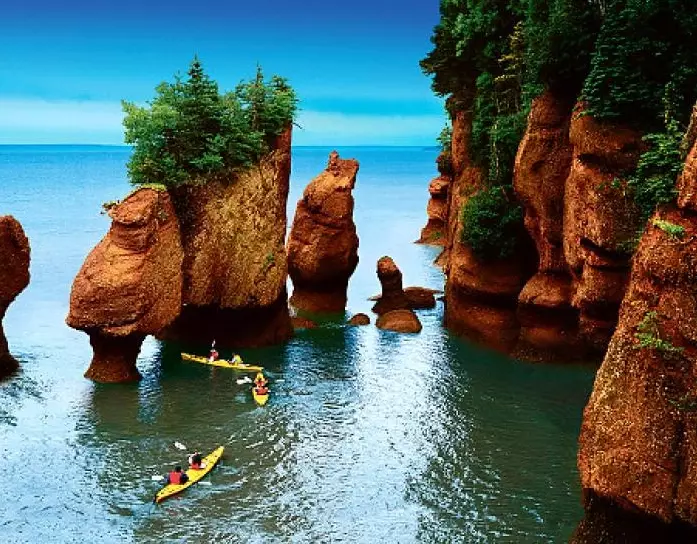
Local's Angle: Everyone heads to the Capilano Suspension Bridge in North Vancouver (which is impressive but costs over $60). For a free alternative with fewer crowds, try the Lynn Canyon Suspension Bridge. It's just as scenic, set in a beautiful provincial park with hiking trails. The parking lot fills up by 11 AM on weekends.
The Canadian Rockies: A Hiker's Dream
This is the postcard Canada. The mountains here are raw, dramatic, and humbling. The two main hubs are Banff and Jasper National Parks, connected by the legendary Icefields Parkway.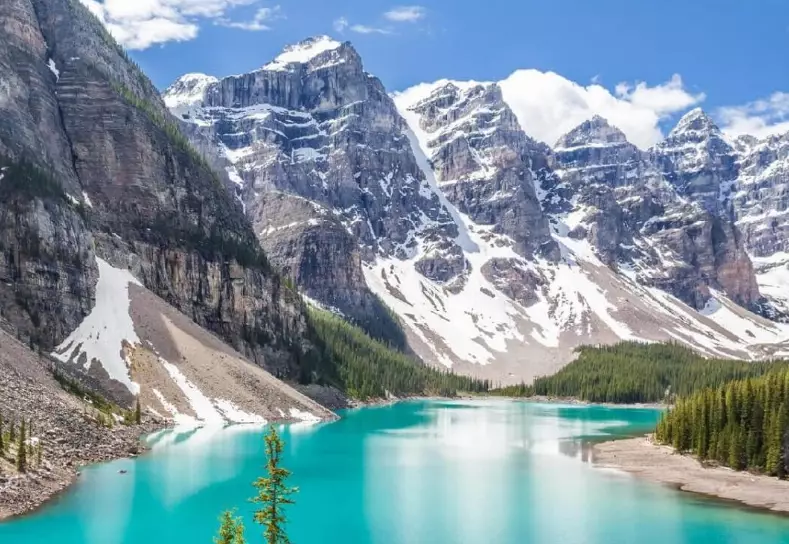
Banff National Park is the busiest. You need a Parks Canada Discovery Pass or a daily permit. A daily pass is $10.50 CAD per adult. The Discovery Pass, which gives you access to all national parks for a year, is $75.25 per adult—worth it if you're staying more than a week or visiting multiple parks.
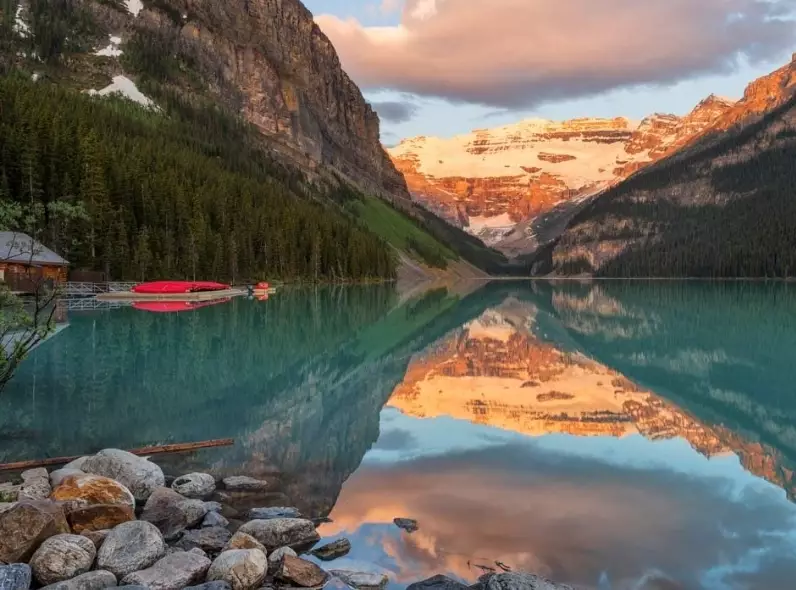
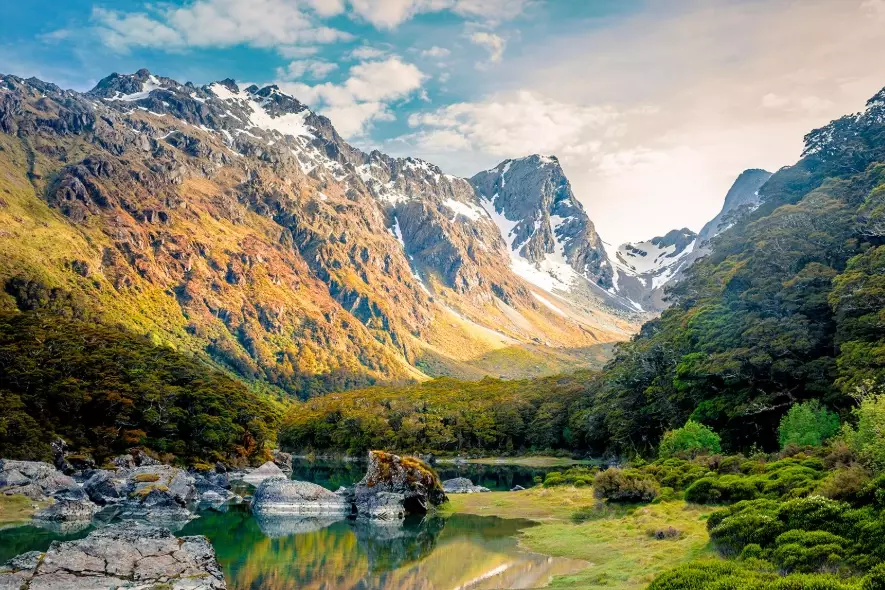
- Lake Louise & Moraine Lake: The iconic turquoise lakes. Moraine Lake's road is now closed to personal vehicles from June to October—you must take a shuttle ($8-15) from the Park and Ride. Book this shuttle the second it becomes available online, or you'll miss out. Lake Louise has paid parking, but it fills by 6 AM in summer. I made that mistake once and had to circle for an hour.
- Banff Town: The basecamp. It's charming but packed. Accommodation books up 6+ months in advance for summer. Consider staying in nearby Canmore for slightly better rates and a less touristy feel.
Jasper National Park is Banff's wilder, quieter cousin. The Columbia Icefield Skywalk and Athabasca Glacier tour are major attractions on the Icefields Parkway. The glacier tour is about $100 per person. It's cool, but if you're on a budget, you can walk up to the toe of the glacier on a marked path for free (with caution).
Getting there: Most people fly into Calgary International Airport (YYC). The drive to Banff is about 1.5 hours on the Trans-Canada Highway. Renting a car is non-negotiable for exploring the Rockies. Book it early—prices triple in summer.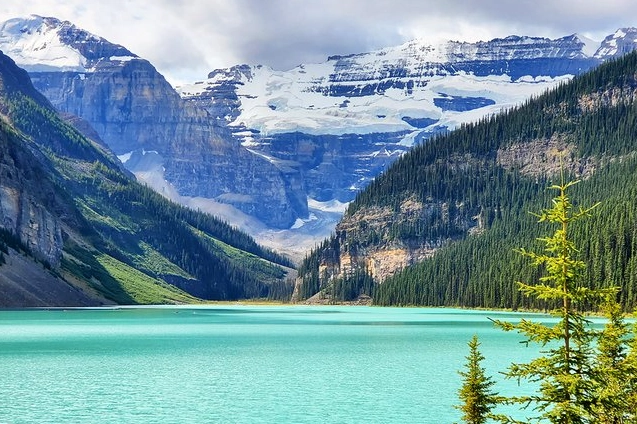
Eastern Canada: History, Cities & Niagara
The energy shifts in the east. You're diving into Canadian history, French culture, and one of the continent's most famous waterfalls.
Ontario's Power Duo: Toronto & Niagara Falls
Toronto is all about urban energy. The CN Tower is the landmark. General admission is around $43 CAD. For a free panoramic view, head to the rooftop patio of the Thompson Hotel (if you're having a drink) or take the ferry to the Toronto Islands for a stunning skyline vista.
A 90-minute drive south is Niagara Falls. The town is kitschy, but the falls themselves are undeniably powerful.
- Niagara Parks runs the main attractions. The Journey Behind the Falls (about $25) lets you stand right beside the crashing water. The Hornblower Niagara Cruises (about $35) get you soaked at the base. Both are worth it for the first-time visitor.
- Address: The main visitor area is at 6650 Niagara Parkway, Niagara Falls, ON.
- Pro Tip: Stay on the Canadian side. The views are far superior. Avoid the weekend crowds if you can.
Quebec: A Slice of Europe
Montreal is vibrant and artistic. Wander Old Montreal's cobblestone streets, visit the Notre-Dame Basilica (entry ~$10), and climb Mount Royal for a view.
But Quebec City is the showstopper. It's the only walled city north of Mexico. The Fairmont Le Château Frontenac dominates the skyline. You don't need to stay there (it's pricey), but do walk the Dufferin Terrace boardwalk in front of it. Explore the narrow streets of Quartier Petit Champlain. It feels like stepping into a French village. In winter, it transforms with German-style Christmas markets.
Getting around: The train via VIA Rail connects Toronto, Montreal, and Quebec City comfortably. For Niagara, you'll need a car or a tour bus from Toronto.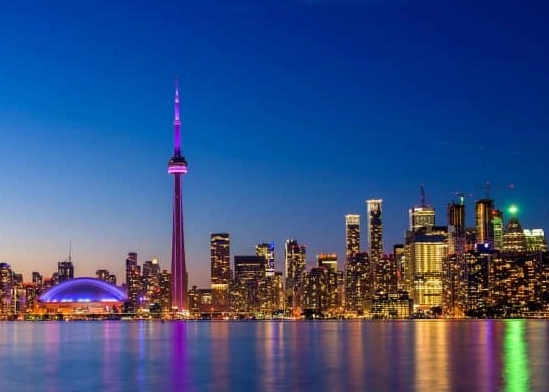
How to Plan Your Canada Itinerary
This is where trips succeed or fail. Canada is vast. Be realistic with distances.
Sample Itineraries: 7 Days vs. 14 Days
| Trip Length | Recommended Route | Key Stops & Focus |
|---|---|---|
| 7 Days (One Region) | Calgary → Banff → Lake Louise → Jasper → Calgary | Deep dive into the Rockies. Focus on hiking, scenic drives (Icefields Parkway), and iconic lakes. Requires a rental car. |
| 14 Days (Coast & Mountains) | Vancouver → Vancouver Island (Victoria) → Fly to Calgary → Banff → Fly to Toronto → Niagara Falls | Best of West Coast urban/ nature and classic eastern highlights. This involves one internal flight (Calgary to Toronto). |
A 14-day trip trying to include Vancouver, Banff, Toronto, and Quebec City is a marathon. You'll spend more time in airports than anywhere else. Pick a coast, or prepare for a very fast-paced journey.
Budgeting: For a mid-range traveler (hotels, rental car, park entries, meals), budget around $200-$350 CAD per person per day, not including flights. Hostels and camping can cut this significantly.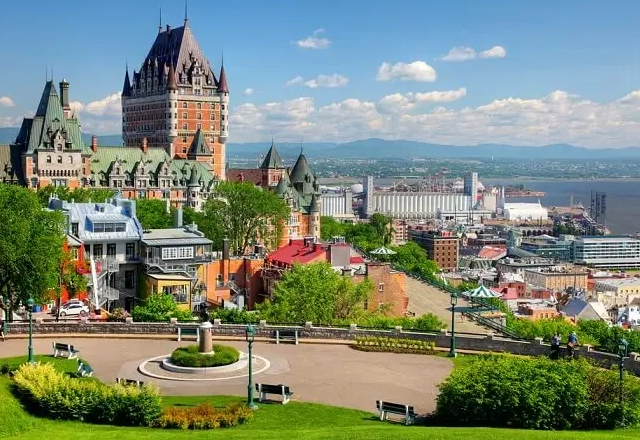
Canada Travel Questions Answered
Planning a trip to Canada's top tourism places comes down to matching your interests with the country's geography. Want epic hikes and mountain lakes? The Rockies are your answer. Craving culture, history, and urban energy? Focus on the Quebec City-Montreal-Toronto corridor. Dream of a coastal road trip? British Columbia delivers. The key is to not overextend. Dive deep into one or two regions rather than skimming the surface of all of them. You'll have a richer, more memorable experience. For the most current information on national park conditions and fees, always check the official Parks Canada website before you go.

Comments
Join the discussion