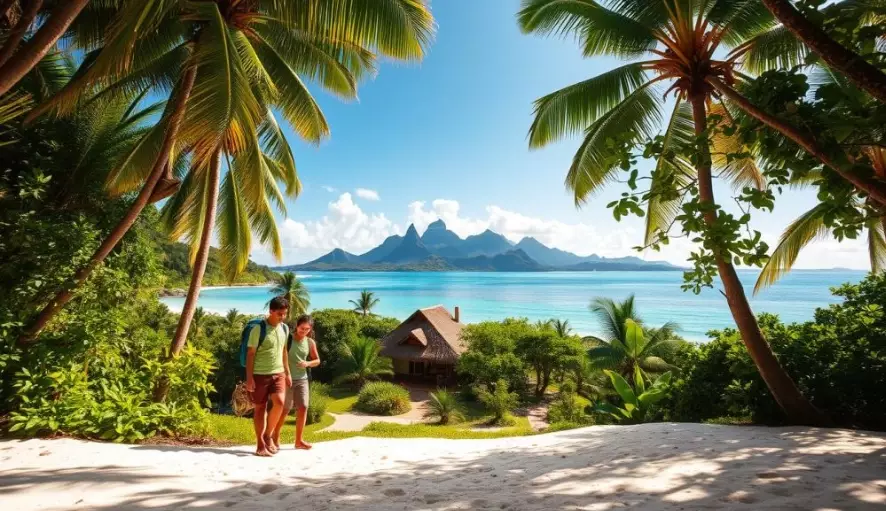
You've seen the pictures. Overwater bungalows, water so blue it doesn't look real, powder-soft sand. The Maldives is the definition of a dream destination. But between booking flights and dreaming of snorkeling, a practical question pops up: is it actually safe to go? I asked myself the same thing before my trip last year. The short answer is yes, for the vast majority of travelers, the Maldives is incredibly safe. But that "yes" comes with a handful of very specific "buts" that most generic travel blogs gloss over. Let's get into the real details, the kind that helps you pack your bag with confidence, not just sunscreen.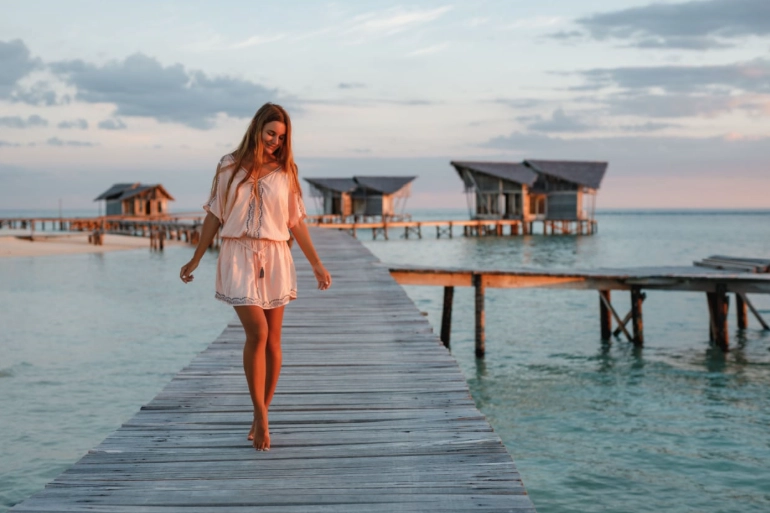
What You'll Find in This Guide
The Current Safety Landscape: Beyond the Resort Bubble
When people think "Maldives safety," their mind often jumps to political unrest or terrorism. Here's the nuanced truth. The Maldives is a stable country for tourists. The political scene is calmer than it was a few years ago, and the government prioritizes tourism—it's the lifeblood of the economy. The UK Foreign Office and the US State Department don't have any nationwide advisories against travel, which is a strong indicator.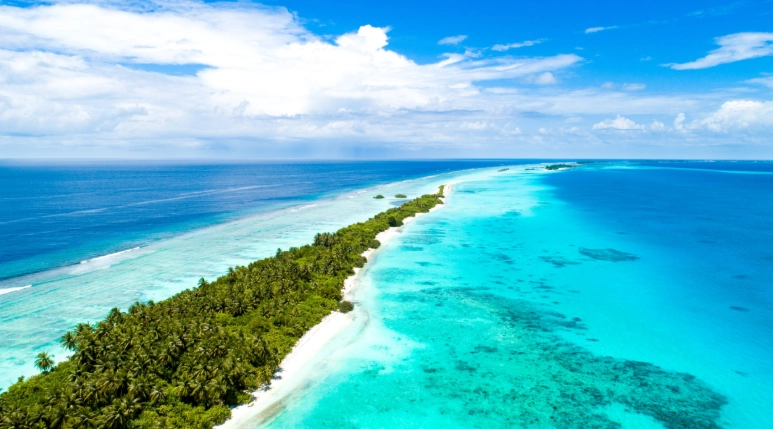
Crime against tourists is exceptionally low, especially within resort compounds. You're more likely to have a coconut fall near you than be a victim of any serious crime. Petty theft, like a camera left unattended on a beach chair, can happen anywhere in the world, but it's rare here.
The real safety considerations are environmental. The Maldives is the world's lowest-lying country. Climate change isn't a future threat; it's a daily reality. Severe weather events can and do happen. The monsoon seasons (Southwest from May-Oct, Northeast from Nov-Apr) bring different patterns. The southwest monsoon means more rain and wind, which can affect sea transfer schedules. Always, and I mean always, purchase comprehensive travel insurance that covers weather-related disruptions and medical evacuation. I learned this the hard way when a friend's seaplane transfer was canceled for 48 hours due to a storm, stranding them in Male' at their own expense.
Health & Medical Safety: What You Really Need to Pack
This is where many travelers get tripped up. Your resort clinic is great for bandaging a coral scrape, but for anything serious, facilities are limited.
Vaccinations and Entry Requirements
No mandatory vaccinations are required for entry unless you're coming from a yellow fever zone. However, the CDC recommends being up-to-date on routine shots (MMR, Diphtheria-tetanus-pertussis, Chickenpox, Polio, Flu). Hepatitis A and Typhoid are advised because you can get them through contaminated food or water, even in a luxury resort.
The Mosquito Menace: Dengue and Chikungunya
This is the biggest health reality check. Dengue fever is endemic in the Maldives. Those picture-perfect stagnant water features in garden villas? Prime mosquito breeding grounds. Many travelers, lulled by the luxury, forget basic prevention.
Pack a high-DEET insect repellent (30-50%). Reapply it diligently in the evenings. Wear long, light-colored clothing at dusk and dawn. If you get a high fever, severe headache, or joint pain during or after your trip, see a doctor and mention your travel history immediately. Don't assume it's just a cold.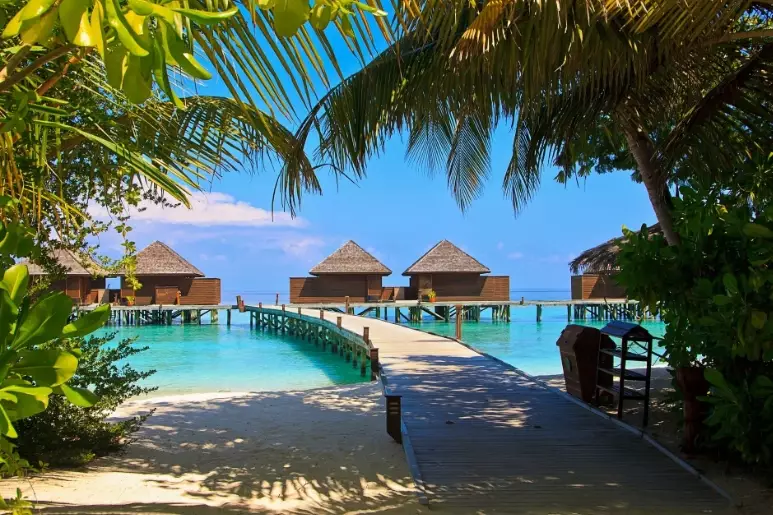
Medical Facilities: The Lay of the Land
Indira Gandhi Memorial Hospital (IGMH) in Male' is the main public hospital. For complex issues, medical evacuation to Singapore, India, or Sri Lanka is the standard protocol. This is why that travel insurance with a high medical evacuation coverage limit (think $500,000+) is non-negotiable. A simple appendix operation could necessitate a medevac flight costing tens of thousands of dollars.
Personal Safety: From the Resort to the Local Island
Safety feels different when you're sipping a cocktail on your private deck versus exploring a local community. Let's break it down.
Safety in Resorts
You're in a gated, private environment. Security is discreet but present. The main risks here are related to activities. Always listen to your dive or snorkel guide regarding currents. Don't touch the marine life (stonefish and stingrays are not your friends). Use the safe in your villa for passports and excess cash.
Safety on Local Inhabited Islands
This is where cultural sensitivity equals safety. The Maldives is a devoutly Muslim nation. On local islands:
- Dress modestly. This means covering shoulders and knees for both men and women. Many local islands have designated "Bikini Beaches" for tourists—use them.
- Public displays of affection are frowned upon.
- Alcohol and pork are prohibited. Don't bring them.
Respecting these norms isn't just polite; it prevents uncomfortable situations and shows respect for your hosts.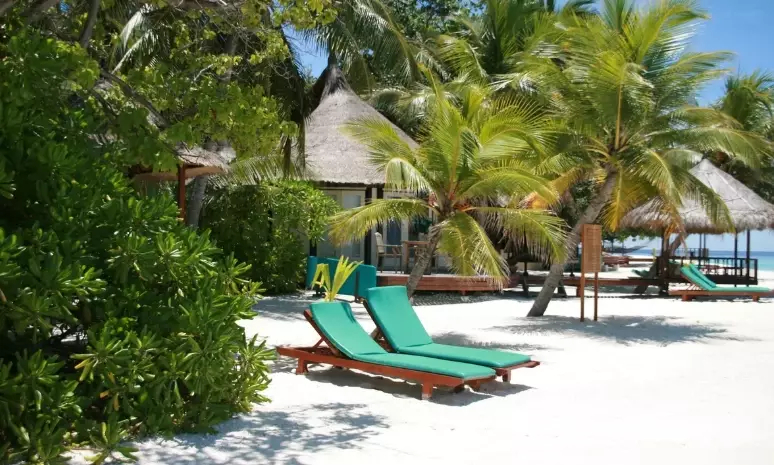
Safety for Specific Travelers
Solo Travelers: You'll be perfectly safe in a resort. On a local island guesthouse stay, choose well-reviewed places, let someone know your plans if you go exploring, and be aware of your surroundings at night, just as you would anywhere.
Female Travelers: Unwanted attention or harassment is rare but can happen, especially in Male'. Dressing conservatively is your best defense. In resorts, you'll have zero issues.
LGBTQ+ Travelers: Same-sex sexual activity is illegal under Maldivian law. While discreet couples in resorts are generally unaffected, public displays of affection could lead to serious legal trouble. The reality is, you need to be cautious.
Financial Safety & Smart Travel Planning
A ruined trip isn't just about danger; it's about losing a huge investment. The Maldives is expensive. Protect your money.
Payment: US dollars are widely accepted. Major credit cards work in resorts. On local islands, carry small denomination US dollar bills or Maldivian Rufiyaa (MVR). ATMs are available in Male' and larger islands like Maafushi.
Scams: Not prevalent, but be wary of too-good-to-be-true tour prices in Male'. Book activities through your resort or a reputable guesthouse.
The Insurance Talk (Again): I'm mentioning it twice because it's that important. Your policy must cover: 1) Medical evacuation, 2) Trip cancellation/interruption (for weather, illness), 3) Scuba diving if you plan to dive. Read the fine print on "adventure activities."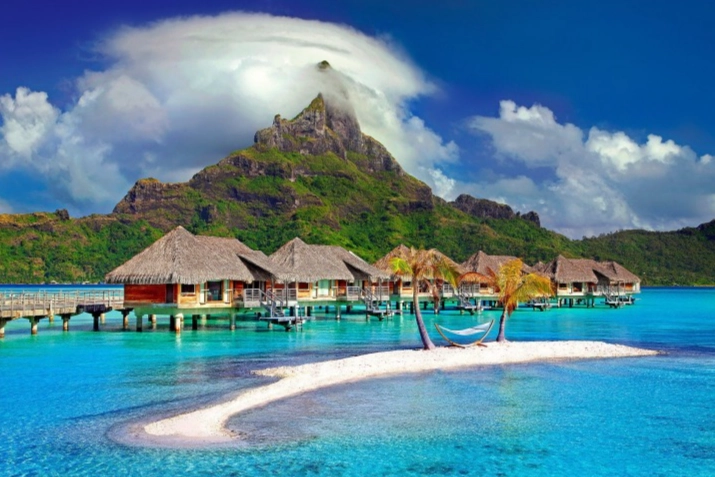
Your Specific Safety Questions Answered
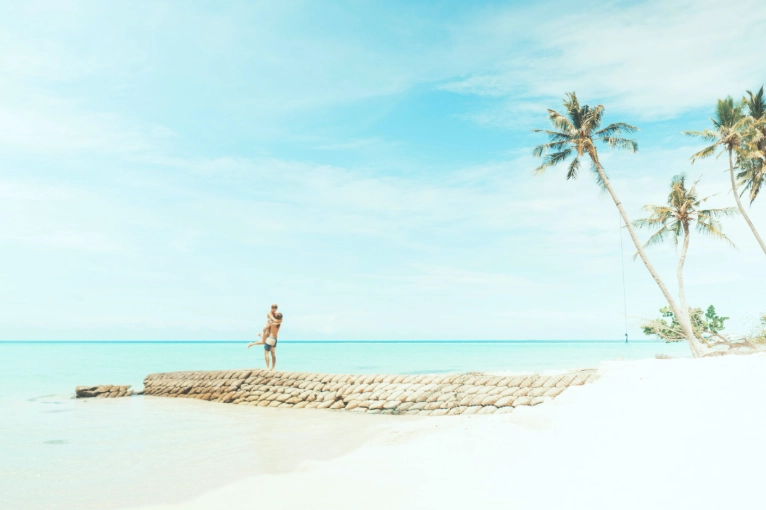 So, is the Maldives safe? For the prepared traveler, absolutely. It's one of the most peaceful and welcoming destinations I've visited. The key is swapping vague worry for specific preparation. Pack the repellent, buy the right insurance, respect the local culture, and understand the environmental factors. Do that, and you're set for a genuinely safe and incredible Maldivian escape. Your biggest risk might just be never wanting to leave.


Comments
Join the discussion