Quick Guide
- When is the Best Time to Visit Iceland? Spoiler: It Depends on You
- Crafting Your Iceland Itinerary: Beyond the Golden Circle
- Budgeting for Your Iceland Trip: Let's Talk Real Numbers
- The Non-Negotiable Packing List for Iceland
- Driving in Iceland: Rules, Realities, and Road Etiquette
- Sustainable Iceland Tourism: Traveling with Respect
- Your Iceland Tourism Questions, Answered
Let's be honest, planning a trip to Iceland can feel overwhelming. You've seen the pictures – those insane waterfalls, black sand beaches, and the otherworldly blue ice. But then you start digging, and the questions pile up. When should I go? How much will it actually cost? Can I see the Northern Lights? What in the world do I pack for a place that has summer and winter in the same afternoon?
I get it. I've been there, staring at my screen, trying to piece together a dozen different blog posts and forum threads. My first trip to Iceland was a mix of pure magic and a few hilarious (and costly) mistakes. I overpacked the wrong things, underestimated the wind (seriously, it's no joke), and spent too much time driving past incredible spots because I didn't know they were there.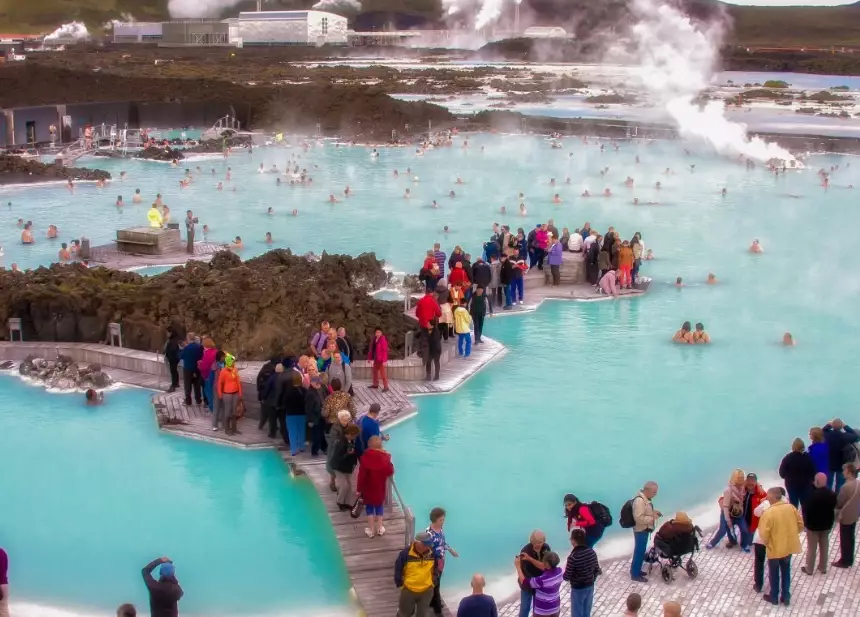
This guide is what I wish I had. It's not a fluffy list of top 10 sights. It's a practical, nitty-gritty manual for planning your Iceland adventure, designed to answer every question you have before, during, and after your trip. We'll cut through the noise and get straight to the useful stuff.
When is the Best Time to Visit Iceland? Spoiler: It Depends on You
This is the million-dollar question, right? Every Iceland tourism article talks about it, but they often just list seasons. Let's break down what each season really means for your experience.
The truth is, there's no single "best" time. There's only the best time for *your* priorities. Want midnight sun and hiking? Or dream of ice caves and auroras? Your answer changes everything.
Summer in Iceland (June - August)
This is peak season for a reason. The weather is at its mildest (think 10-15°C / 50-59°F), the days are endlessly long, and every road and trail is open. The highlands, a rugged interior region, are accessible, which is a huge draw for serious adventurers.
The Downside: Crowds (especially at the Golden Circle), highest prices for flights and accommodation, no Northern Lights, and you'll need a sleep mask!
I love summer for the freedom it offers. You can plan a spontaneous detour at 10 PM because it's still bright out. But "crowded" in Iceland is relative. You can still find solitude, but you might be sharing the view at Skógafoss with a few bus tours.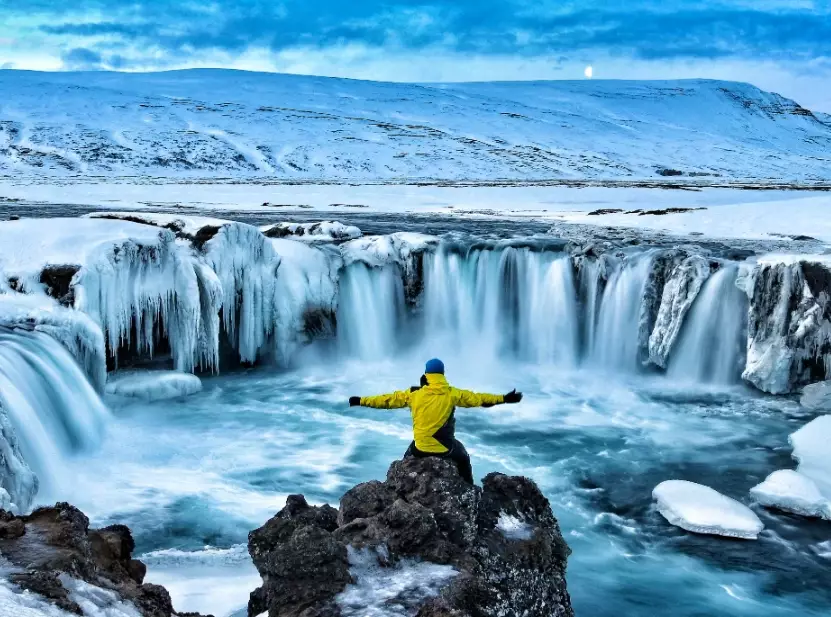
Winter in Iceland (November - March)
Winter transforms the country into a monochrome wonderland. This is the time for the Northern Lights, ice caving, and soaking in hot pots as snow falls around you. Daylight is scarce (4-6 hours in December), which forces a slower, more focused pace.
The lack of light isn't a downside if you frame it right. You have a short, beautiful window of golden light for photography. And there's nothing like coming back from a day of exploring to cozy up in a cabin, hoping for the aurora to dance. For reliable aurora forecasts, the Icelandic Met Office's aurora forecast page is an essential tool.
Shoulder Seasons: The Sweet Spot? (April-May & September-October)
Many seasoned Iceland travelers swear by the shoulder seasons. You get a taste of both worlds. In September, you might still have decent hiking weather and also catch the first auroras of the season. In April, the days are lengthening, snow is melting, and you might get lower prices before the summer rush.
But it's unpredictable. You could get a sunny, 10°C day in October, or a blizzard. It's a roll of the dice, but often a rewarding one with fewer people.
Here’s a quick comparison to help you visualize the trade-offs:
| Season | Daylight | Key Attractions | Major Considerations | Best For... |
|---|---|---|---|---|
| Summer (Jun-Aug) | 18-24 hours | Midnight Sun, Highlands, Puffins, Hiking | High prices, crowds, no darkness | Adventure hiking, road trips, photography |
| Winter (Nov-Mar) | 4-6 hours | Northern Lights, Ice Caves, Winter Landscapes | Limited access, stormy weather, requires 4x4 | Aurora hunting, unique winter activities, cozy trips |
| Shoulder (Apr-May, Sep-Oct) | 12-16 hours | Potential for both lights & hiking, Lower crowds | Unpredictable weather, some closures | Travelers seeking balance and value |
So, when is the best time to visit Iceland? Ask yourself what you want to do most. Let that guide you.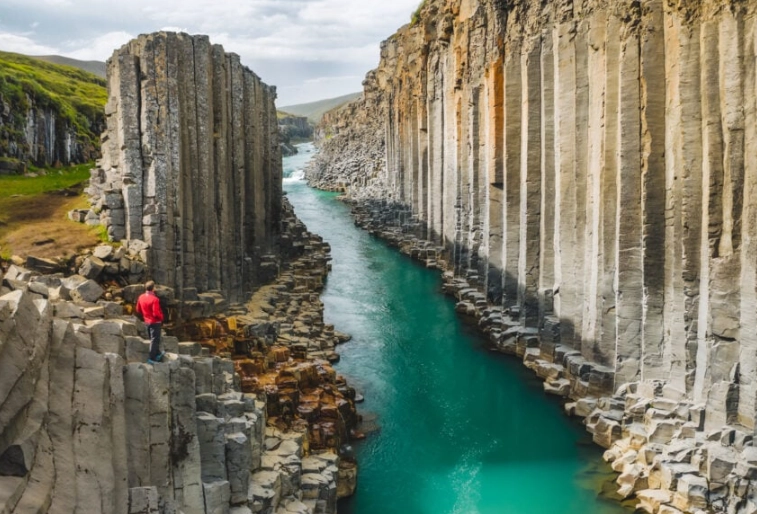
Crafting Your Iceland Itinerary: Beyond the Golden Circle
The classic Golden Circle (Þingvellir, Geysir, Gullfoss) is popular for a reason – it's stunning and close to Reykjavík. But Iceland tourism has so much more to offer. Your itinerary should match your pace. Trying to cram the entire Ring Road into 5 days is a recipe for exhaustion.
If You Have 3-5 Days
Focus on the South Coast. You can base yourself in Reykjavík or a town like Vík.
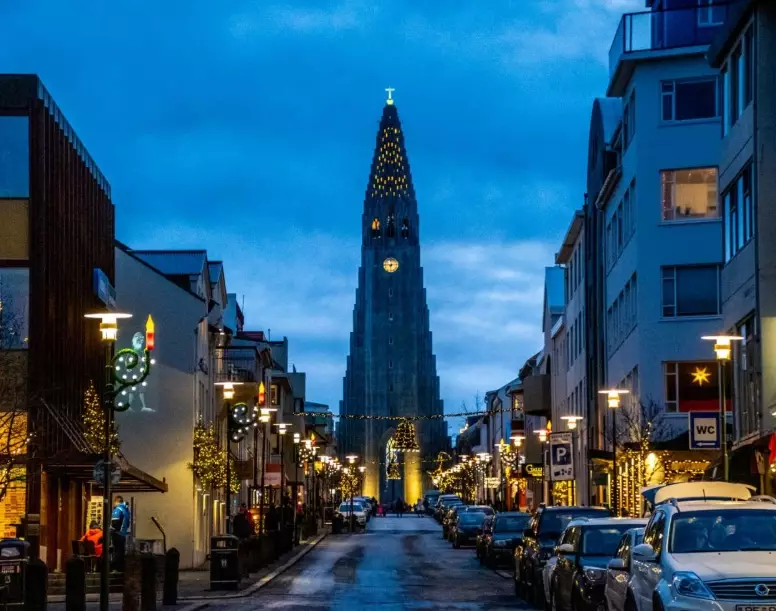
- Day 1: Reykjavík & the Blue Lagoon (or the less crowded Sky Lagoon). Get over the jet lag.
- Day 2: Golden Circle. Don't just stop at the big three. Walk the path between the tectonic plates at Þingvellir, and try the hot spring bread at Laugarvatn Fontana.
- Day 3: South Coast to Vík. See Seljalandsfoss (walk behind it!), Skógafoss, and the haunting Sólheimasandur plane wreck (it's a long walk, fair warning). End at Reynisfjara black sand beach, but please respect the waves. They're deadly.
- Day 4: Go further east to Jökulsárlón glacier lagoon and Diamond Beach. It's a long drive, but the sight of icebergs on black sand is unreal.
- Day 5: Return, maybe stopping at secret lagoon or a local pool.
If You Have 7-10 Days
Now you can do the full Ring Road. This is the classic Iceland road trip.
Add the Snaefellsnes Peninsula ("Iceland in miniature") and the dramatic landscapes of the North – Goðafoss waterfall, the geothermal area of Mývatn, and the charming town of Akureyri. In the East, don't miss the fjords around Seyðisfjörður.
If You Have 2 Weeks or More
This is where you get to play. Add the Westfjords, Iceland's most remote and rugged region. It's all gravel roads, epic bird cliffs like Látrabjarg, and natural hot pools with no one else around. In summer, you can venture into the highlands (only for 4x4 vehicles) to places like Landmannalaugar or Þórsmörk.
The official Visit Iceland website is a fantastic resource for regional inspiration and current travel conditions.
Budgeting for Your Iceland Trip: Let's Talk Real Numbers
Iceland is expensive. There's no sugar-coating it. But "expensive" doesn't mean "impossible." It means planning where to splurge and where to save. A successful Iceland tourism plan needs a realistic budget.
Forget per-day estimates; they're useless. Let's break it down by category.
Accommodation: This will be your biggest cost after flights. In summer, a basic double room in a guesthouse outside Reykjavík can easily be $150-$250 per night. Hostel beds are $50-$80. Camping is the budget king ($15-$25 per person), but you need gear and a vehicle suited for it.
Food: Eating out for every meal will bleed your budget dry. A casual restaurant meal is $25-$40 per person. A hot dog (they're famous and delicious) is about $5. The secret? Book accommodation with a kitchen. Buy groceries at Bónus or Krónan (the discount supermarkets). Cook your own breakfast and dinner. Pack sandwiches and snacks for lunch. This simple move can cut your food cost by 60%.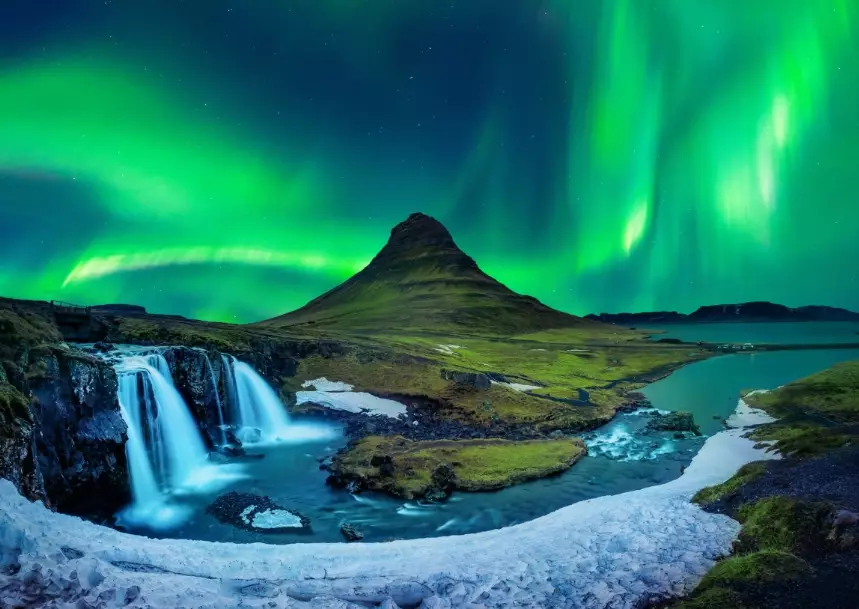
Transport: Rental cars are pricey, especially 4x4s and in peak season. Book months in advance for the best rates. Petrol is also very expensive. Compare the cost of a rental + petrol for your route against organized day tours if you're traveling solo. Sometimes tours can be more economical.
Activities: This is where your priorities matter. A glacier hike or ice cave tour might be $100-$150. A whale watching tour is $80-$120. The Blue Lagoon starts at around $70. My advice? Pick one or two guided experiences that are truly unique (like a glacier hike) and fill the rest of your days with the free, natural wonders. Hiking to a waterfall costs nothing.
Sample Daily Budget (Per Person, Mid-Range):
- Guesthouse/Hotel: $80-$120
- Groceries & Self-Catering: $25-$40
- Rental Car Share + Petrol: $40-$60
- One Paid Activity/Incidentals: $30-$80
- Total Rough Estimate: $175 - $300 per day
You can go lower by camping and hitchhiking (yes, it's relatively common and safe here), or higher by staying in luxury hotels and dining out constantly.
The Non-Negotiable Packing List for Iceland
Packing wrong can ruin your trip. The weather is the boss here. The key is layers. Not just any layers, but the right ones.
Base Layer (Thermals): Merino wool or synthetic. This wicks moisture away from your skin. Top and bottom.
Mid Layer (Insulation): A fleece or a down/puffy jacket. This traps heat.
Outer Layer (Shell): A waterproof and windproof jacket and pants. This is your most important item. The wind in Iceland is relentless and can drive rain sideways. A cheap raincoat won't cut it.
Footwear: Waterproof hiking boots with good ankle support. You'll be walking on wet, uneven ground constantly. Bring thick wool socks.
Accessories: A warm hat, gloves (waterproof if possible), and a neck gaiter or scarf. Sunglasses and sunscreen are a must year-round – the sun can be fierce, and snow glare is real.
Swimsuit: Always have one handy! You never know when you'll pass a hot spring or a local swimming pool (a fantastic and cheap Icelandic tradition).
Tech: Power bank (outlets in cars/cabins can be scarce), a good camera, and a sturdy tripod if you're into photography (essential for Northern Lights).
I learned the hard way. On my first day, I wore jeans and a sweater under a light jacket. A sudden rain shower on the Snæfellsnes peninsula left me soaked, cold, and miserable for hours. Don't be me.
Driving in Iceland: Rules, Realities, and Road Etiquette
Renting a car offers freedom, but it comes with big responsibilities. Icelandic nature is fragile, and the roads can be dangerous.
F-Roads: These are mountain roads in the highlands. They are gravel, often have unbridged rivers, and are only open in summer (approx. June-Sept). You must have a 4x4 vehicle to drive on them. It's not a suggestion; it's the law, and rental companies will void your insurance if you take a 2WD on an F-road.
Off-Road Driving is ILLEGAL. It causes immense damage to the moss and soil that takes decades to heal. Stay on marked roads and parking areas. The Icelandic Environment Agency has strict guidelines to protect the landscape.
Single Lane Bridges: You'll encounter many. The rule is simple: the car closer to the bridge has right of way. Slow down and be prepared to yield.
Weather & Road.is: Check Road.is for road conditions and closures, and en.vedur.is for weather forecasts, multiple times a day. A road that was clear in the morning can be impassable by afternoon in winter.
Speed Limits: They are strictly enforced by cameras. 90 km/h on paved rural roads, 80 on gravel, 50 in urban areas. Don't speed.
Sheep: They roam freely. They will be on the road. Slow down, especially at dusk and dawn.
Sustainable Iceland Tourism: Traveling with Respect
Iceland's popularity is a double-edged sword. We all want to experience its beauty, but we have a duty to protect it. Sustainable travel isn't a buzzword here; it's a necessity.
Stick to Marked Paths: The moss you see everywhere grows about 1 cm per year. A footprint can destroy a century of growth. It's heartbreaking to see areas near popular sites where people have wandered off the path, leaving scars of black dirt.
Leave No Trace: Pack out all your trash. There are no trash cans out in nature. Take it back to your accommodation.
Respect Private Property: Many beautiful spots are on private land. If a sign says no entry or asks for a fee (like at some waterfalls), respect it.
Choose Responsible Operators: When booking tours, look for companies with certified guides and clear sustainability policies. Support local guesthouses and restaurants over international chains when you can.
It's simple: take only pictures, leave only footprints (on the path).
Your Iceland Tourism Questions, Answered
Planning a trip to Iceland is part of the adventure. Embrace the research, get excited about the details, but also leave room for spontaneity. That unplanned stop at a roadside waterfall, the chat with a local farmer, the unexpected beam of light through the clouds – those are often the moments you remember most.
Use this guide as your foundation. Book your key things early (car, flights, main accommodation), pack your layers, respect the land and the weather, and go with an open mind. Iceland isn't just a destination; it's an experience that stays with you. Now go start planning.


Comments
Join the discussion