Planning a trip and typing “accommodations” into a search bar? You’re likely met with a list of hotels, maybe some vacation rentals. It can feel like those are the only two options. But after a decade of planning trips for myself and others, I’ve realized that’s the first mistake most travelers make: thinking “accommodations” just means “a place to sleep.” It’s far more than that. Your choice of accommodation fundamentally shapes your experience, your budget, and even your access to local culture.
So, let’s clear this up once and for all. What are the five types of accommodations? In the context of travel and hospitality, this term broadly refers to the five main categories of places you can book to stay. Understanding these categories is less about memorizing a textbook list and more about making smarter, more enjoyable travel decisions. I’ll explain each one, give you the real-world pros and cons that travel blogs often gloss over, and throw in some personal opinions (good and bad) along the way.
What’s Inside?
1. Hotels: The All-Purpose Standard (and Why They Might Be Boring)
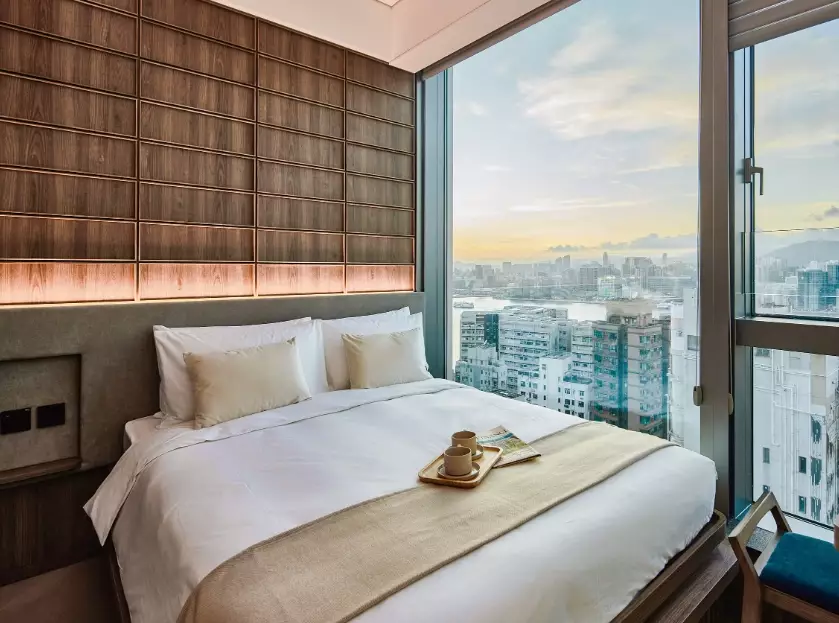
Let’s start with the obvious one. When you say “accommodations,” most people’s minds jump straight to hotels. And for good reason. They’re the industry standard for a reason. You know exactly what you’re getting: a private room with a bed, a private bathroom, daily housekeeping, and usually some on-site amenities like a restaurant, maybe a gym or a pool.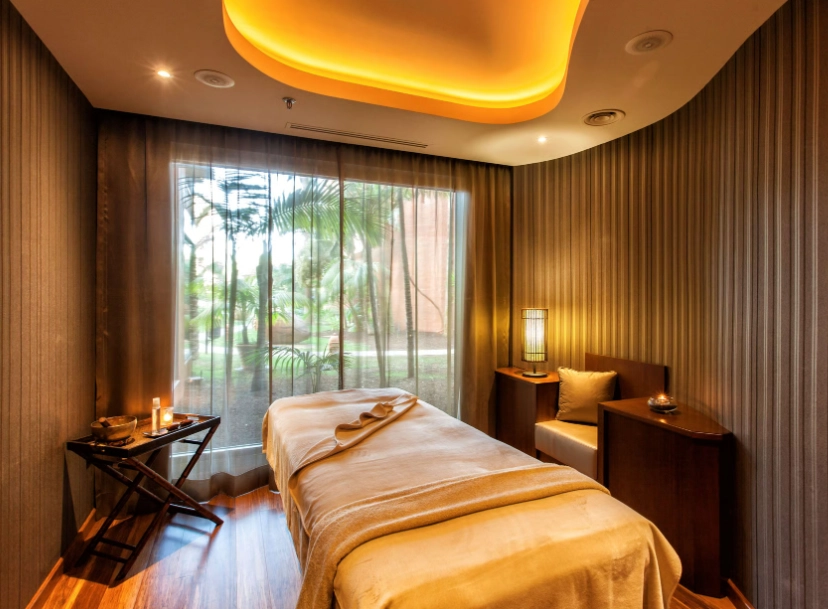
Who are hotels best for? Honestly, almost everyone for a short stay. Business travelers, couples on a weekend getaway, families with young kids who need predictability. If you need a reliable, clean place to crash for a night or two after a long flight, a hotel is your safest bet. You can book them last minute, and the check-in process is usually under five minutes. That’s their superpower.
My personal take (and a common mistake): Hotels are often the default choice because they’re easy. But here’s a subtle error I see all the time: people booking a standard chain hotel for a week-long vacation in a culturally rich area. You end up in a sterile environment, isolated from the local scene, and you overpay for the convenience. Hotels excel at providing services, but they often fail at providing a sense of place. Don’t get me wrong—I love a good hotel for a city break. But for a beach holiday or a national park visit, a hotel can feel like you’re living in a bubble.
The Pros:
- Standardization: You know the quality you’ll get. A Hilton in Tokyo will have similar standards to a Hilton in Paris.
- Services: 24/7 front desk, room service, concierge, daily housekeeping. These are lifesavers when you’re jet-lagged or just want things done.
- Security: Secure keycard access, often in-house security.
- Location: Often centrally located in cities or near airports and major attractions.
- Amenities: From free Wi-Fi to breakfast buffets to business centers.
The Cons (The Boring Part):
- Impersonal: They can feel like sterile boxes. You’re unlikely to have a meaningful conversation with a local at the hotel bar.
- Expensive: Especially for longer stays. You’re paying for all those services whether you use them or not.
- Limited Space: Rooms are often smaller compared to alternatives at the same price point.
I once booked a fancy hotel in Rome for a cultural trip. It was beautiful, but I realized I spent more time in the marble lobby than exploring the Trastevere neighborhood because it was a 20-minute walk away. The hotel was great, but it became a destination in itself rather than a launchpad for my trip.
Hotel Subcategories You Should Know
Hotels themselves branch into several types, each with a different vibe:
- Luxury Hotels: Think butler service, spa treatments, fine dining. You’re paying for exclusivity and every need being anticipated.
- Boutique Hotels: Smaller, with unique design and often a focus on a specific theme or local culture. They can offer a more personalized experience.
- Budget/Motel Chains: No-frills, clean, and predictable. A bed and a bathroom, often near highways.
- Extended Stay Hotels: Designed for longer stays, often with kitchenettes.
2. Serviced Apartments & Resorts: The Experience Upgrade (or How to Avoid Feeling Trapped)
Now, this is where things get more interesting. This category blurs the lines a bit, but it’s defined by offering more than just a room. The accommodation itself is a core part of the experience.
Resorts: These are self-contained worlds. You’re not just booking a room; you’re booking access to a set of amenities and activities. Think beachfront resorts with three pools, five restaurants, and daily snorkeling trips. Or mountain lodges with ski-in/ski-out access, hot tubs, and guided hikes. The activities and facilities are usually on-site or exclusively arranged for guests.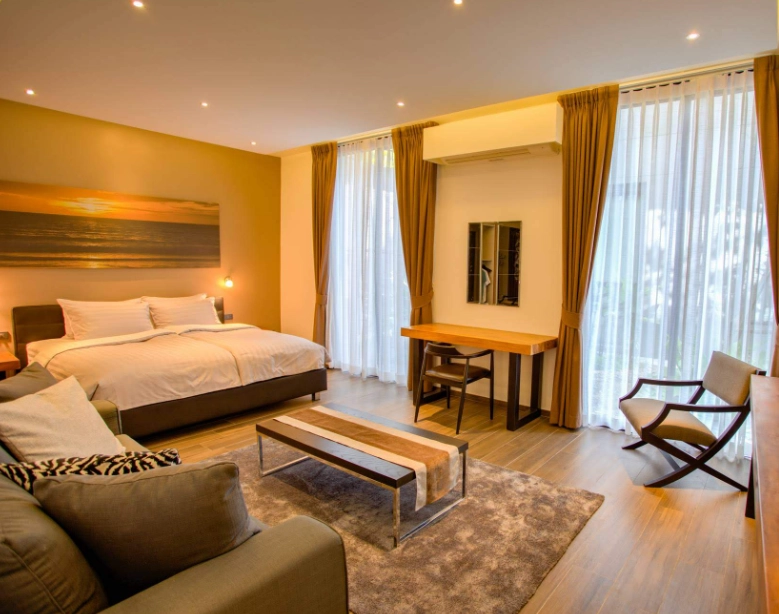
The Expert Mistake to Avoid: Booking a resort because it looks beautiful in pictures, without considering what you actually want to do. I’ve seen people book an all-inclusive resort in a nature-rich area only to realize all the interesting local tours leave from a town 45 minutes away. You’re trapped. Always check the location relative to the activities you care about. A resort should be a gateway to your desired experiences, not a prison.
Serviced Apartments: These are essentially apartments with hotel-like services. You get a full kitchen, separate living and sleeping areas, and more space. They might offer daily or weekly housekeeping. This is a fantastic option for families, groups, or longer stays because you can save money by cooking some meals.
Who are these best for? Resorts are perfect for when you want a vacation where you don’t have to think about logistics. You want to arrive, unpack, and have everything at your fingertips. Honeymooners, families with young children, or anyone seeking a pure relaxation-focused trip. Serviced apartments are ideal for business travelers on extended assignments, families, or groups of friends who want more space and privacy than interconnected hotel rooms provide.
A personal story: I once booked a week at a beautiful, remote resort in Costa Rica. The pictures showed stunning jungle views. What they didn’t show was that the “remote” meant a 90-minute, winding, car-sickness-inducing drive to the nearest grocery store. The resort was amazing, but we spent a fortune on overpriced on-site snacks because leaving felt like too much effort. The experience was incredible, but the location was a strategic error.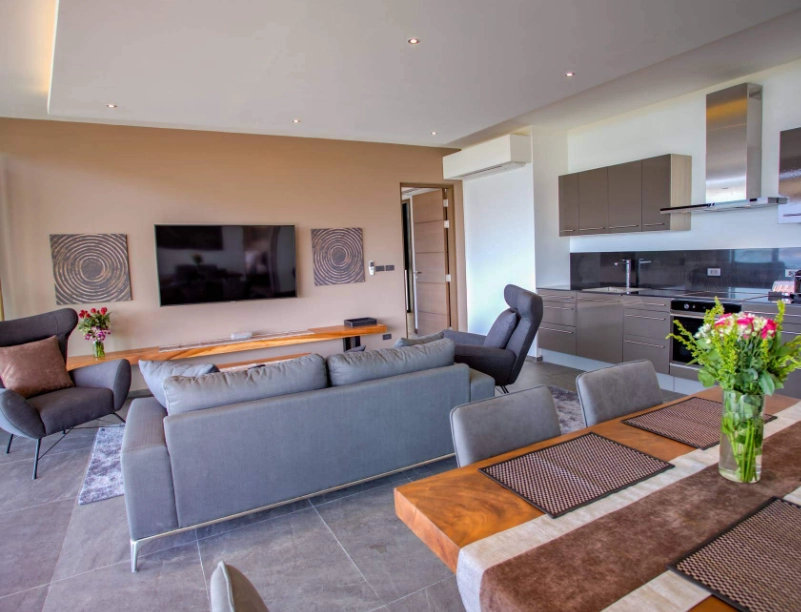
How to Decide If a Resort is Right for You
Ask yourself this question before booking: “Do I want to explore, or do I want to be pampered and entertained on-site?” There’s no wrong answer, but being honest saves disappointment. If you’re going to a destination for its culture and external attractions, a remote resort might be a burden. If you’re going for scuba diving and the resort has its own dive center and house reef, it’s a perfect match.
3. Bed and Breakfasts (B&Bs) & Guesthouses: Local Charm (and Potential Quirks)
This is my personal favorite category, but it comes with the biggest caveats. A B&B or guesthouse is typically a smaller property, often owner-operated, where you rent a room in someone’s home (or a separate building on their property). Breakfast is usually included, and that’s a key part of the charm—the personal touch.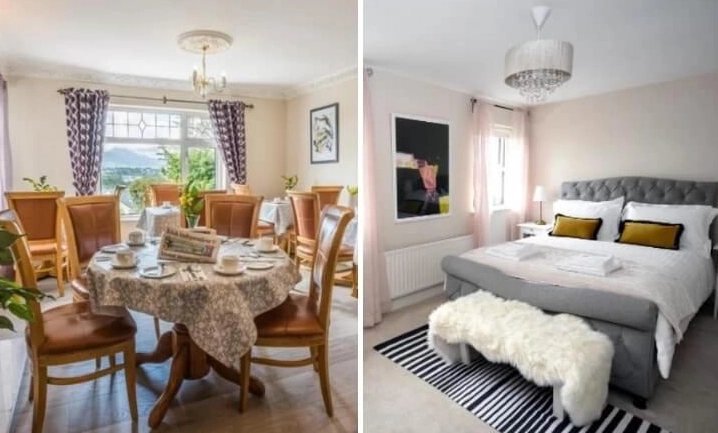
Who are these best for? Travelers seeking a more authentic, local experience. Solo travelers who enjoy meeting others. Couples looking for a romantic, unique setting. Anyone who values conversation and insider tips over anonymity.
Here’s the insider tip most blogs won’t tell you: The quality of a B&B is almost entirely dependent on the hosts. You’re not just booking a room; you’re booking a relationship. A great host can recommend the hidden local restaurant, book the private tour guide, and save your trip. A bad or absent host can leave you feeling like you’re intruding in someone’s home. Always, always read the most recent reviews on multiple platforms. Look for mentions of the hosts by name.
The Pros:
- Local Knowledge: Hosts are often locals with deep knowledge of the area.
- Unique Character: These places often have more personality than a standard hotel.
- Homey Atmosphere: It can feel more relaxed and personal.
- Better Value (Sometimes): You can often get more space for your money.
The Cons (The Quirk Factor):
- Lack of Privacy: You might be sharing a common area with the hosts or other guests.
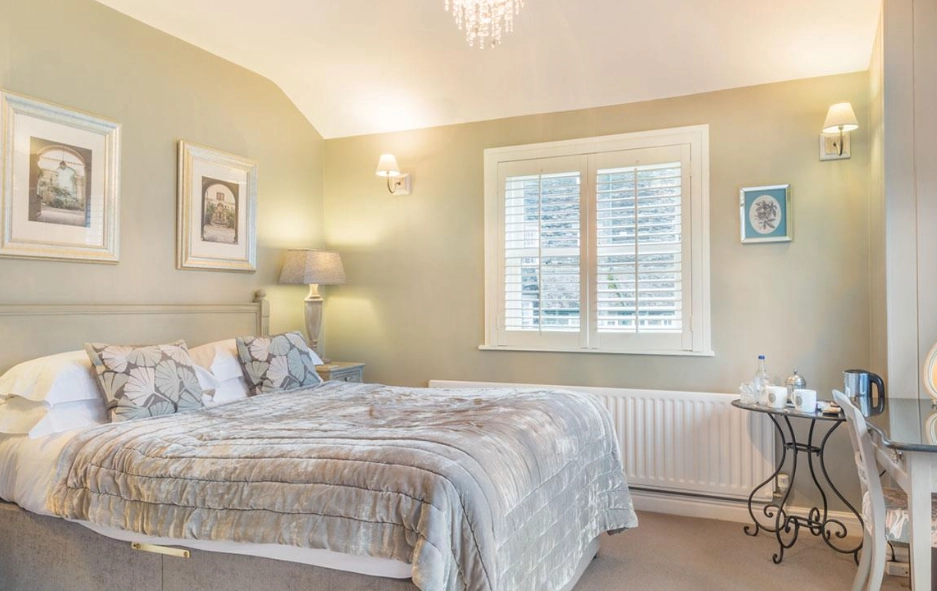
- Inconsistent Standards: Since they’re individual properties, there’s no guarantee of uniformity. One B&B might have luxurious linens, another might have… interesting decor.
- Limited Amenities: Don’t expect a 24-hour front desk, room service, or a fitness center.
- Breakfast at a Set Time: Unlike a hotel buffet open all morning.
I stayed at a B&B in the Scottish Highlands where the host, an old shepherd, told me about a hidden waterfall not on any map. That experience made the trip. I also stayed at a “quaint” guesthouse where the “charming” antique furniture meant I couldn’t open the dresser drawer without hitting the bed. It was a beautiful struggle.
4. Vacation Rentals & Apartments: The Home-Away-From-Home (The Good, The Bad, and The Cleaning)
This category has exploded in popularity with platforms like Airbnb, Vrbo, and Booking.com. It encompasses renting an entire home, apartment, villa, or even just a private room in a shared space directly from an owner or property manager.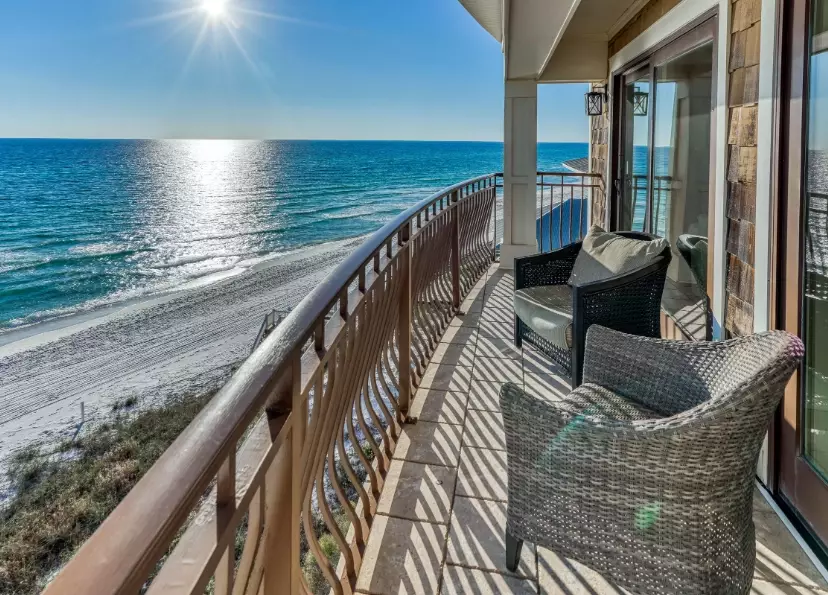
Who are these best for? Absolutely perfect for families, groups of friends, or anyone on a longer trip. You get multiple bedrooms, common living areas, and a full kitchen. This can lead to significant cost savings (eating out for a family of four every night adds up fast) and a more relaxed, “live like a local” feeling.
The Pros:
- Space and Privacy: Entire homes to yourselves.
- Cost-Effective for Groups: Splitting a rental is almost always cheaper than booking multiple hotel rooms.
- Home Amenities: Full kitchens, laundry facilities, living rooms.
- Local Experience: Staying in a residential neighborhood vs. a tourist district.
The Cons (The Cleaning Fee Headache):
Here’s the big one that catches many first-time renters off guard. You see a nice apartment listed for $150 a night. You go to book, and suddenly the total is $250 because of a $100 cleaning fee and a $50 service fee. These fees can be astronomical, sometimes even doubling the apparent nightly rate, especially for short stays. Always, always look at the total price before you get excited. A common mistake is filtering by “lowest price” and then getting shocked at the final total.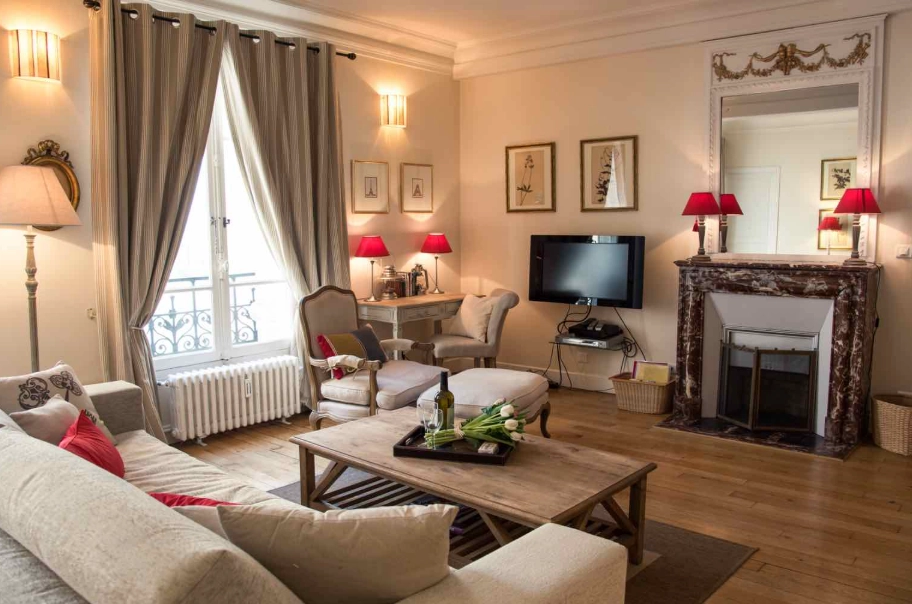
Another subtle mistake: Not reading the house rules thoroughly. I once booked a stunning villa in Tuscany only to realize after booking that the “quiet hours after 10 PM” meant our group of friends couldn’t play music even at a low volume indoors. We ended up spending our evenings whispering.
5. Unique & Alternative Stays: For the Adventurous (and the Instagram Crowd)
This is the wildcard category, and it’s growing fast. It includes everything that doesn’t neatly fit into the boxes above. Think treehouses, yurts, houseboats, glamping pods, converted windmills, cave hotels, or even staying in a monastery.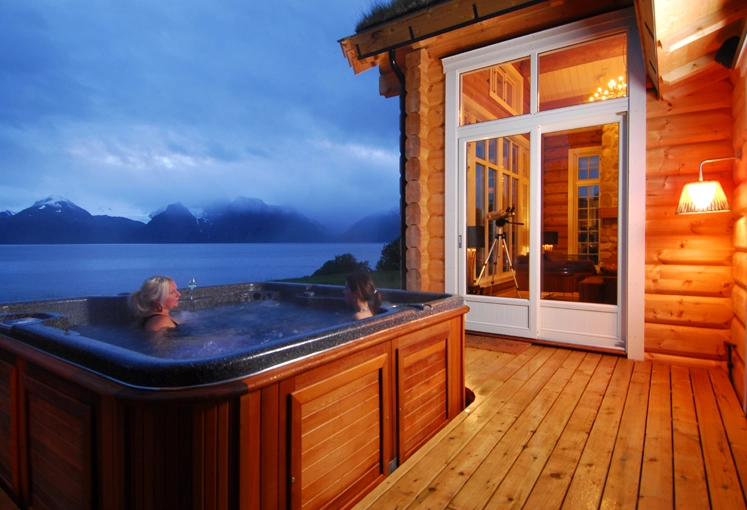
Who are these best for? The adventurous traveler, the Instagrammer looking for a unique backdrop, the romantic seeking a one-of-a-kind experience, or anyone who’s tired of the standard four walls and a bed.
The expert advice: Booking these stays often involves third-party platforms with less customer service protection. Read the cancellation policy twice. Look for reviews that mention the accuracy of the listing photos. And for the love of all that is holy, if you’re booking a treehouse in a rainy forest, check if there’s a covered path to the bathroom. I’ve seen people get stunning photos but fail to mention the 50-step climb to the sleeping loft.
The Pros:
- Unforgettable Memories: They make for incredible stories and photos.
- Connection with Nature or History: You’re often immersed in a unique environment.
- Novelty: It’s an experience in itself, not just a place to sleep.
The Cons:
- Unpredictability: The quality can vary wildly. That “charming rustic cabin” might mean no running water and an outhouse.
- Limited Availability and High Cost: These are often one-of-a-kind properties.
- Logistical Challenges: Remote locations, unusual amenities, or specific rules (like no children).
I booked a glass igloo in Finland to see the Northern Lights. It was magical. It was also -20°C outside, and the bathroom was in a separate, unheated structure. The experience was worth the midnight sprint, but I wish I had known about the bathroom situation beforehand.
How to Not Get Scammed Booking Unique Stays
Use platforms with strong review systems. Read between the lines of reviews. “Cozy” often means small. “Rustic” can mean outdated or lacking basic amenities. Look for reviews that mention specific things you care about: heating, hot water, Wi-Fi strength, proximity to attractions. And never, ever book a place with no reviews, no matter how amazing the photos look. I’ve learned that lesson the hard way.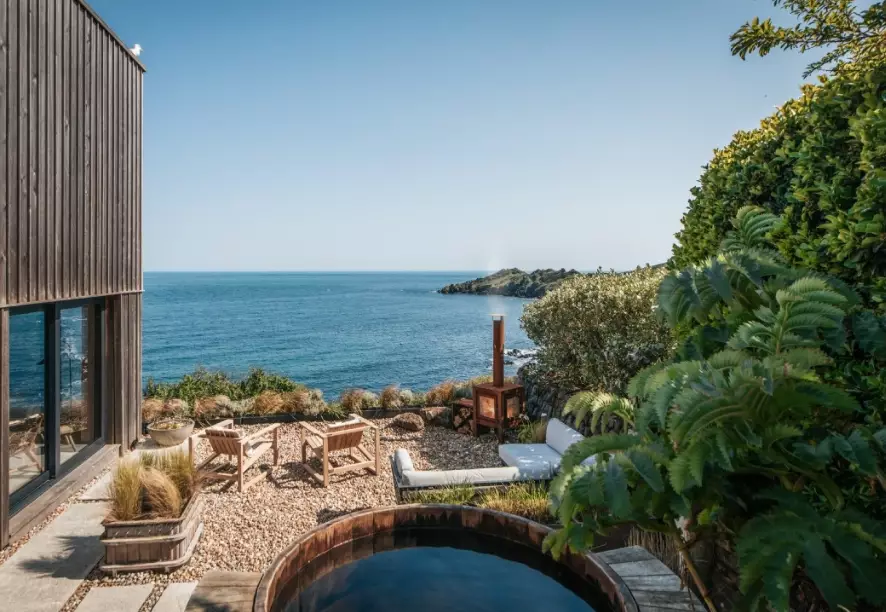
How to Choose the Right Type of Accommodation for Your Trip
Now that we’ve covered the five types, how do you actually choose between them? It comes down to asking yourself a few key questions:
- What is the primary purpose of my trip? (Relaxation, adventure, business, cultural immersion?)
- Who is going? (Just me? My partner? My family with young kids? A group of friends?)
- What is my budget? (And am I willing to splurge on accommodation or save for experiences?)
- How long am I staying? (A weekend vs. a month can change priorities.)
Let’s run through a few real-world scenarios to make this concrete:
Scenario 1: The Solo Backpacker in Southeast Asia
You’re on a tight budget, want to meet other travelers, and plan to move every few days. Hostels are your best friend. You’ll save money, get social interaction in common areas, and often get tips from the staff or other guests. Booking a private room in a hotel would be isolating and blow your budget. A vacation rental for one night is overkill. A B&B could be nice, but you might not see anyone else.
Scenario 2: A Family of Four on a Summer Beach Holiday
You need space, a kitchen to prepare snacks and meals for picky eaters, and maybe separate bedrooms for nap times. A vacation rental (like a house or apartment) is almost always the superior choice. The cost of a three-bedroom rental near the beach is often comparable to booking two cramped hotel rooms. You get a living room for the kids to play in, a washing machine for sandy towels, and you can have breakfast without herding everyone to a restaurant.
Scenario 3: A Couple’s Romantic Weekend in a Wine Country Region
You’re looking for charm, local character, and maybe a fireplace. A boutique B&B or a small boutique hotel is likely your perfect match. A large, impersonal chain hotel would kill the vibe. A vacation rental could work, but for a short stay, the convenience and service of a smaller, well-reviewed property might be worth the extra cost.
Common Mistakes Travelers Make (And How to Avoid Them)
Here are a few mistakes I’ve made myself or seen others make repeatedly:
- Mistake 1: Booking the Cheapest Option Without Reading the Fine Print. That “cheap” hotel might be miles from the city center, costing you more in transportation and time. That “cheap” vacation rental might have a $200 cleaning fee that makes a hotel cheaper for a two-night stay. Always calculate the total cost, not just the nightly rate.
- Mistake 2: Overprioritizing Amenities You Never Use. Do you really need a hotel with a gym, a pool, and three restaurants if you’re planning to be out hiking all day? Probably not. I’ve paid for a resort with a world-class spa and never stepped foot in it because the diving was so good.
- Mistake 3: Ignoring the Location Relative to Your Activities. A beautiful, remote villa is useless if you have to drive an hour to get groceries or to the tour departure point. Check the location on a map, not just the description. Use Google Maps’ street view to see the neighborhood.
What’s the Difference Between a Hotel and a Resort?
This is a common point of confusion. A hotel is primarily focused on providing lodging. A resort is focused on providing a comprehensive vacation experience. You go to a hotel to sleep. You go to a resort to enjoy the resort itself. The amenities, activities, and scale are usually far more extensive at a resort. If the accommodation is the main attraction of your trip, you’re probably looking at a resort.
Are There Really Only Five Types?
Strictly speaking, within these five broad categories, there are countless subcategories and niche variations. But for 95% of travelers, understanding these five main types provides a powerful framework for making sense of the options available. It helps you ask the right questions: Do I want service or space? Do I want convenience or character? Am I paying for location or amenities?
Your choice of accommodation is one of the most important travel decisions you’ll make. It sets the stage for your entire trip. Choose wisely.



Comments
Join the discussion