Let's be honest. When you think of European luxury, your mind probably jumps to images of gilded ballrooms, Michelin-starred dining, and impossibly soft linens. And you're not wrong. But after a decade of hopping between chateaux, palazzos, and design hotels, I've learned that the real luxury in Europe often whispers rather than shouts. It's in the details a guidebook misses: the scent of aged wood in a Scottish hunting lodge, the way the morning light hits the terrazzo floor in a Tuscan villa, the concierge who remembers you asked about a specific vintage of Barolo.
This isn't just about spending money. It's about investing in an experience that becomes part of your travel story. The wrong choice can leave you feeling isolated in a museum-like setting. The right one makes you feel, even briefly, like you belong.
Your Luxury Lodging Roadmap
What Defines True Luxury in Europe?
Forget the thread count for a second. In Europe, luxury is deeply tied to authenticity, service, and place. A 500-year-old castle in Ireland that feels like a warm, lived-in home is often more luxurious than a sterile, marble-clad box in a financial district. The service isn't about obsequiousness; it's about intuitive, discreet problem-solving. Can the concierge secure that impossible dinner reservation? Does the staff remember your preference for tea over coffee without being asked?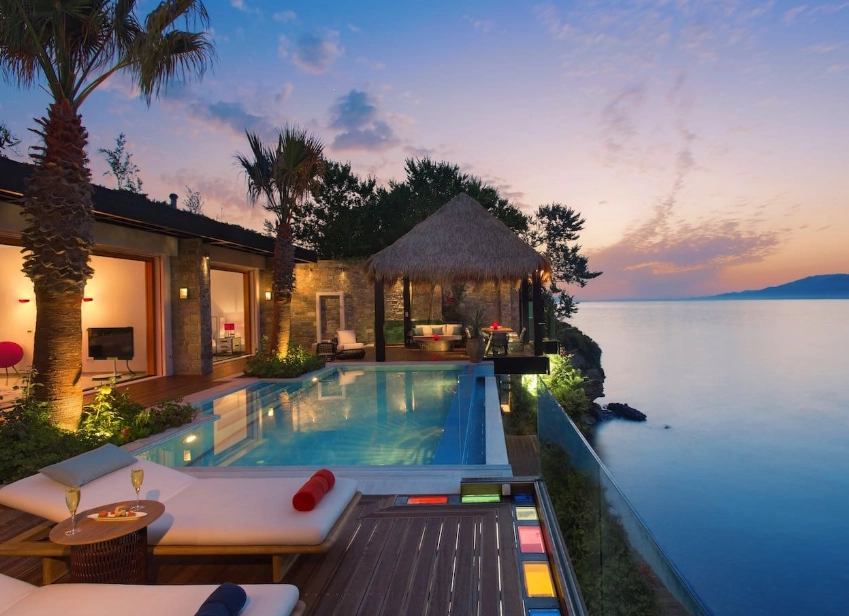
Location is non-negotiable. True European luxury often means integration into a stunning landscape or historic quarter, not just a convenient metro stop. You're paying for the view over the Amalfi Coast, the private access to a Vienna palace garden, or the silence of an Alpine meadow.
Here's a subtle mistake I see all the time: travelers conflate "new" with "luxurious." A freshly built hotel can be wonderful, but in Europe, the patina of age, the story in the walls, is a luxury commodity you can't replicate. Don't shy away from historic properties thinking they'll be drafty museums. The best ones have been meticulously updated with underfloor heating, glorious bathrooms, and tech that works invisibly.
A Panorama of European Luxury Accommodation Types
Europe's luxury scene isn't monolithic. Picking the right type is half the battle.
Castle & Palace Hotels
The dream, right? Sleeping in a fortress or a royal residence. The reality ranges from museum-like (think Versailles adjacent) to surprisingly cozy family estates. Ashford Castle in County Mayo, Ireland, is the benchmark. It's a 13th-century castle on a 350-acre estate with falconry, fishing, and an oak-paneled cinema. Expect rates from €600/night. But it feels like a grand, welcoming home, not a stuffy institution.
In Italy, look for Castel Monastero in Tuscany. A former monastery and medieval village transformed into a hotel with a stellar Gordon Ramsay restaurant. Rooms start around €400. The magic is walking the ancient stone corridors after dark.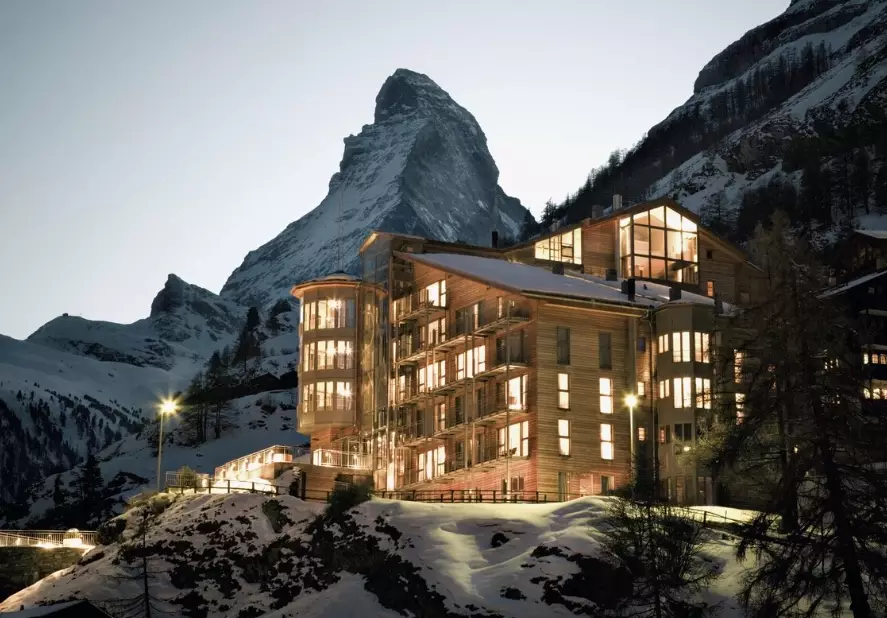
The catch? These places can be remote. You're often committing to dining on-property. And in winter, some truly historic castles can be... characteristically chilly in the halls, no matter the renovation.
Luxury Boutique & Design Hotels
This is where Europe's creative pulse beats strongest. Think under 50 rooms, a strong design narrative, and a fiercely independent spirit. In Paris, Le Pigalle captures the gritty-glam soul of its neighborhood. It's not for everyone (the rooms are compact), but for those seeking an authentic, design-forward vibe, it's perfect at around €250/night.
My personal favorite is Il Salviatino in Florence. A 15th-century villa perched in the hills above the city, with frescoed ceilings and a modern, art-filled interior. It's a transportive escape from the crowds, with a pool overlooking the Duomo. Rates from €500.
The risk here is style over substance. A cool lobby doesn't guarantee a comfortable bed or good soundproofing. Read reviews focused on sleep quality.
Country House & Rural Retreats
Luxury as tranquility. Think rolling hills, vineyards, and the profound peace of the countryside. England's Cotswolds are packed with them, like Barnsley House—a chic, 18-room hotel with a famous kitchen garden and a cozy pub. From £300/night.
In Portugal's Douro Valley, Six Senses Douro Valley takes the wine country theme to its zenith with stunning river views and a breathtaking spa. You're here to disconnect, walk, taste, and breathe.
You need a car. Full stop. And dinner options are usually the hotel restaurant or a drive. For some, this isolation is the point.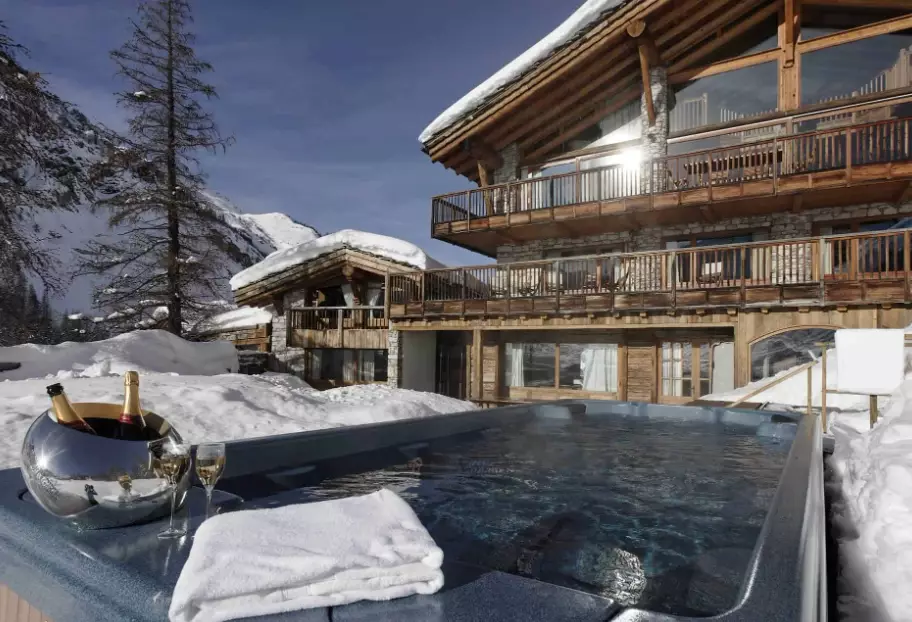
Urban Luxury & Palace Hotels
The classic city break luxury. The Ritz Paris (from €1,200), Hotel de Crillon (from €1,400), Claridge's in London. These are institutions. You're paying for flawless, polished service, prime addresses, and a sense of occasion. The rooms are often smaller than you'd expect for the price—you're really paying for the public spaces and the postcode.
A more accessible, yet utterly luxurious, urban option is The Dylan Amsterdam. A 17th-century landmark transformed into a chic, intimate hotel with a legendary courtyard garden right on the Keizersgracht canal. Rooms from €350.
Alpine & Spa Resorts
Luxury focused on wellness and outdoor access. In St. Moritz, Badrutt's Palace Hotel (from CHF 800) is the epitome of glamorous Alpine life—ice skating, skiing, and grand afternoon teas. In Austria, Brenners Park-Hotel & Spa in Baden-Baden is a temple to thermal bathing and old-world charm.
These are often seasonal. Summer in a ski resort is a different, quieter luxury. And the formal dress codes in dining rooms can surprise first-timers.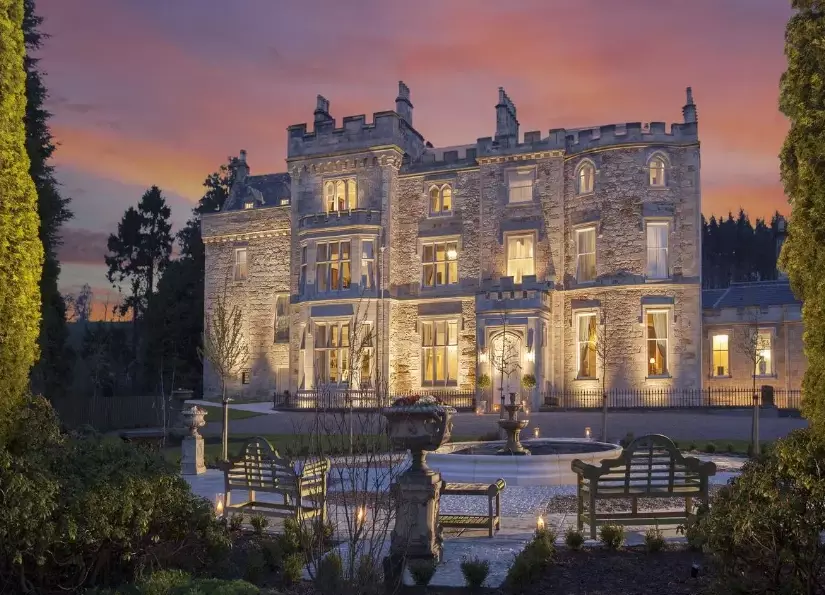
Quick Comparison: Can't decide between a castle and a design hotel? Ask yourself: Do I want to feel like history's guest, or do I want to feel like I've discovered the city's coolest secret? The former offers grandeur and narrative; the latter offers intimacy and a contemporary connection.
How to Choose Your Perfect European Luxury Stay
It's not just about budget. It's about matching the property to your trip's purpose and your personal travel rhythm.
| Trip Type | Recommended Luxury Type | Why It Works | Example Property & Area |
|---|---|---|---|
| Romantic Getaway | Boutique Hotel or Country House | Intimacy, unique design, personalized service, privacy. | Il Salviatino (Florence, Italy) |
| Family Celebration | Castle Hotel or Alpine Resort | Space, activities for all ages (falconry, skiing), multi-room suites. | Ashford Castle (Ireland) or a Swiss resort like The Cambrian Adelboden. |
| Solo Cultural Trip | Urban Design Hotel | Central location, social yet private vibe, often great bars/restaurants to mingle. | The Hoxton (various cities) or Sir Victor (Barcelona). |
| Wellness & Recharge | Dedicated Spa Resort or Rural Retreat | Integrated wellness programs, nature immersion, digital detox environment. | SHA Wellness Clinic (Spain) or Borgo Egnazia (Puglia, Italy). |
My rule of thumb: Spend at least two nights. One night in a luxury property is a tease. You spend the first afternoon figuring it all out and leave just as you start to relax into the rhythm. Three nights is ideal.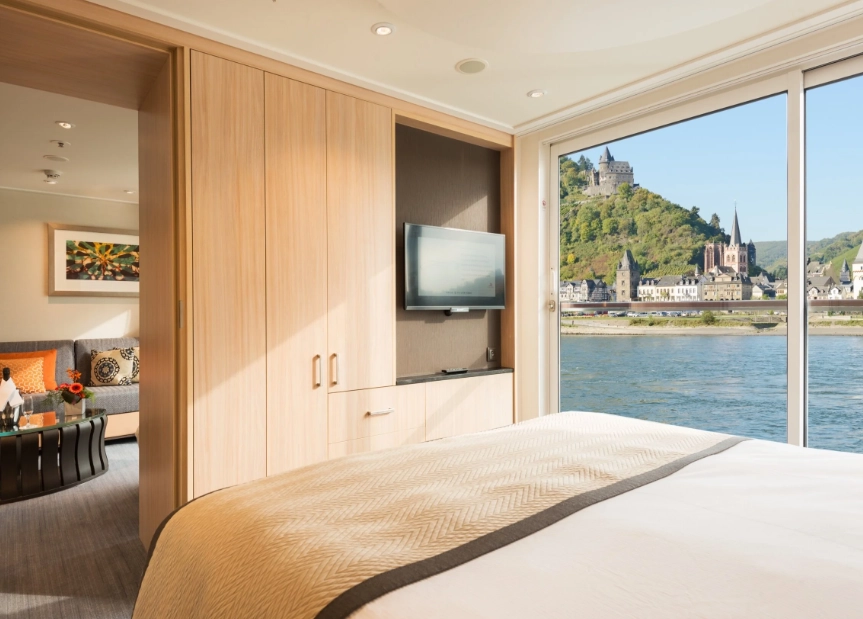
Beyond the Room: The Luxury Experience
The room is just your base camp. The real value unfolds outside its door.
Concierge Magic: This is your secret weapon. A great concierge doesn't just book tours; they open doors. They know the chef who will give you a kitchen tour, the vineyard owner who does private tastings, the antique shop that's open by appointment only. Tip them early and communicate your interests clearly.
On-Site Experiences: The best hotels now curate experiences you can't get elsewhere. Think truffle hunting with the hotel's dog in Piedmont, private after-hours access to a nearby museum, or a photography walk with a local artist. These aren't add-ons; they're core to the stay. Scrutinize the hotel's "experiences" page before booking.
Dining: Many luxury hotels house some of Europe's best restaurants. You don't have to be a guest to dine, but as a guest, you often get priority. A hotel like Hotel de la Cité in Carcassonne has a Michelin-starred restaurant overlooking the medieval city walls—dinner there becomes the evening's event.
Practical Tips for Booking European Luxury Accommodation
Book Direct (Usually): I know, the third-party site shows a tempting rate. But booking direct often gets you the best room in your category, free breakfast (a huge value in Europe), a welcome amenity, and flexibility. Call the hotel. Ask, "If I book directly, do you have any offers or preferred rates?" You'd be surprised.
Timing Matters: Shoulder seasons (April-May, Sept-Oct) offer better rates and fewer crowds. Summer is peak season and prices reflect that.
Package Deals: Hotels often offer packages that include spa credits, dining credits, or experiences. Do the math—sometimes these are fantastic value.
Loyalty Programs: If you frequent a particular group (like Leading Hotels of the World, Small Luxury Hotels, or Relais & Châteaux), joining their program can yield benefits like room upgrades and late check-out.
The Final Check: Before you hit "book," look at the hotel on Google Maps Street View. Does the location feel right? Is it on a noisy square or a quiet lane? Read the most recent reviews on TripAdvisor, filtering for your room type. Look for consistent praise or complaints.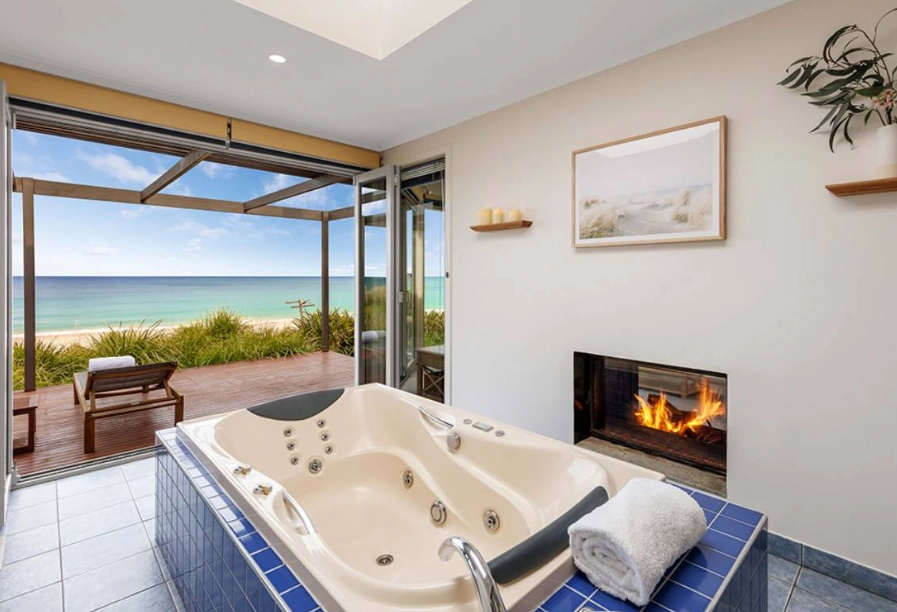
Frequently Asked Questions
Is it worth splurging on a luxury hotel for a short city break in Europe?
It depends on your travel style. For a whirlwind 48-hour trip to Paris or Rome, a centrally located luxury hotel can be a huge time-saver and energy-restorer. You're paying for the convenience, impeccable service, and a guaranteed quiet refuge. However, if you plan to be out exploring from dawn till dusk, a well-located boutique hotel might offer better value. The key is location and amenities that match your itinerary.
What's the one common mistake people make when booking a 'luxury' hotel in Europe online?
They judge luxury solely by the gallery photos and star rating, ignoring the property's context and soul. A 5-star chain hotel by an airport and a 5-star historic palazzo in Florence offer vastly different experiences. The mistake is not reading between the lines of reviews. Look for mentions of 'authentic,' 'personalized service,' 'charm,' and 'attention to detail' rather than just 'new' or 'shiny.' Also, booking through a third-party site often means you get the worst room in the best category. For true luxury, booking direct or through a trusted travel advisor often unlocks better rooms and perks.
Are European luxury hotels family-friendly?
Many are, but you must be strategic. Larger resorts, Alpine retreats, and country manor houses often excel with kids' clubs, connecting rooms, and activities. Urban palace hotels might be more formal. Always call ahead. Ask specifically about interconnecting rooms (not just adjoining), kids' menus, and babysitting services. Some luxury hotels have minimum age requirements, especially in adults-oriented spas. Properties in Tuscany or the Swiss Alps are generally more accommodating than a formal city-center hotel in Vienna.
How far in advance should I book a luxury castle or palace hotel in Europe?
For iconic properties like Ashford Castle in Ireland or Hotel de Crillon in Paris, aim for 6 to 12 months, especially for peak summer or festive seasons. These places have very few rooms and high demand from repeat guests. For other luxury hotels, 3-6 months is a safe bet to secure your preferred room type. Last-minute deals exist, but you surrender choice. A pro tip: if your dates are flexible, enquire directly about potential openings; sometimes they have cancellations not yet released to online channels.




Comments
Join the discussion