Quick Guide to This Journey
- When to Go: Timing Your South Korea Adventure Perfectly
- How Much Does It Really Cost? Budgeting Without the Shock
- Crafting Your South Korea Itinerary: From 5 Days to 2 Weeks
- Must-Visit Places & Hidden Gems
- Food: A Guide to Eating (Very Well) in Korea
- Practical Tips & Cultural Etiquette
- Answering Your Burning Questions (FAQ)
- Wrapping It Up: Your Next Steps
Let's be real. When most people think about South Korea tourism, their minds jump straight to BTS, bulgogi, and maybe the demilitarized zone they saw on the news. I was the same. My first trip was basically a checklist of Instagram spots in Seoul. It was fun, sure, but it felt... surface-level. Like I was just skimming the brochure.
It wasn't until I went back, got lost in smaller cities, struck up conversations with locals over soju, and hiked trails where no one spoke English that the country truly opened up to me. That's the South Korea I want to tell you about. The one beyond the glossy K-drama sets. A place where ancient Confucian temples sit in the shadow of neon-lit skyscrapers, where you can feast like a king on street food for less than $10, and where the concept of "jeong" – that deep, unspoken bond of affection – makes the hospitality feel genuinely warm.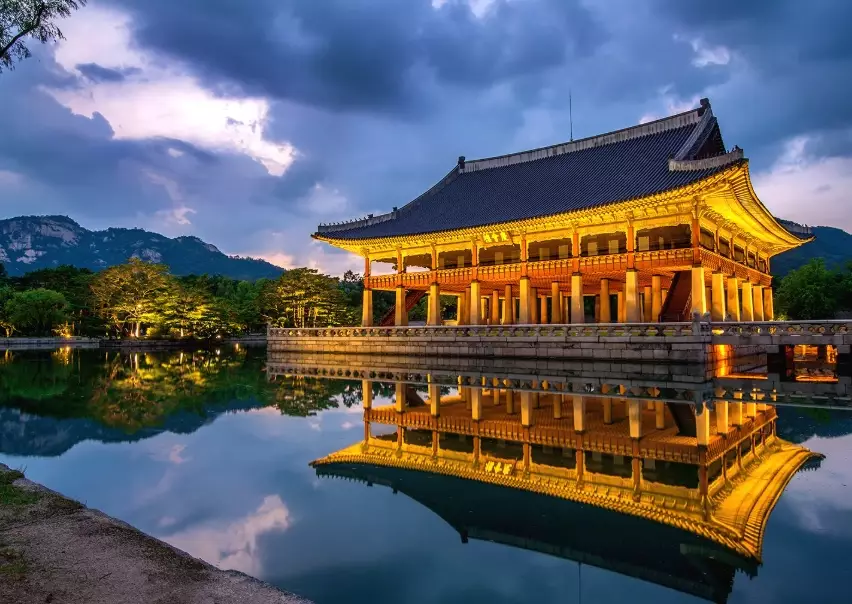
Planning a trip can feel overwhelming. The language uses an alien alphabet, the subway maps look like circuit boards, and how many different types of kimchi *are* there? This guide is here to untangle that. Consider it your friendly, no-BS companion for crafting a South Korea travel adventure that's uniquely yours, whether you're a first-timer or looking to dig deeper.
When to Go: Timing Your South Korea Adventure Perfectly
This is probably the first big question, right? The answer isn't simple because Korea has four fiercely distinct seasons, and the "best" one depends entirely on what you want. Want cherry blossoms? Pack for spring. Dreaming of ski slopes? Winter it is. I made the mistake of going in peak summer humidity once. Never again. My clothes were glued to me by 10 AM.
| Season | Months | What's It Like? | Best For | Watch Out For |
|---|---|---|---|---|
| Spring | March - May | This is the poster child. Mild temps, blue skies, and the legendary cherry blossoms. The whole country seems to wake up from winter. Parks in Seoul and Jinhae are absolutely magical... and packed. | Flower festivals, hiking, pleasant city exploration. | Yellow dust storms from China can occur (check forecasts). This is also peak tourist season, so book *everything* early. |
| Summer | June - August | Hot. Sticky. Monsoon season (Jangma) hits in late June through July with heavy, persistent rain. August is just plain hot and humid. Coastal areas like Busan are popular escapes. | Beach trips, water parks, vibrant summer festivals. | The humidity is no joke. Also, sudden downpours. Carry an umbrella and prepare to sweat. |
| Autumn | September - November | My personal favorite. The humidity vanishes, the air is crisp, and the mountains explode in fiery reds, oranges, and yellows. The light is perfect for photography. | Hiking (Seoraksan is unreal), temple stays, outdoor anything. The food is also fantastic with harvest festivals. | Can get chilly, especially at night in late autumn. Also a very popular time for travel. |
| Winter | December - February | Cold and dry, with potential for beautiful snow, especially in the east. It's a different kind of charm – think steaming street food, ski resorts, and festive lights. | Skiing/snowboarding, onsens (jjimjilbang), winter festivals, and experiencing cozy indoor culture. | It can be bitterly cold. Pack serious thermal layers. Some rural attractions may have limited hours. |
So, when is the *best* time for South Korea tourism? For a balanced first trip, aim for the shoulder months: late April to early June, or late September to October. You'll dodge the worst of the crowds and the extreme weather. If you're chasing a specific experience like skiing or cherry blossoms, then plan your entire trip around that.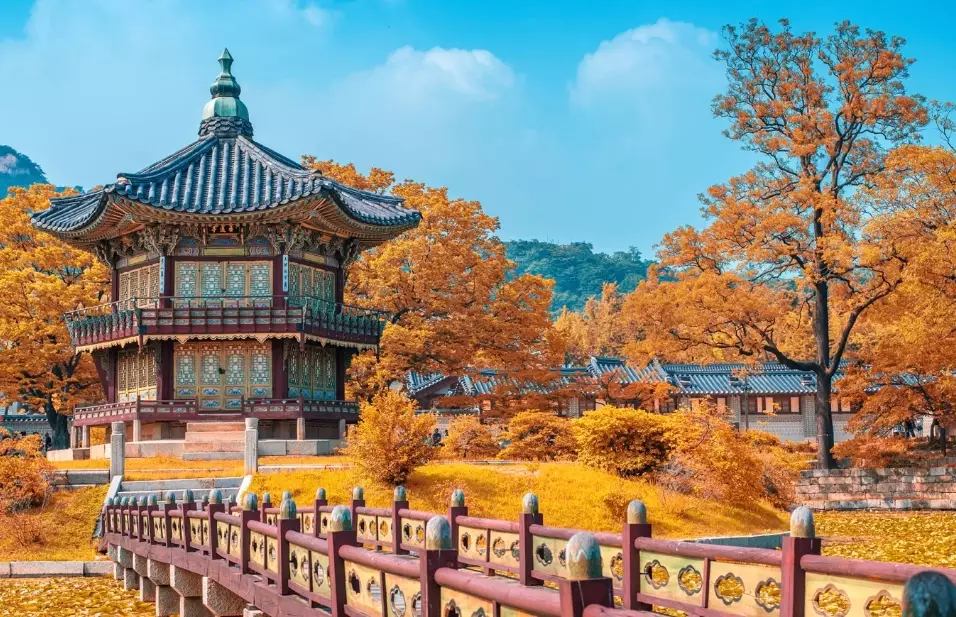
How Much Does It Really Cost? Budgeting Without the Shock
South Korea isn't dirt cheap like some Southeast Asian countries, but it's far more affordable than Japan or Western Europe. You can absolutely tailor your spend. A fancy night out in Gangnam? That'll cost you. A filling meal from a pojangmacha (street tent stall)? Maybe $5.
Let's break it down so you're not guessing.
Daily Budget Estimates (Per Person)
- Budget Backpacker ($40-60/day): Dorm hostel, street food and convenience store meals (gs25, CU), free temples/walks, public transport only. It's tight but doable if you're disciplined.
- Mid-Range Traveler ($80-150/day): This is the sweet spot. Private room in a decent hotel or Airbnb, eating at casual sit-down restaurants (like local kimbap chains or family-run joints), paying for key attractions, taking the occasional taxi.
- Luxury Explorer ($200+/day): Boutique or 4-star+ hotels, fine dining (Hanwoo beef, anyone?), private tours, shopping in Myeongdong or Apgujeong without looking at price tags.
Cost-Saving Hacks I Swear By
- T-Money Card: Get this rechargeable transit card the second you land. It works on subways, buses, and even in many taxis and convenience stores. Saves you from buying single tickets every time.
- Korea Tour Card: If you're hitting a lot of paid attractions, check if this discount pass covers them. It often includes public transport credit too. Do the math first, though.
- Free Walking Tours: Cities like Seoul and Busan offer fantastic free (tip-based) walking tours. You get local insights and orient yourself. I did a Seoul history tour that was better than any guidebook.
- Convenience Store Gourmet: Seriously, don't sleep on GS25, CU, or 7-Eleven. Their ready meals, kimbap triangles, and banana milk are lifesavers for cheap, quick eats.

Crafting Your South Korea Itinerary: From 5 Days to 2 Weeks
How long have you got? Your itinerary is the skeleton of your trip. Here are some realistic frameworks based on common timeframes. Remember, Korea's transit is excellent, but you still don't want to spend your whole trip on a train.
The Classic First-Timer (7-10 Days)
This hits the big three: the capital, the coast, and the culture.
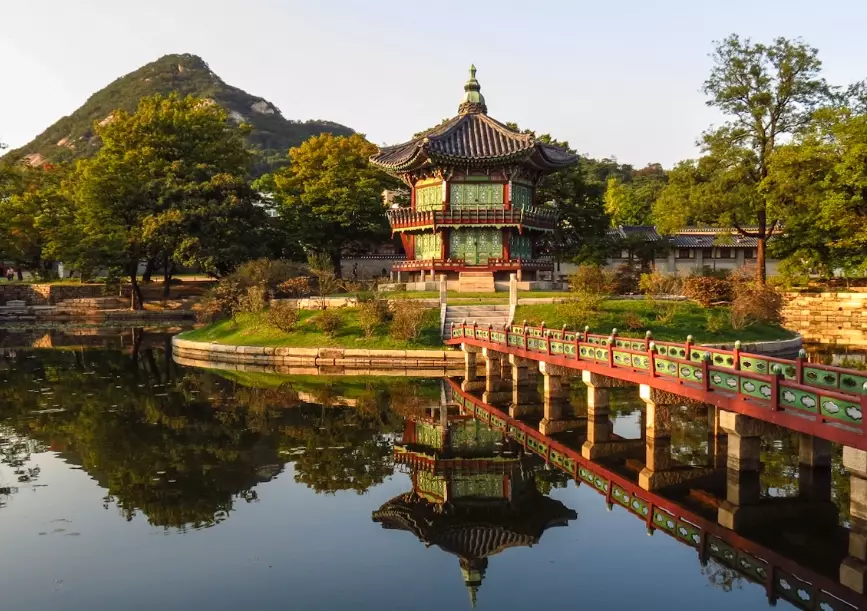
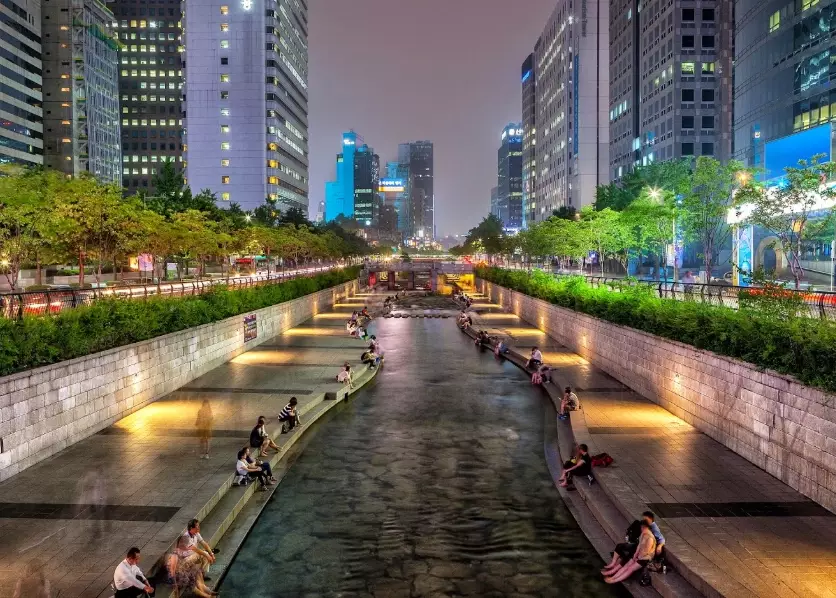
- Seoul (4-5 days): Don't try to see it all. Pick neighborhoods. Dive into the palaces (Gyeongbokgung & Changdeokgung's Secret Garden), get lost in Insadong's alleys, feel the buzz of Hongdae at night, and shop till you drop in Myeongdong. Take a day trip to the DMZ for that surreal historical perspective – it's a sobering but essential part of understanding modern Korea. You can book tours through Korea Tourism Organization's official site for verified options.
- Gyeongju (2 days): Often called the "museum without walls." This was the capital of the ancient Silla kingdom. Rent a bike and cycle between thousand-year-old tombs (tumuli), temples like Bulguksa, and the serene Anapji Pond. It's a beautiful, slower-paced contrast to Seoul.
- Busan (2-3 days): Korea's vibrant second city. Eat fresh seafood at Jagalchi Market, relax on Haeundae or Gwangalli Beach, explore the colorful Gamcheon Culture Village, and visit the solemn UN Memorial Cemetery. The coastal train ride down from Seoul is scenic, too.
If You Have More Time (2 Weeks+)
Now you can get into the really good stuff.
- Add Jeju Island (3-4 days): A flight from Seoul or Busan. It's Hawaii meets Ireland. Hike Hallasan volcano, explore lava tubes (Manjanggul), see the iconic "haenyeo" female divers, and enjoy the dramatic coastline. Renting a car is the best way to see Jeju.
- Explore the East Coast: Sokcho is the gateway to Seoraksan National Park – some of the best hiking in the country. The raw beauty here is staggering.
- Discover Jeonju (2 days): The birthplace of bibimbap and home to a massive, beautiful Hanok Village (traditional Korean houses). It's a foodie and culture lover's paradise.
- Andong & Hahoe Folk Village (1-2 days): For a deep dive into Confucian traditions and Korean folk culture. It feels like stepping back in time.
My advice?
Don't try to cram everything. Pick a theme. A food pilgrimage. A hiking deep dive. A history trail. You'll enjoy it more. A well-planned South Korea itinerary is about depth, not just ticking boxes on a map.
Must-Visit Places & Hidden Gems
Beyond the big cities, South Korea tourism offers incredible diversity. Here's my personal hit list, mixing the iconic with the less-trodden.
Top 5 Must-Visit Places (The Essentials)
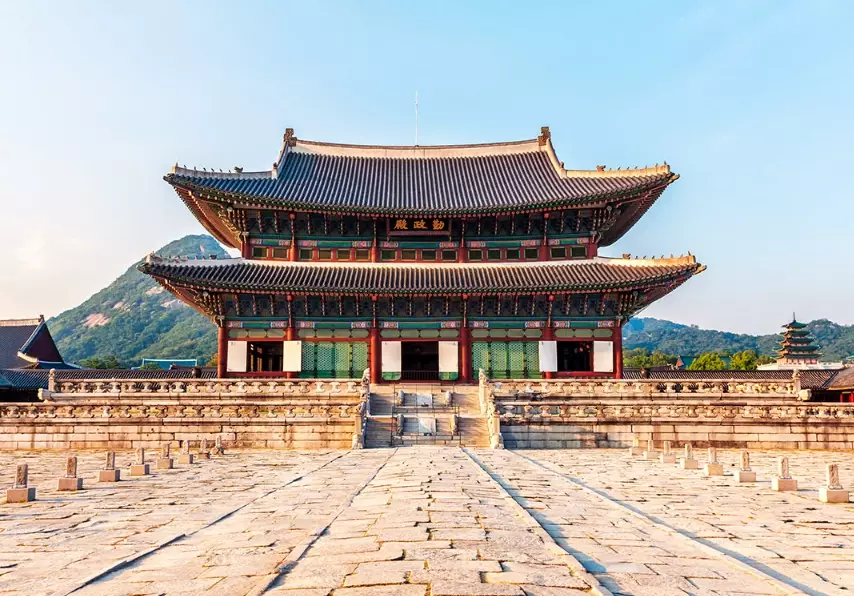
- Gyeongbokgung Palace, Seoul: The main royal palace. Time your visit for the changing of the guard ceremony. Rent a hanbok (traditional dress) for free entry and amazing photos – it feels a bit cheesy at first, but it's actually really fun.
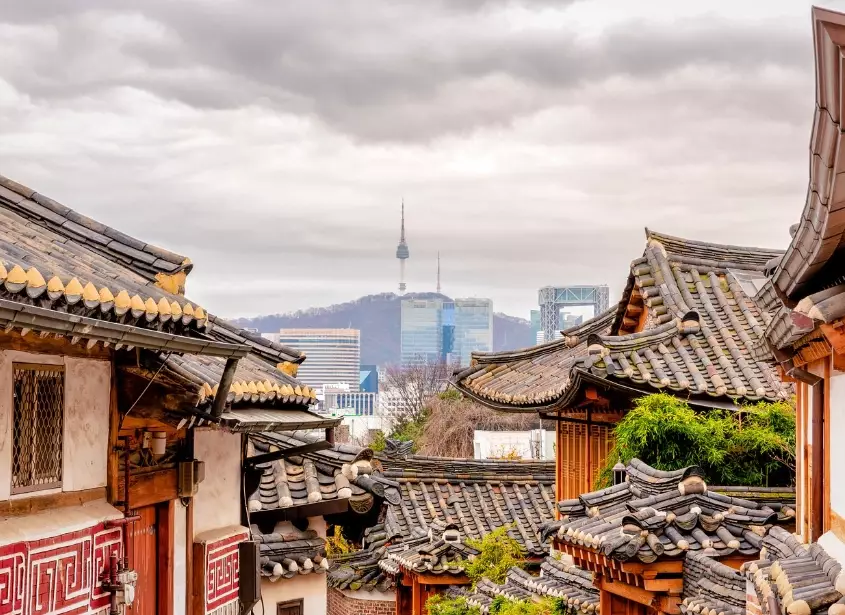
- Bukchon Hanok Village, Seoul: A residential area of traditional hanok houses nestled between Gyeongbokgung and Changdeokgung. Wander the alleys respectfully (people live here!). Some hanoks are now cafes, tea houses, or cultural centers you can visit.
- Bulguksa Temple & Seokguram Grotto, Gyeongju: UNESCO World Heritage sites. Bulguksa is a masterpiece of Buddhist art and architecture. Seokguram, a short bus ride away, houses a serene stone Buddha overlooking the East Sea. The vibe is profoundly peaceful.
- Jagalchi Fish Market, Busan: The largest seafood market in Korea. It's loud, wet, and chaotic in the best way. Pick your live octopus or fish from the tanks downstairs, and they'll cook it for you upstairs. An unforgettable experience.
- Seoraksan National Park, Sokcho: The mountains here are dramatic and beautiful. Even a short hike like to Ulsanbawi Rock offers incredible views. In autumn, it's simply the best place in the country.

3 Hidden Gems Most Tourists Miss
- Suncheon Bay Wetland Reserve & Garden: Down in Jeollanam-do. A vast, beautiful reed bed and coastal wetland. It's a birdwatcher's paradise and feels a world away from the urban hustle. The nearby Suncheonman National Garden is also stunning.
- Ulleungdo Island: Takes a long ferry from Pohang or Mukho, but wow. A remote, volcanic island with sheer cliffs, crystal-clear water, and fresh squid. This is for the adventurous traveler who doesn't mind roughing it a bit. No international chain anything here.
- Jeungdo Salt Farm (Taean): A vast, photogenic sea salt farm on the west coast. You can tour the facilities, walk across salt crystals, and even try making your own salt. The light at sunset is magical. It's a unique slice of local industry.
Food: A Guide to Eating (Very Well) in Korea
Korean food is a huge part of the travel experience. It's bold, fermented, spicy, and communal. Forget the Americanized versions. The real deal is something else.
Top 5 Foods You Absolutely Must Try
- Samgyeopsal (Grilled Pork Belly): More than a meal, it's a social event. You grill the thick slices yourself at the table, wrap them in lettuce or perilla leaf with garlic, kimchi, and ssamjang (paste), and shove the whole package in your mouth. Perfection.
- Bibimbap (Mixed Rice): A beautiful bowl of warm rice topped with namul (sautéed vegetables), gochujang (chili paste), a fried egg, and often meat. Mix it all together vigorously. The version in Jeonju is the most famous.
- Korean Fried Chicken (Chimaek): Not like any other fried chicken. It's double-fried, so it's impossibly crispy on the outside and juicy inside. Comes glazed in sweet-spicy yangnyeom sauce or soy garlic. Paired with beer (maekju), it's called "chimaek."
- Tteokbokki (Spicy Rice Cakes): Chewy cylindrical rice cakes cooked in a sweet, spicy, and savory gochujang-based sauce. A quintessential street food. Often comes with fish cakes and boiled eggs.
- Haemul Pajeon (Seafood Scallion Pancake): A savory, crispy pancake loaded with green onions and seafood like squid and shrimp. Best enjoyed with a bowl of makgeolli (milky rice wine) on a rainy day. It's a national pastime.
Navigating a Korean Restaurant: Unwritten Rules
- Side Dishes (Banchan) are Free & Refillable: The array of small dishes (kimchi, pickles, veggies) that come with your meal are complimentary. You can ask for more ("jeo juseyo"). Don't be shy.
- Water & Cutlery are Self-Service: Look for a water dispenser and a container with spoons and metal chopsticks. You usually get them yourself.
- Don't Stick Your Chopsticks Upright: It's a funeral ritual. Just lay them on the table or across your bowl.
- Sharing is Caring: Many Korean meals are designed to be shared from central pots (like stews or grilled meats). It's a communal dining culture.
My personal, slightly controversial take? I find some of the ultra-trendy dessert cafes in Seoul a bit overhyped. The shaved ice (bingsu) is great, but sometimes you're paying for the Instagram aesthetic more than the flavor. For a real treat, find a traditional market and get hotteok (sweet filled pancake) or bungeoppang (fish-shaped pastry with red bean paste) instead.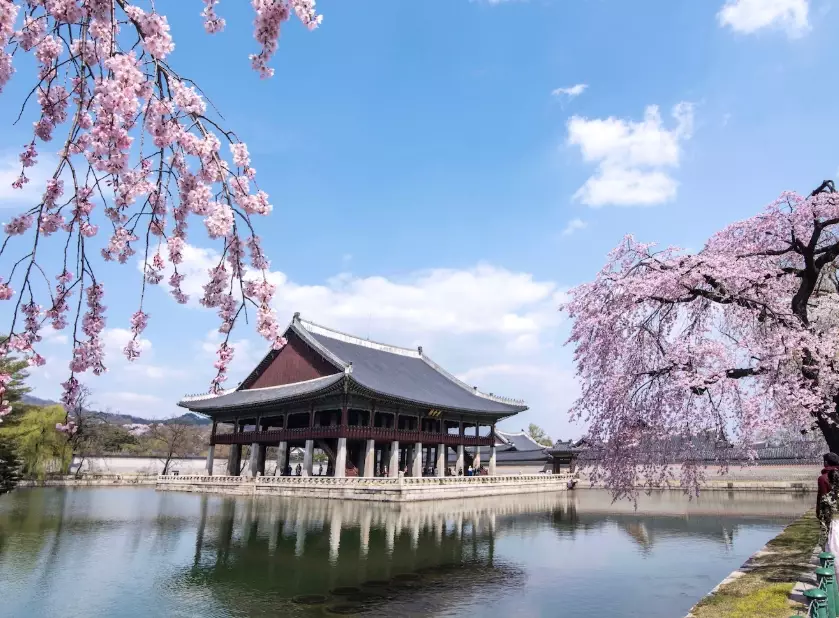
Practical Tips & Cultural Etiquette
A little knowledge goes a long way in making your trip smoother and more respectful.
Getting Around: It's Easier Than You Think
Korea's public transport is world-class. Naver Maps or KakaoMap (download these apps!) are far more accurate than Google Maps for navigation and transit directions. Subways have English signs and announcements. For intercity travel, the KTX high-speed train is efficient but pricey. Buses are cheaper and go everywhere. You can book trains on the Korail website.
Essential Korean Phrases
Learning Hangul (the alphabet) is surprisingly easy in a weekend and will help immensely with signs. A few phrases:
- Annyeonghaseyo (안녕하세요): Hello.
- Kamsahamnida (감사합니다): Thank you.
- Juseyo (주세요): Please give me... (Point at menu + this word works!).
- Eolmayeyo? (얼마예요?): How much is it?
- Hwangyong-hamnida (황용합니다): Sorry/Excuse me.
Cultural Do's and Don'ts
- Do receive/give with two hands: Or at least support your right forearm with your left hand when giving/receiving money, gifts, or a business card. It shows respect.
- Don't be loudly disruptive in public: Koreans generally value public order and quiet in spaces like subways. Talking loudly on the phone is frowned upon.
- Do try to take off your shoes: When entering a Korean home, a traditional restaurant with ondol (floor heating) seating, and even some guesthouses. Look for a step up or a pile of shoes at the entrance.
- Mind the hierarchy: A slight bow is a common greeting. The younger or junior person bows first and slightly deeper. In casual tourist settings, a polite nod is fine.
Answering Your Burning Questions (FAQ)
Is South Korea safe for solo female travelers?
Generally, very safe. Violent crime rates are low. I've walked alone at night in cities and felt fine. The usual global precautions apply: be aware of your surroundings, watch your drink, avoid poorly lit alleys. A specific issue can be hidden camera spying in public bathrooms or changing rooms (known as "molka"). It's a serious societal problem. Be vigilant in public restrooms, check for unusual holes or devices. Also, be prepared for some staring, especially outside Seoul, which is usually curiosity, not malice.
Do I need a visa?
Citizens of many countries (including the US, UK, Canada, Australia, and most of the EU) get visa-free entry for tourism, typically for 30 to 90 days. This can change. You must check the latest requirements with the Korean Ministry of Foreign Affairs or your local Korean embassy before you book anything. Requirements for other nationalities vary widely.
What about internet and connectivity?
Wi-Fi is ubiquitous in hotels, cafes, and many public areas. For constant, reliable data, I highly recommend renting a portable Wi-Fi egg (pocket Wi-Fi) from the airport or booking one online for pickup. Alternatively, buy a local SIM card (available at airports for tourists) or use an eSIM if your phone supports it. Having data for Naver Maps is a game-changer.
Is English widely spoken?
In central Seoul and major tourist areas, you'll find enough English on signs and from younger people to get by. Venture outside those zones, and it drops off quickly. Learning basic Korean phrases and using a translation app (like Papago, which is better than Google Translate for Korean) will make your life much easier and your interactions more rewarding.
What should I pack?
Comfortable walking shoes (you will walk a lot). Layers for the variable weather. A portable power bank for your phone. A universal adapter (Korea uses Type C and F plugs, 220V). Basic toiletries, though you can buy everything there. A sense of adventure and a flexible stomach!
Wrapping It Up: Your Next Steps
Look, planning any trip involves a bit of homework. But for South Korea tourism, the payoff is immense. You're not just visiting a country; you're experiencing a dynamic culture that perfectly balances deep tradition with hyper-modern innovation.
Start by nailing down your dates and booking flights. Then, sketch out that itinerary based on your interests. Book your first few nights' accommodation, especially if you're traveling in peak season. Get a guidebook for deeper historical context, but let this guide be your practical playbook.
The most important tip?
Leave some room for the unexpected. Get lost in a market. Say yes to that food you can't identify. Follow a path that looks interesting. Some of my best memories from South Korea came from ditching the plan and just seeing what happened.
Have an amazing trip. You're going to love it.
Comments
Join the discussion