Quick Guide
So you're thinking about a trip to Japan. The pictures look amazing – serene temples, buzzing cities, food that's a work of art. But then a little voice in your head asks: Is Japan friendly for tourists? Is it easy to get around if I don't speak Japanese? Will I stick out like a sore thumb and make a million cultural faux pas?
I've been there, literally and figuratively. My first trip to Tokyo, I spent a good twenty minutes staring at a train map in Shinjuku Station, utterly lost. A salaryman in a suit, probably late for something, noticed my confusion. He didn't just point; he walked me to the correct platform. That was my first real clue.
The short, honest answer? Japan is incredibly tourist-friendly, but in its own unique way. It's not the in-your-face, gregarious friendliness you might find elsewhere. It's a deep-seated culture of respect, safety, and an almost obsessive desire for order and service. This creates an environment where tourists can thrive, but you need to understand the rules of the game.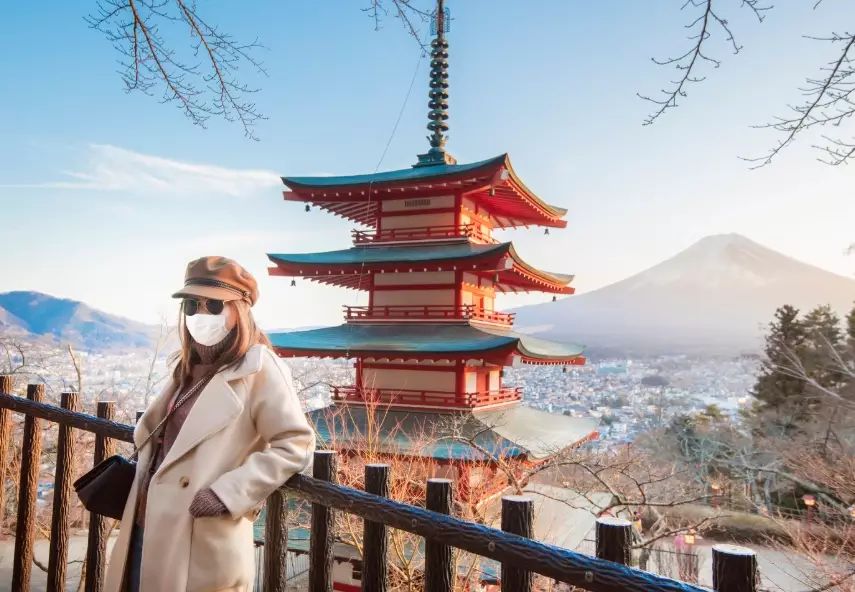
Let's break it down, the good, the occasionally challenging, and everything in between. We'll move beyond the postcard image and talk about what it's actually like on the ground.
The Core of It: Japan's friendliness stems from omotenashi (the spirit of selfless hospitality) and a collective societal priority on harmony and non-interference. This means you are safe, things work flawlessly, and people will go to extraordinary lengths to help if you ask. But they might not initiate interaction, which some can mistake for coldness.
The Big Yes: Why Japan Feels So Welcoming
This is where Japan shines, and it's the main reason millions return year after year.
Safety You Can Feel in Your Bones
This is the number one point for most travelers, especially solo ones. Japan's safety statistics are legendary. You can walk down almost any street at night, forget your wallet on a train (a true story from a friend), and have a high chance of it being turned in. Violent crime against tourists is exceedingly rare. This foundational safety removes a huge layer of travel stress, making exploration feel free and easy. The World Bank consistently ranks Japan highly on governance and rule of law indicators, which trickles right down to street-level safety.
It's more than stats, though. It's the feeling. Kids take the subway alone. Women walk home late. As a tourist, you're a beneficiary of this incredibly safe society.
Efficiency and Cleanliness That Spoils You
The public transport runs on time. I mean, on time. A train delay of one minute comes with a heartfelt apology over the speaker. Stations are clean, well-signed (increasingly in English), and logical. Streets are spotless despite a noticeable lack of public trash cans (pro tip: carry a small bag for your trash). This hyper-efficiency is a form of friendliness. It means you can navigate a complex country with confidence. The system is built to work, and it includes you.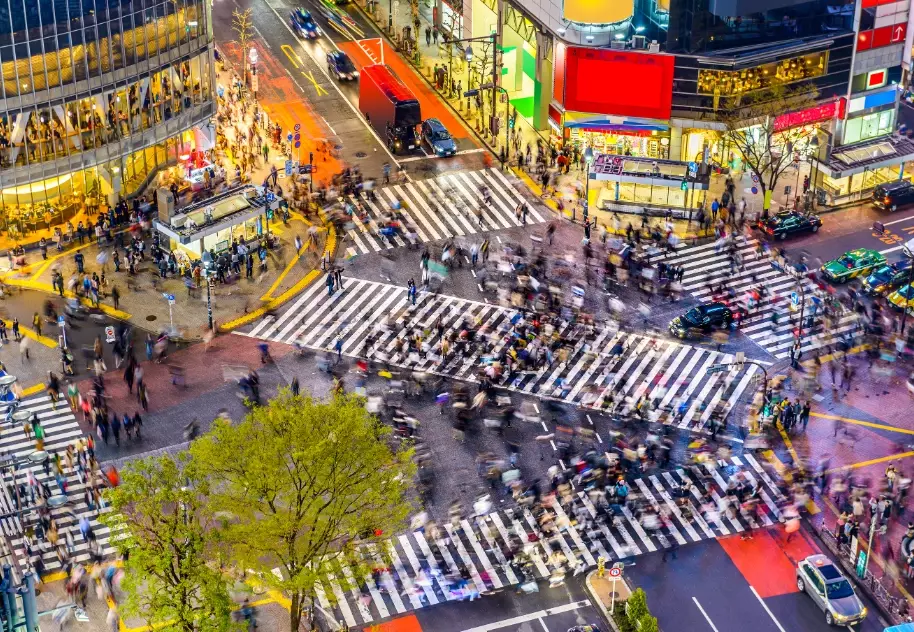
The Legendary Japanese Service
Omotenashi isn't just a word. From the double-handed, respectful change-giving at a department store to the impeccable politeness of a ryokan owner, service is taken seriously. Staff in tourist areas, hotels, and major shops are trained to assist foreign guests. You'll often find someone who will go far beyond their job description to help you. I once had a convenience store clerk leave the counter to walk me half a block to point out a hard-to-find address.
The Nuanced Side: Where Tourists Can Stumble
To say Japan is 100% frictionless would be dishonest. Its friendliness has a specific texture, and understanding these points is key to a smooth trip.
The Language Barrier (It's Real, But Surmountable)
Outside major tourist hubs, English proficiency drops significantly. Menus might be only in Japanese, station announcements may not be bilingual, and conversations with locals will be limited. However, this is where Japan's helpfulness kicks in. People will use translation apps, point, draw maps, or find someone who speaks a little English. The barrier is more about written/spoken language than an unwillingness to communicate.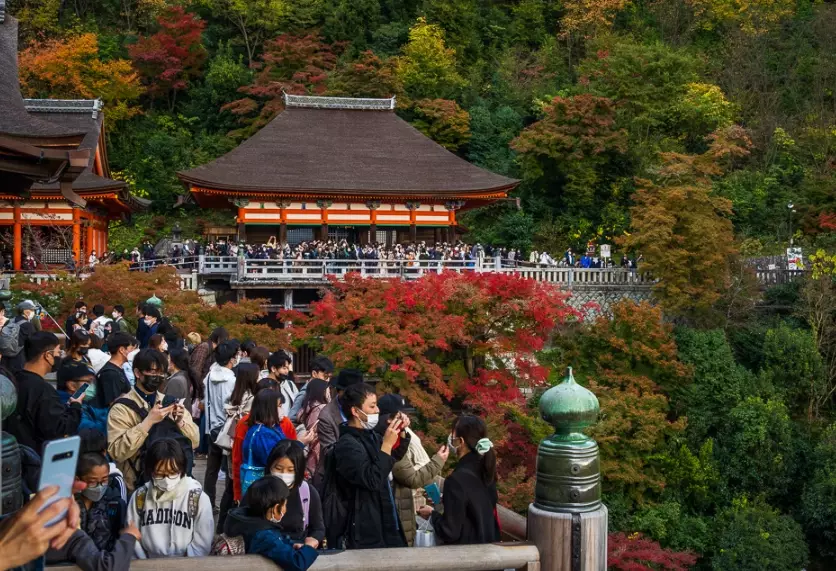
Here’s a quick survival kit of phrases that will get you smiles and goodwill:
| Japanese Phrase | Pronunciation | Meaning & Use |
|---|---|---|
| Arigatou gozaimasu | Ah-ree-gah-toh goh-zye-mahs | Thank you (polite). Use this constantly. |
| Sumimasen | Soo-mee-mah-sen | Excuse me / I'm sorry. Use to get attention, apologize, or say thank you in some contexts. |
| Eigo menu arimasu ka? | Eh-go men-yoo ah-ree-mahs kah? | Do you have an English menu? |
| ~ wa doko desu ka? | ~ wah doh-koh des kah? | Where is ~? (Fill in the blank with a place, e.g., "Eki" for station). |
| O-kanjou onegaishimasu | Oh-kahn-joh oh-neh-guy-shee-mahs | The check, please (in a restaurant). |
Apps like Google Translate (especially the camera function for instant menu translation) and Google Maps are absolute lifesavers. Download Japanese offline packs before you go.
Unspoken Rules and Etiquette
This is the big one. Japan's friendliness operates within a strong framework of social etiquette. Not knowing these rules won't make people angry (they are very forgiving of tourists), but following them will earn you respect and make interactions smoother.
- On Public Transport: Talk quietly. No phone calls. Set your phone to silent. Wait for people to exit before boarding.
- Queuing: Stand in neat lines. Always. This is sacred.
- Money: Use the little trays at cash registers to place your money and receive change. Handing cash directly to someone can be considered rude.
- Shoes: Remove them when you see a step up, a genkan (entryway), or tatami mats. Slippers are often provided, but don't wear them onto the tatami.
- Eating & Drinking: It's generally fine to eat while walking in cities, but try to finish your food near the stall. Don't eat on local trains (long-distance shinkansen are fine). It's polite to say "itadakimasu" before eating and "gochisousama deshita" after.
My personal blunder? Blowing my nose loudly in public. In Japan, it's more polite to sniffle and blow your nose discreetly in a bathroom. A few sideways glances taught me that lesson quickly.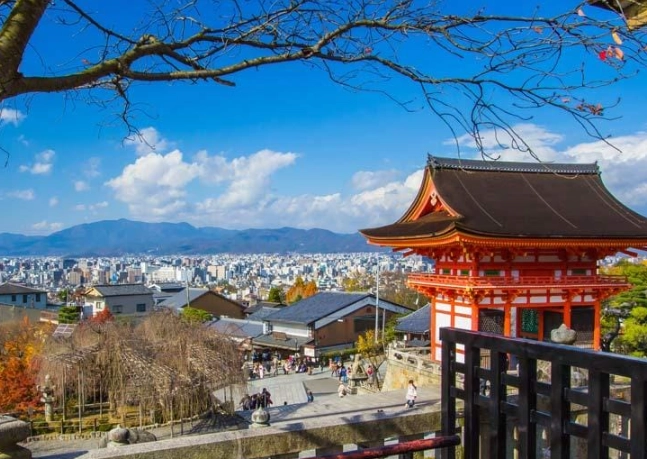
The Reserved Social Nature
Japanese people often value privacy and non-intrusion. Don't expect strangers to strike up a conversation on the train or in a line. This isn't unfriendliness; it's considered polite not to disturb others. However, if you initiate and ask for help, the dynamic completely changes. That's the secret. The friendliness is often reactive, not proactive. A simple "Sumimasen" is the key that unlocks a world of assistance.
Navigating Japan: A Tourist's Practical Toolkit
Okay, so knowing the culture is one thing. How do you actually do stuff? Let's get practical.
Getting Around: Trains, Buses, and Taxis
The rail network is your best friend. For long distances, the Japan Rail Pass can be a great value if you're doing a lot of inter-city travel (calculate carefully!). For cities, the subway is foolproof with apps like Google Maps telling you exactly which platform, train, and exit to use.
Taxis are clean, safe, and the doors open and close automatically (don't touch them!). They are also expensive. A great middle ground are local buses, especially in places like Kyoto. They can be tricky, but routes to major temples are well-touristed.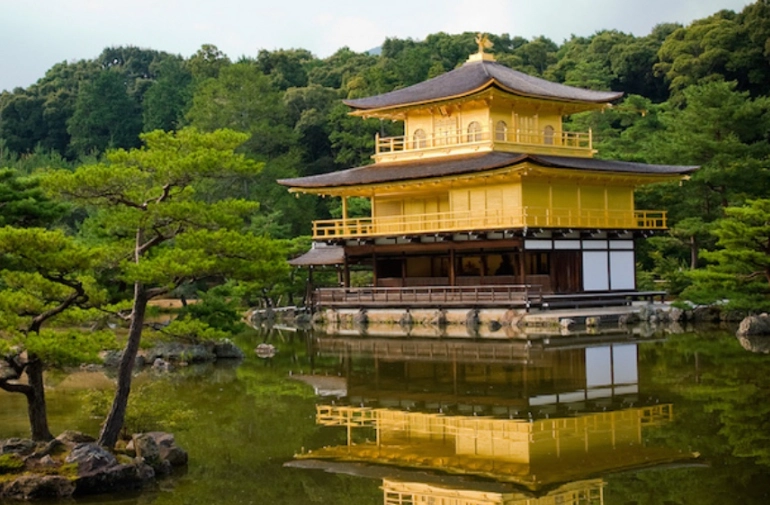
Transport Friendliness Scorecard:
Pros: Impeccably on-time, clean, safe, extensive network, great English signage in hubs.
Cons: Can be overwhelmingly crowded during rush hour (avoid 8-9am in Tokyo!), silent rule enforcement can feel stiff, some rural stations have zero English.
Finding a Place to Stay
From luxury hotels to capsule hotels to traditional ryokans, Japan caters to all. Western-style hotels in cities will have full English support. Ryokans (traditional inns) are a must-try cultural experience, but be prepared for a specific set of rules (meal times, futons, communal baths). Hostels are often very social and a great place to meet other travelers. Booking platforms like Booking.com or Agoda work perfectly.
Ordering Food (The Fun Part)
This is a common worry. Here’s how to crack the code:
- Picture Menus: Many places, especially in tourist areas, have plastic food models in the window or picture menus.
- Ticket Vending Machines: Common in ramen shops and some casual eateries. You put in money, press the button with the picture of your dish, get a ticket, and hand it to the staff. No speaking needed!
- Pointing: Perfectly acceptable. Point at the item on the menu and hold up fingers for how many.
- Allergy Cards: If you have serious allergies, research and print out allergy cards in Japanese before your trip. The Japan National Tourism Organization (JNTO) website has resources for this.
Is Japan friendly for tourists when it comes to food? Absolutely. The pride taken in culinary craft means they are often delighted to see you enjoy their food, even if you fumble the ordering.
Addressing Your Specific Concerns (The FAQ)
The Verdict: So, Is Japan Friendly for Tourists?
Let's circle back to the core question: Is Japan friendly for tourists?
The answer is a resounding yes, but with a critical understanding. Japan is not friendly in a loud, back-slapping, instantly-familiar way. It is friendly in the most profound and reliable ways a traveler could ask for: through safety, order, respect, and a sincere desire to help when asked.
It's the country where you can lose your passport and have it handed in to the police. It's the country where a train conductor will apologize for a 30-second delay. It's the country where the food is prepared with an artist's care, regardless of the price.
The "friendliness" does require a tiny bit of effort from you, the tourist. Learn a few polite phrases. Observe the basic rules of etiquette. Don't be afraid to say "Sumimasen" and ask for help. The moment you do, you'll see the famous Japanese hospitality come to life.
Japan invites you in, but it asks you to be a polite and observant guest in return. If you approach it with that mindset, you will discover one of the most welcoming, fascinating, and downright easy-to-travel destinations on the planet. The initial formality melts away to reveal a genuine warmth that makes you want to return again and again.
Just watch out for the nose-blowing thing. Trust me on that one.

Comments
Join the discussion