Travel Insights at a Glance
- The Good, The Great, and The "Are You Kidding Me?" Beautiful
- The Flip Side: Honest Downsides & Things They Don't Tell You
- Who Is It PERFECT For? (And Who Should Maybe Rethink)
- Breaking It Down: Island by Island Guide
- Practical Stuff You Absolutely Need to Know
- Your Burning Questions, Answered
- Final Verdict: So, Should You Go?
You've seen the pictures. You've dreamed of those impossibly blue lagoons and empty beaches fringed by palm trees. The Cook Islands pops up on every "last paradise" list. But then you start digging. The flights look long. The prices make you blink. And you're left staring at your screen, wondering: is the Cook Islands actually good for tourists, or is it just a photogenic pain to get to?
I wondered the same thing. I spent weeks there, not just on postcard-perfect Rarotonga and Aitutaki, but poking around some of the less-visited outer islands too. I got sunburned, I got lost (more than once), and I definitely spent more than I planned. I also had moments that felt stolen from a dream.
This isn't a glossy brochure. It's a straight-talking, detail-packed guide from someone who's been there, done that, and came back with a lot of opinions (and a suitcase full of sand). We're going to break down exactly what makes the Cook Islands incredible, and what might make you think twice. By the end, you'll know if this slice of the South Pacific is your version of paradise or a trip best saved for later.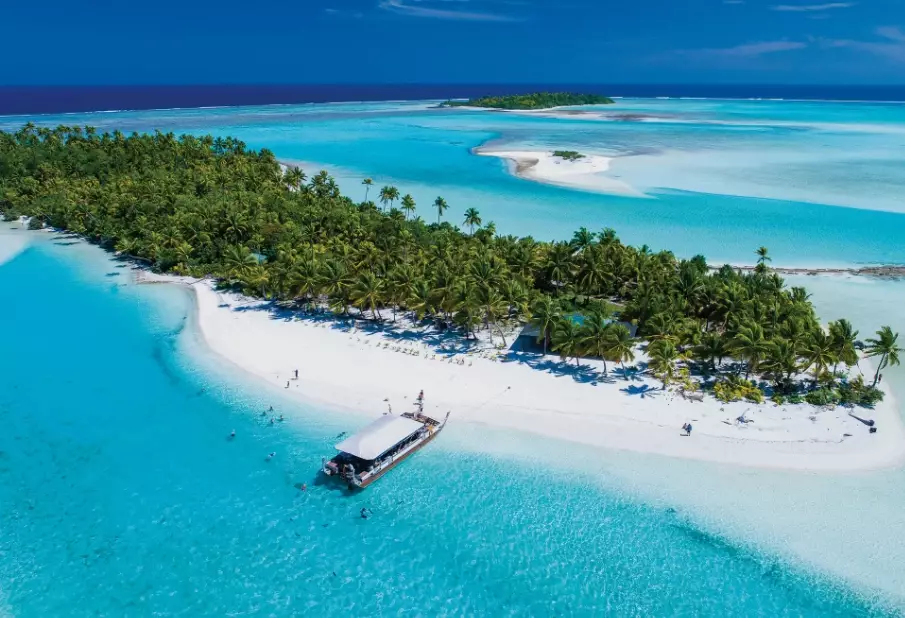
Bottom Line Up Front: The Cook Islands is phenomenally good for tourists seeking an authentic, relaxed, and stunningly beautiful Polynesian experience away from massive crowds and commercialism. However, it's not ideal for budget travelers, nightlife seekers, or those who get anxious about limited connectivity and long travel times. It's a destination you choose for quality of experience over quantity of attractions.
The Good, The Great, and The "Are You Kidding Me?" Beautiful
Let's start with the reasons why asking "is Cook Islands good for tourists" feels like a silly question once you're there. The pros are powerful.
Landscapes That Actually Look Like the Photos (Seriously)
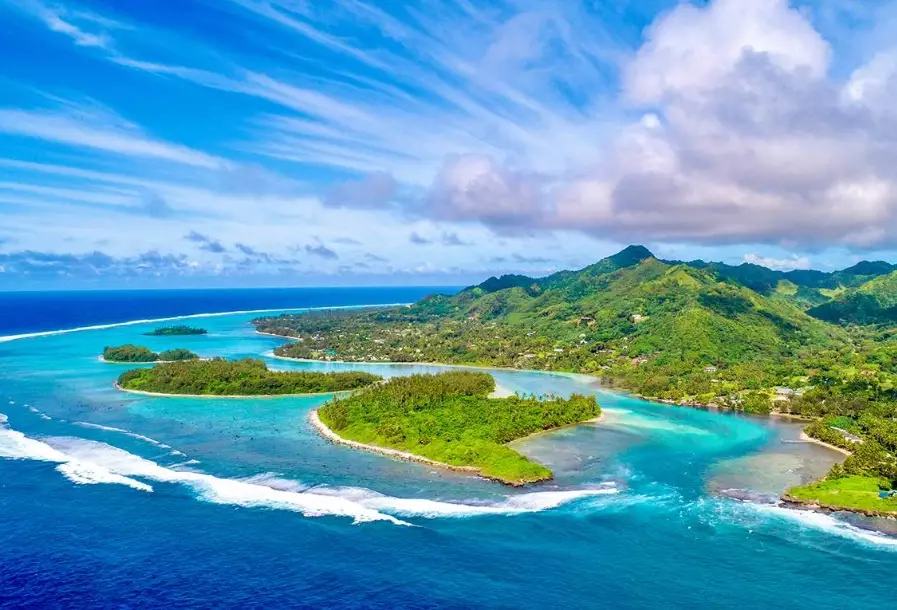
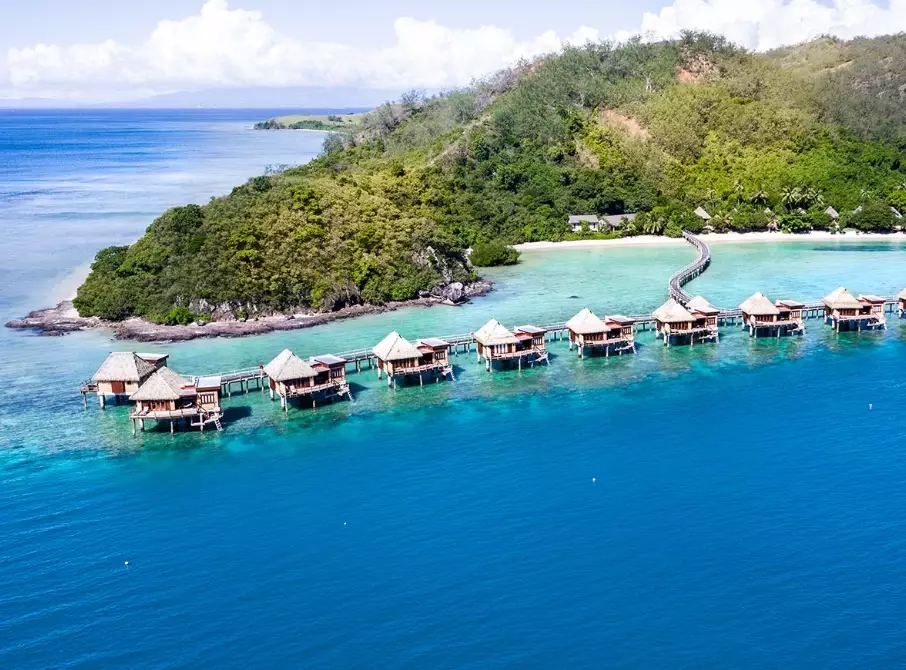
You know how you sometimes get to a famous place and the reality is a bit... smaller? Dirtier? More crowded? That doesn't happen here. Aitutaki's lagoon is a real-life technicolor dream. The water has more shades of blue and green than a paint store. Rarotonga's mountainous interior is lush and dramatic, with hiking trails that feel worlds away from the coast. The beaches, especially on the outer islands like Atiu or Mangaia, are often completely empty. You'll find yourself putting your camera down just to stare, because no photo does it justice.
Authentic Polynesian Culture That Welcomes You In
This isn't a culture performed for tourists. It's lived. The Cook Islands Maori language is heard everywhere. The churches on Sunday are a profound experience, with harmonies that'll give you chills (just dress modestly if you go). You're invited to umu (earth oven) feasts, not as a spectator, but as a guest. On Atiu, I went on a "bird-watching" tour that was really just a hilarious local guy named George showing us around his island, telling stories, and cracking jokes. It felt less like a tour and more like hanging out with a friend. That warmth is everywhere.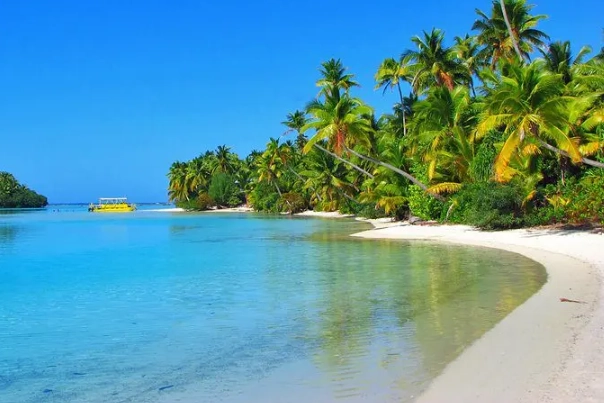
Safety and Relaxation on a Different Level
You can leave your stuff on the beach while you swim. Kids ride bikes home in the dark. Crime against tourists is virtually unheard of. The stress of constantly watching your bag just melts away. The pace of life is slow—"Cook Islands time" is a real thing. If you're a high-strung, go-go-go type of traveler, this will either frustrate you deeply or be the best therapy you've ever had.
So, for a huge segment of travelers—couples, families, nature lovers, anyone needing a digital detox—the answer to "is Cook Islands good for tourists" is a resounding, heartfelt yes.
The Flip Side: Honest Downsides & Things They Don't Tell You
Now, the reality check. Ignoring these points is how people end up disappointed. Let's be blunt.
It's Expensive. Really Expensive.
This is the number one reason people hesitate. You're in the middle of the Pacific. Everything that isn't coconut or fish is imported. Your budget needs to be realistic.
The Cost Breakdown (Per Person, Rough Estimates):
- Flights: From the US West Coast or Australia/NZ, you're looking at $1,200 - $2,500+ USD for a return ticket. It's a major chunk.
- Mid-Range Accommodation: A decent beachfront bungalow or villa will run $250 - $500 USD per night. Budget options are very limited and book out fast.
- Food & Drink: Eating out for every meal adds up quickly. A main course at a nice restaurant is $30-$50 USD. A basic burger and beer at a cafe is still $25+. Groceries are pricey too, but self-catering can save money.
- Activities & Tours: The famous Aitutaki lagoon cruise? Around $150-$200 USD. Rarotonga cross-island hike guide? $80+. It's not a destination for cheap thrills.
My take? You don't come here to save money. You come here to spend it on an experience you can't get anywhere else. But go in with your eyes open.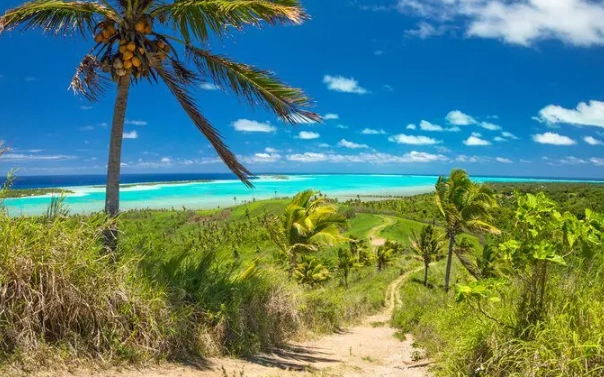
The "Remote" Factor: It's Not Just a Slogan
Getting there takes a full day (or two) from most places. Jet lag is real. And once you're there, don't expect lightning-fast Wi-Fi everywhere. On some outer islands, connectivity is a luxury. The medical facilities on Rarotonga are good for basics, but serious issues require evacuation to New Zealand. This isn't a downside per se, but a critical characteristic. If you need constant Instagram access or have complex medical needs, you need to plan accordingly.
Limited Nightlife and Shopping
If your ideal vacation involves clubbing, high-end shopping, or a new activity every hour, look elsewhere. The nightlife is mostly low-key bars, maybe some live music on a weekend. The shopping is about local crafts (beautiful black pearls, woven items) and souvenirs, not designer brands. For me, this was a plus. For others, it could be a deal-breaker.
See what I mean? The question "is Cook Islands good for tourists" has layers.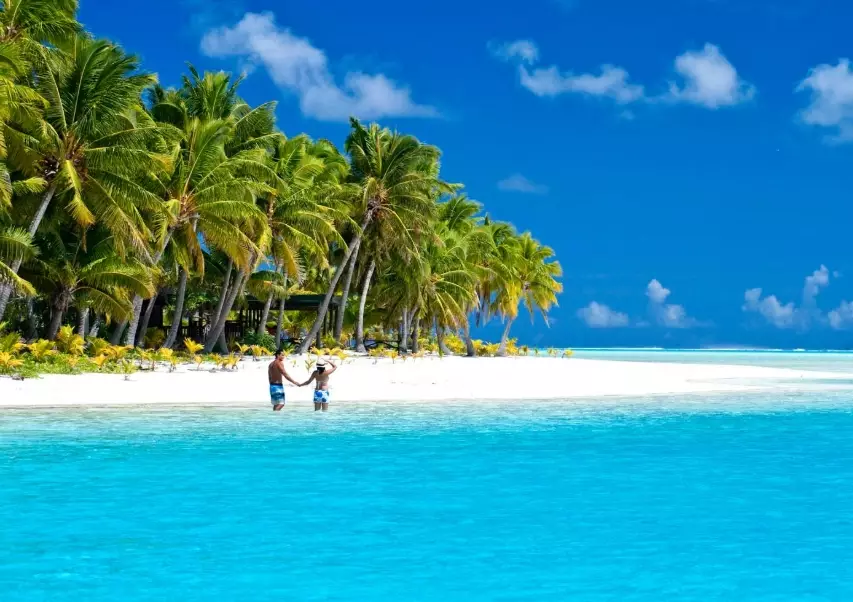
Who Is It PERFECT For? (And Who Should Maybe Rethink)
Let's match the destination to the traveler. This might save you a lot of time and money.
The Cook Islands will likely be a 10/10 for:
- Honeymooners & Romance Seekers: It's the definition of romantic seclusion. Private lagoonfront villas, sunset cruises, intimate dinners on the beach. It's a classic for a reason.
- Families with Older Kids/Teens: Safe, packed with outdoor adventures (snorkeling, hiking, kayaking), and a fantastic cultural education. (Toddlers might find the long flights and heat tough).
- Nature & Adventure Travelers: Beyond the beach, there's world-class snorkeling/diving, lush rainforest hikes, and fascinating birdlife on the outer islands.
- Those Needing a True Reset: If your goal is to disconnect, de-stress, and remember what quiet sounds like, this is medicine.
You might want to consider other options if:
- You're on a tight backpacker budget.
- You crave bustling nightlife, casinos, and non-stop entertainment.
- You have very limited vacation time (less than 10 days, considering travel).
- You need constant, reliable, high-speed internet for work.
- You prefer cities, museums, and historical monuments over natural beauty.
Breaking It Down: Island by Island Guide
"The Cook Islands" is 15 islands. Most tourists see two. Here’s the real scoop on where to go.
| Island | Vibe & Best For | Consider If You Love... | Time Needed |
|---|---|---|---|
| Rarotonga | The main hub. Lush mountains, great restaurants, most services. A good mix of convenience and beauty. | Having options, hiking (like the Cross-Island Track), a variety of dining, easy logistics. | 3-5 days |
| Aitutaki | The iconic lagoon. Postcard perfection. Less mountainous, all about that unreal blue water. | Snorkeling, lagoon cruises, overwater bungalow vibes (on a smaller scale), pure relaxation. | 2-4 days |
| Atiu | The adventure island. Rugged, less developed, famous for its bush beer (tumunu) and birdlife (Kopeka caves). | Getting off the beaten path, coffee plantations, caving, authentic local interaction. | 2-3 days |
| Mangaia | The oldest island. Dramatic fossilized coral cliffs (makatea), ancient caves. Very quiet. | Geology, solitude, feeling like you've discovered something few tourists see. | 2 days |
My personal combo? Rarotonga for the energy and food scene, then Aitutaki for the blow-your-mind lagoon experience. If you have more time, adding an outer island like Atiu gives you a completely different, more rugged perspective. Flying between islands isn't super cheap, but the views from the small planes are unforgettable.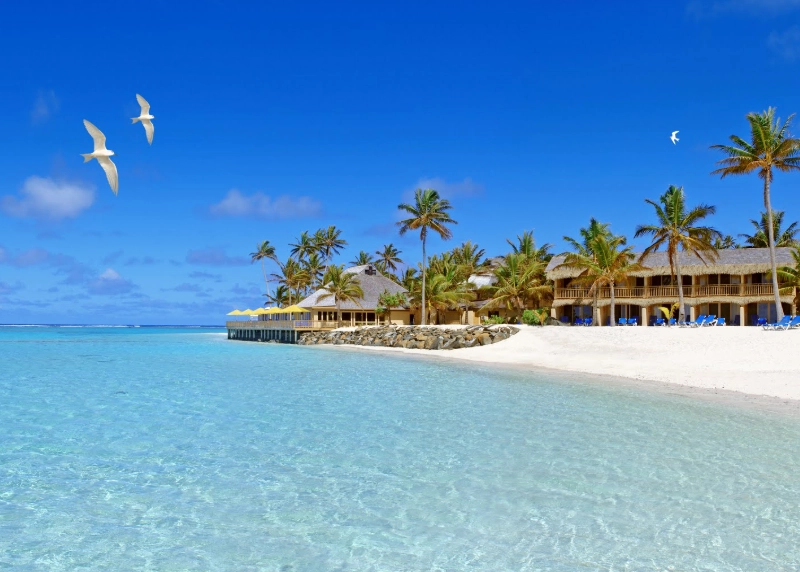
Practical Stuff You Absolutely Need to Know
Okay, let's get into the nitty-gritty. This is the info I scrambled to find before my trip.
Getting There & Around
You'll almost always fly through Auckland, New Zealand (AKL) or Sydney, Australia (SYD), then catch an Air New Zealand or Jetstar flight to Rarotonga (RAR). Once on Rarotonga, the bus system (clockwise and anti-clockwise) is cheap, fun, and reliable. Scooters are popular for rental but get insurance—the roads are dark at night! For inter-island flights, check Air Rarotonga.
When to Go: There's a Best Time
Dry Season (April - November): This is the peak. Less rain, lower humidity, cooler nights. Perfect for outdoor activities. Also more expensive and busy.
Wet Season (December - March): Hotter, more humid, with a higher chance of tropical showers and the occasional cyclone. Quieter and sometimes cheaper, but some activities can be weather-dependent.
I went in May. The weather was flawless. A friend went in February and had three solid days of rain. It's a gamble.
Money & Tipping
The local currency is the New Zealand Dollar (NZD). Credit cards are widely accepted on Rarotonga and Aitutaki, less so on outer islands—carry cash. Tipping is not expected or encouraged. It's not part of the culture. A sincere "meitaki" (thank you) is appreciated far more. This was a refreshing change.
Food & Drink Highlights (and One Letdown)
The seafood is incredible—fresh tuna, mahi-mahi. The ika mata (raw fish in coconut cream) is a must-try. The local fruit—papaya, pineapple, passionfruit—tastes like it should. The Rarotonga Brewery makes a decent lager. The one letdown? For a Pacific island, I found the coffee culture to be surprisingly weak. Bring your own if you're a serious coffee snob, or seek out the few good cafes.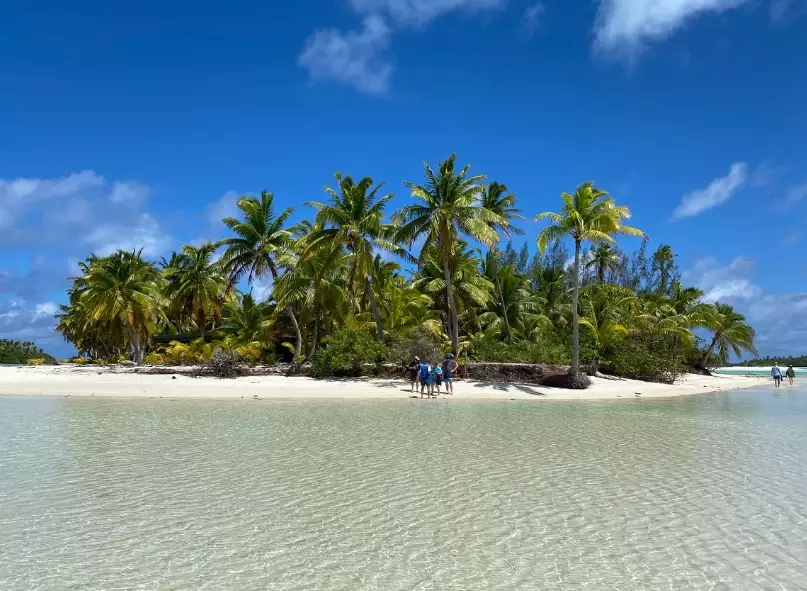
Your Burning Questions, Answered
Here are the things you're probably typing into Google right now.
Final Verdict: So, Should You Go?
Look, the Cook Islands isn't for everyone. The distance and cost create a natural filter. But that's also its superpower.
For the right traveler, it's not just good—it's transformative. It's one of the last places where tourism hasn't overwhelmed the local culture and environment. You're a guest, not an intrusion. The beauty is raw and real, not manufactured.
Ask yourself: Are you paying for a checklist of attractions, or are you paying for a feeling? For space, for peace, for crystal-clear water that seems to glow from within, for the sound of ukuleles at a Sunday church service, for the taste of fruit picked that morning?
If it's the latter, then yes, the Cook Islands is profoundly good for tourists. It's a reminder of what travel can be at its best. Just pack your patience, your sunscreen, and a wallet that's ready for the adventure of a lifetime. And maybe some instant coffee.
Meitaki ma'ata for reading. Now go check flight prices.


Comments
Join the discussion