Your Journey Map
- Getting Your Bearings: When to Go, Budgets, and Logistics
- The Heart of Spain Tourism: Where to Go and What to See
- Living Like a Local: Food, Culture, and Unwritten Rules
- Digging Deeper: Sustainable and Off-the-Beaten-Path Spain Tourism
- Your Spain Tourism Questions, Answered
- Wrapping It Up: Your Spain Awaits
Let's be honest. When you think of Spain tourism, your mind probably jumps to plates of paella, frantic flamenco, and crowded beaches in the Costa del Sol. And sure, those things exist. But if that's all you experience, you're missing about 90% of what makes this country utterly captivating, and honestly, a bit addictive. I've lost count of how many times I've been back, gotten lost in tiny white villages, stumbled upon a festival nobody's heard of, or had a conversation in a tapas bar that went on until 3 AM. Spain gets under your skin. It's chaotic, passionate, deeply regional, and surprisingly diverse. This guide isn't about recycling the same top 10 lists. It's about helping you plan a trip that feels real, whether it's your first visit or your fifth.
We're going to dig into the practical stuff—when to go, how much it really costs, how to get around without losing your mind. Then we'll go deeper. We'll talk about the iconic spots you can't miss (and how to see them without the worst crowds), the regions most tourists overlook, the food rules you need to know, and the cultural quirks that'll save you from a faux pas. Consider this your one-stop shop for planning an authentic Spanish adventure.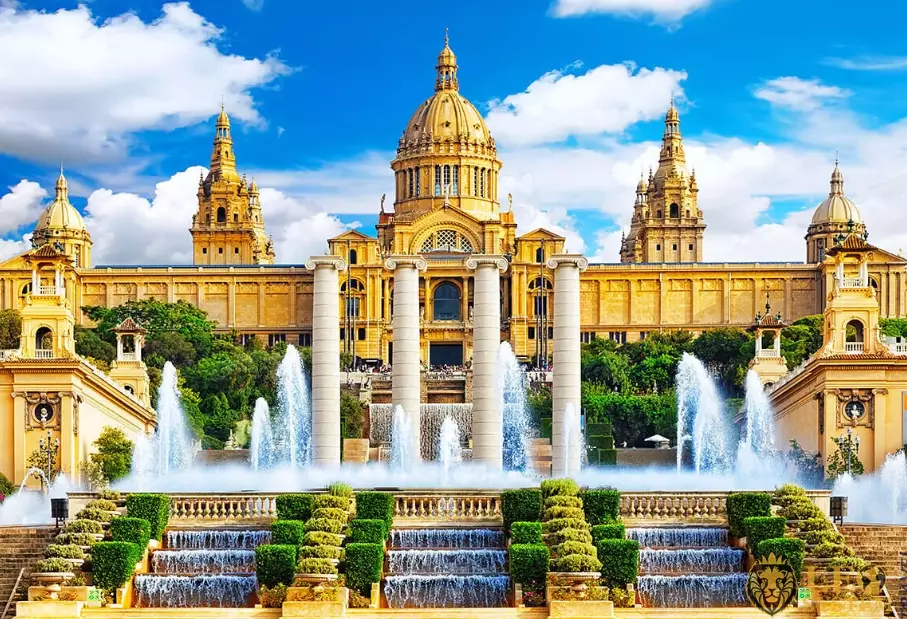
Getting Your Bearings: When to Go, Budgets, and Logistics
Jumping straight into dreamy destinations is fun, but let's get the nitty-gritty out of the way first. Nothing ruins a trip faster than being there at the wrong time or running out of money by day three.
The Best (and Worst) Time for Your Spain Trip
Spain isn't a monolith. The weather in Galicia is a world away from Andalusia. So "best time" depends entirely on what you want.
For most people, the sweet spots are late spring (May to early June) and early autumn (September to October). The weather is glorious—warm, sunny, but not scorching. The crowds are manageable, especially if you avoid school holidays. Everything is open. It's perfect for city exploring, hiking, and coastal drives. I did a road trip through Catalonia and Aragon in October, and the light was golden, the vineyards were turning, and I mostly had the places to myself.
Summer (July-August) is peak season for a reason—everyone's on holiday. The beaches are packed, cities like Seville and Cordoba feel like ovens (I'm talking 40°C/104°F+), and prices are at their highest. But! If your dream is a Mediterranean beach holiday with a buzzing nightlife, this is your window. Just book everything well in advance. Winter is underrated, especially in the south and the cities. Madrid and Barcelona in December are magical with Christmas markets. You can ski in the Pyrenees or Sierra Nevada. And you'll have places like the Alhambra almost to yourself. Just pack for rain in the north and cooler temps.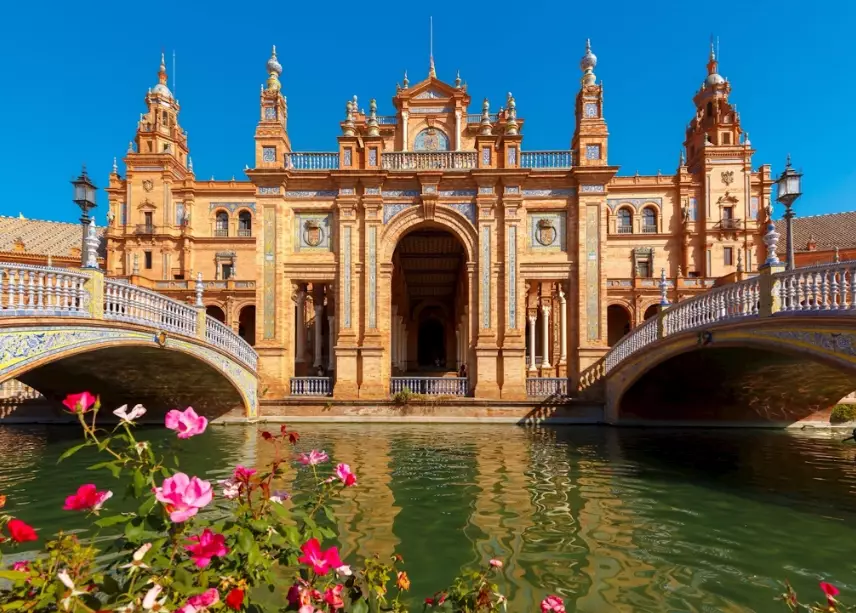
Local Tip: Watch out for local holidays! Semana Santa (Holy Week) and local fiestas (like San Fermín in Pamplona or Las Fallas in Valencia) can book out entire cities and send prices soaring. Check the calendar on the official Spain Tourism Board website before you lock in dates.
Let's Talk Money: A Realistic Spain Tourism Budget
Spain can be incredibly affordable compared to its northern European neighbors, but costs vary wildly. A weekend in a boutique hotel in San Sebastián is a different universe from a month in a rural casa rural. Here's a rough breakdown to help you plan.
| Budget Style | Accommodation (per night) | Food & Drink (per day) | Activities & Transport | Daily Estimate (per person) |
|---|---|---|---|---|
| Budget Backpacker | Hostel dorm (€20-35) / Budget guesthouse | Supermarket picnics, menú del día, tapas hopping (€25-35) | Public transport, free walking tours, museum free hours | €55 - €80 |
| Comfort Traveler | 3-star hotel / private Airbnb (€80-150) | Mix of tapas bars, casual restaurants, some nice dinners (€40-60) | Paid tours, intercity trains, entry to major sites | €130 - €230 |
| Luxury Experience | 4/5-star hotel or luxury parador (€200+) | Fine dining, premium wine tastings (€100+) | Private guides, car rental, exclusive experiences | €350+ |
A few things nobody tells you: The menú del día (menu of the day) is your best friend for lunch. For €10-€15, you get a starter, main, dessert, drink, and bread. It's a steal and where locals eat. Tapas aren't free everywhere. In Granada and parts of Andalusia, yes, you get a free tapa with your drink. In Madrid or Barcelona, you usually order and pay for them. And those famous sites? They cost. Booking the Alhambra, Sagrada Família, or Park Güell online in advance is non-negotiable and will save you hours in line.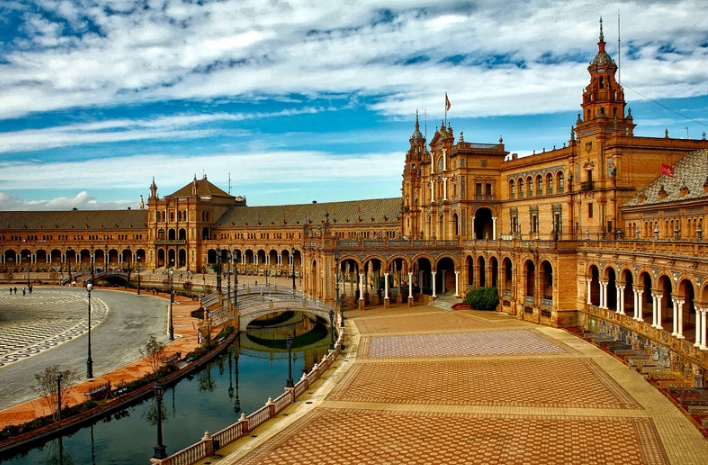
Getting Around: Trains, Planes, and Automobiles
Spain's transport network is excellent. For long distances, the high-speed AVE train is a dream. It's fast, comfortable, and city-center to city-center. You can book tickets on Renfe's website. It's not always cheap, but booking early gets big discounts. For shorter hops, consider the cheaper but slower regional trains or the extensive bus network (ALSA is the main company).
Flying domestically can be cheap with low-cost carriers like Vueling or Ryanair, but factor in time and cost to/from airports, which are often far out.
Now, driving. Renting a car is the absolute key to unlocking the real Spain tourism experience—the hidden villages, the empty coastal roads, the national parks. The roads are great. But be warned: city driving is stressful, parking is a nightmare and expensive, and those charming old towns have streets designed for donkeys, not SUVs. My advice? Use trains between major hubs, then rent a car for 3-4 days to explore a specific region like Andalusia, the Basque Country, or the Pyrenees.
Watch Out: If you do drive, know that rental cars are almost always manual transmission. Automatics exist but cost significantly more and must be booked far in advance. Also, toll roads (autopistas de peaje) are common, especially along the Mediterranean coast, and can add up quickly.
The Heart of Spain Tourism: Where to Go and What to See
Okay, logistics sorted. Now for the fun part. Spain's diversity is its superpower. Here’s how to think about its regions.
The Heavy Hitters: Cities You Can't Miss
These are the classics for a reason. Don't try to do them all in one trip unless you have a month.
- Madrid: The vibrant, no-sleep capital. It's less about a single iconic monument and more about the energy. The Prado Museum is world-class (go see Goya's "Black Paintings"—they're haunting). Retiro Park is a Sunday afternoon paradise. But Madrid's soul is in its neighborhoods: Malasaña for hipster vibes, La Latina for the ultimate Sunday tapas crawl, and the elegant Salamanca district. It feels more lived-in than some other European capitals.
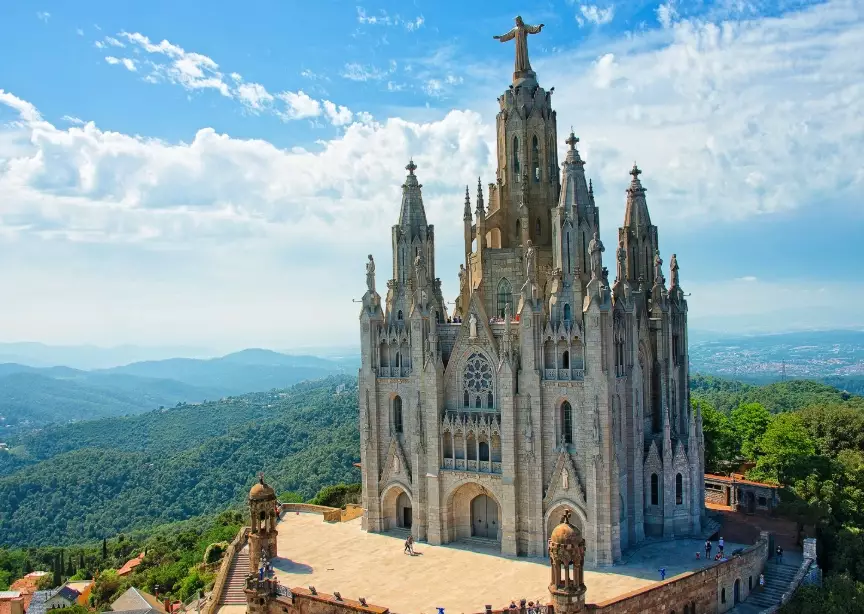
- Barcelona: Gaudi's playground. The Sagrada Família is mind-blowing inside (the ticket is worth every euro). Park Güell is whimsical. But get away from the Ramblas. Explore the Gothic Quarter's maze, eat in Gràcia, and watch the sunset from Bunkers del Carmel. A word of caution: pickpocketing is a real, professional sport here. Be super vigilant.
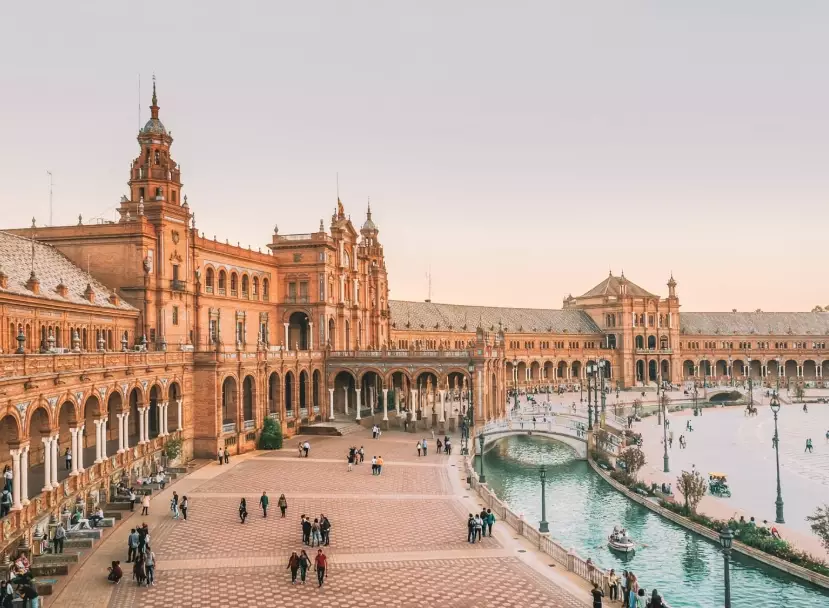
- Seville: The postcard of Andalusia. The Real Alcázar is straight out of a fairy tale (book ahead!). The cathedral is massive. But just wandering the Santa Cruz neighborhood, catching a flamenco show in a tiny tablao (not the big touristy ones), and eating pescaíto frito (fried fish) by the river is the real magic. It's fiercely proud and dripping with atmosphere.
- Granada: For the Alhambra. This Moorish palace complex is arguably Spain's single most impressive site. Booking tickets the *second* they become available (months ahead) on the official site is your most important task. The Albayzín neighborhood, with its narrow streets and tea houses, is the perfect complement.
Beyond the Cities: Coast, Countryside, and Culture
This is where Spain tourism gets really interesting. Pick one or two regions to dive deep.
Andalusia: The soul of southern Spain. Beyond Seville and Granada, don't miss Córdoba's mesmerizing Mezquita, the sherry bodegas of Jerez, and the white villages (Pueblos Blancos) like Ronda and Arcos de la Frontera. The pace is slower, the sun is hotter, the people are incredibly welcoming.
The Basque Country: A world apart. San Sebastián is a foodie heaven with more Michelin stars per square meter than almost anywhere, and its pintxo (the Basque version of tapas) culture is an art form. Bilbao is gritty and cool, transformed by the Guggenheim. The green, rolling hills and coastline are stunningly different from the Spanish south.
Catalonia: Beyond Barcelona. The Costa Brava has rugged coves and charming towns like Cadaqués (where Dalí lived). The Pyrenees offer incredible hiking. And the monastery of Montserrat, rising dramatically from the plains, is a powerful spiritual and scenic site.
The North Coast (Green Spain): From Galicia to Basque Country, this is rainy, lush, and dramatic. Santiago de Compostela is the epic end point of the Camino pilgrimage. The Picos de Europa mountains are spectacular. The food is hearty—think seafood, cider, and stews. It feels remote and untouched.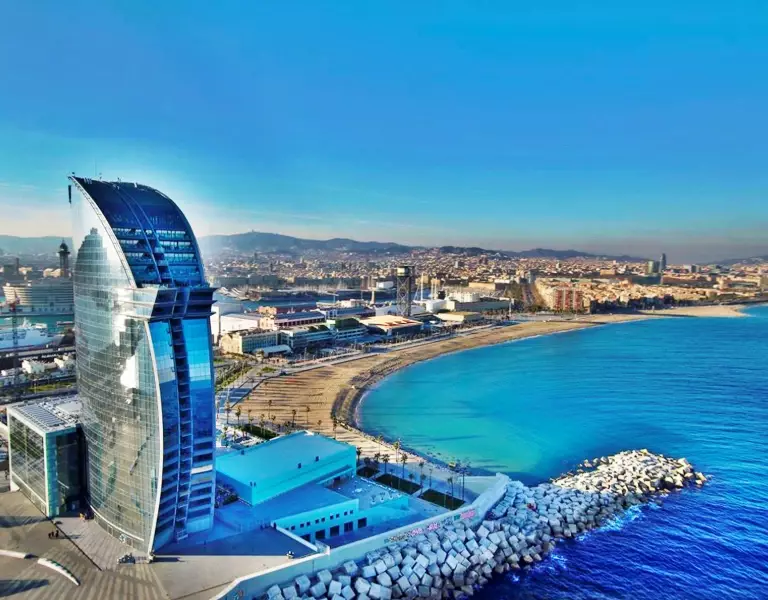
"The mistake is to see Spain as a single country. It's a federation of tiny kingdoms, each with its own language, food, and personality. The joy is in discovering those differences."
Living Like a Local: Food, Culture, and Unwritten Rules
This is the stuff that turns a good trip into a great one. Embracing the local rhythm is everything.
The Sacred Spanish Schedule (and Food)
Your home timetable does not apply here. Breakfast (desayuno) is light—coffee and a pastry. Lunch (comida) is the main event, eaten between 2 PM and 4 PM. This is when you get the menú del día. Then, siesta isn't just a cute myth; many smaller shops close until 5 or 6 PM. Dinner (cena) is late, rarely before 9 PM, and often after 10 PM. Tapas are for the pre-dinner drink (aperitivo) around 7 or 8 PM.
What to eat? Paella is from Valencia, and it's a lunch dish, not dinner. The best is eaten on Sundays with family. Jamón ibérico is a religion—look for "bellota" on the label for the top grade. Tortilla española (potato omelet) is a national treasure. And drink: try vermut (vermouth) as an aperitif, local wines (Rioja, Ribera del Duero, Albariño), and of course, sherry from Jerez.
Cultural Etiquette: Do's and Don'ts
- Do greet people with a friendly "Hola" when entering a small shop or bar.
- Do try to speak a few words of Spanish. Even a simple "por favor" (please) and "gracias" (thank you) goes a long way. In Catalonia, Basque Country, or Galicia, a "bon dia," "kaixo," or "grazas" is appreciated.
- Don't expect service to be fast-paced. Meals are to be lingered over. The bill won't come until you ask for it ("la cuenta, por favor").
- Don't tip like in the US. Rounding up the bill or leaving a few euros is fine. 5-10% in a very nice restaurant is generous.
- Do dress appropriately for churches—cover shoulders and knees.
Digging Deeper: Sustainable and Off-the-Beaten-Path Spain Tourism
Overtourism is a real problem in Barcelona, the Balearic Islands, and parts of Andalusia. But Spain is huge. Consider these alternatives.
Instead of the packed Costa del Sol, look at the Costa de la Luz in Andalusia (windswept beaches, fewer resorts) or the Asturian coast in the north. Instead of just Madrid, visit the surrounding historic towns like Toledo (a stunning medieval city on a hill) or Segovia (with its Roman aqueduct).
Look into the paradores. These are a state-run network of hotels, often in converted historic buildings like monasteries, castles, and palaces. Staying in one is a unique experience and helps fund the preservation of these sites. You can find them on the Paradores de Turismo website.
Support local. Eat at family-run bars, not chains. Shop at local markets (like La Boqueria in Barcelona or Mercado de San Miguel in Madrid). Choose small-group tours with local guides.
My Personal Recommendation: The region of Extremadura, west of Madrid. It's one of Spain's least-visited areas, but it's packed with Roman ruins (Mérida), stunning medieval towns (Cáceres is a UNESCO gem), and dehesa landscapes where the famous Iberian pigs roam. I spent a week there and felt like I had discovered a secret.
Your Spain Tourism Questions, Answered
Wrapping It Up: Your Spain Awaits
Planning your Spain tourism adventure might feel overwhelming because there's just so much on offer. My biggest piece of advice? Don't try to see it all. Choose one or two regions, give yourself time to wander without a strict schedule, embrace the late nights, and say yes to conversations with locals. Spain rewards the curious traveler. It's a country that reveals its secrets slowly, over a long lunch, in a quiet plaza, or on a winding road through olive groves. Do your research, book the big tickets early, but leave plenty of room for the unexpected. That's where the real magic happens.
Buen viaje!


Comments
Join the discussion