Your Fiji Journey Map
- Why Fiji? Beyond the Obvious
- When to Go: Timing Your Fiji Adventure
- Budgeting for Fiji: Let's Talk Real Numbers
- Choosing Your Fiji: A Guide to the Major Islands
- Putting It All Together: Sample Itineraries
- The Nitty-Gritty: Practical Tips No One Tells You
- Fiji Tourism: Facing the Realities (The Not-So-Perfect Bits)
- Your Fiji Tourism Questions, Answered
Let's be honest. When you think of Fiji tourism, you probably see those perfect Instagram shots of overwater bungalows and cocktails with little umbrellas. And sure, that's part of it. But there's so much more – and also, a few things those glossy pictures don't tell you. I've been a few times now, for different reasons (honeymoon, solo trip, family holiday), and each time I discovered something new. This isn't a generic list of islands. This is me trying to save you the headaches I had figuring things out, so you can just enjoy the incredible "Bula" spirit.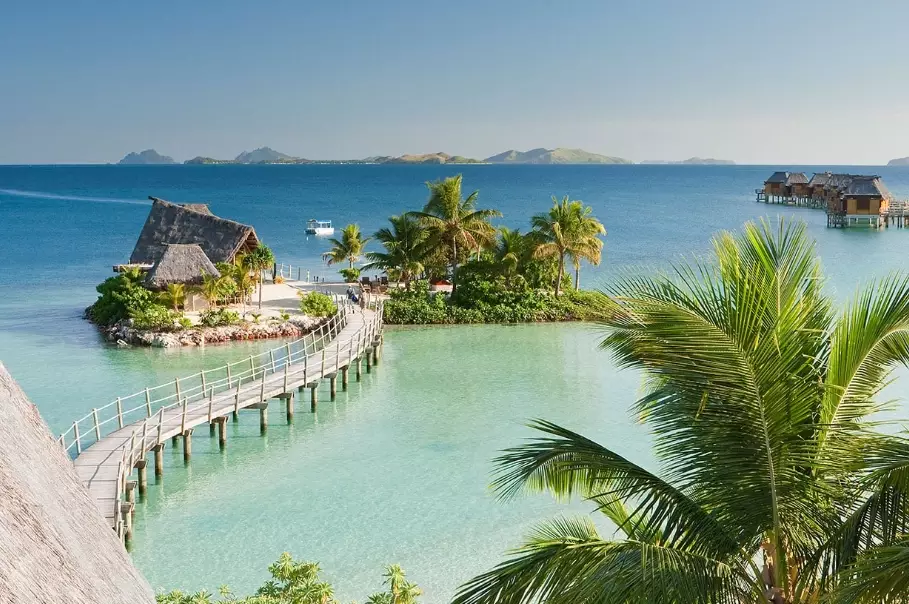
Planning a trip to Fiji can feel like trying to navigate a maze blindfolded. Over 300 islands? Where do you even start? Is it all crazy expensive? What's the deal with the weather? I remember staring at a map, utterly confused about the difference between the Mamanucas and the Yasawas. So, let's break it all down, without the fluff.
The Core of Fiji Tourism: It's not just a place; it's a feeling. The famous Fijian hospitality is real. The smiles are genuine. It's the feeling of being welcomed, not just processed as a tourist. That's the magic you're really booking.
Why Fiji? Beyond the Obvious
Everyone talks about the beaches. And yes, they are stunning – soft coral sands, water in fifty shades of blue. But focusing only on that is like buying a book for its cover. The real draw for me has always been the people. The driver who tells you stories about his village. The resort staff who remember your name on day two. The kids playing rugby on the beach who wave like you're their long-lost friend.
Then there's the diving and snorkeling. The Great Astrolabe Reef near Kadavu is a world-class site, but even just off the beach of a modest resort, the coral can be breathtaking (though note, some areas have suffered from bleaching – more on that later). The culture is vibrant and accessible. A visit to a local village (always arranged respectfully through a guide) is a humbling and joyful experience, not a tourist trap.
It's also surprisingly versatile. You can go full luxury at a place like Laucala Island, or you can backpack through the Yasawas on a budget. You can find total seclusion or a family-friendly resort with kids' clubs. That flexibility is a huge plus.
When to Go: Timing Your Fiji Adventure
This is crucial. Get it wrong, and you could be stuck indoors watching rain. The Fiji tourism calendar has two main seasons, and they're not just about temperature.
| Season | Timeframe | Pros | Cons | Who It's For |
|---|---|---|---|---|
| Dry Season | May to October | Sunshine, lower humidity, less rain, ideal for outdoor activities and diving. | Peak prices, more tourists, need to book well in advance. | First-timers, families, honeymooners who want guaranteed weather. |
| Wet Season | November to April | Lush green landscapes, fewer crowds, significantly cheaper deals. | Higher humidity, heavy but often short-lived rainfall, risk of cyclones (especially Jan-Feb). | Budget travelers, repeat visitors, those who don't mind a tropical shower. |
The shoulder months (April and November) can be a sweet spot. You might catch some good weather and lower rates. I went in late November once and had a mix of spectacular sunny days and a few epic, tropical downpours that lasted an hour. The rain made everything smell incredible, and the prices were fantastic.
But be very careful about December to February.
The official Fiji Meteorological Service is your best friend for checking cyclone warnings. I wouldn't risk a big, non-refundable trip during peak cyclone season unless I was very flexible. The savings aren't worth the stress.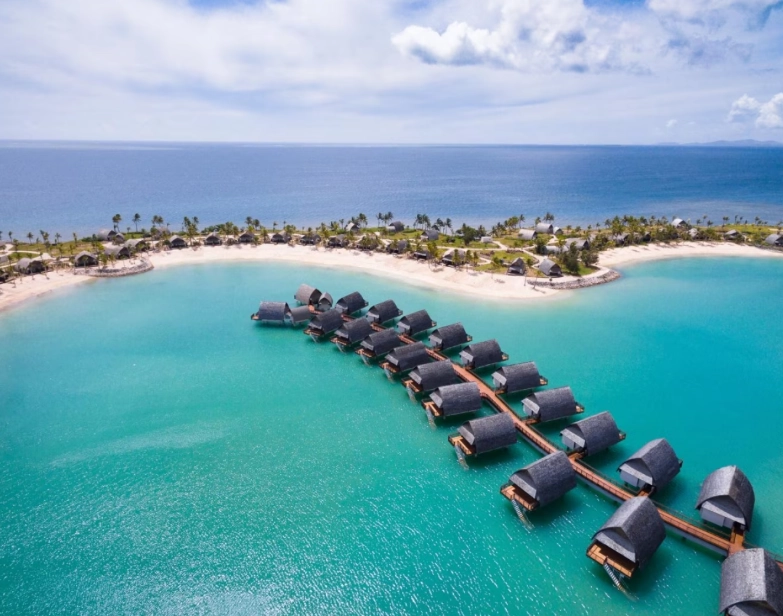
Budgeting for Fiji: Let's Talk Real Numbers
Okay, the elephant in the room. Is Fiji tourism expensive? It can be, but it doesn't have to break the bank. It's all about choices. You can have a $1000-a-night experience or a $100-a-night one. The key is understanding where the costs are.
The Flight: This is often the biggest chunk. From the US West Coast or Australia, you're looking at a long flight. Shop around, be flexible on dates, and consider flying into Nadi (NAN) – the main international hub. Sometimes flying via Australia or New Zealand can offer deals.
Accommodation: This is your main lever. Resorts on small, private islands are premium. Staying on Viti Levu (the main island) is cheaper. Hostels and guesthouses exist, especially in places like Suva or the Coral Coast. Think about what you need. Do you require a private pool, or is a clean room steps from the beach enough?
Food & Drink: Eating at resort restaurants every meal will add up fast. A simple resort burger can be FJD $40-50 (around USD $18-22). My strategy? Book accommodation that includes breakfast. For lunch or dinner, try the local "curry houses," markets (the Suva Municipal Market is an experience), or even the small shops selling roti wraps. The food is delicious and authentic. A bottle of Fiji Bitter at a local bar is a fraction of the resort price.
Inter-island Transport: This can sneak up on you. A seaplane or helicopter transfer to a remote island is breathtakingly beautiful but also breathtakingly expensive. The Yasawa Flyer catamaran is a much more budget-friendly way to island-hop. Ferries are slower but cheaper. Do your transport math before you fall in love with a remote island resort.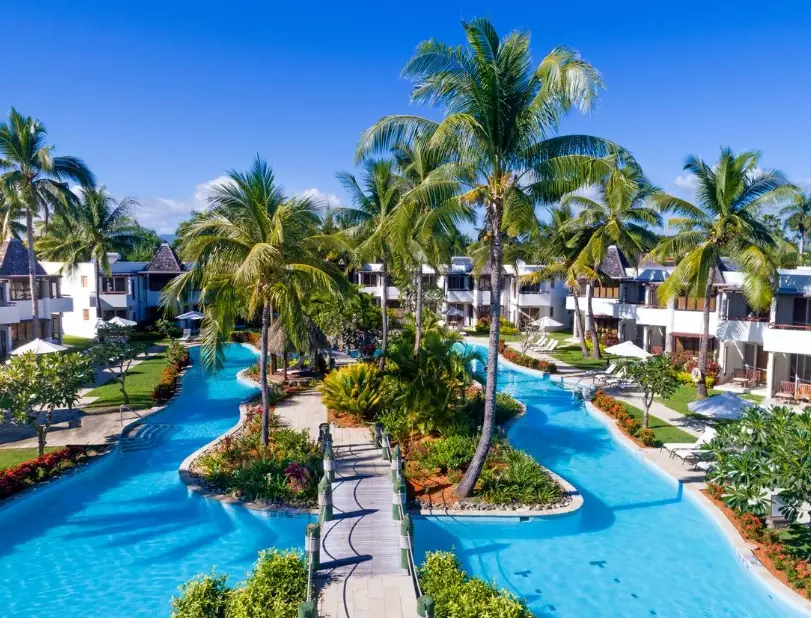
Budget Tip: Look for "Bula" offers or "stay 4, pay 3" deals, especially in the wet season. Many Fiji tourism operators run specials. Also, consider a travel package that bundles flights and stays – sometimes they have buying power you don't.
Choosing Your Fiji: A Guide to the Major Islands
This is the heart of planning your Fiji trip. You can't do them all in one go, so you need to pick based on your travel style.
Viti Levu: The Main Island
Where you'll fly into. Don't just rush to get off it. The Coral Coast on the south has some great, more affordable beachfront resorts. The Pacific Harbour area is the "Adventure Capital" with white-water rafting and zip-lining. Suva, the capital, is a bustling, humid, fascinating mess of a city with great museums (like the Fiji Museum) and a real local vibe. It's not pretty in a postcard way, but it's real. Nadi town is functional – useful for banks and shops before you island-hop. Denarau is the manicured, gated resort area. Good for a one-night stopover, but as I said, it doesn't feel like the real Fiji to me.
The Mamanuca Islands
These are the postcard islands close to Nadi. Think Malolo, Mana, and the famous Cloudbreak surf spot. Pros: Easy access (fast catamarans or even a helicopter hop). Great for families and first-timers. Cons: Can feel busy. The reefs have seen pressure. It's the most developed island group for Fiji tourism. If you want convenience and a wide choice of resorts, this is it.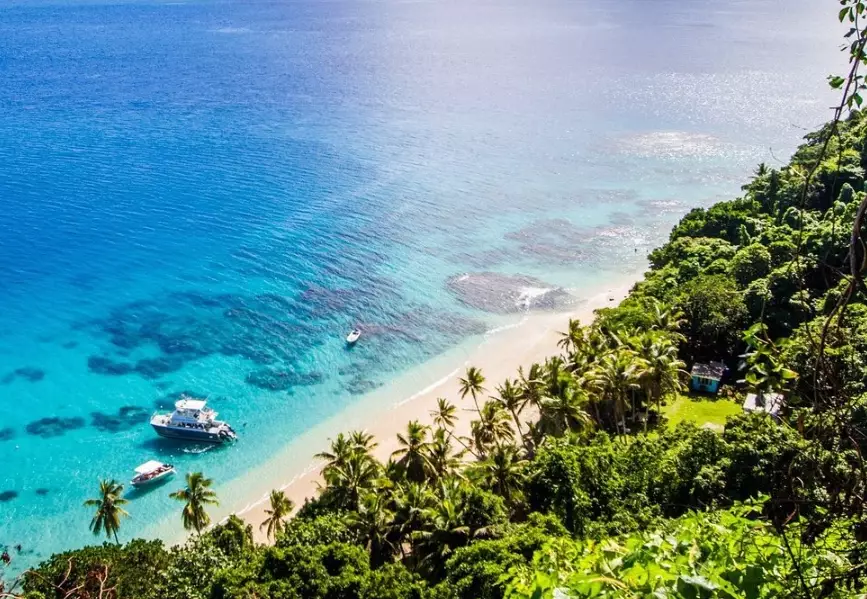
The Yasawa Islands
North of the Mamanucas, these are longer, skinny islands with dramatic landscapes. The Blue Lagoon is here. Pros: More rugged, less developed, fantastic hiking, and some of the best beaches period. The backpacker boat culture is strong here – you can buy a pass and hop on/off. Cons: Fewer luxury options, longer boat rides, some places can be very basic.
Vanua Levu & Taveuni: "The Garden Island"
If you're looking to get way off the beaten path, this is it. Taveuni is lush, rainy, and stunning. The hiking in Bouma National Heritage Park is incredible, leading you to waterfalls you can swim under. The snorkeling at the Rainbow Reef is world-class. This is for adventurers, divers, and people who don't need a cocktail bar every 100 meters. You'll need to take a domestic flight from Nadi.
Kadavu & the Lau Group
For the truly intrepid. Kadavu is all about the Great Astrolabe Reef – a diver's paradise. The Lau Group is remote, culturally rich, and requires special permission and careful planning. This isn't for your first Fiji trip, but it's the dream for a serious second or third visit.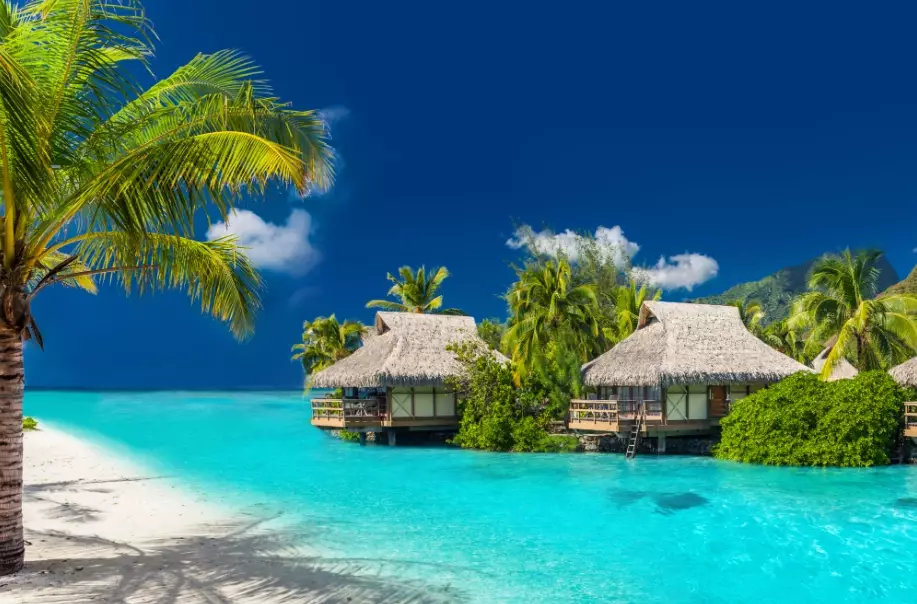
See what I mean? Your choice of island defines your trip.
Putting It All Together: Sample Itineraries
Let's get practical. Here are a few ways to structure your Fiji tourism adventure based on time and style.
The 7-Day "First Taste" Itinerary
- Days 1-2: Land in Nadi. Recover from jetlag on the Coral Coast. Visit the Sigatoka Sand Dunes or a local farm.
- Days 3-6: Take an early catamaran to a resort in the Mamanucas (like Malolo Island). Spend four days swimming, snorkeling, maybe trying a jet-ski tour, and doing a day trip to Cloud 9, the floating pizza bar.
- Day 7: Return to Nadi, do last-minute souvenir shopping at the market, fly out.
The 10-Day "Island Hopper" Itinerary
- Days 1-2: Arrive, overnight in Nadi or Denarau to adjust.
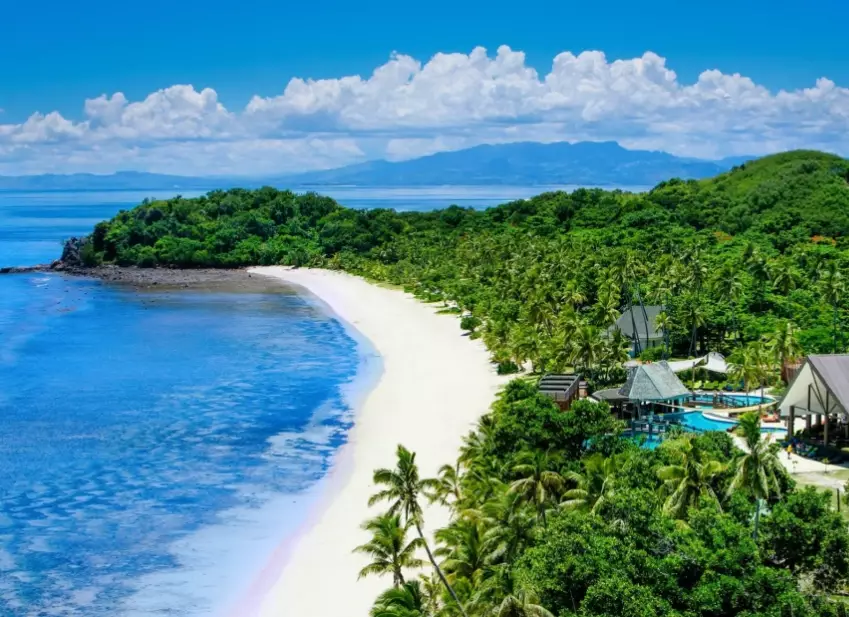
- Days 3-10: Buy a Bula Pass for the Yasawa Flyer. Spend 1-2 nights on 3-4 different islands (e.g., Beachcomber for party vibes, Mantaray Island for snorkeling with mantas in season, Blue Lagoon for that iconic beach). This is active but gives you a real feel for the diversity.
The 14-Day "Deep Dive" Itinerary
- Days 1-3: Explore Viti Levu – Pacific Harbour for rafting, Suva for culture.
- Days 4-7: Fly to Taveuni (approx. 1.5 hours). Hike, waterfall swim, and dive the Rainbow Reef.
- Days 8-14: Fly back to Nadi, then transfer to a remote luxury resort in the Mamanucas or Yasawas for pure relaxation to end the trip.
The Nitty-Gritty: Practical Tips No One Tells You
This is the stuff you learn the hard way. Let me save you the trouble.
Getting Around: On Viti Levu, taxis are common but agree on a price before you get in. Buses are cheap, slow, and an adventure – great for short hops along the Coral Coast. Car rentals are possible but driving is on the left, and roads outside cities can be... interesting. For inter-island, book ferries in advance in peak season.
Money: The Fijian Dollar (FJD) is the currency. Credit cards are widely accepted in resorts, but cash is king in villages and small shops. ATMs are in towns. Tell your bank you're traveling.
Health & Safety: Fiji is generally very safe. Petty theft can happen in cities – use common sense. Tap water in major resorts and towns is usually treated and safe to drink, but bottled water is cheap if you're unsure. Sunscreen and insect repellent are non-negotiable. Check the latest health advice from your government, like the Australian Smart Traveller or U.S. State Department sites for official updates. These are essential links, always check them before you go.
Culture & Etiquette: This is important. Fijians are wonderfully friendly but also respectful. When visiting a village:
- Always bring a gift of kava (yaqona) for the chief. Your tour guide will arrange this.
- Dress modestly (covered shoulders, sulu or sarong below the knee).
- Remove your hat when entering a village.
- Speak softly, and don't raise your voice.
- Ask permission before taking photos of people.
It's not about rules; it's about respect. Participating in a kava ceremony is a privilege. The taste is... earthy (like muddy water), but it's about the communal experience.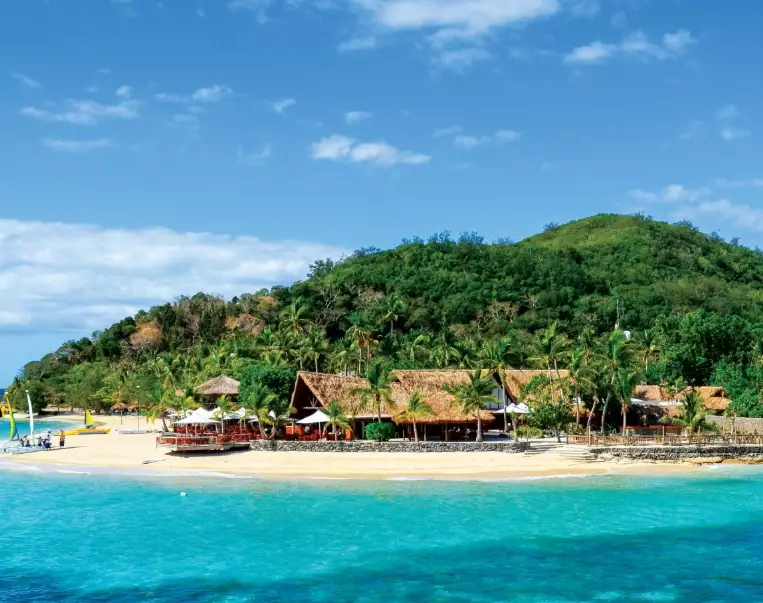
Packing Tip: Pack light, casual clothes. Resort wear is casual. A rash guard for snorkeling is a must to protect from sun and coral. A sarong (sulu) is incredibly versatile – use as a beach cover-up, towel, or for village visits.
Fiji Tourism: Facing the Realities (The Not-So-Perfect Bits)
I want to be balanced. It's not all paradise without challenges.
Coral Bleaching: Climate change is real. Some reefs, especially in the more frequented Mamanucas, have suffered bleaching events. It's heartbreaking to see. The Fiji tourism industry is aware, and many operators are involved in reef restoration projects. When choosing a resort, ask about their conservation efforts. Places like the Fiji Marine Science hub are doing great work. Opt for reef-safe sunscreen (mineral-based, not chemical).
Plastic Pollution: You might see plastic debris on some windward beaches. It's a sad global ocean issue. Some resorts organize beach clean-ups you can join.
Development vs. Tradition: The push for more Fiji tourism can strain local resources and culture. This is why choosing responsible operators who give back to local communities is so important. Look for resorts that employ locally, source food locally, and support village projects.
Being an informed traveler is part of the solution.
Your Fiji Tourism Questions, Answered
I get asked these all the time by friends planning their trip.
So, there you have it. The real guide. Not just the shiny bits, but the real ones. Fiji tourism has something for everyone, but the key is to match the islands to your vibe. Do your homework on the seasons, be smart about your budget, and most importantly, embrace the "Bula" spirit. Leave your watch at home, slow down, and smile. You're in Fiji now.

Comments
Join the discussion