Your Morocco Journey at a Glance
- When is the Absolute Best Time to Visit Morocco?
- Unmissable Destinations and How to String Them Together
- Let’s Talk Money: A Realistic Budget for Morocco Travel
- Navigating Culture and Etiquette: Do’s and Don’ts
- Safety, Health, and Getting Around
- Answering Your Burning Questions (FAQs)
- Final Thoughts: Crafting Your Perfect Morocco Itinerary
So, you’re thinking about a trip to Morocco. Good choice. It’s one of those places that sticks with you. The smell of spices in the air, the sound of the call to prayer echoing through narrow alleys, the vast silence of the Sahara at night… it gets under your skin. But I’ll be honest, planning a trip here can feel a bit overwhelming. Where do you even start? The bustling souks of Marrakech, the blue streets of Chefchaouen, or the vast dunes of the Erg Chebbi?
This guide isn’t just a list of places. It’s the kind of advice I wish I’d had before my first trip. We’re going to talk about the practical stuff—when to go, how much it costs, how not to get hopelessly lost in the medina—and the magic you can’t find in a guidebook. Think of this as your roadmap for navigating the beautiful chaos that is Morocco tourism.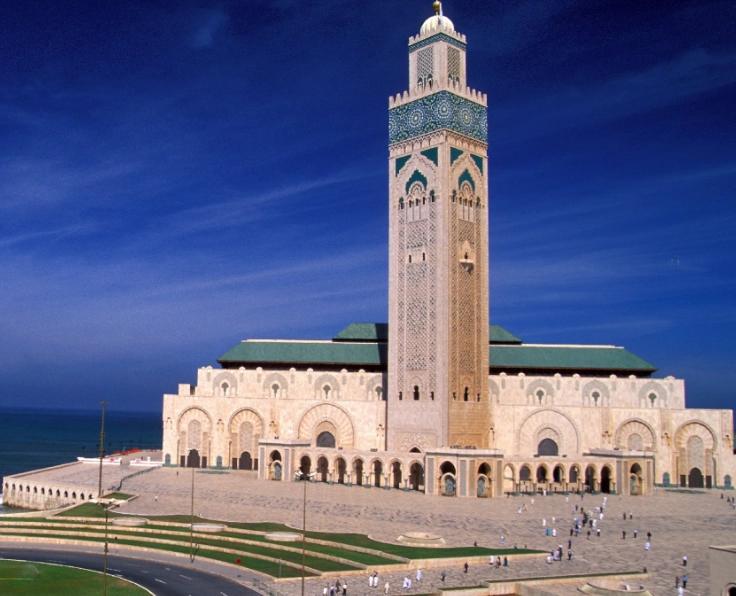
When is the Absolute Best Time to Visit Morocco?
This is probably the first question everyone asks, and the answer is: it depends entirely on what you want to do. Morocco’s weather isn’t uniform; the coast is mild, the mountains get cold and snowy, and the desert is, well, a desert. Picking the wrong season for your chosen adventure can make or break your trip.
For most first-timers aiming to hit the classic Morocco tourism circuit—Marrakech, Fes, the Sahara—the sweet spots are spring (March to May) and autumn (September to November). The days are warm and sunny, but not scorching, and the nights are pleasantly cool. It’s perfect for wandering without melting.
| Season | Months | Weather & Conditions | Best For | Things to Consider |
|---|---|---|---|---|
| Spring | March - May | Mild to warm (15-25°C / 59-77°F). Pleasant, sunny days. Flowers in bloom. | City exploration, hiking in the Atlas Mountains, desert tours. | Can be busy around Easter. Book desert camps in advance. |
| Summer | June - August | Hot to very hot (30-45°C / 86-113°F). Intense heat inland, cooler on coast. | Coastal towns like Essaouira and Asilah. Avoiding crowds inland. | Marrakech and Fes can be unbearably hot. Desert tours are very challenging. |
| Autumn | September - November | Warm, cooling down (20-28°C / 68-82°F). Clear skies, comfortable. | All activities. Ideal for first-time visitors. Harvest season. | Another peak season. Prices can be higher than spring. |
| Winter | December - February | Cool, cold nights (5-18°C / 41-64°F). Snow in the mountains, chilly desert nights. | Skiing in the Atlas, exploring cities without crowds, photography. | Some riads lack heating. Desert nights are freezing. Pack warm layers. |
Summer in Marrakech? Let’s just say I made the mistake of arriving at noon in July once. The heat hits you like a wall. It’s intense. But if you’re dreaming of a beach holiday, Essaouira in summer is perfect—windy and fresh.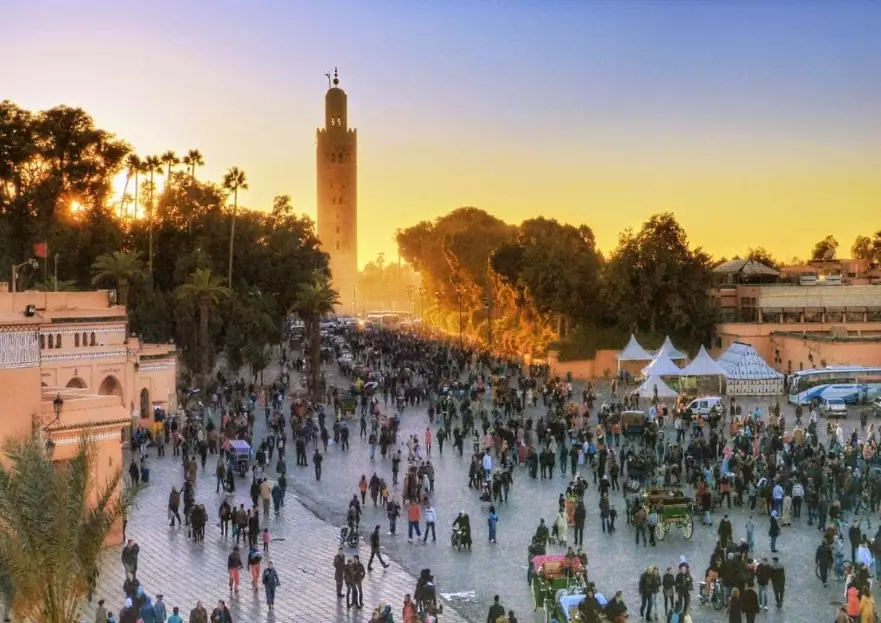
Local Tip: Ramadan is a beautiful time to visit culturally, but it changes the rhythm of everything. Many restaurants close during daylight hours, and travel can be slower. Check the dates (they change yearly) on the official Moroccan government portal.
Unmissable Destinations and How to String Them Together
Right. You’ve got limited time. How do you choose? You can’t see it all in one go, and honestly, you shouldn’t try. Morocco rewards slow travel. But if you’re on a classic 7-14 day trip, here’s how the main stops break down.
The Imperial Cities: Marrakech and Fes
Marrakech: The red city, the gateway for most. It’s loud, it’s chaotic, it’s utterly captivating. The main draw is the medina, a UNESCO World Heritage site, and the famous Jemaa el-Fnaa square. By day it’s a market, by night it’s a full-blown carnival of food stalls, storytellers, and musicians. It’s sensory overload in the best way.
But look beyond the square. The Bahia Palace and the Saadian Tombs showcase stunning Islamic architecture. The Majorelle Garden (now owned by Yves Saint Laurent’s foundation) is a serene, blue oasis. My advice? Get lost in the souks, but maybe not too lost. Have a general direction, not a specific route.
So, how do you navigate this sensory overload? Honestly, you embrace it. But set boundaries. The constant approaches from shopkeepers and “guides” can be exhausting. A polite but firm “La, shukran” (No, thank you) is your best friend. And for heaven’s sake, wear comfortable shoes. The streets are uneven.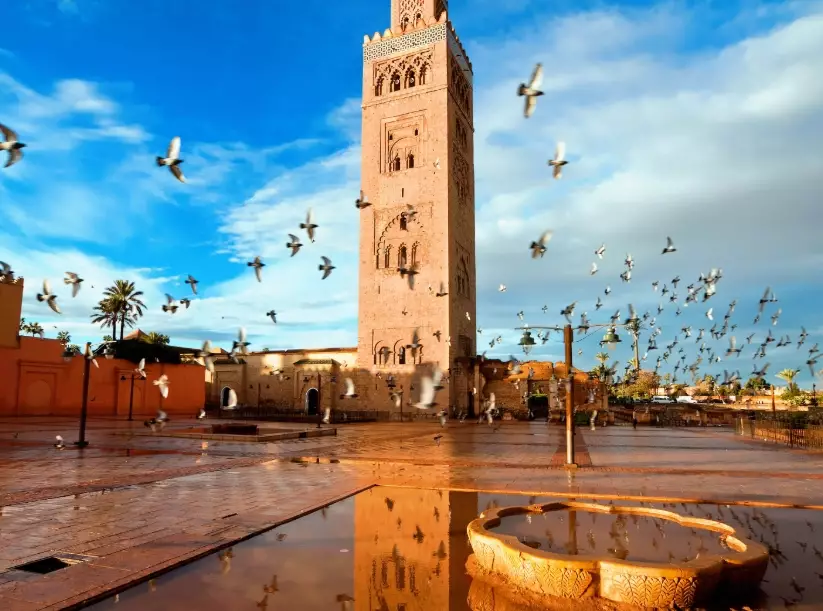
Fes: If Marrakech feels like a show, Fes feels like real life. It’s home to the world’s oldest university and arguably the most complete medieval city in the Arab world. The Fes el-Bali medina is a maze—a true, confusing, glorious maze. Don’t even try without a official guide for your first foray. I got hopelessly lost for two hours once, and while I found some amazing tucked-away bakeries, it was stressful.
The Chouara Tannery is the iconic photo spot. They’ll hand you mint leaves to counter the smell. It works, kinda. The views from the Merenid Tombs at sunset are unbeatable.
The Coast and the Blue Pearl
Need a break from the intensity? Head west.
Essaouira: This fortified port town is windswept, laid-back, and full of charm. The medina is right on the Atlantic, the seafood is fresh and cheap, and it’s just… easier. It’s a popular spot for windsurfing and kitesurfing. You can easily spend a couple of days here relaxing, exploring the ramparts, and enjoying the vibe. It’s a great contrast to the inland cities.
Chefchaouen: The famous Blue City in the Rif Mountains. Yes, it’s as photogenic as the Instagram pictures suggest. Every shade of blue you can imagine. It’s small, walkable, and has a very relaxed, almost hippie vibe. It’s a great place to unwind, do some light hiking in the surrounding hills, and just soak in the unique atmosphere. A word of caution—it has become extremely popular. Go early in the morning to get those iconic alley shots without the crowds.
The Call of the Desert: Merzouga vs. Zagora
No trip to Morocco is complete without seeing the Sahara. But which Sahara? Most tours from Marrakech offer two main options: Merzouga (Erg Chebbi dunes) and Zagora (Erg Chigaga).
Merzouga (Erg Chebbi): These are the classic, postcard-perfect, massive golden dunes. They’re taller and more dramatic. The standard experience involves a camel trek (about an hour) to a luxury desert camp, a night under the stars, and a sunrise camel ride back. It’s touristy, but for good reason—it’s spectacular. The silence out there is profound.
Zagora (Erg Chigaga): Further away, harder to reach (often requiring 4x4), but more remote and less visited. The dunes are flatter and spread over a larger area. This is for those seeking more solitude and a sense of true adventure. The journey is part of the experience.
Let’s Talk Money: A Realistic Budget for Morocco Travel
One of the biggest myths is that Morocco is dirt cheap. It can be, if you live like a backpacker. But for a comfortable trip with nice riads, guided tours, and good food, you need to budget wisely. It’s not Southeast Asia.
Here’s a breakdown for a mid-range traveler (think private rooms in nice riads, some guided tours, eating at a mix of local spots and nicer restaurants, using trains and grand taxis):
- Accommodation: A lovely riad in the medina will run you €50-€120 per night for a double room. You can find basic hostels for €10-€20, and luxury palaces for €300+.
- Food: Street food like a tagine or kebabs can cost 30-50 MAD (€3-€5). A meal in a decent restaurant is 100-200 MAD (€10-€20). Fancy riad dining? 300 MAD+.
- Transport: The train from Casablanca to Marrakech is about 150 MAD (€15) in second class. Grand taxis (shared long-distance taxis) are cheaper but less comfortable. Internal flights can save time.
- Tours & Activities: A day tour from Marrakech to the Atlas Mountains: ~€30-€50. A 3-day desert tour to Merzouga: ~€150-€300 depending on comfort level. Always, always haggle for any unlicensed guide service, but be reasonable.
So, for a 10-day trip for one person, excluding international flights, a comfortable mid-range budget is around €800-€1200. You can do it for half that if you’re strict, or double it easily for luxury.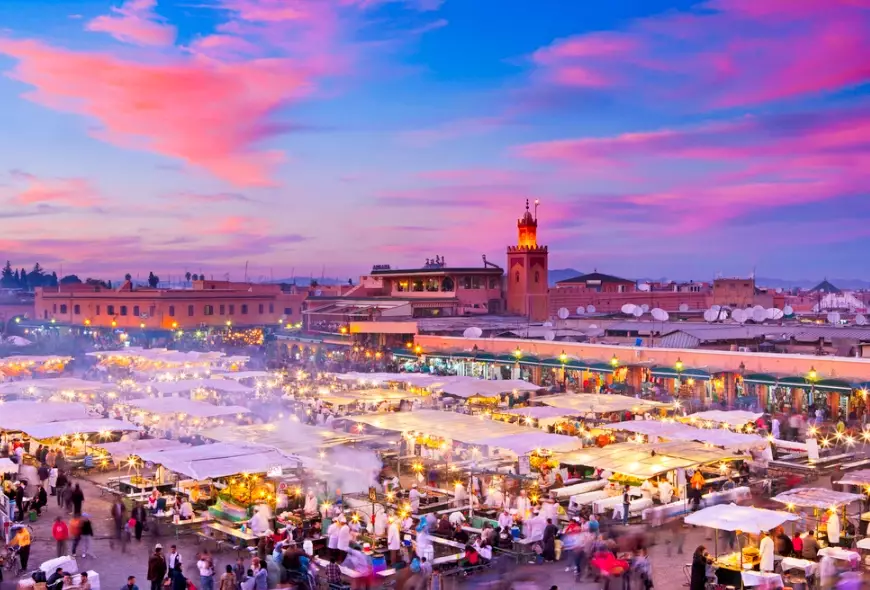
Cash is King: Outside major hotels and some restaurants in cities, you will need cash (Moroccan Dirhams - MAD). ATMs are widely available in cities. Carry small bills for tips, taxis, and small purchases. Haggling is expected in the souks; start at about 50% of the asking price and meet in the middle. Don’t haggle aggressively if you’re not serious about buying.
Navigating Culture and Etiquette: Do’s and Don’ts
Morocco is a Muslim country with a rich, conservative culture. Being respectful goes a long way in having positive interactions.
Dress Modestly: This is especially important for women, but applies to men too. Cover your shoulders and knees. In cities like Marrakech, you’ll see tourists in shorts, but you’ll attract less unwanted attention and show more respect if you cover up. Loose, lightweight linen or cotton pants and tops are perfect.
Religion and Ramadan: Public displays of affection are frowned upon. During Ramadan, avoid eating, drinking, or smoking in public during daylight hours out of respect for those fasting.
Photography: Always, always ask before taking a photo of a person. Many will ask for money. Don’t photograph military or government buildings.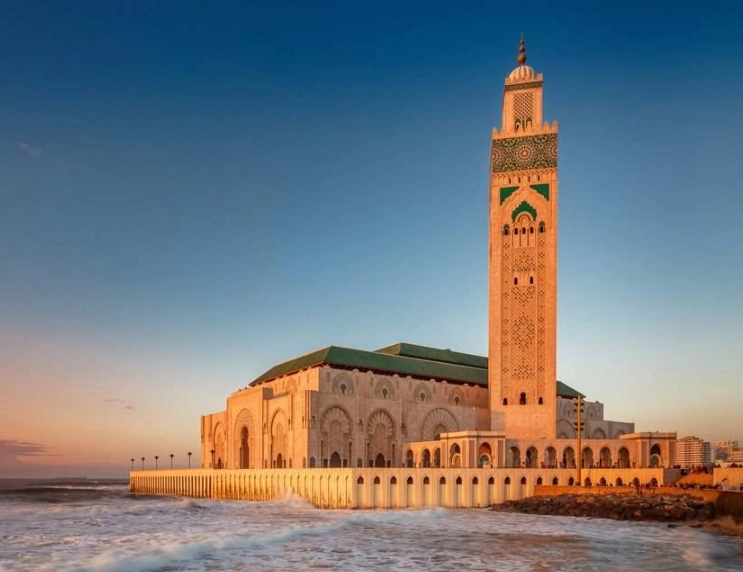
Language? A few Arabic or Berber phrases work wonders:
- As-salaam alaykum (Hello) – The universal greeting.
- Shukran (Thank you)
- La, shukran (No, thank you) – Your most-used phrase in the souk.
- Bslama (Goodbye)
- Shwiya (A little) – Useful when haggling or if food is too spicy.
French is widely spoken in tourist areas and cities. English is common in the medinas of Marrakech and Fes with shopkeepers, but less so in rural areas.
Safety, Health, and Getting Around
Is Morocco Safe for Tourists?
This is the number one concern I hear. In my experience, Morocco is very safe for travelers. Violent crime against tourists is rare. The main issues are petty scams and harassment.
Let’s be real, it can be intense.
You will be approached. Constantly. “Where are you going?” “My shop is just here.” “This way to the square is closed, follow me.” It’s not malicious, it’s a sales tactic, but it’s relentless. The best defense is confidence. Walk with purpose, even if you’re lost. Use Google Maps offline (it works surprisingly well in medinas). If you need help, ask a shopkeeper in their shop or a woman with children.
Official Resources: For the latest official travel advice, always check your government’s foreign travel website. For health advisories and requirements, the World Health Organization’s Morocco page is an authoritative source.
Health Tips
Drink bottled water. Always. “Morocco belly” is a real thing, often from the change in diet and spices as much as from water. I’d avoid salads and unpeeled fruit from street stalls unless you have a cast-iron stomach. Pharmacies are excellent and widely available for minor issues.
Transport: Trains, Taxis, and Buses
ONCF Trains: The train network connects the major cities on the Atlantic coast (Tangier, Rabat, Casablanca, Marrakech) comfortably and affordably. Book first class for guaranteed seating and more space. It’s a pleasant way to travel.
Grand Taxis: These are shared taxis (usually old Mercedes) that run fixed routes between cities and towns. You buy a seat. They leave when full. It’s cheap and authentic, but not always comfortable for long journeys.
Petits Taxis: The small city taxis. They have meters—insist they use it. In Marrakech, they are beige. In Casablanca, red. They can only operate within city limits.
Buses: CTM and Supratours are the main comfortable, long-distance bus companies. Book a day in advance for popular routes.
Answering Your Burning Questions (FAQs)
Final Thoughts: Crafting Your Perfect Morocco Itinerary
So, what does this all look like put together? Here’s a sample 10-day itinerary that hits the classic highlights without feeling too rushed. This is the core of a great Morocco tourism experience.
Day 1-3: Marrakech – Arrive, get over jet lag, explore the medina, visit the Bahia Palace, Majorelle Garden, and get lost in the souks. Take a day trip to the Atlas Mountains (Ourika Valley or Imlil).
Day 4: Travel to the Sahara – Start a 3-day/2-night desert tour to Merzouga. The drive is long but scenic, passing through the Atlas Mountains and the Draa Valley oasis.
Day 5: Merzouga – Arrive at the edge of the Erg Chebbi dunes. Camel trek into the desert camp. Sunset and night in the Sahara.
Day 6: Travel to Fes – Sunrise camel ride, then a long drive north to Fes (often via Midelt). Arrive in Fes in the evening.
Day 7: Fes – Hire a licensed guide for a half-day tour of the Fes el-Bali medina. Visit the tanneries, Al-Attarine Madrasa, and the Bou Inania Madrasa. Sunset at the Merenid Tombs.
Day 8: Chefchaouen – Take a bus or private transfer to the Blue City. Spend the afternoon exploring the blue-painted streets and relaxing.
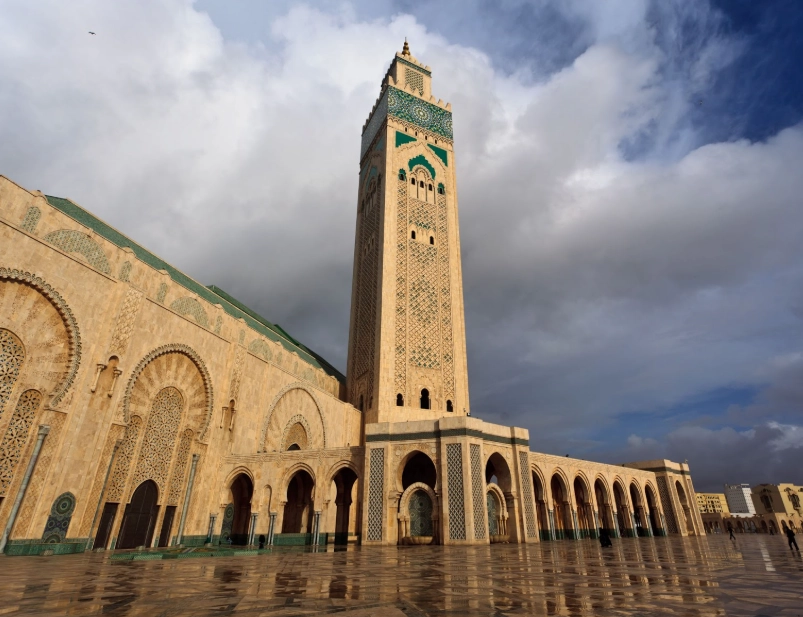
Day 9: Chefchaouen to Casablanca – Morning in Chefchaouen, then travel to Casablanca. Visit the Hassan II Mosque (one of the few mosques in Morocco open to non-Muslims).
Day 10: Departure – From Casablanca’s Mohammed V Airport.
Too fast? Cut out Casablanca and fly out of Fes. Have more time? Add Essaouira on the coast after Marrakech, or spend more time hiking in the Atlas.
The key is to not over-schedule.
Morocco isn’t a country you tick off a list. It’s a place you experience. The magic happens in the unplanned moments: the mint tea shared with a carpet seller (even if you don’t buy anything), the unexpected view from a random alley, the kindness of a stranger pointing the way when you’re lost.
Planning your Morocco travel adventure takes a bit of work, but it’s worth it. Go with an open mind, a respectful attitude, and a sense of adventure. You’ll come back with stories you’ll tell for years.
Comments
Join the discussion