Ask anyone about Australian food, and you'll likely hear about Vegemite, shrimp on the barbie, or maybe a meat pie. But the real story of unique food in Australia is deeper, older, and more exciting. It's a tale that starts over 60,000 years ago with Indigenous Australians and their incredible use of native ingredients, weaving through colonial adaptations, and exploding into a modern, confident fusion cuisine that's finally looking inward to its own landscape for inspiration.
I've spent years eating my way across this continent, from fine-dining temples in Sydney to roadside pie shops in the Outback. The biggest mistake visitors make is sticking to a safe, international menu. You miss the point. Australian food's uniqueness lies in its ingredients, its casual approach to dining, and its layered history.
What's Inside This Guide
Iconic Aussie Dishes You Have to Try
Let's start with the classics. These are the dishes that define everyday Australian food culture.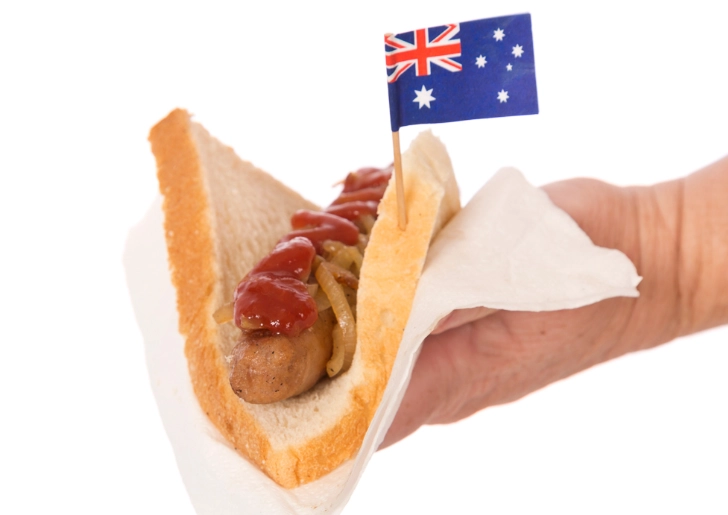
The Humble Meat Pie
This isn't just a snack; it's a national institution, often eaten with one hand at a football game. The perfect pie has flaky, golden pastry and a filling of minced beef in a rich, peppery gravy. Don't eat it plain. The only correct way is to top it with a generous squirt of tomato sauce (what Aussies call ketchup).
Where to Get a Great Pie:
Harry's Cafe de Wheels (Sydney): A historic pie cart near the naval base. Go for the "Tiger" – a pie topped with mushy peas, mashed potato, and gravy. It's open late (often until 2-3 AM).
Address: Cowper Wharf Road, Woolloomooloo. $6-$10 AUD Cash & Card
Bourke Street Bakery (Sydney/Melbourne): For a gourmet take. Their beef and red wine pie is legendary. Expect a line.
Flagship Address: 633 Bourke St, Surry Hills, Sydney. $7-$12 AUD 7am-6pm
Tip: The best traditional pies are often at unassuming local bakeries, not fancy restaurants.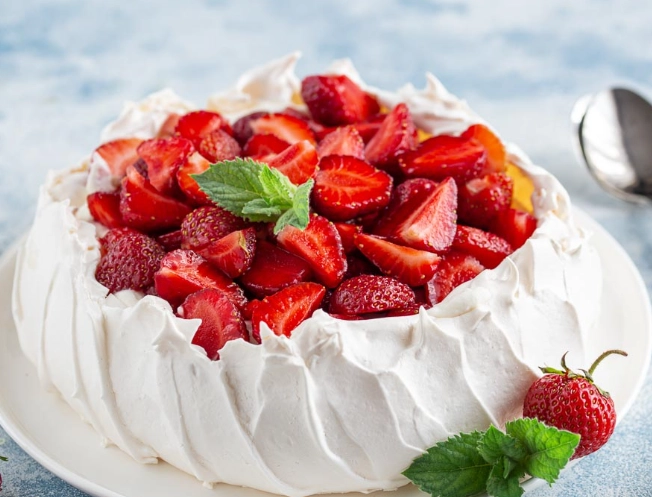
Lamingtons & Pavlova
The great trans-Tasman debate! Australia and New Zealand both claim these desserts. A Lamington is a square of sponge cake coated in chocolate icing and desiccated coconut, sometimes with a layer of jam and cream. A Pavlova is a meringue-based dessert with a crisp crust and soft, light inside, topped with whipped cream and fresh fruit.
Where to find them? Any decent bakery or cafe. Supermarket versions are mediocre. For a great Lamington, try Flour and Stone in Sydney's Surry Hills. For Pavlova, it's often best homemade or at a community event, but high-end Australian restaurants like Quay sometimes do stunning deconstructed versions.
The "Big Brekky" and Avocado Smash
Australian cafe culture is world-class. The classic "big brekky" is a plate of eggs (your way), bacon, sausage, grilled tomato, mushrooms, toast, and sometimes baked beans or a hash brown. The modern icon is Avocado Smash – mashed avocado on sourdough, with feta, cherry tomatoes, lime, and often with extras like poached eggs or halloumi. It's simple, but the quality of the produce makes it.
A Non-Consensus View: Skip the overhyped, Instagram-famous cafes in the trendiest suburbs. The best breakfast experience is often at a solid, local neighborhood joint where the coffee is strong, the service is quick, and the avocados are perfectly ripe. Look for places filled with locals reading the newspaper.
The Native Ingredient Revolution
This is where Australian food gets truly unique. For millennia, Aboriginal Australians used ingredients like wattleseed, lemon myrtle, quandong, and kangaroo. Now, these are moving into the mainstream.
| Ingredient | Flavor Profile | How It's Used | Where to Try It |
|---|---|---|---|
| Wattleseed | Roasted coffee, chocolate, hazelnut | Ground into bread, ice cream, or used as a crust for meat. | Restaurants like Orana (Adelaide), or buy ground wattleseed from specialist shops. |
| Lemon Myrtle | Intense, sweet lemon-citronella | In teas, desserts, seafood marinades, and sauces. | Very common in teas; found in gourmet sausages and at farmers' markets. |
| Finger Lime | Caviar-like pearls with a citrus burst | As a garnish on oysters, seafood, or in modern desserts. | High-end restaurants (e.g., Bennelong in Sydney). Expensive but worth it. |
| Kangaroo | Gamey, lean, iron-rich red meat | Grilled as a steak, in burgers, or as cured meat (biltong). | Most supermarkets sell kangaroo steaks. Try it at a pub or grill it yourself (cook it rare!). |
My first time trying kangaroo was at a friend's BBQ. I overcooked it, and it was tough and dry. The trick is to treat it like venison – cook it quickly to medium-rare at most. It's a sustainable, healthy protein, and it tastes uniquely of the Australian bush.
Where to Eat: A City-by-City Food Guide
Sydney
Focus is on seafood and harbor views. Go to the Sydney Fish Market for the freshest prawns, oysters, and more. For a fine-dining experience with native ingredients, Bennelong at the Opera House is iconic (book months ahead). For authentic, no-frills Asian-Australian fusion, hit the food courts in Chinatown like Eating World.
Melbourne
It's all about the laneways and coffee. Explore lanes like Degraves Street or Hardware Lane for hidden cafes. For a modern Australian tasting menu heavy on native ingredients, Attica in Ripponlea is world-renowned (extremely hard to book). Don't miss the Greek and Italian influences in suburbs like Carlton and Lygon Street.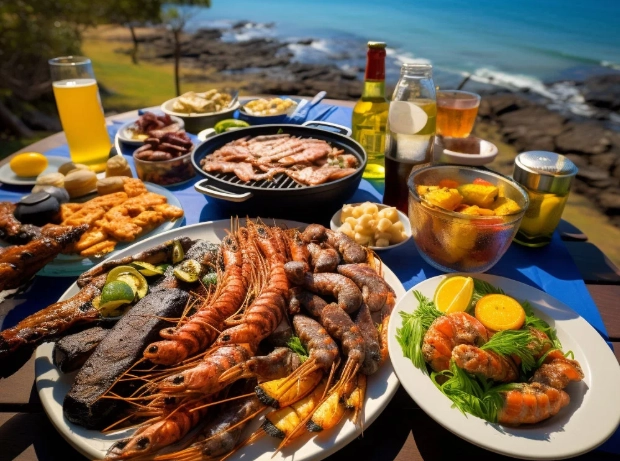
Adelaide & South Australia
The heart of the wine and native food scene. The Adelaide Central Market is a must-visit. Restaurant Orana, before its closure, was a global leader in native cuisine – look for chefs who trained there now popping up elsewhere. The Barossa Valley is nearby for German-influenced food and world-class wine.
Perth & Western Australia
Isolated and ingredient-focused. There's a strong focus on seafood (like Western Rock Lobster) and native foods from the vast Outback. Fremantle Markets are great for casual eats.
Essential Aussie Dining Tips & Etiquette
Australians are generally informal. Tipping is not mandatory but appreciated (10% for good service is fine). "BYO" (Bring Your Own) is common at casual restaurants – you can bring your own wine, often with a small corkage fee.
When ordering a beer, you'll be asked, "What size?" Common choices are a schooner (around 425ml) or a pint (570ml). In Victoria, you might ask for a "pot" (285ml).
And about Vegemite. Please, don't spread it thick like Nutella. It's a concentrated salty paste. The proper method: butter your toast generously, then apply the thinnest, most delicate scrape of Vegemite. It's a seasoning, not a spread.
Your Australian Food Questions Answered
The journey through Australian food is a journey through its land and people. It's about trying the pie at the footy, seeking out the lemon myrtle in your tea, and understanding that the most unique flavors have been here for thousands of years, waiting to be rediscovered. Start eating.



Comments
Join the discussion