Let's cut to the chase. Asking if India is friendly to tourists is like asking if the ocean is wet. The answer is a profound, overwhelming, and sometimes chaotic yes, but with more layers than a monsoon cloud. I've spent months traveling from the Himalayan peaks to the tropical backwaters, and the experience defies a simple rating. India doesn't just welcome you; it absorbs you, challenges you, and changes you. Friendliness here isn't the polite, distant courtesy you might find elsewhere. It's visceral, inquisitive, and deeply human.
Your trip hinges on one thing: understanding this duality. The legendary warmth exists alongside genuine logistical headaches. This guide won't sell you a postcard fantasy or scare you with horror stories. It's the honest breakdown you need to navigate the glorious, messy, and utterly unforgettable reality of traveling in India.
What You'll Find in This Guide
The Good: Where India's Friendliness Shines
This is the India you dream about. The hospitality isn't a service industry concept; it's a cultural cornerstone.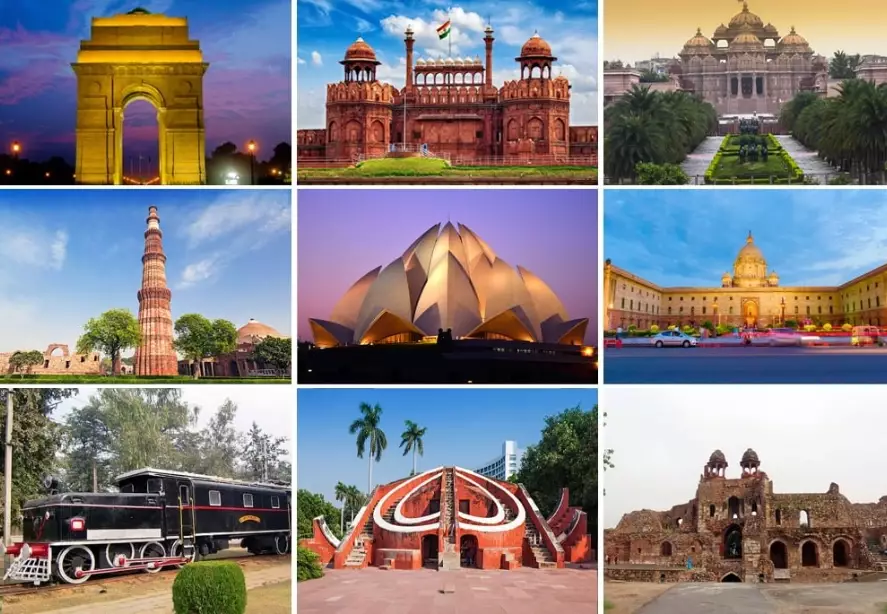
1. The People: Curiosity and Generosity
You will be stared at. Not with malice, but with a burning, childlike curiosity. In smaller towns, you might be asked for a selfie as if you're a minor celebrity. I once had a family on a train invite me to share their homemade lunch for three hours, asking about my life back home. This genuine desire to connect is common. Shopkeepers will often offer chai before talking business. This isn't a sales tactic everywhere—it's just what you do.
2. Cultural and Historical Wealth
India's friendliness extends to sharing its soul. The access to living history is staggering.
The Taj Mahal, Agra: Yes, it's crowded. Yes, it's touristy. It's also every bit as breathtaking as the photos. Go at sunrise. Entry is about 1100 INR for foreigners (around $13). Get there early to beat the worst of the crowds and the heat. Hire a guide at the gate (agree on a price and duration beforehand) to understand the love story in the stone.
Varanasi, Uttar Pradesh: This is India at its most intense and spiritual. Witnessing the Ganga Aarti ceremony on the ghats as lamps float down the sacred river is a profound experience. It feels ancient and raw. Be respectful, dress conservatively, and consider a boat ride at dawn.
Amber Fort, Jaipur: More than just a palace, it's a sprawling hilltop fortress with intricate mirror work and sweeping views. Entry is about 500 INR. Take an elephant ride up if you must, but walking is just as easy and lets you set your own pace.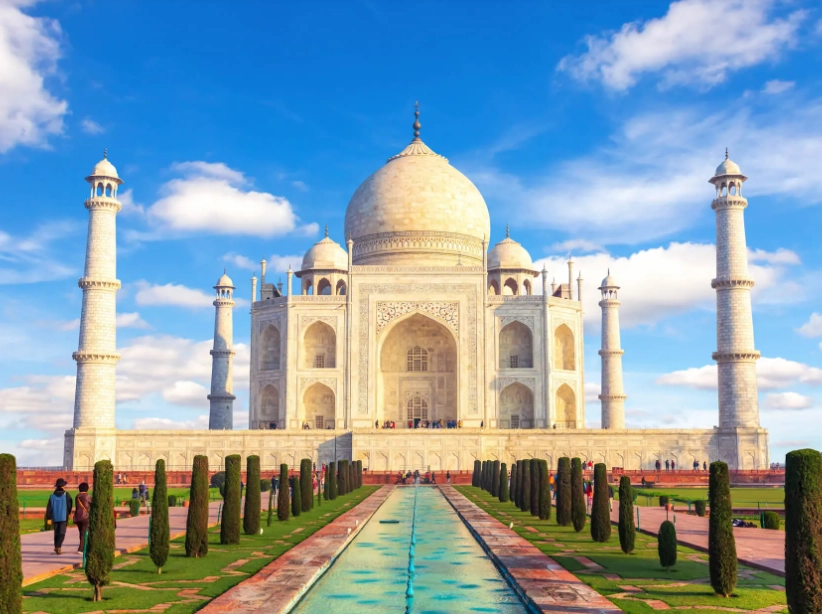
3. The Food: A Universal Language of Flavor
Indian cuisine is a massive draw, and the variety is insane. From street food to fine dining, your taste buds will be on a permanent adventure.
- Butter Chicken & Dal Makhani: Almost any decent North Indian restaurant. In Delhi, try Punjab Grill or the legendary Bukhara (expensive, but an institution).
- Street Food: Delhi's Paranthe Wali Gali for stuffed flatbreads, or Mumbai for Vada Pav (spicy potato burger) and Pav Bhaji. A key tip: look for stalls with a high turnover and locals lining up. Avoid anything with uncut leafy greens washed in local water.
- Thali: The ultimate sampler platter. In Gujarat or Rajasthan, you get unlimited refills of curries, dals, vegetables, and bread for a fixed price (often 200-400 INR). It's incredible value and a feast.
The Challenges: The Parts That Test Your Patience
Ignoring this side sets you up for frustration. India's unfriendliness isn't malevolent; it's systemic and sensory.
1. The Sensory Onslaught and Touts
The moment you step out of a major station or airport, you'll be surrounded by noise, traffic, smells (good and bad), and people offering "help." Autorickshaw and taxi drivers can be particularly persistent. A common scam is to tell you your chosen hotel is "closed" or "bad" to take you to a commission-paying alternative. Have your hotel's phone number handy and insist.
2. Infrastructure and Hygiene
Public sanitation, especially in less affluent areas, can be a shock. Always carry toilet paper and hand sanitizer. Traffic is anarchic. Crossing a street in Delhi is an act of faith—walk slowly and steadily, don't run. Trains are a fantastic way to travel (book AC classes for comfort), but stations are chaotic. Use the IRCTC website or authorized agents for bookings.
3. The Bargaining Dance
In markets and with non-metered transport, bargaining is expected. It can feel aggressive if you're not prepared. See it as a social interaction, not a fight. Smile, be polite, but be willing to walk away. The first price is always inflated.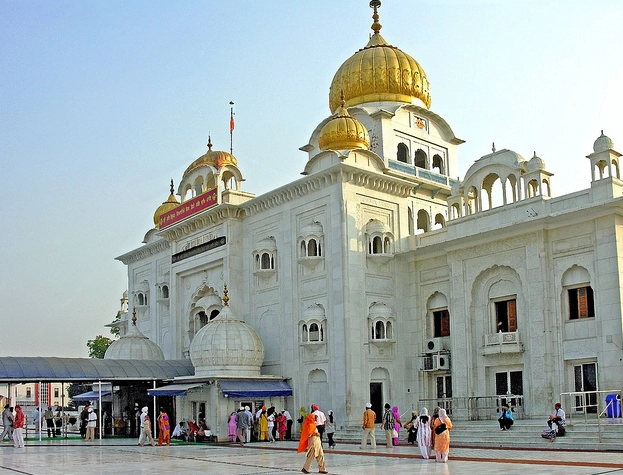
Making It Work: Practical Advice for a Smoother Trip
Your experience depends on your preparation. Here’s how to tip the scales towards friendly.
Planning and Mindset
Don't Overload Your Itinerary. Distances are huge, and travel is slow. Pick one or two regions. The classic Golden Triangle (Delhi, Agra, Jaipur) is popular for a reason—it's manageable and packs a punch.
Get an e-Visa. The process is mostly online now. Apply on the official Indian government visa website well in advance.
Health Prep is Non-Negotiable. Drink only bottled or purified water (check the seal). Eat cooked, hot food. Consider vaccinations for Hepatitis A, Typhoid. Carry a basic medical kit with anti-diarrheal meds.
On the Ground: Daily Navigation
Transport: Use ride-hailing apps like Uber and Ola in big cities. They're metered, cashless, and eliminate haggling. For intercity, trains (book AC 2-tier or 3-tier) or domestic flights (IndiGo, Vistara) are best.
Money: Carry a mix of cash (INR) and cards. ATMs are widespread, but inform your bank. Small bills are useful for rickshaws and tips.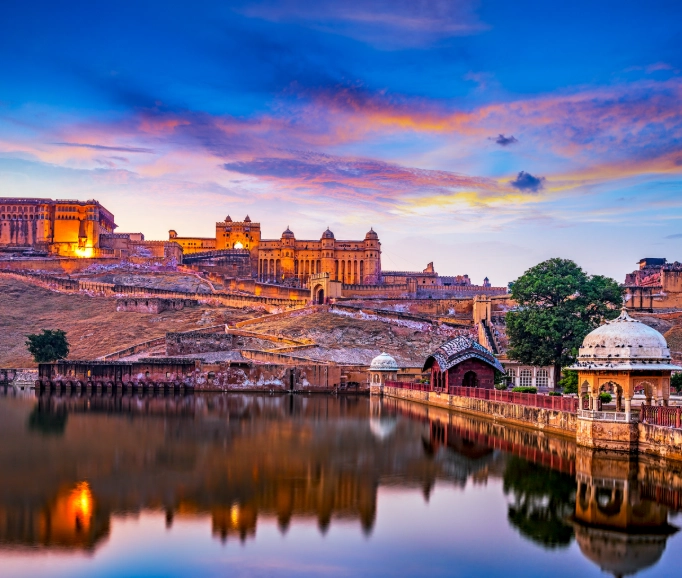
Dress and Conduct: Dress modestly, especially at religious sites (cover shoulders and knees). This commands respect and reduces unwanted attention. A head nod is a common "yes."
Where to Stay: A Range of Options
| City | Budget Pick (₹1500-3000/night) | Mid-Range Pick (₹5000-9000/night) | Splurge/Heritage (₹15,000+/night) |
|---|---|---|---|
| Delhi | Hotel Amax, Paharganj (great location, basic) | The Claridges, Lutyens' Delhi (colonial charm) | The Imperial (historic luxury) |
| Agra | Hotel Kamal (rooftop Taj view) | Crystal Sarovar Premiere | The Oberoi Amarvilas (every room has a Taj view) |
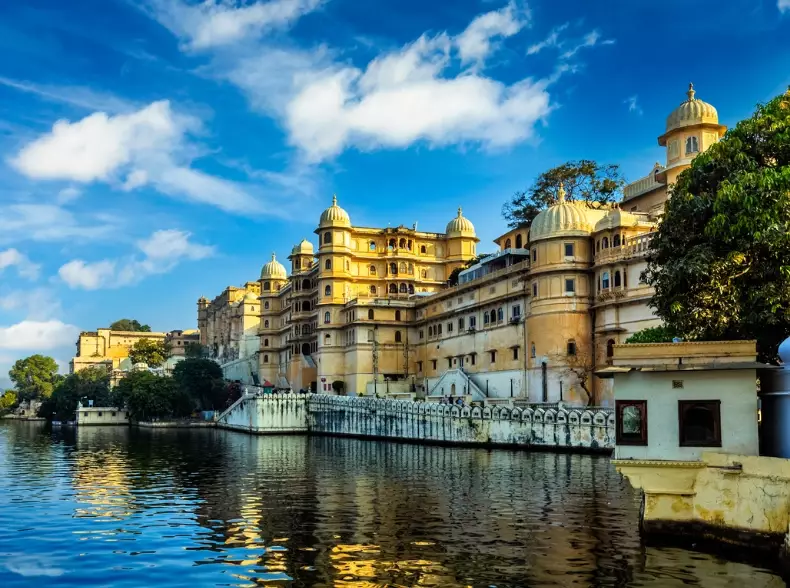
| Jaipur | Zostel Jaipur (vibrant hostel) | Umaid Bhawan - Heritage Hotel | Rambagh Palace (live like royalty) |
| Kochi | Old Harbour Hotel (heritage on budget) | Forte Kochi (boutique) | Brunton Boatyard (historic waterfront) |
A Sample 7-Day Golden Triangle Itinerary
This is a classic first-timer route. It's busy but hits the highlights.
Days 1-2: Delhi
Arrive in Delhi. Fight jet lag with a gentle start. Visit Humayun's Tomb (the precursor to the Taj) and the majestic Qutub Minar. On day two, dive into Old Delhi: Chandni Chowk market, the Red Fort, and the Jama Masjid. Take a rickshaw ride through the chaotic lanes. Evening in Hauz Khas Village for cafes and boutiques.
Stay: The Claridges or a boutique hotel in South Delhi.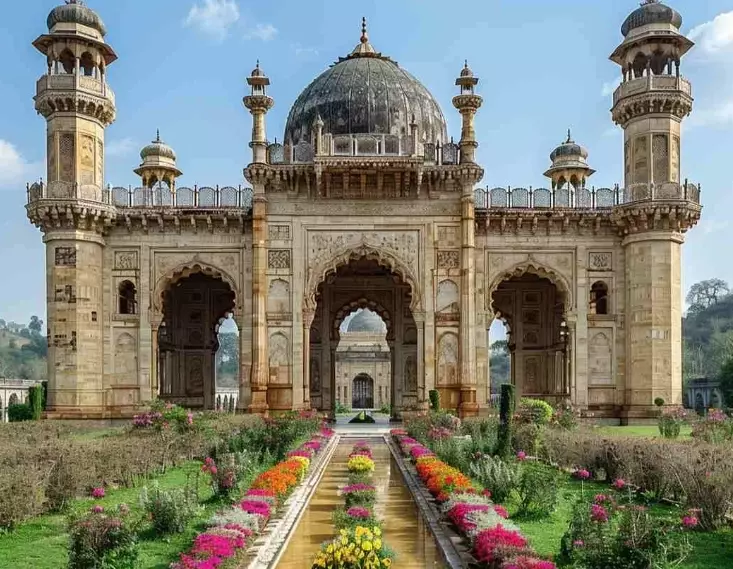
Days 3-4: Agra
Take an early morning train (Gatimaan Express is fast) to Agra. Head straight to the Taj Mahal for a late morning/afternoon visit. Sunset views from Mehtab Bagh across the river. Next day, visit the massive Agra Fort and the abandoned city of Fatehpur Sikri (a day trip).
Stay: Crystal Sarovar Premiere for a good pool and comfort.
Days 5-7: Jaipur
Drive or take a train to Jaipur (approx 4-5 hours). Visit the honey-colored Hawa Mahal (Wind Palace) and the City Palace. Day six is for Amber Fort—spend half a day there. On your final day, explore the Jantar Mantar observatory and shop for textiles and jewelry in the old bazaars. Fly out of Jaipur or return to Delhi.
Stay: Umaid Bhawan for heritage feel, or a modern hotel near the airport for convenience.
Your Questions, Answered
So, is India friendly to tourists? The infrastructure might test you, but the people will ultimately embrace you. It's not a passive holiday; it's an active engagement. You'll face moments of sheer frustration and others of profound beauty, often within the same hour. Go with realistic expectations, a flexible plan, and an open heart. India won't just show you its sights; it will show you a part of yourself you might not have known was there. That's the deepest form of friendliness there is.


Comments
Join the discussion