Your Asia Travel Map
Let's be honest, picking where to go in Asia is tough. The continent is massive, packed with more culture, history, landscapes, and food than you could experience in a lifetime. Everyone's list of the top 10 tourist destinations in Asia looks a bit different, and that's the point. It depends on what you're after. Are you a history buff? A foodie on a mission? Someone who just wants to collapse on a perfect beach? I've been traveling around this part of the world for years, and I still haven't seen it all. But I've put together this list based on a mix of timeless classics, places that genuinely live up to the hype, and a few spots that might surprise you. Think of it less as a strict ranking and more as a menu for crafting your own adventure.
This isn't just about ticking boxes. It's about understanding why these places are special, what they actually feel like to visit, and how to navigate them without just following the tourist herd. I'll throw in some personal gripes alongside the praise, because no place is perfect, and that's okay.
Your Asia Travel Cheat Sheet: The Top 10 at a Glance
To make things easier, here's a snapshot. This table breaks down the core vibe, best time to visit, and a rough budget feel for each of these top Asian destinations. It's a starting point.
| Destination | Country | Core Vibe / Why It's Top | Best Time to Visit | Budget Feel |
|---|---|---|---|---|
| Kyoto | Japan | Traditional Japan, temples & geisha culture | Mar-May (spring), Oct-Nov (fall) | Mid to High |
| Bangkok | Thailand | Vibrant street life, food, grand palaces | Nov-Feb (cool & dry) | Low to Mid |
| Bali | Indonesia | Spiritual retreats & stunning beaches | Apr-Oct (dry season) | Low to Mid |
| Hoi An | Vietnam | Ancient lantern-lit port town, tailoring | Feb-May (least rain) | Low |
| Yunnan | China | Ethnic diversity, dramatic landscapes | Mar-Apr, Sep-Nov | Low to Mid |
| Seoul | South Korea | Hyper-modern meets ancient, K-culture | Sep-Nov (fall) | Mid |
| Ladakh | India | High-altitude Himalayan moonscape, Buddhism | Jun-Sep (short summer) | Low to Mid |
| Penang | Malaysia | Street art & legendary food scene | Dec-Feb, Jun-Aug | Low |
| Cultural Triangle | Sri Lanka | Ancient kingdoms & archaeological wonders | Jan-Mar (dry in cultural sites) | Low |
| Dubai | UAE | Futuristic architecture & luxury shopping | Nov-Mar (pleasant weather) | High |
See? Already you can start to see where you might fit. Now, let's get into the details.
Deep Dive: The Top 10 Tourist Destinations in Asia, Explained
Here’s where we go beyond the postcard. For each of these top 10 tourist destinations in Asia, I'll tell you what makes it worth the trip, what nobody really talks about, and how to approach it.
Kyoto, Japan: The Soul of Traditional Japan
If you want to see the Japan of old woodblock prints, Kyoto is it. It's arguably the heart of any serious list of top 10 tourist destinations in Asia for culture lovers. We're talking over 1,600 temples, serene Zen gardens, and the chance to spot a geisha (or geiko, as they're called here) shuffling through the Gion district at dusk.
The Must-Do (Beyond the Obvious): Yes, go to Fushimi Inari with its thousands of red torii gates (go super early or late to avoid the crowds, seriously). But also, just get lost in the Higashiyama district. Wander down Sannen-zaka and Ninen-zaka streets, where the traditional machiya houses are. Stop for matcha and a sweet. The atmosphere is everything.
The Reality Check: Kyoto can feel like a museum-city at times. It's incredibly well-preserved, which is amazing, but it can also feel a bit static. The bus system, while efficient, gets crammed with tourists. And honestly, some of the most famous temples feel more like photo ops than places of quiet contemplation during peak hours. My advice? Pick a few key sights and spend the rest of your time exploring neighborhoods like Arashiyama or Pontocho Alley at night.
Bangkok, Thailand: The City That Never Sleeps (And Always Eats)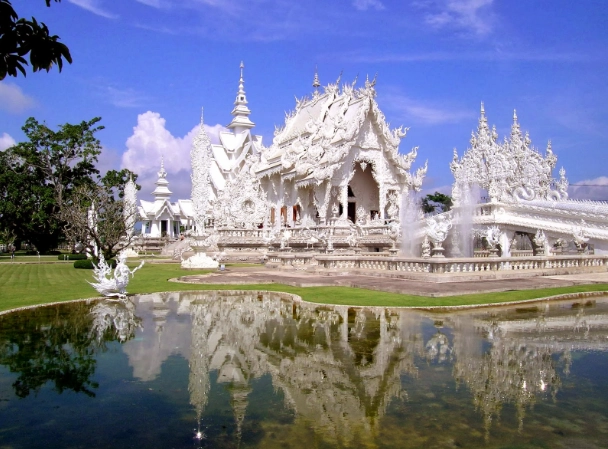
Bangkok is energy. Pure, chaotic, delicious energy. It's a city of contrasts where glittering temples sit next to neon-lit skyscrapers. For many travelers, it's the gateway to Southeast Asia and a permanent fixture on any top 10 tourist destinations in Asia list for its sheer vibrancy.
The Experience: It's about the street food. Pad Thai cooked in a flaming wok on the sidewalk. The dizzying maze of Chatuchak Weekend Market. The solemn grandeur of the Grand Palace and Wat Phra Kaew (Temple of the Emerald Buddha). Taking a long-tail boat through the tangled canals, or *klongs*, to see a different side of the city.
But Bangkok is more than just temples and markets. The contemporary art scene is booming in neighborhoods like Charoenkrung. The rooftop bars offer insane views (if you're willing to pay for a drink). It's a city that rewards curiosity.
The Gripes: The traffic is legendary for a reason. It can be brutal. The heat and humidity can feel like a physical wall. And the main tourist areas (I'm looking at you, Khao San Road) can be a bit of a circus. It's not everyone's cup of tea, but even if you hate it for a day, you'll probably find a corner you love the next.
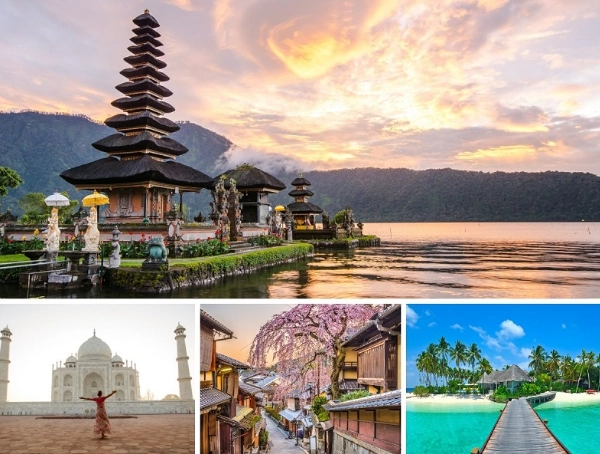
Bali, Indonesia: More Than Just a Beach
Bali's reputation as a paradise is well-earned, but it's often misunderstood. If you only stay in Kuta or Seminyak, you'll get beaches and nightlife, but you'll miss the island's soul. The real magic of Bali, which secures its spot among the top tourist destinations in Asia, is its unique Hindu culture woven into everyday life.
Where to Go Beyond the Beach:
- Ubud: The cultural heart. Rice terraces (like Tegalalang), monkey forests, and countless temples. It's become very popular, but the vibe is still about art and spirituality.
- East & North Bali: For waterfalls like Sekumpul, the quieter temples like Pura Lempuyang (the "Gates of Heaven"), and the cooler highlands around Mount Batur.
- The Coast: For diving and snorkeling, the islands off Bali like Nusa Penida or Nusa Lembongan are stunning, with dramatic cliffs and manta ray sightings.
The Flip Side: Overtourism is a real issue in south Bali and Ubud. Traffic jams can be frustrating. And the "Instagram vs. Reality" gap at some famous spots can be wide. Go with the mindset to explore beyond the hotspots listed on every blog.
Hoi An, Vietnam: The Lantern-Lit Dream
Hoi An is beautiful. Almost unfairly so. This ancient trading port feels frozen in time, with its mustard-yellow merchant houses, covered Japanese Bridge, and thousands of silk lanterns that light up the riverfront at night. It's a consistent favorite and for good reason.
Why It's Special: It's incredibly walkable and photogenic. But it's also a place of craftsmanship. Getting custom clothing made (suits, dresses, shoes) is a major draw here—just do your research on tailors. The food is also a highlight, with local dishes like Cao Lau (a noodle dish you can only get here) and white rose dumplings.
The Catch: It's small, and it gets crowded. Really crowded, especially in the evenings when the tour buses arrive. The central area can feel like a beautiful open-air museum with a price tag (you need a ticket to enter many of the old houses). To enjoy it, stay in a homestay in the surrounding countryside, bike in during the morning, and retreat when the crowds swell.
Yunnan Province, China: Asia's Melting Pot
Forget the megacities. If you want to see a different, wildly diverse China, Yunnan is your answer. Nestled in the southwest, it borders Tibet, Myanmar, Laos, and Vietnam. This is a region of snow-capped mountains, deep gorges (like Tiger Leaping Gorge), rice terraces, and over 25 ethnic minorities, each with distinct cultures.
The Highlights:
- Lijiang: A Naxi minority town with cobbled streets and canals. It's touristy but charming as a base.
- Shangri-La (Zhongdian): High-altitude Tibetan culture without needing to go to Tibet itself. Visit the Songzanlin Monastery.
- Dali: Laid-back town by Erhai Lake, with a backdrop of the Cangshan Mountains.
- The Stone Forest: Near Kunming, a surreal landscape of limestone pinnacles.
This is adventure travel. The infrastructure is good, but you're dealing with altitude, long bus rides on winding roads, and a pace of life that feels a world away from Shanghai. It's one of the most rewarding top Asian destinations for landscape and culture enthusiasts.
Seoul, South Korea: The Future Meets the Past
Seoul is a blast of cool air. It's effortlessly stylish, technologically seamless, and packed with things to do. From the hyper-modern Gangnam district to the ancient palaces nestled between skyscrapers, it's a city that moves fast but respects its roots.
What to Dive Into: Obviously, K-pop and K-drama culture is a huge draw for many. Visit the Gangnam district or the Hongdae area for youth culture. But don't miss:
- Bukchon Hanok Village: A neighborhood of traditional Korean houses (hanok) between Gyeongbokgung and Changdeokgung palaces. You can even stay in one.
- The Food: It's not just BBQ. Try the street food in Myeongdong, have a royal cuisine dinner, or brave a live octopus (sannakji) if you're feeling bold.
- DMZ Tours: A sobering but fascinating day trip to the border with North Korea. Book through a reputable agency.
The Vibe: Seoul is clean, safe, and easy to navigate with its superb subway system. But it can also feel a bit homogeneous and intense. The beauty standards and work ethic are palpable. It's a fascinating look at a society moving at lightning speed.
 Ever tried soju with locals? It's a ritual.
Ladakh, India: The Land of High Passes
If your idea of a top Asian destination involves stark, dramatic beauty and spiritual silence, Ladakh is it. Often called "Little Tibet," it's a high-altitude desert in the Indian Himalayas. The landscape is a moonscape of browns and greys, punctuated by impossibly green oasis villages and whitewashed monasteries (gompas) clinging to cliffs.
The Experience: This is about raw nature and Tibetan Buddhist culture. Visit the Hemis and Thiksey monasteries. Drive over the highest motorable passes in the world (like Khardung La). Go trekking in the Markha Valley. The people are incredibly resilient and welcoming.
The Challenges: The travel season is short (June to September). Roads can be rough and flights to Leh are weather-dependent. It's not a luxury destination (though comfort options exist). You come here for the experience, not the pampering.
Penang, Malaysia: A Food Lover's Paradise
Georgetown, the capital of Penang island, is a UNESCO site for its unique blend of British colonial, Chinese, Malay, and Indian architecture. But let's be real: people come for the food. This is arguably the best food destination in Southeast Asia, and that's saying something.
The Game Plan: Come hungry. Go on a street food crawl. Char koay teow (stir-fried rice noodles), assam laksa (a sour fish noodle soup), nasi kandar (rice with curries)... the list is endless. Beyond eating, hunt for the famous street art (the murals by Lithuanian artist Ernest Zacharevic started it all), explore the clan jetties (waterfront villages), and visit the Kek Lok Si Temple.
It's relaxed, walkable (in the core), and has a great mix of culture and hedonism. The cost of living and traveling here is also very reasonable, making it a top choice for budget-conscious travelers exploring the top tourist destinations in Asia.
Sri Lanka's Cultural Triangle: Ancient Kingdoms
Sri Lanka packs an incredible punch for its size. While the beaches are gorgeous, the inland Cultural Triangle is what makes it a standout among historical top 10 tourist destinations in Asia. We're talking about the ruins of several ancient Sinhalese kingdoms.
The Key Sites:
- Sigiriya: The "Lion Rock," a fortress palace built on top of a 200-meter rock column. Climbing it for sunrise is a rite of passage.
- Polonnaruwa: A vast ancient city with well-preserved ruins, statues, and dagobas (stupas). Rent a bike to explore.
- Anuradhapura: One of the ancient world's great cities, sacred to Buddhists as home to the Sri Maha Bodhi tree (grown from a cutting of the original Buddha's tree).
- Dambulla: A massive cave temple complex with hundreds of Buddha statues and murals.
You need a few days here, preferably with a driver. It's hot, dusty, and utterly fascinating. The scale of these places makes you wonder how they built them over a thousand years ago.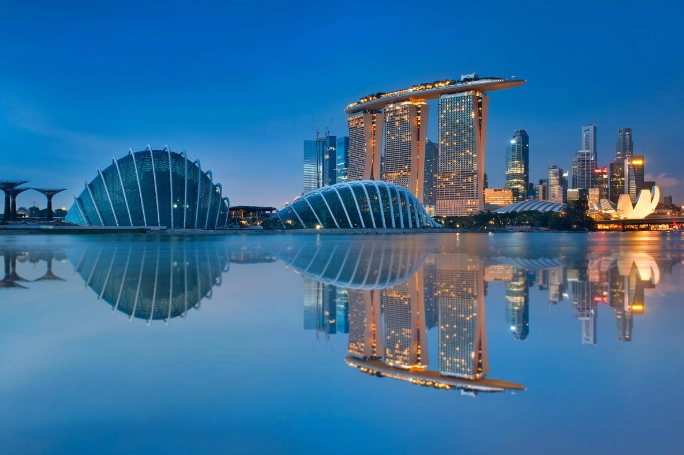
Dubai, UAE: The Desert Futurist
Dubai is in a category of its own. It's a city built on ambition, where the world's tallest building, largest shopping mall, and most extravagant projects exist. It's a top Asian destination for luxury, shopping, and seeing just how far human engineering can go.
What to Do: Visit the Burj Khalifa (book in advance), shop (or just gawk) in the Dubai Mall, see the Dubai Fountain show. Go on a desert safari for dune bashing and a Bedouin-style dinner. Explore the older Al Fahidi Historical Neighbourhood to see the city's humble origins as a pearl diving port.
The Other Side: Dubai can feel soulless and transactional to some. It's incredibly expensive in the main areas. The summer heat is unbearable. And the cultural experience is very different from the rest of Asia on this list—it's more about modern spectacle than ancient tradition. But as a stopover or a short break focused on luxury and novelty, it delivers.
Frequently Asked Questions About Traveling to Top Asian Destinations
You've got questions. Based on years of forums, conversations, and my own confusion, here are some honest answers.
Is Asia safe for tourists?
Generally, yes, very. The places listed are major tourist hubs with established infrastructure. Petty theft (like bag snatching) can happen in crowded areas of big cities like Bangkok or Ho Chi Minh City, but violent crime against tourists is rare. Always exercise normal caution: don't flash valuables, be aware of scams (like the infamous "gem scam" in Bangkok), and use licensed taxis or ride-hailing apps. For specific safety advisories, always check your government's travel website.
What's the budget like for these top Asian destinations?
It varies wildly. Southeast Asia (Thailand, Vietnam, Indonesia, Malaysia, Sri Lanka) is very affordable for accommodation, food, and local transport. Japan, South Korea, and Dubai are more expensive, especially for lodging and certain experiences. China and India fall somewhere in the middle, with a huge range depending on your style. You can travel on a shoestring or in luxury almost anywhere.
Do I need visas?
This is crucial and changes all the time. Many countries offer visa-on-arrival or e-visas for tourists from numerous countries (like Thailand, Indonesia, Sri Lanka for many). Japan and South Korea have visa-free entry for many passports for short stays. China requires planning ahead for most travelers. Vietnam's e-visa system is now very smooth. Always, always check the official government immigration website of the country you plan to visit for the most current requirements. Don't rely on third-party blogs for final visa info.
What about language barriers?
In major cities and tourist areas, you'll get by with English, gestures, and a smile. Learning a few basic phrases (hello, thank you, how much) in the local language is hugely appreciated. In more rural areas (like Yunnan or Ladakh), the barrier is higher, but it's part of the adventure. Translation apps are your best friend.
How should I choose between these top 10 tourist destinations in Asia?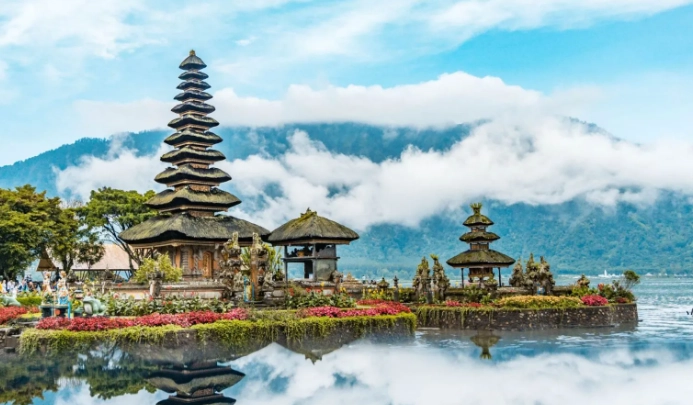
Ask yourself:
- What's your travel style? Chill beach, city buzz, mountain trek?
- What's your budget? This will quickly narrow things down.
- How much time do you have? Don't try to cram three countries in two weeks. Pick one or two and go deeper.
- What's the season? Check the weather. You don't want to be in Bali during monsoon if you're after sun, or in Ladakh in winter when it's closed.
Maybe combine a city (Seoul, Bangkok) with a cultural/nature spot (Kyoto, Yunnan, Bali's interior). That contrast often makes for the best trips.
And remember, the best destination is the one that calls to you, not just the one that tops a list. Happy travels.


Comments
Join the discussion