Quick Navigation
- The Heart of the City: Central Melbourne Must-Sees
- Beyond the CBD: Essential Melbourne Tourism Places
- Green Spaces & Natural Escapes
- Cultural Deep Dives: Museums, Art & Sport
- Food, Coffee & The Melbourne Ritual
- Practicalities: Getting Around & Making It Work
- A Quick-Reference Table of Major Melbourne Tourism Places
- Answers to Questions You're Probably Asking
Let’s be real. You’re looking for Melbourne tourism places because you want the real experience, not just the postcard shots. You want to know where to go, what’s actually worth your time, and how to avoid the tourist traps that eat up your day and your budget. That’s exactly what this guide is for.
I’ve lived here on and off for years, and I’ve made every mistake so you don’t have to. I’ve waited in pointless lines, paid for overrated tours, and gotten hopelessly lost in the wrong lane. Consider this your cheat sheet.
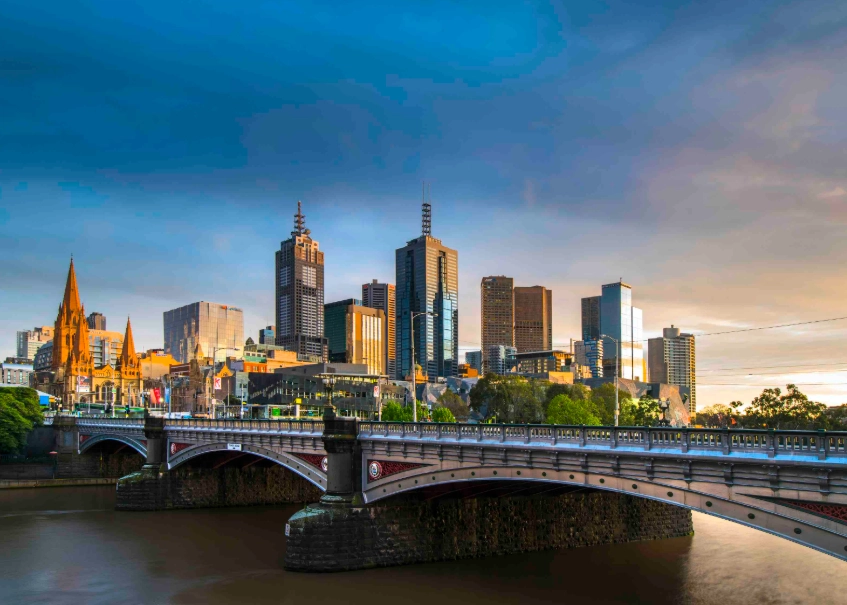
The Heart of the City: Central Melbourne Must-Sees
You’ll probably start downtown. Good choice. It’s walkable, packed with trams, and most of the big-ticket Melbourne tourism places are here or a short ride away. But don’t just tick boxes. Linger a bit.
Federation Square & Flinders Street Station
Okay, you’ll see this on every list. It’s the iconic meeting spot, the architectural clash (some love it, some… really don’t), and the backdrop for a million tourist photos. Flinders Street Station, with its famous clocks, is right across the street.
My take? It’s worth seeing, but don’t plan a whole afternoon here. The real magic is using it as a launchpad. Pop into the Ian Potter Centre: NGV Australia at Fed Square for some fantastic Australian art (it’s free!). Then, instead of just standing there, walk across Princes Bridge towards the Arts Centre spire. The view back towards the station is the one you actually want.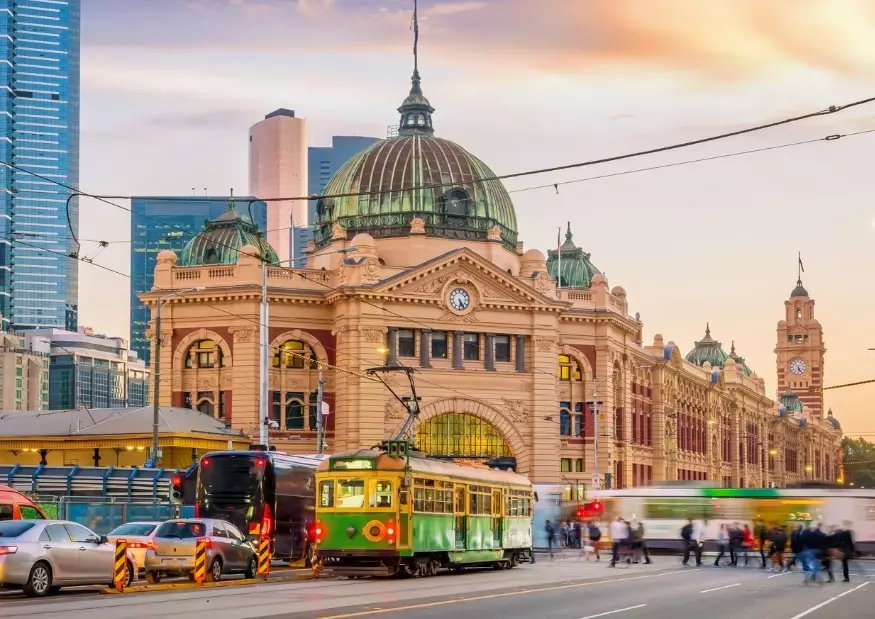
The Laneways & Arcades
This is where Melbourne’s personality hides. If you only do one thing in the CBD, make it this. Forget the main streets for an hour and get lost.
- Hosier Lane: The graffiti superstar. It’s loud, chaotic, and constantly changing. It’s also often crowded with Instagrammers. Go early in the morning if you want a photo without a dozen people in it.
- AC/DC Lane: A tribute to the rock legends. Smaller, grittier, and usually less packed.
- Degraves Street & Centre Place: Less about art, more about atmosphere. These are cafe-and-sandwich-shop laneways. The cobblestones, the cramped tables, the steam from espresso machines—this is classic Melbourne. Centre Place feels like you’ve stepped into a European alley. The coffee is generally excellent, but honestly, it’s hard to find a bad cup in these parts.
- The Arcades: Block Arcade is stunning, with its mosaic floor and detailed plasterwork. Royal Arcade is the oldest, with the giant statues of Gog and Magog striking the clock. They’re beautiful, but they’re also shopping passages. Don’t feel pressured to buy the expensive chocolates; just enjoy the walk.
Queen Victoria Market
A sprawling, noisy, glorious mess of a market. It’s not just a tourist spot; locals shop here for fruit, veggies, meat, and deli goods. The energy is fantastic.
Go hungry. The food hall is a global tour—dumplings, borek, bratwurst, doughnuts. My personal ritual is a hot jam doughnut from the van in the dairy hall (be prepared for a sugar-and-cinnamon shower). Outside the shed, you’ve got the general merchandise: souvenirs, leather goods, knick-knacks. Haggle politely. It’s expected.
Check the opening days before you go; it’s closed Mondays and Wednesdays. The Night Market on Wednesday evenings in summer is a whole different beast—packed with street food stalls and live music.
Beyond the CBD: Essential Melbourne Tourism Places
Melbourne’s suburbs are like separate villages, each with its own vibe. You haven’t really seen Melbourne until you’ve ventured out a bit.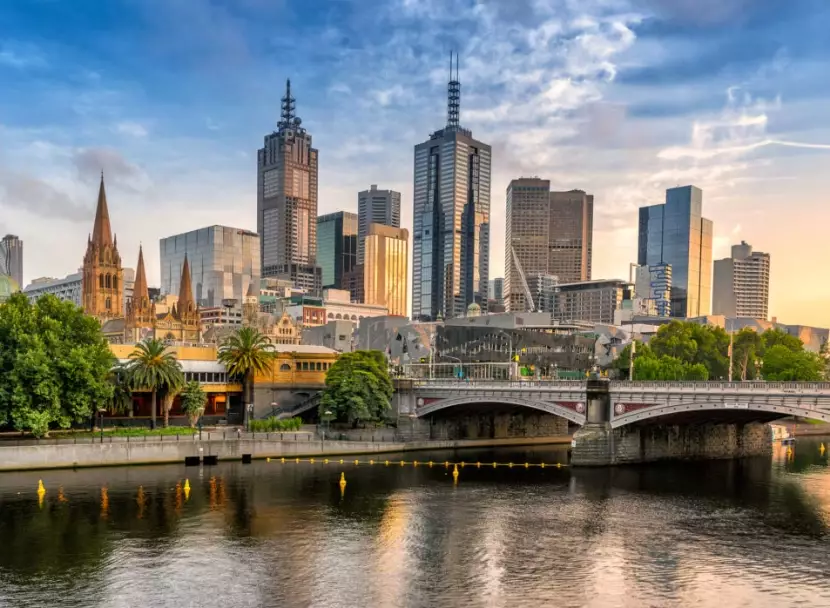
St Kilda & The Beaches
A short tram ride down St Kilda Road brings you to Melbourne’s most famous beach suburb. The beach itself is… fine. It’s not Bondi. But that’s not really the point.
The Esplanade is for people-watching. Luna Park, with its gaping mouth entrance, is a vintage amusement park. It’s cheesy, loud, and fun. A ride on the old wooden Scenic Railway rollercoaster is a rite of passage. The real highlight for many is the St Kilda Pier. At the end of it, you can (often) see a colony of little penguins coming ashore at dusk. It’s a magical experience, but be respectful—no flash photography, keep your voice down. The Parks Victoria website has good info on responsible viewing.
Southbank & The Arts Precinct
Just over the river from Flinders Street. It’s a polished, modern contrast to the grungy laneways. The promenade is lined with restaurants (often pricey) and has great views back to the city. Crown Casino is here if that’s your thing.
The cultural heavyweights are here: the Arts Centre Melbourne (look for the spire), the State Theatre, and the Melbourne Recital Centre. A bit further along is the National Gallery of Victoria (NGV International) on St Kilda Road. Its water-wall entrance is iconic, and its exhibitions, both permanent and visiting, are world-class. And yes, general entry is free. They have a great website at ngv.vic.gov.au to check what’s on.
Honestly, I find Southbank a bit sterile during the day—it feels like a corporate district. It comes alive at night, especially if there’s a show on.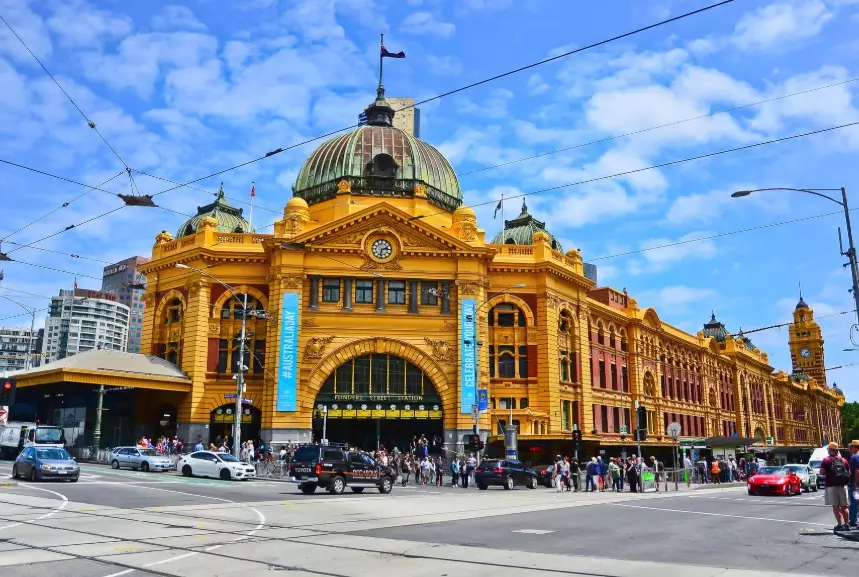
Fitzroy & Carlton
Take the tram north. Fitzroy, especially along Brunswick Street and Gertrude Street, is the epicenter of hipster Melbourne. Think vintage shops, indie designer stores, eclectic pubs, and some of the city’s best cafes and restaurants. It’s got an edge, a creative energy. The Rose Street Artists’ Market on weekends is perfect for finding unique souvenirs.
Next door, Carlton is Melbourne’s Little Italy. Lygon Street is famous for its Italian restaurants (though quality varies—do some research). It’s also home to the beautiful Carlton Gardens and the Royal Exhibition Building, a UNESCO World Heritage site. The Melbourne Museum is here too, which is fantastic, interactive, and covers natural history, culture, and even has a living forest gallery.
Green Spaces & Natural Escapes
For a big city, Melbourne has an astonishing amount of green. You’re never far from a park or garden.
Royal Botanic Gardens
These are not just gardens; they’re a 94-acre oasis. You can easily lose half a day here. It’s meticulously curated but feels wild in parts. There’s the Australian Rainforest Walk, the Guilfoyle’s Volcano reservoir with great city views, and serene lakes. It’s free to enter, and you can join a free guided walk. I come here when the city noise gets too much. Bring a picnic, find a quiet spot under a tree, and just breathe.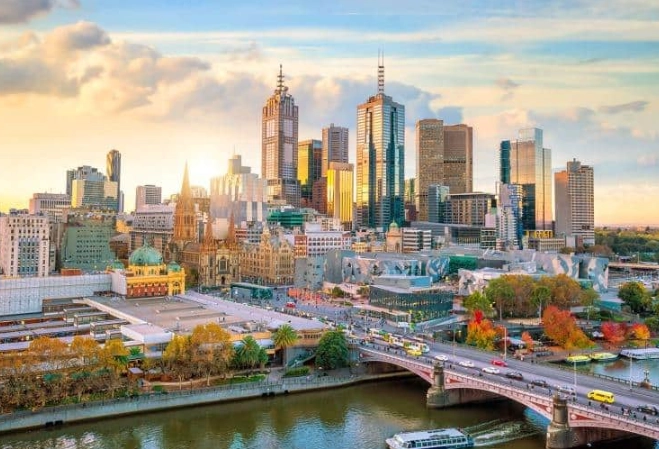
Yarra River & Birrarung Marr
The Yarra River is the city’s spine. You can walk or cycle the paths for miles. For a different perspective, take a river cruise—they go from the city to Southbank and beyond. Birrarung Marr is the park along the river near Fed Square. It’s more modern, with interesting sculptures and often hosts festivals. It’s a great place to sit and watch the rowers glide by.
Cultural Deep Dives: Museums, Art & Sport
Melbourne wears its culture proudly, from high art to sporting obsession.
The NGV International and the Ian Potter Centre (both NGV) are your art anchors. The Melbourne Museum in Carlton is superb for history and science. For something quirkier, try the Australian Centre for the Moving Image (ACMI) at Fed Square—all about film, TV, and video games. It’s interactive and fun.
Now, sport. This is a religion. If you’re here during the footy season (AFL, March-September), try to get tickets to a game at the Melbourne Cricket Ground (MCG). The atmosphere is electric, even if you have no idea what’s going on. Tours of the ‘G are available year-round and are fascinating for sports fans. In summer, it’s all about cricket. The MCG website has schedules and tour info.
Food, Coffee & The Melbourne Ritual
You can’t talk about Melbourne tourism places without talking about food and coffee. It’s the city’s heartbeat.
Coffee: It’s serious business. You order a “flat white” or a “long black.” A “latte” is fine too. Don’t ask for a “regular” coffee—they’ll just look confused. The best cafes are often in the laneways (Degraves, Centre Place) or in suburbs like Fitzroy, Carlton, and Richmond. Look for a place that’s busy with locals. If the barista has a beard and tattoos, you’re probably in the right spot.
Food: Beyond the laneway cafes, you have incredible restaurants for every budget and cuisine. Lygon St (Italian), Chinatown (on Little Bourke Street), Victoria Street in Richmond (Vietnamese), and Sydney Road in Brunswick (Middle Eastern) are foodie destinations. The Queen Vic Market is a feast. Don’t be afraid to explore.
My personal, slightly controversial opinion? Some of the hyped-up “best” restaurants in the fanciest lanes can be a bit up themselves and overpriced. Some of my best meals have been in unassuming places on side streets in Fitzroy or North Melbourne.
Practicalities: Getting Around & Making It Work
Knowing where to go is half the battle. The other half is getting there smoothly.
You can buy them at train stations, major tram stops, and some convenience stores. Top it up with money. Remember to touch on AND touch off for trains and buses. For trams within the Free Tram Zone (covers most of the CBD and Docklands), you don’t need to touch on. If you go outside that zone, you must touch on. The Public Transport Victoria (PTV) website or app is essential for planning journeys and checking zones.
Trams are the iconic way to travel. The City Circle Tram (Route 35) is a free, heritage-style tram that does a loop of the CBD perimeter, passing many major Melbourne tourism places. It’s a great, free orientation tour, though it can be packed.
Walking is the best way to see the CBD and its laneways. For everything else, trams, trains, and the occasional Uber or taxi will get you there.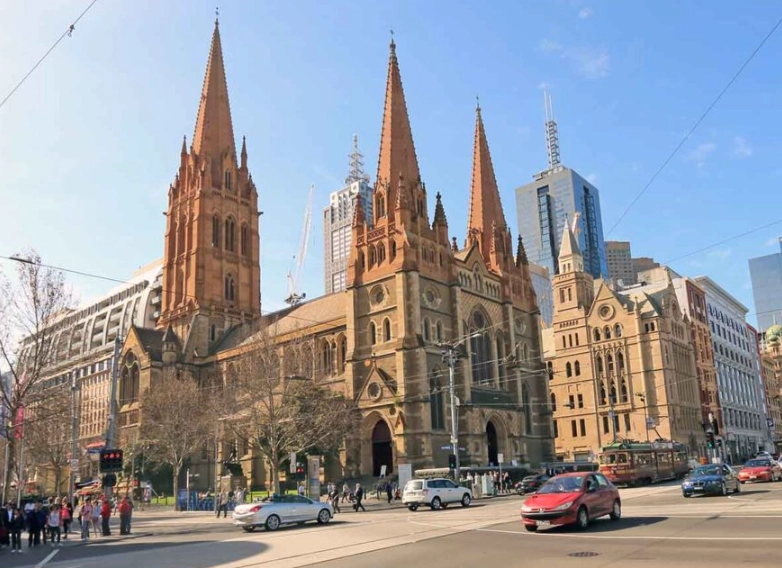
A Quick-Reference Table of Major Melbourne Tourism Places
| Place | Area | Key Thing | Cost Tip |
|---|---|---|---|
| Federation Square | CBD | Iconic meeting point, architecture, NGV Australia | Free to explore, NGV free entry |
| Hosier Lane | CBD | World-famous street art & graffiti | Completely free |
| Queen Victoria Market | CBD/North Melbourne | Historic open-air market, food, shopping | Free entry, pay for food/shopping |
| Royal Botanic Gardens | South Yarra | Vast, beautiful gardens, city escape | Free entry |
| NGV International | Southbank | World-class art museum | Free general entry, fee for special exhibitions |
| St Kilda Pier | St Kilda | Beach vibes, penguin viewing (dusk) | Free (penguin viewing) |
| Melbourne Museum | Carlton | Natural & cultural history, interactive | Entry fee applies, but worth it |
| Fitzroy (Brunswick St) | Fitzroy | Hipster capital, shopping, cafes, bars | Free to explore, pay for shopping/food |
| MCG Tour | East Melbourne | Behind-the-scenes of iconic sports stadium | Tour fee applies, check website |
Answers to Questions You’re Probably Asking
The bottom line? Melbourne’s best tourism places are a mix of the famous and the discovered. See the icons, but then wander. Turn down a lane you don’t know. Get on a tram and see where it goes. Have a coffee just because the place looks good. That’s how you find the real Melbourne.

Comments
Join the discussion