Your Data Roadmap
- Why Bother with the Numbers?
- Where Does This Data Even Come From?
- The Big Picture: Key Numbers You Need to Know
- Breaking It Down: Where Are Tourists Going and What Are They Doing?
- Who's Coming? A Look at Major Source Markets
- Beyond Arrivals: The Metrics That Actually Matter
- Common Questions About Malaysia Tourism Statistics (Answered)
- The Future, Read Through the Data
Let's be honest, when you hear "Malaysia tourism statistics," your eyes might glaze over a bit. Numbers, charts, percentages... it can feel dry. But stick with me, because buried in those digits is the real story of a country bouncing back, shifting gears, and figuring out what travelers actually want. I've spent more time than I'd care to admit sifting through reports from Tourism Malaysia and the Department of Statistics, and what I found surprised me. It's not just about counting heads at the airport.
These figures are a pulse check. They tell you which places are getting crowded (and maybe which hidden gems are still quiet), where the money's flowing, and how the whole industry is reshaping itself after a global shutdown. Whether you're a traveler trying to pick the perfect spot, a business owner looking for opportunity, or just a data nerd like me, understanding these stats gives you a serious edge.
Why Bother with the Numbers?
Okay, so why should you care? Well, for starters, these stats are way more practical than they seem. If you're planning a trip, knowing the latest Malaysia tourism statistics helps you avoid the worst of the crowds. Seeing that Langkawi got 20% more visitors last quarter? Maybe consider the Perhentian Islands instead. It's about smarter travel.
For anyone in business—whether you run a guesthouse in Penang or sell souvenirs online—this data is pure gold. It shows you where visitor spending is increasing, which nationalities are traveling more, and what kind of experiences they're seeking. Ignoring it is like sailing without a map.
And look, the government uses these numbers to decide everything from infrastructure budgets to which cultural festivals get promoted internationally. The latest Malaysia tourism statistics directly influence what new attractions get built or which airports get upgrades. It's all connected.
Where Does This Data Even Come From?
This is where things get interesting, and where a lot of casual analyses fall short. Malaysia's tourism data isn't pulled from thin air. It's a patchwork from several key sources, and knowing this helps you judge how accurate the picture really is.
The main source is immigration data. Every international arrival and departure card gets processed. This gives the raw count of foreign visitor arrivals, broken down by nationality. It's solid for the "how many" question. The official portal for this is the Ministry of Tourism, Arts and Culture Malaysia (MOTAC), which publishes monthly and annual reports.
But a headcount is only half the story. To understand the "what" and "why," Tourism Malaysia conducts regular tourist satisfaction surveys and exit surveys at airports. They ask about spending, accommodation choices, activities enjoyed, and overall impressions. This qualitative layer is crucial. It turns a number like "5 million visitors" into "5 million visitors who spent an average of RM300 per day mainly on food and shopping."
Then there's industry data. Hotel occupancy rates, average room rates from properties registered with the tourism ministry, and attraction ticket sales. This info often comes with a slight lag but adds depth. Sometimes you'll see slight discrepancies between sources—maybe immigration counts a visitor who stayed for 6 hours on a layover, but the hotel data doesn't capture them. It's good to be aware of that.
The Big Picture: Key Numbers You Need to Know
Let's talk about the headline figures. The post-pandemic recovery has been the dominant story, and honestly, it's been a rollercoaster. Pre-2020, Malaysia was flirting with crossing the 30 million international tourist mark. Then, well, we all know what happened.
The comeback has been stronger than many predicted, though maybe not as fast as some officials hoped. The latest full-year data shows international arrivals surging back, driven initially by neighboring Singapore and then by longer-haul markets. But here's the thing—the composition has changed. The proportion of tourists from East Asia shifted for a while, while arrivals from the Middle East and Central Asia showed interesting growth. It's a real-time lesson in how global travel patterns are remapping themselves.
Domestic tourism statistics became the hero during the lockdown years. When borders were shut, Malaysians explored their own backyard. This led to a rediscovery of local spots and put pressure on destinations like Genting Highlands and Desaru Coast to up their game for the local market. That shift has had a lasting effect.
| Year | International Tourist Arrivals (Approx.) | Key Driver / Note |
|---|---|---|
| 2019 (Pre-Pandemic) | ~26.1 million | Record year, strong growth from China & ASEAN. |
| 2020 | ~4.3 million | Severe border restrictions for most of the year. |
| 2021 | ~130,000 | Extremely tight controls, limited travel bubbles. |
| 2022 | ~10.1 million | Reopening surge, led by Singapore and Indonesia. |
| 2023 | ~20.1 million | Strong recovery towards pre-pandemic levels. |
Spending patterns are another goldmine of insight. Per capita tourist expenditure didn't just recover; in some segments, it exceeded 2019 levels. Why? My theory is that the travelers who came first were those with pent-up demand and disposable income—less budget backpacking, more quality-focused travel. The data on shopping versus experiential spending (like diving packages or guided eco-tours) also tells a story of a more experience-hungry visitor.
Breaking It Down: Where Are Tourists Going and What Are They Doing?
This is probably the most useful part for anyone making plans. The national Malaysia tourism statistics get interesting when you slice them by state and city.
Top Destinations by Visitor Numbers
No prizes for guessing the usual suspects, but the rankings have seen some jostling. Kuala Lumpur, as the main gateway, consistently tops the chart. But the gap between KL and places like Selangor (which benefits from proximity to the capital and the airport) and Penang is worth noting. Penang's mix of food and culture gives it a incredibly resilient appeal. Meanwhile, Sabah and Sarawak hold their own with unique eco-tourism and adventure draws that attract a specific, often higher-spending, crowd.
What's been fascinating is the rise of secondary cities. Ipoh, Malacca, and even Kuching are seeing increased mentions in survey data as primary destinations, not just stopovers. Travelers are spreading out.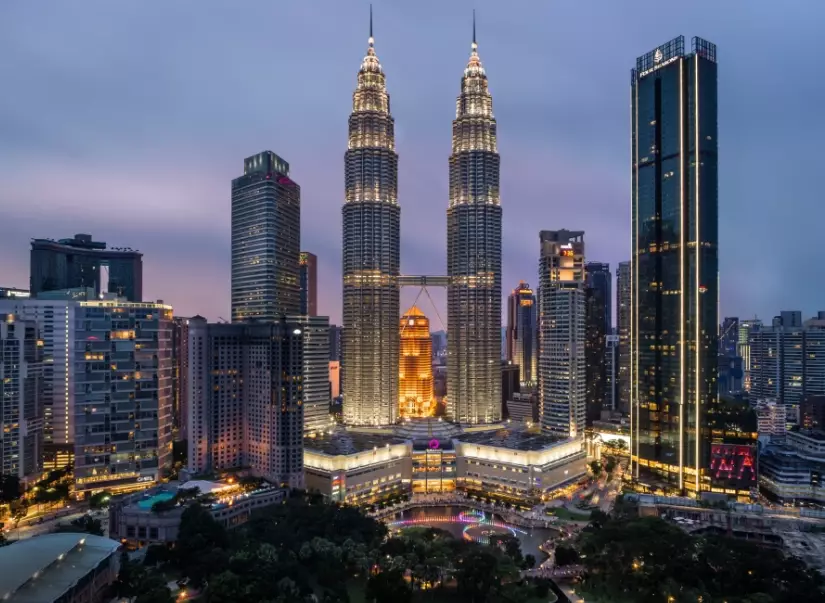
What's Hot: Activity Trends from the Data
Surveys consistently show that food is the undisputed king. Culinary tourism isn't a niche anymore; it's the main event for a huge chunk of visitors. After that, it's a mix:
- Shopping: Still massive, but the focus might be shifting from mega-malls to boutique and craft markets.
- Nature & Adventure: Post-pandemic, there's a clear bump in demand for hiking, diving, and rainforest experiences. This plays right into Malaysia's strengths.
- Cultural & Heritage Sites: Steady and important. Places like George Town and the historical sites of Malacca remain core pillars.
I remember talking to a tour operator in Langkawi who said his post-2022 customers were less interested in generic island tours and more keen on specific things like mangrove kayaking or visiting the geoforest park. The numbers back up his anecdote.
A Personal Observation on the Data
Reading through the latest tourist satisfaction surveys on the MOTAC site, one thing jumps out: the growing importance of "cleanliness" and "safety" as top-rated factors. It's always been there, but it's scored even higher recently. This isn't just about hygiene; it's about feeling secure and welcomed. Destinations that nail that, according to the stats, see better repeat visitation rates. It's a simple but powerful lesson that sometimes gets lost in the glamour of promoting attractions.
Who's Coming? A Look at Major Source Markets
The leaderboard of where tourists come from has seen the biggest shake-up. The traditional top five—Singapore, Indonesia, China, Thailand, and Brunei—remained, but the volumes and proportions changed dramatically with travel restrictions.
Singapore, for obvious geographical and familial reasons, will always be number one. The data shows a huge volume of frequent, short-duration visits. Indonesian arrivals, particularly from Sumatra and Kalimantan, are also incredibly resilient and crucial for border states like Johor and Sarawak.
The China market story is a saga in itself. Pre-pandemic, it was the third-largest and the fastest-growing in terms of spending. The recovery of this market has been slower and more complex, influenced by international flight capacity and economic factors. The latest Malaysia tourism statistics will be watching this space closely, as its return is pivotal for certain sectors like luxury retail and packaged tours.
But the interesting growth has come from elsewhere. There's been a noticeable and sustained increase in arrivals from the Middle East (especially Saudi Arabia and the UAE), India, and South Korea. The reasons vary—better air connectivity, targeted marketing (like promoting Muslim-friendly tourism), and the global popularity of Korean culture driving interest in Southeast Asia.
Beyond Arrivals: The Metrics That Actually Matter
Anyone obsessed only with arrival numbers is missing the point. Here are three other metrics from Malaysia's tourism statistics that I think are more telling:
- Average Length of Stay (ALOS): This tells you if people are popping in for a weekend or settling in for a proper holiday. A longer ALOS generally means more economic impact per visitor. Post-pandemic, this number dipped initially as regional travel dominated, but is it climbing back?
- Average Tourist Expenditure (ATE): How much is each visitor spending per day, and on what? Are they splurging on hotels, food, or experiences? This metric directly impacts the industry's revenue and helps businesses tailor their offerings.
- Repeat Visitation Rate: This is the holy grail of satisfaction. What percentage of visitors are coming back to Malaysia for a second or third time? A high rate means the country is doing something right to create lasting appeal beyond the first-time novelty.
You can find deep dives into these specific metrics in the research publications section of the Department of Statistics Malaysia (DOSM) website. It's drier reading, but it's where the real insights live.
Common Questions About Malaysia Tourism Statistics (Answered)
1. Ministry of Tourism, Arts and Culture Malaysia (MOTAC): Look for the "Statistics" or "Research" section.
2. Department of Statistics Malaysia (DOSM): Search for "Tourism Satellite Account" or related reports.
News articles often summarize this data, but going to the source lets you see the full context.
The Future, Read Through the Data
So, where is all this headed? The Malaysia tourism statistics aren't a crystal ball, but they show clear trajectories. Sustainable and eco-tourism isn't just a buzzword; the data shows growing tourist interest and spending in these areas. The government's focus on promoting niche segments like medical, education, and golf tourism is a direct response to what the numbers say about high-spending, long-stay visitors.
Digitalization is another silent trend. How many tourists book online, use ride-hailing apps, or rely on social media for travel decisions? Survey data tracks this closely, and it's reshaping how destinations must market themselves and manage the visitor experience.
Finally, the data underscores a relentless need for quality and consistency. Tourist satisfaction scores highlight where the pain points are—whether it's public transport connectivity in certain areas, language barriers, or service quality. Addressing these, as shown in the statistics, has a direct correlation with repeat visitation and positive word-of-mouth, which is the most powerful marketing of all.
In the end, Malaysia's tourism statistics are more than just a scorecard. They're a conversation—a detailed, ongoing feedback loop between a country and its visitors. Understanding that conversation is the key to everything, from planning a perfect holiday to building a tourism business that lasts.
And honestly, once you start seeing the stories in the spreadsheets, it's hard to stop looking.






Comments
Join the discussion