Quick Guide
- Singapore's Weather: It's Not Just "Hot and Humid"
- Month-by-Month Breakdown: The Good, The Bad, The Sweaty
- The Haze Factor: The Unpredictable Game Changer
- Best Month for Your Travel Style
- Practical Tips for Any Month You Choose
- Common Questions (The Stuff You're Really Wondering)
- Final Verdict: So, What Month IS Best?
Let's cut to the chase. You typed "what month is best to visit Singapore?" into Google because you want a straight answer, not a history lesson. The short, classic answer is February to April. That's the sweet spot between the wetter end of the Northeast Monsoon and the blazing heat that comes later. Less rain, tolerable heat, decent air. Sounds good, right?
But here's the thing. My "best" might be your "meh." If you're chasing sales, July's Great Singapore Sale is your jam. A foodie? Maybe you want to brave the humidity for the Singapore Food Festival. A budget backpacker? The shoulder months might be your secret weapon.
So instead of just giving you one answer, let's break down every single month. We'll talk weather you can actually understand (not just numbers), crowd levels that affect your hotel bill, what's actually happening on the ground, and the pros and cons no one else mentions. I've been caught in enough sudden downpours on Orchard Road and melted into a puddle at Gardens by the Bay to give you the real talk.
Singapore's Weather: It's Not Just "Hot and Humid"
Everyone says Singapore is hot and humid. Yeah, no kidding. It's a tropical rainforest climate. But that umbrella term hides the real shifts that make or break your trip. The two main monsoon seasons dictate everything.
The Northeast Monsoon (Dec to early Mar) brings more consistent, sometimes heavy rain, especially in December and January. The Southeast Monsoon (Jun to Sep) tends to be drier, but "drier" here means short, sharp afternoon showers and often hotter days. Then there are the Inter-Monsoon periods (Apr-May and Oct-Nov) which are known for more thunderstorms, higher humidity, and... the dreaded haze. More on that later.
The temperature barely budges year-round. Average highs sit around 31-32°C (88-90°F), and lows around 24-25°C (75-77°F). So when we talk about weather, we're really talking about rainfall, humidity percentage, and that wildcard: haze.
Month-by-Month Breakdown: The Good, The Bad, The Sweaty
Here’s the real meat of it. Let’s go month by month. I've thrown in a table for the skimmers, but the details are where the truth lies.
| Month | Weather Vibe | Crowds & Prices | Key Events | Best For... | Think Twice If... |
|---|---|---|---|---|---|
| January | Wettest month of NE Monsoon. Frequent, heavy showers. Relatively "cooler". | High post-New Year. Prices still up from holiday season. | New Year sales tail end, Thaipusam (movable). | Lush greenery, indoor attractions, museum hopping. | You want guaranteed dry days for beach clubs or zoo trips. |
| February | Rain starts to ease. One of the more pleasant months. Good air quality. | Starts to dip after CNY. Good deals possible post-CNY. | Chinese New Year (big!), River Hongbao. | **Strong contender for best month.** Balanced weather, cultural spectacle. | You dislike crowds/closures during CNY week. |
| March | End of NE Monsoon. Lower rainfall, warm days. Often excellent weather. | Shoulder season. Decent crowds and prices. | Singapore Food Festival (sometimes starts), Hari Raya Puasa (movable). | **Top pick for weather.** Outdoor exploring, gardens, hikes. | You're extremely heat-sensitive (it's still hot). |
| April | Inter-monsoon. Heat & humidity ramp up. Afternoon thunderstorms common. | Shoulder, can creep up near Easter/school holidays. | Singapore International Film Festival, Vesak Day (movable). | Last call for good weather before intense heat. Pool weather. | You're hoping for cool breezes (they're gone). |
| May | Start of SE Monsoon. Hotter. Short, intense showers. Haze risk begins. | Shoulder to low. Good for deals. | Vesak Day, Great Singapore Sale (may start). | Budget travelers, shoppers if sale starts. | Haze is a deal-breaker for you. |
| June | SE Monsoon proper. Drier but hottest month. High haze risk. | High due to global school summer breaks. Peak prices. | Great Singapore Sale, Singapore Food Festival. | Shoppers, families tied to school holidays. | You hate extreme heat and peak crowds/prices. |
| July | Similar to June. Hot, dry-ish, high haze potential. Occasional "Sumatra squalls". | Peak continues. Very busy. | Great Singapore Sale, Singapore Food Festival, National Day prep. | Festival-goers, big event seekers. | You value cool weather and personal space. |
| August | Weather similar to July. Haze can peak. Hottest temps common. | Peak starts to wind down late month. | National Day (9th!), Hungry Ghost Festival. | Experiencing National Day fervor and fireworks. | Haze and heat are your top concerns. |
| September | SE Monsoon tails off. Slight reduction in heat. Haze may persist. | Drops to shoulder season. Better deals appear. | F1 Singapore Grand Prix (check year), Mid-Autumn Festival. | F1 fans (biennial), better deals than summer. | Grand Prix week means sky-high prices and crowds. |
| October | Inter-monsoon returns. More thunderstorms. Haze *usually* clears. | Shoulder season. Good value. | Deepavali (movable), Halloween events. | Cultural festivals, value seekers. | You're fed up with rain chances. |
| November | Start of NE Monsoon. Increased rainfall. More overcast days. | Low season (except for Thanksgiving week). Best hotel deals. | Deepavali, Christmas light-ups begin. | Budget travelers, Christmas atmosphere lovers. | You have a packed outdoor itinerary. |
| December | Peak of NE Monsoon. Very wet. But also festive and "cool". | Very high over Christmas/New Year. Book far ahead. | Christmas celebrations, New Year's Eve countdowns. | Festive magic, indoor & culinary experiences. | Your dream is sunny beach days. |
See what I mean? Asking "what month is best to visit Singapore?" suddenly has layers. February is great, but packed for CNY. March is weather-perfect. July has the buzz but the heat and crowds are no joke.
The Haze Factor: The Unpredictable Game Changer
This deserves its own section. Between June and October, but peaking around August-September, Singapore can be affected by transboundary haze. It's smoke from forest fires in neighboring regions that blows over. It's not always bad, but when it is, it can range from a light mist to a serious health concern that ruins visibility and outdoor plans.
I was there in September 2019 when the PSI (Pollutant Standards Index) hit "Unhealthy" levels. The sky was an eerie orange, the iconic Marina Bay Sands towers were ghosts, and there was a constant burnt smell. Everyone wore masks. Outdoor events got canceled. It sucked.
Best Month for Your Travel Style
Let's match your travel personality to the calendar.
For Families with School Kids
You're often locked into June, July, or December holidays. June/July are hot, hazy, and expensive, but everything is open and buzzing. December has more rain but fantastic Christmas vibes and slightly better temperatures. Book flights and hotels the second you know your dates. Seriously.
For Budget Backpackers & Solo Travelers
Your sweet spots are the shoulder months: late April to early June (watch for haze), and September to November (watch for rain). You'll find better hostel and flight deals. November can be a steal. Hostels are more social, and you're not fighting peak-season crowds at hawker centres.
For Foodies
Any time is good for food, but for events, target the Singapore Food Festival (usually July). For comfortable street food crawling without sweating through your shirt, the cooler, drier months of February and March are supreme. Sitting at an outdoor Newton Food Centre table in August? That's a sweaty, dedicated mission.
For Shopaholics
The Great Singapore Sale (typically late May to late July) is your pilgrimage. June is the core month. It's not like the old days of crazy discounts, but you'll still find good deals, especially on fashion and electronics. Just be ready for malls packed with other sale hunters.
For Festival & Culture Chasers
Plan around specific events: Chinese New Year (Jan/Feb - incredible but busy), Deepavali (Oct/Nov - Little India is magical), National Day (August 9th - huge patriotism), or the F1 Night Race (biennial, usually Sep). Check exact dates as they change yearly.
Practical Tips for Any Month You Choose
No matter when you answer the "what month is best to visit Singapore" question for yourself, these tips hold true.
Always Carry: A foldable umbrella. A portable fan. A reusable water bottle (tap water is safe). A light cardigan for freezing air-conditioned malls and MRT trains. The temperature shift from outside to inside is jarring.
Footwear: Comfortable, breathable shoes that can get wet. You will walk, and you might get caught in a shower.
Booking Strategy: For popular hotels like Marina Bay Sands or boutique options in Kampong Glam, book months in advance for peak seasons (Jun-Aug, Dec, CNY). For shoulder seasons, a few weeks is usually fine. Use aggregator sites, but sometimes the hotel's own site has better packages.
Getting Around: The MRT (subway) is fantastic, air-conditioned, and cheap. Get a tourist pass or simply tap a credit card with contactless payment. Grab (SE Asia's Uber) is everywhere for taxis. Walking is great in districts but prepare for the humidity.
Common Questions (The Stuff You're Really Wondering)
Final Verdict: So, What Month IS Best?
If I'm forced to pick, and I'm talking to a friend who just wants a great all-around first trip, I say: **March.** Here’s why.
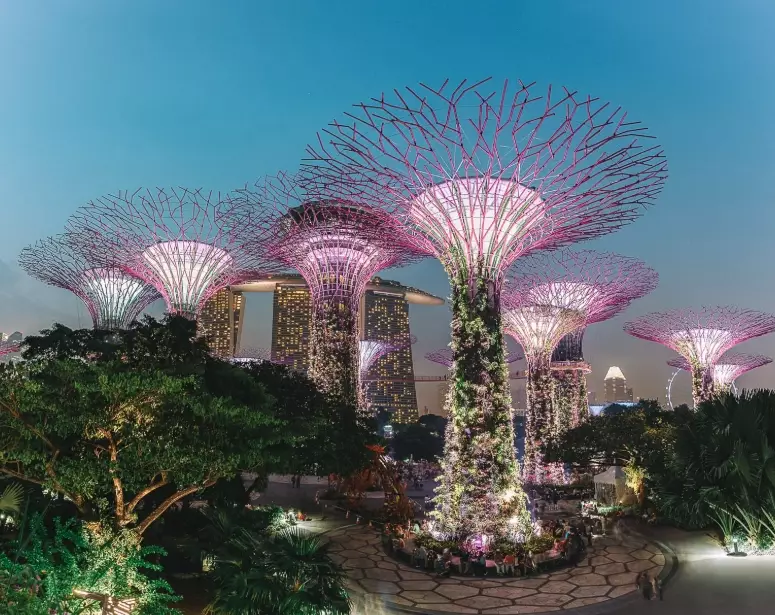
The heavy rains of the year-end are gone. The intense heat and haze of mid-year haven't arrived yet. The air is clearer. It's shoulder season, so crowds and prices aren't at their peak. Major festivals like Chinese New Year have passed, so things are calmer. It's just a solid, reliable month to experience outdoor marvels like Gardens by the Bay, explore neighborhoods on foot, and not feel like you're constantly battling the elements.
But maybe you're not my friend asking for a default. Maybe you're a shopper, a festival junkie, or a budget explorer. That's why we did this deep dive.
That's how you truly answer "what month is best to visit Singapore" for yourself. You've got the data, the real-talk pros and cons, and the local tips. The best month is the one that lines up with what you want out of your Singapore adventure. Now go book that trip.
P.S. Whatever month you pick, book a hotel with a good pool. You'll thank me later.


Comments
Join the discussion