Quick Guide
- When is the Absolute Best Time for Your France Adventure?
- Beyond Paris: A Quick Tour of France's Incredible Regions
- Let's Talk Money: A Realistic France Trip Budget
- Crafting Your Dream Itinerary: From 5 Days to 2 Weeks
- Navigating France: Transport, Accommodation & Food Like a Pro
- Practicalities & Etiquette: Don't Be "That" Tourist
- Your France Tourism Questions, Answered (FAQ)
- Wrapping Up: Your France Trip Awaits
Okay, let's be honest. When you think about France tourism, your mind probably floods with images straight out of a movie. The Eiffel Tower sparkling at night, fields of lavender in Provence, sipping wine in a Bordeaux chateau. It's beautiful, sure. But planning an actual trip? That's where the headache starts. I remember my first time planning a France trip. I was drowning in a sea of brochures, conflicting blog advice, and a paralyzing fear of missing out. Should I go in spring? Is summer too crowded? How on earth do I even begin to budget for this?
If that sounds familiar, take a breath. This isn't another generic listicle. This is the guide I wish I had. We're going to strip away the glossy fantasy and build a practical, unforgettable France travel plan from the ground up. We'll talk about the best times to go (and the times you might want to avoid), how to manage your money without surprise heart attacks, and how to craft an itinerary that actually feels like a vacation, not a military drill.
France tourism is more than just ticking off landmarks. It's about the smell of fresh bread in a morning market, the frustration of a wrong turn that leads to a perfect little square, and the simple joy of people-watching from a café terrace. Let's get into it.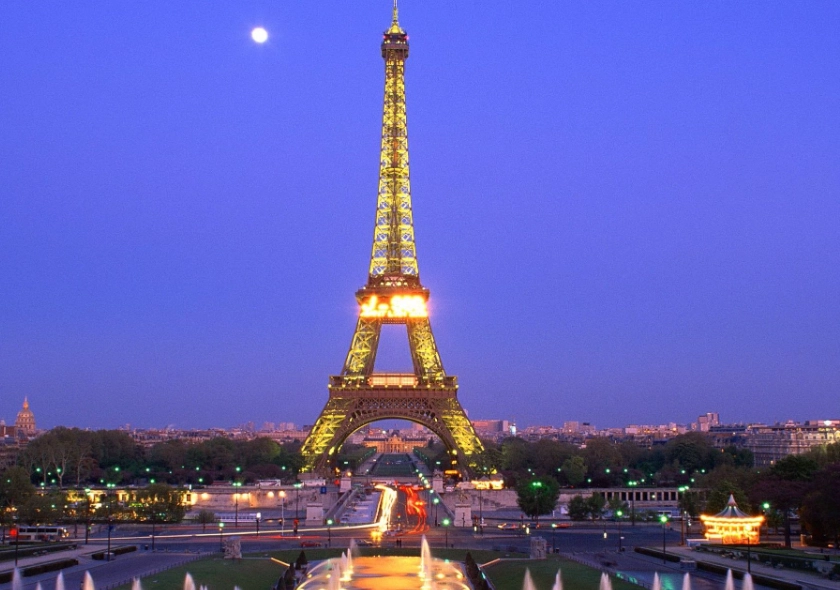
When is the Absolute Best Time for Your France Adventure?
This is the million-dollar question, and the answer is: it depends entirely on you. There's no single "perfect" time, but there's definitely a perfect time for *your* priorities.
I made the mistake once of going to Paris in peak August because I got a "good deal" on flights. Let's just say the experience of shuffling shoulder-to-shoulder in 90-degree heat down the Champs-Élysées, with half the shops closed for *les vacances* (the national summer holidays), was less than romantic. Lesson learned.
Here’s a breakdown to help you decide. Think of this as your personal cheat sheet.
| Season | Months | The Vibe & Weather | Perfect For... | The Catch |
|---|---|---|---|---|
| Spring (Shoulder) | April - June | My personal favorite. Days are longer, flowers are blooming (think Parisian parks & Provencal poppies), temps are mild (50-70°F/10-21°C). | City exploration, garden visits, hiking, photography. The countryside is stunning. | Can be unpredictable with rain, especially in April. Late June starts getting busy. |
| Summer (Peak) | July - August | Hot, sunny, and vibrant. Everything is open, full of energy, and beach weather is guaranteed in the south. | Beach holidays (French Riviera, Brittany), festivals, outdoor dining, nightlife. | Crowds everywhere. Prices peak. Heatwaves can be intense. Some city shops/restaurants close for holiday. |
| Autumn/Fall (Shoulder) | September - November | Second favorite! September is often glorious—warm, sunny, but less crowded. October brings fall colors and wine harvests (*les vendanges*). | Wine region tours (Bordeaux, Burgundy), forest walks, cultural trips, food festivals. | Weather cools and becomes rainier from late October. Some seasonal attractions close after October. |
| Winter (Low) | December - March | Cold, especially in the north. Short days. But magical in its own way. | Christmas markets (Strasbourg is legendary), skiing in the French Alps, museum trips without crowds, cozy café culture. | Many rural and coastal hotels/restaurants are closed. Some attractions have shorter hours. |
See? It's about matching the season to your dream activities. Planning your France tourism around a wine harvest or a quiet museum visit makes all the difference.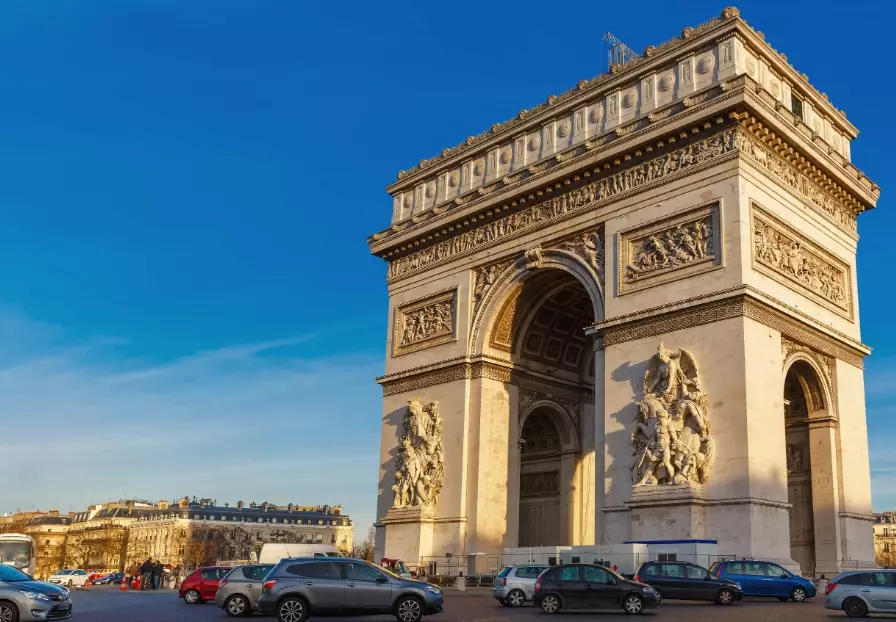
Beyond Paris: A Quick Tour of France's Incredible Regions
Paris is the headliner, but France's soul is in its regions. Trying to see it all in one trip is a recipe for exhaustion. I'd recommend picking one or two regions to explore deeply, especially if you have under two weeks.
Here’s a brutally honest, quick-fire rundown of some major areas to fuel your France travel planning.
The North & Parisian Basin
Paris & Île-de-France: Obviously. World-class art, food, architecture. But it's busy, expensive, and can feel impersonal. Worth it, but balance it with quieter spots.
Normandy: Dramatic cliffs (Étretat), D-Day history, and incredible dairy (Camembert cheese!). Moody, green, and profoundly moving.
Loire Valley: Fairytale chateaux (Chambord, Chenonceau) dotted along a gentle river. Perfect for cycling, history, and feeling like royalty.
The East
Alsace: Feels like a storybook. Half-timbered houses, stork nests, and the best Christmas markets on the planet. The food is a hearty, delicious German-French fusion.
Burgundy: Rolling hills, world-famous vineyards (Pinot Noir, Chardonnay), and a slower pace of life. A food and wine pilgrimage site.
French Alps: Jaw-dropping mountains. Summer hiking is pristine; winter skiing is world-class (Chamonix, Courchevel). Not just a winter destination.
The South
Provence: Lavender fields, hilltop villages (Gordes, Roussillon), Roman ruins (the Pont du Gard is insane). Hot, dry, and fragrant in summer. Can be over-touristed in hotspots.
French Riviera (Côte d'Azur): Glamorous beaches (Nice, Cannes), perched villages (Èze), and absurdly blue water. Stunning, but the most expensive coastal area and traffic is hell in summer.
Occitanie (Toulouse, Carcassonne): The pink city of Toulouse, the fortified medieval city of Carcassonne, and the wide-open spaces of the Cathar country. Sunny, with a distinct southwestern culture.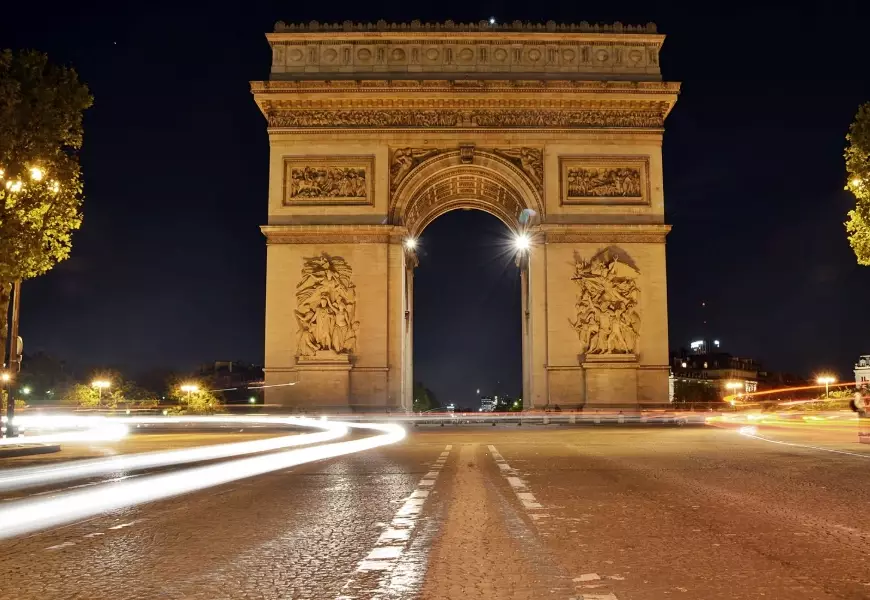
The West & Atlantic Coast
Brittany: Wild coastlines, prehistoric standing stones (Carnac), crepes, and cider. Has a strong Celtic identity—feels different from the rest of France.
Bordeaux & Nouvelle-Aquitaine: Elegant city of Bordeaux, endless vineyards, Europe's largest sand dune (Dune du Pilat), and surf spots. Sophisticated and diverse.
Let's Talk Money: A Realistic France Trip Budget
Budgeting for France tourism causes more anxiety than anything else. Is it expensive? Yes, especially Paris and the Riviera. Can you do it on a moderate budget? Absolutely, with some smart choices.
Here’s a daily budget range per person (excluding international flights). These are 2024 estimates to give you a ballpark.
- Budget Traveler (€60-€100/day): Hostel dorms or budget hotels/B&Bs, picnics and bakery lunches, occasional cheap restaurant meal, public transport, mostly free sights.
- Mid-Range Traveler (€100-€250/day): Comfortable 3-star hotels or nice Airbnbs, daily café breakfast, one nice restaurant meal per day, mix of paid attractions and free wandering, regional train travel.
- Luxury Traveler (€250+/day): 4/5-star hotels, fine dining, private tours, first-class trains, taxis, exclusive experiences.
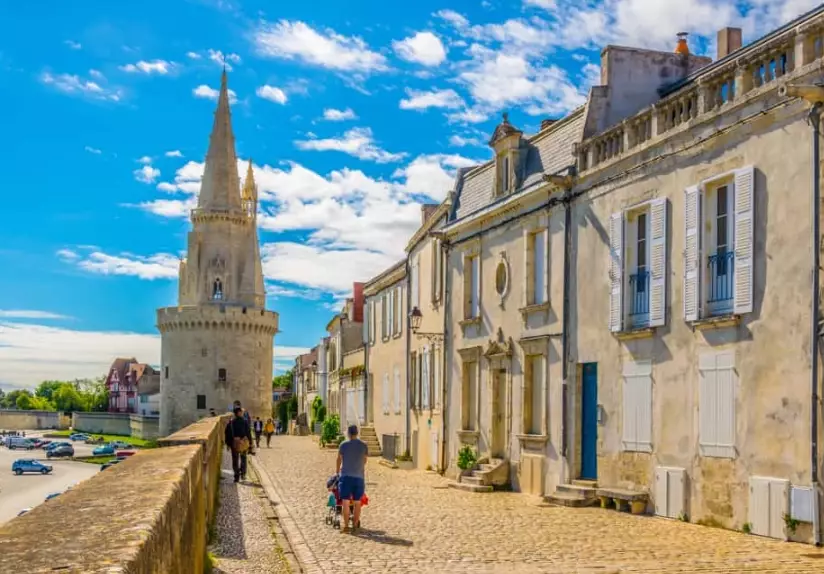
Where does the money go? Let's break down the big costs.
Accommodation: This is your biggest variable. Paris and the Riviera will gouge you. Consider staying in smaller towns just outside major hubs (e.g., Versailles near Paris, Villefranche-sur-Mer near Nice). Booking.com is widely used, but for a more local feel, check out the Gîtes de France network for rural cottages or the official France Tourism Board website for curated ideas.
Food & Drink: You can eat very well without going broke.
- Breakfast: Skip the overpriced hotel buffet. Grab a coffee and a croissant from a *boulangerie* for under €5.
- Lunch: Look for *prix-fixe* menus (*formule*). Many restaurants offer a 2- or 3-course lunch deal for €15-€25 that would cost double at dinner.
- Dinner: This is your splurge. Research restaurants in advance. A tip: restaurants with menus translated into 10 languages on a board outside are often tourist traps. Look for places with a handwritten slate menu (*ardoise*).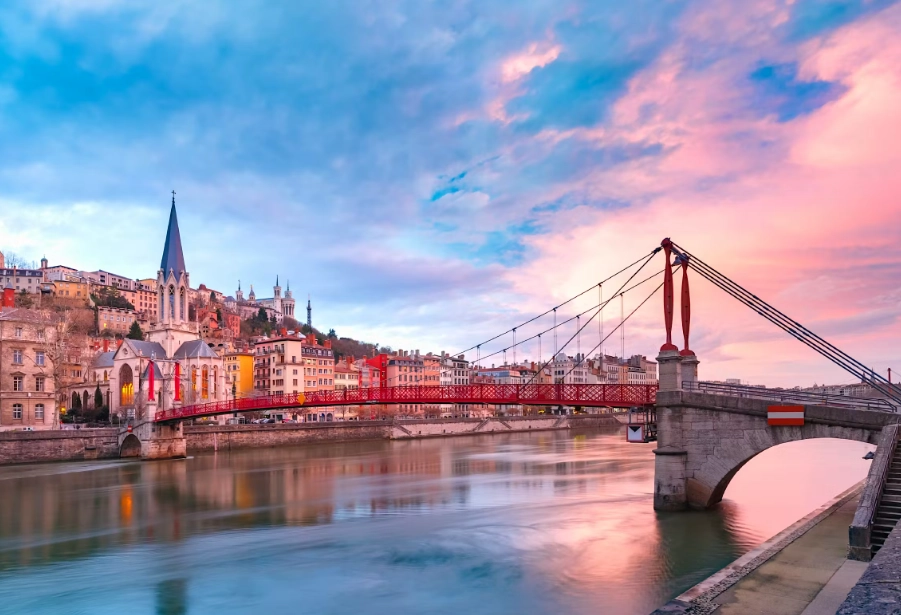
Transportation: The French rail network (SNCF) is excellent. Book high-speed TGV trains well in advance on SNCF Connect for the best fares. For regional exploration, consider renting a car. It's the only way to reach many charming villages and vineyards. Compare prices on aggregator sites, but book directly with a reputable company.
Sights & Activities: Major museums are pricey (Louvre €17, Versailles €19). The Paris Museum Pass can save money if you're a museum marathoner. Many national museums are free on the first Sunday of the month (but are packed). Often, the best France tourism experiences are free: wandering medieval streets, hiking a coastal path, or visiting a local market.
Crafting Your Dream Itinerary: From 5 Days to 2 Weeks
How much time do you need? For a first-timer, I'd say 10 days is a sweet spot to get a real taste without burnout. Here are two sample frameworks.
The Classic First-Timer (10 Days)
Days 1-4: Paris. Don't rush. See the icons (Eiffel Tower, Louvre, Notre-Dame), but spend equal time in neighborhoods like Le Marais, Saint-Germain-des-Prés, and Montmartre. Get lost. Have a picnic in the Luxembourg Gardens.
Days 5-7: Loire Valley. Take a train to Tours or Blois. Rent a car. Spend 3 days visiting chateaux. Stay in a B&B in a small village like Amboise or Chenonceaux. Cycle along the river.
Days 8-10: Normandy or Provence. Fly or take a fast train from Tours.
- Option A (Normandy): Rent a car in Caen. Visit the D-Day beaches, Bayeux Tapestry, and Mont Saint-Michel.
- Option B (Provence): Train to Avignon. Rent a car. Explore the Roman theater in Orange, the Pont du Gard, and hilltop villages. In summer, chase the lavender fields around Valensole.
The Southern Sun & Culture (14 Days)
Days 1-3: Nice & the Riviera. Use Nice as a base. Day trip by train to Monaco, Èze, or Cannes. Soak up the Mediterranean vibe on the Promenade des Anglais.
Days 4-6: Provence. Train to Aix-en-Provence or Avignon. Rent a car. Explore as above. This is the heart of classic France tourism imagery.
Days 7-10: French Alps. Drive or train to Annecy (the "Venice of the Alps") or Chamonix. Hike, take cable cars, breathe the mountain air. A stunning contrast to the south.
Days 11-14: Lyon & Beaujolais. Train to Lyon, France's gastronomic capital. Food tours are a must. Do a day trip to the Beaujolais wine region for lighter, fruitier reds.
The key? Build in downtime. A travel day is not a sightseeing day. Factor in time for train delays, long lunches, and simply sitting in a park.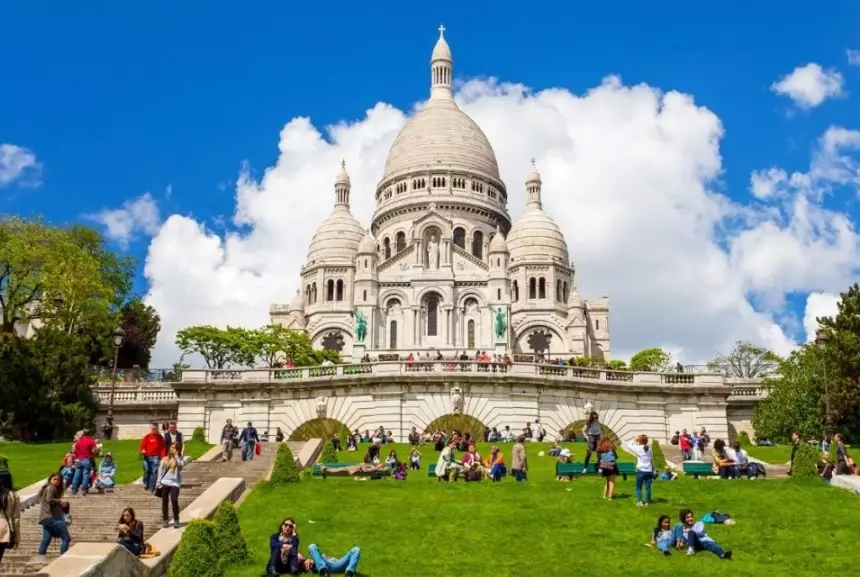
Navigating France: Transport, Accommodation & Food Like a Pro
Getting Around
Trains: The backbone. SNCF's TGV is fast and comfortable. For multiple long journeys, check if a Eurail/Interrail France Pass makes sense. Regional TER trains are slower but serve smaller towns.
Driving: Essential for the countryside. Roads are good. Roundabouts are everywhere. Tolls (*péages*) on autoroutes are expensive but save time. Get a small car for narrow village streets.
Flights: Useful for long hops (e.g., Paris to Nice). Compare with train times and costs—the train is often more convenient city-center to city-center.
Where to Stay
Hotels range from basic 1-stars to opulent palaces. *Chambres d'hôtes* (B&Bs) offer a personal touch and often fantastic breakfasts. For apartments, Airbnb is huge, but be mindful of local regulations, especially in Paris. For a unique France tourism stay, consider a vineyard guesthouse, a renovated farmhouse (*gîte*), or even a castle hotel (*château-hôtel*).
Eating & Drinking
French meal etiquette is relaxed but has rules. Say "Bonjour Madame/Monsieur" when entering any shop or cafe. Wait to be seated in restaurants. Service is included (*service compris*), but it's polite to leave small change or round up the bill for good service. Tap water is safe and free—just ask for "une carafe d'eau".
"The true spirit of France tourism is found in the daily ritual of the market. Go not just to buy, but to observe, to smell, to taste a free olive, and to hear the melodic chatter of vendors and locals."
Practicalities & Etiquette: Don't Be "That" Tourist
A little cultural know-how goes a long way in smoothing your trip.
- Language: Always attempt French first, even if it's just "Bonjour" and "Merci." It's a sign of respect. Most people in tourist areas speak English, but they appreciate the effort.
- Dress Code: Casual but neat. Parisians especially dress more formally than average tourists. Leave the gym shorts and flip-flops for the beach. You'll blend in better and often get better service.
- Manners: Politeness is paramount. Greetings are non-negotiable. A simple "Bonjour" when entering and "Au revoir, merci" when leaving any establishment is basic courtesy.
- Safety: France is very safe, but petty theft (pickpocketing, bag snatching) is common in crowded tourist areas. Be vigilant, use a cross-body bag, and don't flash expensive jewelry or phones.
- Health: No special vaccines needed. Pharmacies (marked by a green cross) are everywhere and pharmacists are highly trained—they can advise on minor ailments. Tap water is safe to drink. For EU citizens, the European Health Insurance Card (EHIC) or its replacement (GHIC) is essential. For others, comprehensive travel insurance is a must.
Your France Tourism Questions, Answered (FAQ)
Wrapping Up: Your France Trip Awaits
Planning France tourism can feel overwhelming, but it shouldn't be. Forget the pressure of seeing "everything." There's no such thing. The magic of France isn't in a checklist; it's in the moments between the sights. It's in the cheese shop owner patiently explaining the differences between a dozen types of chèvre. It's in the frustration-turned-triumph of navigating a rural roundabout. It's in the simple, perfect taste of a warm, buttery croissant on a quiet morning.
Use this guide as a starting point, a framework. Then, make the trip your own. Be flexible. Get lost. Say "bonjour" to everyone. And most importantly, give yourself permission to slow down and simply be there. That's when the real adventure—the one you'll remember for years—truly begins.
Bon voyage!

Comments
Join the discussion