Quick Navigation
- First Things First: Getting Your Bearings in KL
- The Must-Sees & The Might-Skips: A Frank Breakdown
- The Soul of the City: Food, Markets & Neighborhoods
- Practicalities: The Nitty-Gritty That Makes or Breaks a Trip
- Structuring Your Days: Sample Itineraries
- Answering Your Burning Questions (The FAQ Section)
- Final Thoughts Before You Go
Let's be real. Planning a trip can feel like a second job sometimes. You're staring at a dozen tabs, trying to figure out what's actually worth your time and what's just a tourist trap. I've been there, especially with a city like Kuala Lumpur. It's this incredible, messy, delicious, and overwhelming blend of everything that makes Malaysia tourism so unique. Is it all about the Petronas Towers? Sure, they're iconic. But the real magic of KL, the stuff that makes you want to extend your flight home, happens at street level. In the sizzle of a wok at a midnight mamak stall, in the cool quiet of a hidden temple, in the chatter of a market where you don't understand a single word but somehow get the best deal of your life.
This guide isn't about giving you a sterile list. It's about giving you the keys to the city. We'll talk about the big-ticket items because you can't skip them, but we'll spend more time on the things that transform a visit into an experience. Whether you have 48 hours or two weeks, this is your blueprint for diving into Malaysia tourism, Kuala Lumpur style.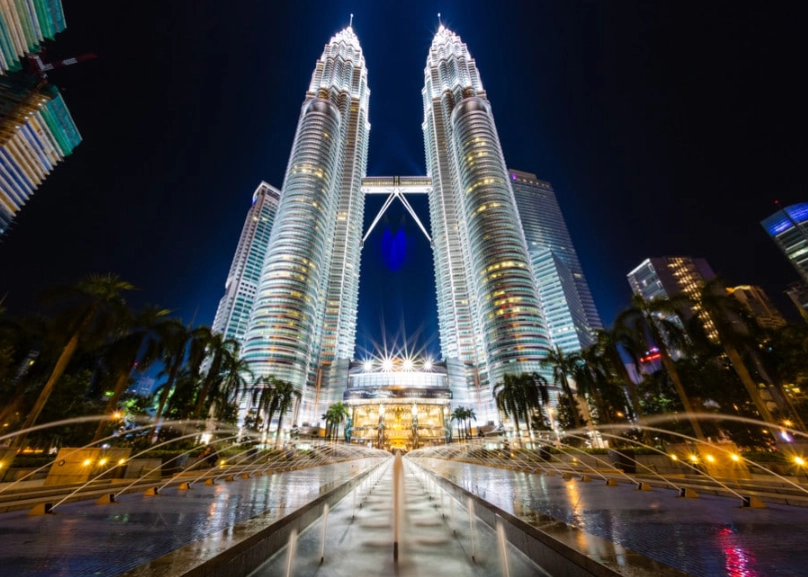
First Things First: Getting Your Bearings in KL
Kuala Lumpur isn't a city you just "wing it" in. It's sprawling, the heat and humidity can be punishing, and the traffic... well, let's just say you'll learn to love the metro. Understanding the lay of the land is your first step to a smooth trip.
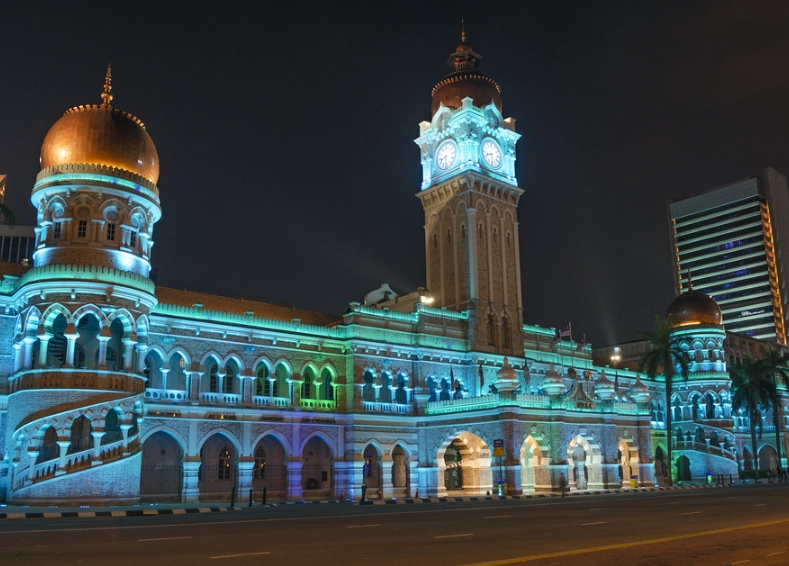
The city center is roughly divided into a few key areas. You've got the Golden Triangle (Bukit Bintang, KLCC) – this is the glitzy, modern heart with the malls, luxury hotels, and yes, the Petronas Towers. Then there's the Historic Core around Merdeka Square, with its colonial buildings and important museums. Brickfields (Little India) and Chinatown are sensory explosions of culture, food, and markets. Further out, but essential, are areas like the Batu Caves and the KL Bird Park.
How do you connect it all?
Grab (the Southeast Asian Uber) is incredibly cheap and efficient for shorter distances or when you're just too tired to walk. For the love of all that is good, avoid regular taxis if you can. They're notorious for refusing meters and overcharging newcomers. The airport? The KLIA Express train to KL Sentral is the fastest and most reliable way in, though airport Grab cars are also reasonably priced.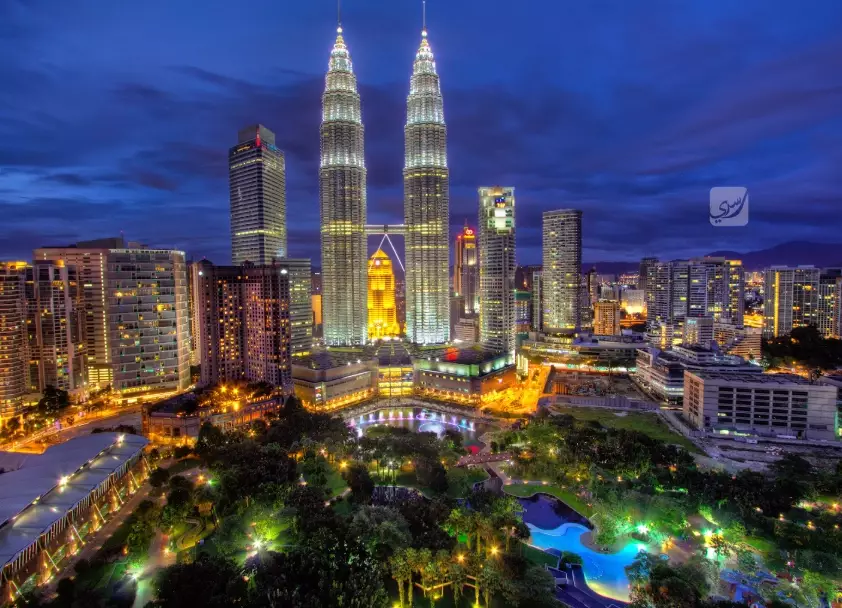
The Must-Sees & The Might-Skips: A Frank Breakdown
Alright, let's talk attractions. Every blog will list the same top 10. I'm going to tell you what they're really like, how much time to give them, and if there's a better alternative.
The Undisputed Champions (Worth the Hype)
Petronas Twin Towers (KLCC): You have to go. I know it's obvious. But seeing them up close, especially at night when they're lit up, is genuinely breathtaking. The trick is how you do it. The skybridge and observation deck are cool, but tickets sell out days in advance. Book online on the official website as soon as you know your date. My personal preference? Skip the paid deck and go to the SkyBar at Traders Hotel for a sunset drink. The view of the towers from there, with the pool lit up in the foreground, is arguably better and comes with a cocktail.
Batu Caves: This is the iconic shot of the giant gold statue and the rainbow steps. It's a active Hindu temple complex in a massive limestone cave. It's incredible, spiritual, and... full of monkeys. Be warned: the macaques are bold. They will steal water bottles, snacks, even shiny objects from unsuspecting hands. Hold your belongings tightly. The climb is 272 steps and can be sweaty, but it's completely manageable. Go early in the morning to beat the heat and the biggest tour groups.
KL Forest Eco Park (Formerly Bukit Nanas Forest Reserve): This is my secret weapon recommendation. Right in the middle of the concrete jungle, you have an actual, preserved patch of ancient rainforest. You can walk on a canopy walkway high above the forest floor. It's shady, cool, and the sounds of the city just fade away. It's the perfect antidote to urban overload and a testament to KL's surprising green side. It's also free.
The Overrated (In My Humble Opinion)
Aquaria KLCC: It's a fine aquarium. But if you've been to a major aquarium in any big city, this won't blow your mind. It's pricey for what it is, and often packed with families. I'd spend that time and money elsewhere.
Bird Park: Similar story. It's the world's largest free-flight walk-in aviary, which is conceptually neat. But on a hot day, it can be a bit much. If you're a serious bird enthusiast, go for it. For the casual visitor, it might not crack the top 5.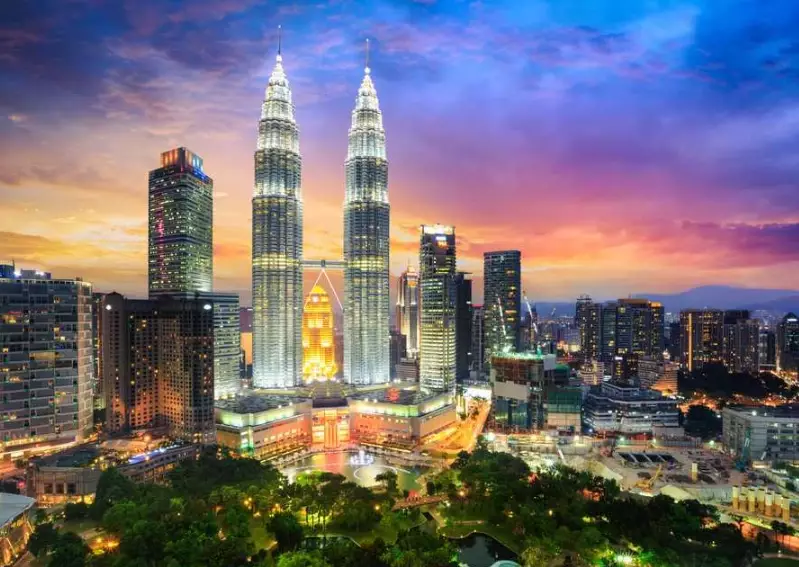
The Soul of the City: Food, Markets & Neighborhoods
If you only see the landmarks, you've missed Kuala Lumpur. The city's soul is in its neighborhoods and on its plates. This is where your Malaysia tourism Kuala Lumpur adventure gets real.
Non-Negotiable Malaysian Food to Try:
- Nasi Lemak: The national dish. Coconut rice, sambal (spicy chili paste), crispy anchovies, peanuts, boiled egg, and cucumber. A perfect breakfast, lunch, or dinner. You can find it everywhere from street stalls to 5-star hotels.
- Char Kway Teow: Flat rice noodles stir-fried with dark soy sauce, prawns, cockles, bean sprouts, and Chinese sausage. Smoky, savory, and utterly addictive.
- Roti Canai: An Indian-influenced flatbread, flaky and chewy, served with dhal (lentil curry) or other curries. A staple at 24-hour "mamak" stalls.
- Satay: Skewered, grilled meat (usually chicken or beef) with a rich, slightly sweet peanut sauce. Jalan Alor is famous for it, but you can find it all over.
- Cendol: The ultimate dessert for a hot day. Shaved ice, coconut milk, palm sugar syrup, and green rice flour jelly noodles. It sounds odd, tastes like heaven.
Where to eat? Forget fancy restaurants for your first few meals.
Jalan Alor is the famous food street. It's loud, chaotic, and touristy, but it's a spectacle. Go once, soak in the atmosphere, and eat some satay. For a more local experience, find any busy hawker center like Medan Pasar or a neighborhood "kopitiam" (coffee shop). The rule is simple: join the longest queue. That's where the best food is.
Now, let's walk through the neighborhoods that define Malaysia tourism in Kuala Lumpur.
Chinatown (Petaling Street): During the day, it's a market selling everything from fake watches to souvenirs. It's hectic and fun for an hour of bargaining. At night, the food stalls take over and the atmosphere changes completely. The nearby Sin Sze Si Ya Temple is a beautiful, active temple tucked away from the chaos.
Brickfields (Little India): The scent of incense, jasmine flowers, and curry powder fills the air. This is the place for sensational vegetarian food, colorful saree shops, and vibrant Hindu temples. The Sri Kandaswamy Temple is particularly ornate. Come hungry for a banana leaf rice meal.
Kampung Baru: This is the real hidden gem. Smack in the middle of the skyscrapers, this is a traditional Malay village that has resisted development. Wooden houses on stilts, coconut trees, and a completely different pace of life. It feels like stepping into a different world. Go for dinner at one of the local "warungs" (small eateries) for authentic Malay cuisine away from the city glitz.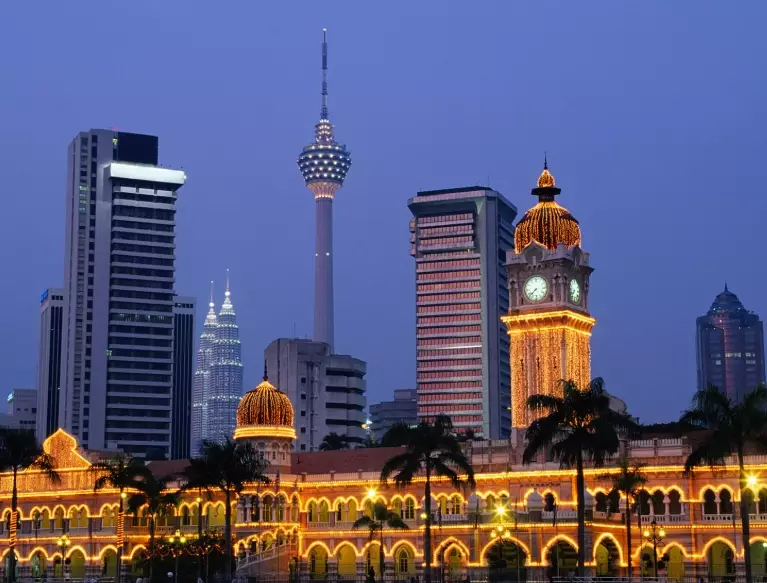
Practicalities: The Nitty-Gritty That Makes or Breaks a Trip
This is the boring but essential stuff. Getting it right means more time enjoying, less time stressing.
When to Go & What to Pack
KL is hot and humid year-round. It has two monsoon seasons: the east coast (April-Oct) and the west coast (Oct-Mar). KL is on the west coast, so the heaviest rains are usually from October to March, but these are typically intense afternoon downpours that clear up. The best weather is generally May to July and December to February.
Pack light, breathable clothing. Modesty matters when visiting religious sites. Carry a scarf or shawl to cover shoulders and knees. Good walking shoes are non-negotiable. An umbrella or lightweight rain jacket is always a good idea. And a portable power bank – you'll be using your phone for maps and photos constantly.
Money, Connectivity, and Staying Safe
The currency is the Malaysian Ringgit (MYR). ATMs are everywhere, and credit cards are widely accepted in malls and hotels. However, cash is king in markets, hawker centers, and for small purchases. Tipping isn't customary, but leaving small change is appreciated.
Getting a local SIM card at the airport is cheap and easy. Digi, Celcom, and Maxis all offer great tourist packages with plenty of data. Having internet on the go is crucial for navigation and Grab.
KL is generally a very safe city for tourists. The main risks are petty theft (keep your bag close in crowded markets) and traffic (look both ways twice before crossing!). Scams are rare but be wary of anyone offering "too good to be true" deals or posing as "official tourist guides." The Malaysia Ministry of Tourism website is a reliable source for official information.
Structuring Your Days: Sample Itineraries
Let's put this all together. How you spend your time depends entirely on your pace. Here are two ways to approach it.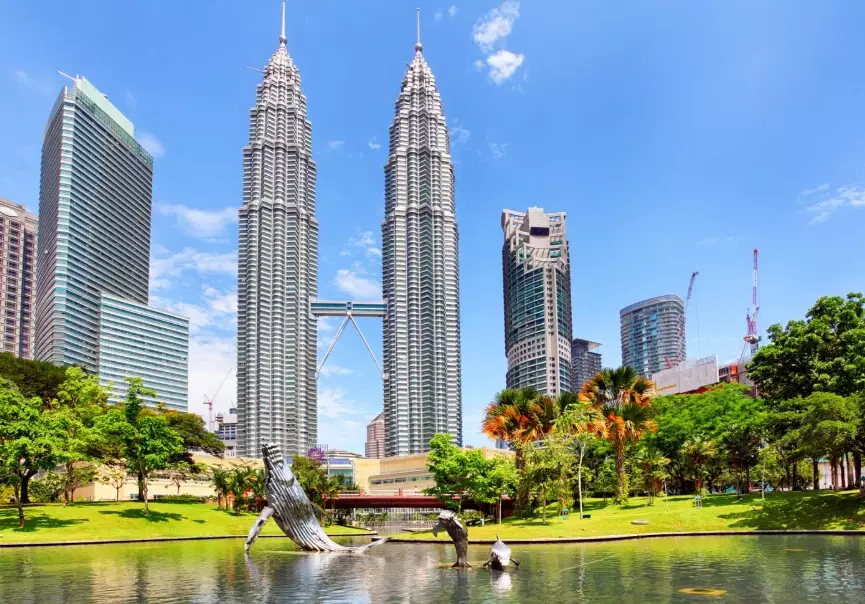
| For the Time-Crunched (2-3 Days) | For the Deep Diver (5-7 Days) |
|---|---|
| Day 1: Morning at Batu Caves. Afternoon explore KLCC Park & see Petronas Towers. Evening drinks with a tower view (SkyBar). | Day 1 & 2: Cover the "Time-Crunched" itinerary but at a slower pace. Add the KL Tower or Forest Eco Park. |
| Day 2: Morning in Merdeka Square & Central Market. Afternoon in Chinatown (Petaling St). Dinner on Jalan Alor. | Day 3: Cultural deep dive. Morning in Thean Hou Temple & National Mosque. Afternoon in Brickfields (Little India). |
| Day 3: Morning in Brickfields (Little India). Afternoon free for shopping (Bukit Bintang malls) or a museum (Islamic Arts Museum is superb). | Day 4: Day trip! Options: Genting Highlands (cool weather, casinos), Putrajaya (futuristic city), or Melaka (historic UNESCO site). |
| Day 5: Explore Kampung Baru for traditional Malay life. Evening food crawl in a local hawker center like Taman Connaught (Wed nights only). | |
| Day 6 & 7: Relax, revisit favorite spots, explore specific interests (textile museum, bird park, Batu Caves in more detail). |
Answering Your Burning Questions (The FAQ Section)
I get DMs all the time with specific questions. Here are the ones that come up again and again.
Final Thoughts Before You Go
Kuala Lumpur challenged me on my first visit. It wasn't love at first sight. It was loud, chaotic, and I didn't "get" it. But by the third day, something clicked. I stopped rushing from landmark to landmark. I started noticing the details: the intricate patterns on a mosque's dome, the laughter from a family sharing a huge meal, the incredible green spaces that pop up where you least expect them.
That's the real secret to unlocking Malaysia tourism in Kuala Lumpur. It's not a passive sightseeing tour. It's an engagement. It's tasting something unfamiliar, wandering down a side street without a map, and saying yes to the unexpected invitation. The city is a masterclass in diversity – Malay, Chinese, Indian, and indigenous cultures don't just coexist; they blend into something uniquely Malaysian.
Use this guide as your starting point. Bookmark the Tourism Malaysia official site for any last-minute event info. Get your Touch 'n Go card, pack your sense of adventure (and an appetite), and go. KL is waiting. And trust me, it's so much better than the postcards.
Got a specific question I didn't cover? Drop it in the comments below. I check them regularly and have probably faced the same dilemma myself. Safe travels!

Comments
Join the discussion