In This Guide
- The Story Behind the Money: A Quick History of NZD
- Getting to Know the Cash: New Zealand Banknotes and Coins
- Where and How to Use New Zealand Currency
- The Big Question: How and Where to Get NZD (Without Losing Your Shirt)
- Common Questions About New Zealand Currency
- Beyond Spending: The Collectible Side of New Zealand Currency
- Wrapping It Up: The Kiwi Dollar in Your Pocket
So you're planning a trip, doing some business, or maybe just curious about the money used down in New Zealand. You've probably heard it called the "Kiwi dollar," but what does that actually mean on the ground? What does the New Zealand currency look like? How does it work? And, let's be honest, how do you not get ripped off when you're exchanging your hard-earned cash for it?
I remember my first time handling New Zealand currency. I was handed a bright, plasticky $20 note with a weird bird on it (a kākāpō, I later learned), and it felt completely different from the paper money I was used to. It was a small moment, but it stuck with me. That's what we're diving into here – not just the dry facts, but the practical, useful stuff you'll actually need.
Let's get the basics out of the way first. The official New Zealand currency is the New Zealand dollar. Its currency code is NZD, and you'll see it written like NZ$20 or just $20 in New Zealand itself. Don't get it confused with the Australian or US dollar – they're all different. The symbol is just $, but the context (being in NZ) tells you it's the Kiwi version.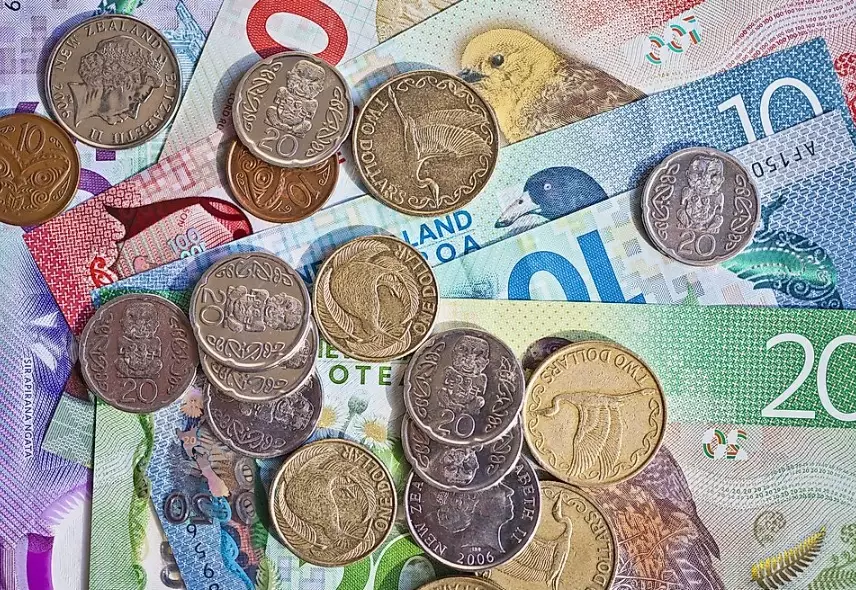
People call it the "Kiwi" for short, which is pretty charming if you ask me. It's a floating currency, which means its value changes against others like the US dollar or Euro based on global markets. If you're watching the NZD to USD rate, you know it can be a bit of a rollercoaster sometimes.
The Story Behind the Money: A Quick History of NZD
New Zealand hasn't always used its own dollar. For a long time, right up until 1967, it used the New Zealand pound. Think about that – pounds, shillings, and pence. Sounds complicated, and it was. The shift to a decimal system, introducing the New Zealand dollar, was a huge deal for simplifying everyday life and trade.
They pegged it to the US dollar initially, but since 1985, it's been a free-floating currency. That move gave the Reserve Bank of New Zealand (RBNZ) more control over domestic monetary policy. You can dig into the official history on the Reserve Bank of New Zealand's website – they've got archives and everything. It's a solid resource if you're into the nitty-gritty economic history.
Funny how money evolves, isn't it?
The design journey is just as interesting. The notes have gone from featuring the British monarchy to proudly showcasing New Zealand's unique heritage, native birds, and significant historical figures. It's a visual story of the nation's identity.
Getting to Know the Cash: New Zealand Banknotes and Coins
This is the fun part – what you'll actually have in your wallet. New Zealand currency is colorful, durable, and honestly, quite beautiful.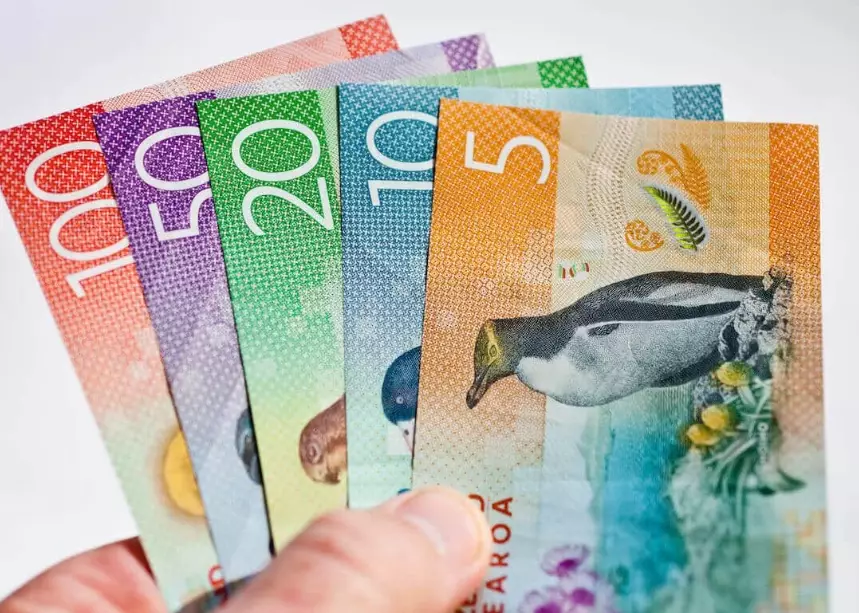
The Polymer Banknotes (They're Plastic!)
All New Zealand banknotes are made from a polymer (a type of plastic). This isn't just a style choice – it makes them incredibly durable, hard to tear, and resistant to water. I've accidentally left a $5 note in a pocket that went through the wash. Came out a bit crumpled, but perfectly intact and usable. Try that with paper money.
They're also packed with security features to prevent counterfeiting: clear windows, raised print, and images that change when you tilt the note. The RBNZ has a detailed guide on their security features which is worth a look if you handle a lot of cash.
Here’s a breakdown of the current series (often called the "Brighter Money" series):
| Note Value | Main Color | Featured Person (Front) | Featured Bird & Plant (Back) |
|---|---|---|---|
| $5 | Orange/Brown | Sir Edmund Hillary | Hoiho (Yellow-eyed penguin), Māikuku (Fringe lily) |
| $10 | Blue | Kate Sheppard | Whio (Blue duck), Pīngao (Golden sand sedge) |
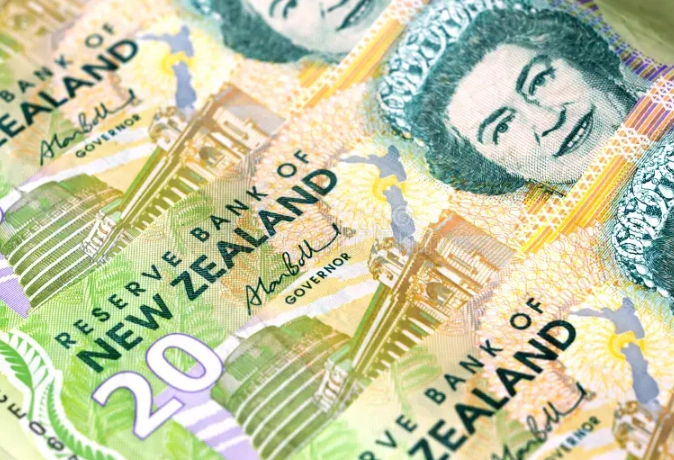
| $20 | Green | Queen Elizabeth II | Kākāpō (Night parrot), Kōwhai (Yellow kōwhai) |
| $50 | Purple | Sir Apirana Ngata | Kōkako (Blue wattled crow), Leaves of the Kōwhai |
| $100 | Red | Lord Rutherford of Nelson | Mōhua (Yellowhead), Red/Mountain Beech |
I love that they highlight both people and ecology. It gives you a little snapshot of what's important to the country every time you pull out your cash.
The Coins: From 10 Cents to $2
New Zealand got rid of the 1-cent and 5-cent coins back in 2006. Prices are now rounded to the nearest 10 cents at the checkout when paying with cash. It's a system that works surprisingly smoothly and saves a lot of useless copper from floating around.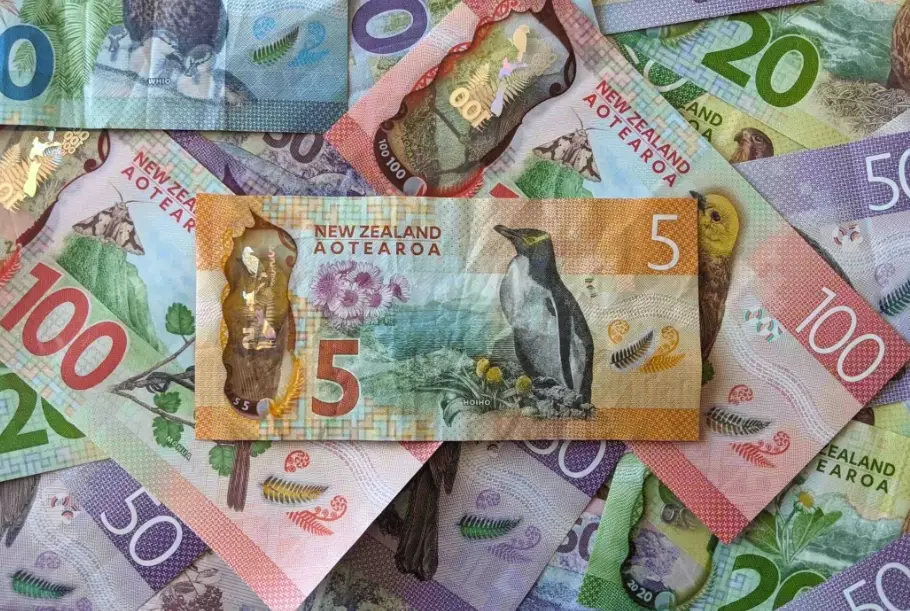
The coin lineup is:
- 10 cents: Small, silver, features a Māori carving (a koruru).
- 20 cents: A bit larger, silver, features the iconic Māori carving of Pukaki.
- 50 cents: Large, silver, round. It shows the British ship Endeavour commanded by Captain Cook. This one feels heavy and substantial.
- $1: Gold-colored, small. It has a kiwi bird on one side – fitting for the "Kiwi" dollar.
- $2: Gold-colored, larger than the $1. It features a kotuku (white heron).
A quick personal gripe: the $1 and $2 coins are too similar in color and size difference is subtle, especially in a dimly lit bar or when you're in a hurry. I've mixed them up more than once. It's a small design flaw, in my opinion.
Where and How to Use New Zealand Currency
This is the practical core of it. You've got the money, now what?
Top Tip: While carrying some cash is wise, New Zealand is a highly banked society. Contactless debit and credit card payments (EFTPOS) are the default for almost everything. Apple Pay, Google Pay, and payWave are everywhere.
You can use your New Zealand currency at:
- All retail stores, supermarkets, and restaurants. They legally have to accept it for payment of goods and services.
- Public transport. Though in major cities like Auckland and Wellington, you're better off with a pre-loaded AT HOP or Snapper card for buses and trains.
- Small markets, food trucks, and rural shops. This is where cash is still king. Some of the best pie shops or roadside fruit stalls might only take cash.
- Taxis and rideshares. Cards are accepted, but having cash as a backup never hurts.
- Accommodation. Most hotels and motels will take card, but some smaller B&Bs or holiday parks might prefer or only accept cash for the balance.
I remember once being at a gorgeous, remote beachside café on the Coromandel Peninsula. The coffee was amazing, the view breathtaking... and their EFTPOS machine was down due to a storm. The couple in front of me were scrambling. I had a $20 note and got my flat white without a hitch. Moral of the story? Always have a bit of physical New Zealand currency on you, especially when venturing off the beaten track.
Watch Out: While $100 notes are legal tender, some small businesses might be hesitant to accept them due to the risk of counterfeits (even though it's low with polymer) or simply because they don't keep enough change. It's best to break your $100s at a bank, supermarket, or larger store.
The Big Question: How and Where to Get NZD (Without Losing Your Shirt)
Let's talk exchange. This is where people often lose money without realizing it. The goal is to get more New Zealand dollars for every unit of your home currency.
Your Main Options, Ranked from Best to Worst Value
- Using a No-Foreign-Transaction-Fee Debit Card at an NZ ATM: This is usually the winner. You get a rate very close to the interbank rate, and if your bank doesn't charge extra fees, it's fantastic. Check with your bank before you go.
- Specialist Online Foreign Exchange Services: Companies like Wise (formerly TransferWise) or Revolut. You exchange online at excellent rates, often better than banks, and can get a physical or virtual card to spend with.
- Ordering from Your Local Bank Before Travel: Convenient and safe, but the rates are usually marked up (not great) and they often charge an order/delivery fee.
- Exchanging at a Bank in New Zealand: The rates are okay, but not stellar. It's a safe, straightforward option if you need cash immediately upon arrival.
- Airport Currency Exchange Bureaus: Just don't. Seriously. They have the absolute worst rates and the highest fees. It's the price you pay for last-minute convenience. I view it as throwing money away.
- Hotel Reception Exchanges: Even worse than airports, if that's possible. Only in a dire emergency.
You might be asking, what about credit cards? They're great for points and protection on big purchases, but most charge a foreign transaction fee (often around 3%). Some premium travel cards don't – again, check yours.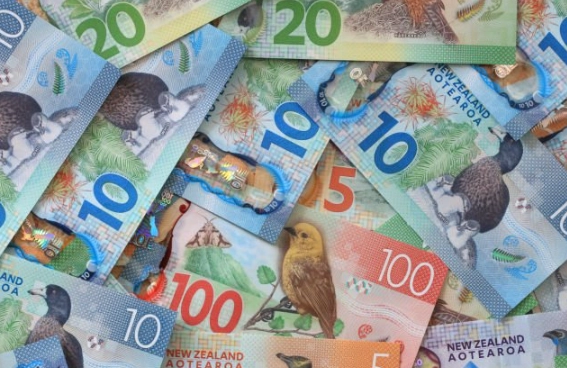
Pro Move: Never, ever agree to be charged in your home currency at a New Zealand terminal (this is called Dynamic Currency Conversion). It will pop up on the screen asking if you want to be charged in, say, USD instead of NZD. Always choose to be charged in the local currency – NZD. The store's conversion rate is always terrible.
Common Questions About New Zealand Currency (Stuff People Really Want to Know)
Almost never. Don't count on it. New Zealand currency is the only legal tender for everyday transactions. Some major tourist attractions, duty-free shops, or large hotels might accept USD, Euros, or AUD, but the exchange rate they offer will be punitive. It's always better to have NZD.
For a quick, reliable mid-market rate (the real rate banks trade at), use Google. Just type "USD to NZD" or "EUR to NZD." For more detailed charts and analysis, financial sites like XE.com or OANDA are excellent. Remember, the rate you actually get will be slightly worse due to the provider's margin.
Tipping is not expected or customary in New Zealand like it is in the US. Staff are paid proper wages. That said, for exceptional service at a nice restaurant, rounding up the bill or leaving 5-10% in cash is a lovely gesture and will be greatly appreciated. Cash tips go directly to the staff, which is why it's preferred.
No. They are completely separate currencies. An Australian $1 coin will not work in a New Zealand vending machine or parking meter. Some businesses near the tourist hubs might accept AUD notes at a poor rate, but it's not standard. Treat them as different currencies (because they are).
An ATM (called a 'cash machine' or 'hole in the wall' locally). They are widely available. Avoid the standalone ATMs in convenience stores that are run by private companies (like EziCash) – they often charge exorbitant withdrawal fees on top of what your own bank might charge. Stick to ATMs attached to bank branches (BNZ, ASB, ANZ, Westpac).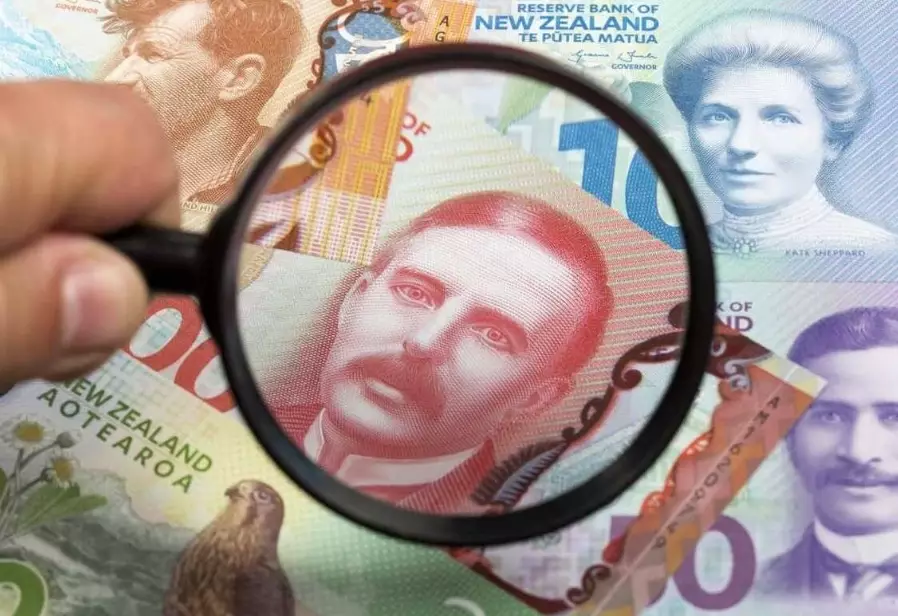
Beyond Spending: The Collectible Side of New Zealand Currency
This is a niche but fascinating area. Because of its unique design and polymer base, New Zealand currency has become popular with collectors.
The Reserve Bank regularly issues commemorative coins and limited-edition banknote sets. These celebrate events like the America's Cup, the centenary of WWI, or significant anniversaries. They are legal tender but are usually kept in pristine condition by collectors. The RBNZ's collector coins page lists current and past issues.
Then there are the rare errors. A printing flaw on a polymer note can make it worth hundreds or even thousands of dollars to the right collector. The most famous might be the "Brighter Money" series $50 note with a missing transparent window. If you find one, you've hit a mini jackpot.
Even old, demonetized notes have value. The pre-1999 paper notes are no longer legal tender (you can't spend them), but they have historical and collectible value. You'd need to sell them to a collector or dealer.
It turns your wallet into a potential treasure chest, doesn't it?
Wrapping It Up: The Kiwi Dollar in Your Pocket
So, there you have it. The New Zealand currency is more than just a tool for buying things. It's a durable, high-tech, and beautifully designed representation of the country's environment, history, and people. Understanding it – from the birds on the coins to the best way to get a good NZD to USD rate – makes your interaction with New Zealand smoother and smarter.
The key takeaways? Get a fee-free card for daily spending, carry a small amount of cash for those off-grid moments, always choose to pay in NZD, and take a moment to appreciate the art in your hand before you spend it. That bright, plastic $5 note with Sir Ed on it has seen a journey, from the decimal revolution to your pocket, ready for your own adventure.
Got more questions? Drop them in the comments below. I've been dealing with, spending, and occasionally admiring the New Zealand dollar for years, and I'm always happy to chat about the quirks of Kiwi cash.



Comments
Join the discussion