Quick Guide
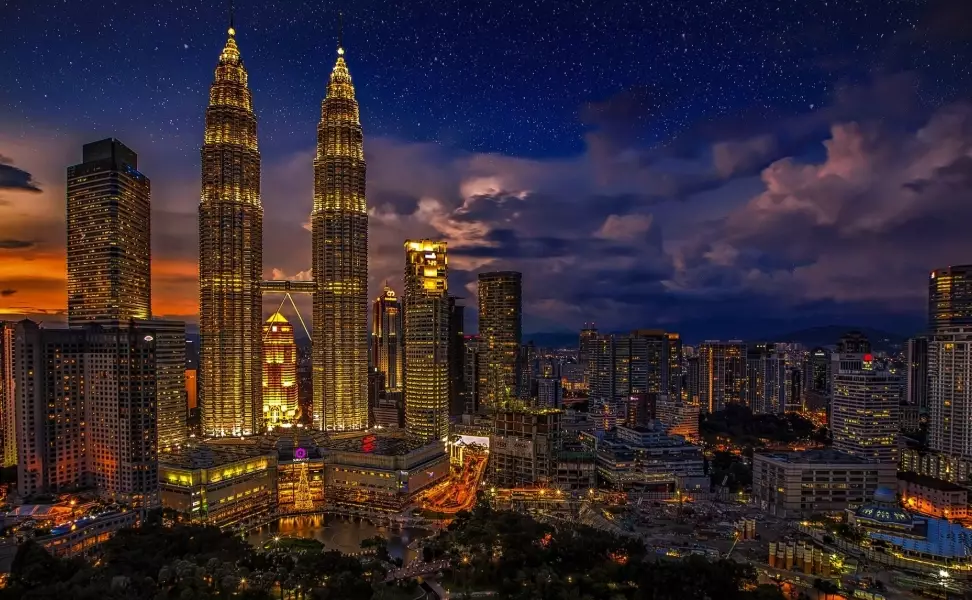
So you're thinking about Malaysia. Maybe you've seen pictures of the Petronas Towers, dreamt of Langkawi's beaches, or heard about the crazy good food in Penang. But then the practical side kicks in. Your brain starts asking that all-important question: Is Malaysia expensive for US tourists?
Let me cut to the chase. For the vast majority of Americans, the answer is a resounding no. Malaysia is, by and large, a very affordable destination. Your US dollar goes a long, long way here. But that's just the headline. The real story is in the details—where you can save a bundle, where you might get a surprise, and how to plan a trip that fits your style, whether you're a backpacker or looking for some luxury.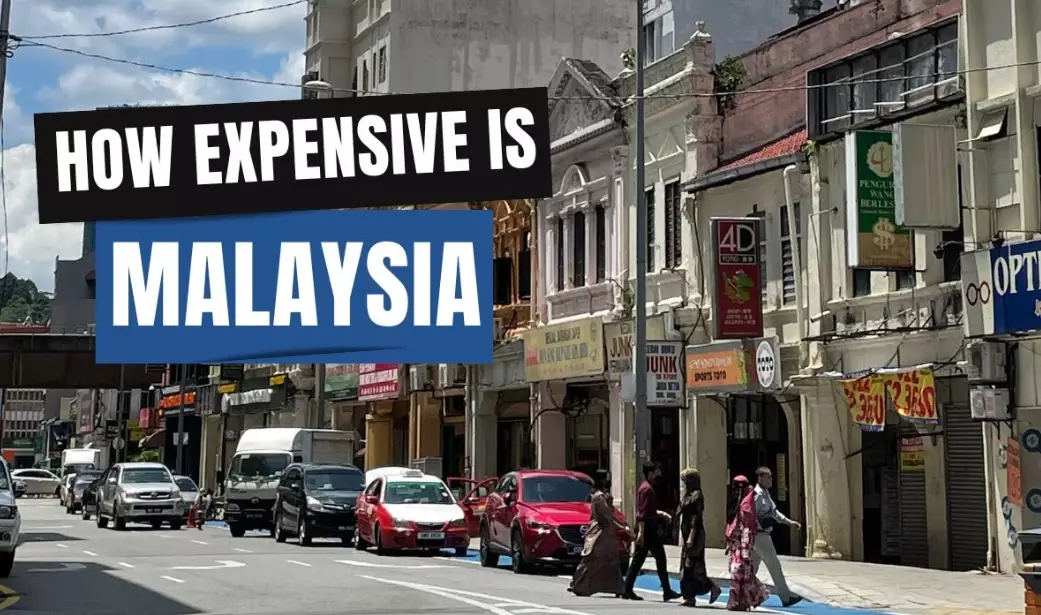
I've spent a fair bit of time there, hopping between the modern chaos of Kuala Lumpur and the slower pace of the islands. I've had meals that cost less than a cup of fancy coffee back home and splurged on things that felt ridiculously cheap by US standards. Let's break it all down, so you know exactly what you're getting into.
The Quick Verdict: What's the Damage?
Before we dive into categories, here's the bottom line for an American wallet. Compared to traveling in the US, Western Europe, or even parts of neighboring Thailand that are super touristy, Malaysia is a bargain. Compared to somewhere like Vietnam or Indonesia? It might feel a tad more expensive in the cities, but it's still very reasonable.
The magic number for most travelers is the exchange rate. As I write this, 1 US Dollar gets you about 4.7 Malaysian Ringgit (MYR). You can check the latest rate on a reliable site like XE.com. That multiplier is your best friend.
• Budget Traveler: $25 - $45 USD (MYR 120 - 210) - Dorms, street food, local buses.
• Mid-Range Traveler: $60 - $110 USD (MYR 280 - 520) - Private rooms in nice guesthouses or 3-4 star hotels, mix of street food and sit-down restaurants, Grab taxis, some tours.
• Luxury Traveler: $150+ USD (MYR 700+) - 5-star hotels, fine dining, private tours, flights between regions.
See? Even the mid-range feels pretty good. But let's get specific, because "Is Malaysia expensive for US tourists?" depends entirely on what you spend money on.
Where Your Money Goes: The Big Cost Categories
1. A Place to Crash: Accommodation
This is often your biggest expense, and Malaysia delivers value. Kuala Lumpur (KL) has an insane amount of hotel rooms, which keeps prices competitive.
You can find clean, safe hostels with dorm beds starting around $8-15 USD per night. A decent private room with an ensuite bathroom in a guesthouse or a budget hotel chain (like Tune Hotels) will run you $25-45 USD. That's often for a location right in the Bukit Bintang or KLCC area—right in the thick of things.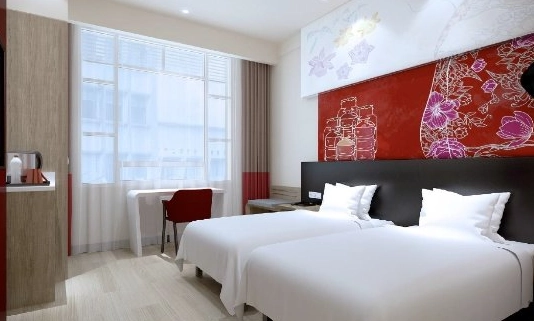
Now, for the shocker. You can get a bona fide, swanky 4-star or even 5-star hotel in KL for what you'd pay for a mediocre chain hotel in a mid-sized US city. I'm talking pools, skyline views, and breakfast buffets for $70-120 USD a night. It's one of the best luxury bargains in Southeast Asia. Outside KL, in places like Penang, Melaka, or the islands, prices are similar or even a bit lower for comparable quality.
The one exception? Ultra-luxury resorts on islands like Langkawi or in the Perhentians. They can command $300+ a night, but even then, it's often less than a similar standard in the Caribbean.
2. The Main Event: Food & Drink
If you're asking "Is Malaysia expensive for US tourists?" because you're a foodie, relax. This is where you win.
Malaysian street food and hawker centers are legendary, both for quality and price. A massive, delicious plate of Char Kway Teow (stir-fried rice noodles), Nasi Lemak (the national dish), or a selection of satay with peanut sauce will cost you between $2 and $5 USD. I'm not kidding. You can have a full, satisfying meal for the price of a snack back home.
Hawker centers are the way to go. You grab a seat (sometimes sharing a table), order from different stalls, and pay cash. It's social, authentic, and easy on the wallet. A meal in a proper, air-conditioned restaurant will be more—think $8-15 USD for a main course. Western food (burgers, pizza, pasta) is always pricier and, in my opinion, often not as good as the local fare.
Drinks: Local beer (like Tiger or Carlsberg) in a restaurant or bar is your biggest drink expense, at around $4-7 USD a pint. It's cheaper in supermarkets. Fresh fruit juices, coconut water, and teh tarik (pulled tea) are all under $2 USD.
| Food Item | Average Cost (USD) | Average Cost (MYR) | Where to Find It |
|---|---|---|---|
| Nasi Lemak (basic) | $1.50 - $2.50 | MYR 7 - 12 | Street stalls, hawker centers |
| Char Kway Teow | $2.50 - $4.00 | MYR 12 - 19 | Hawker centers, Chinese coffee shops |
| Satay (10 sticks) | $3.00 - $5.00 | MYR 14 - 24 | Night markets, dedicated satay stalls |
| Roti Canai with Dhal | $1.00 - $2.00 | MYR 5 - 9 | Mamak stalls (Indian Muslim restaurants) |
| Main Course in Mid-Range Restaurant | $8.00 - $15.00 | MYR 38 - 70 | Air-conditioned restaurants in malls/cities |
| Large Local Beer (Restaurant) | $5.00 - $7.00 | MYR 24 - 33 | Bars, pubs, some restaurants |
3. Getting Around: Transportation
This is super efficient and affordable. In KL, the modern MRT and LRT train systems are spotless and cheap. A trip across the city center might be $0.50 to $1.50 USD.
The absolute game-changer for US tourists, though, is Grab. It's the Southeast Asian version of Uber, and it's everywhere. A 20-minute ride in KL that would be $20+ in a US city is often $3-6 USD on Grab. It's safe, the drivers are rated, and you pay in cash or link your card. It eliminates the hassle of haggling with taxis (though regular taxis are cheap too, just insist they use the meter).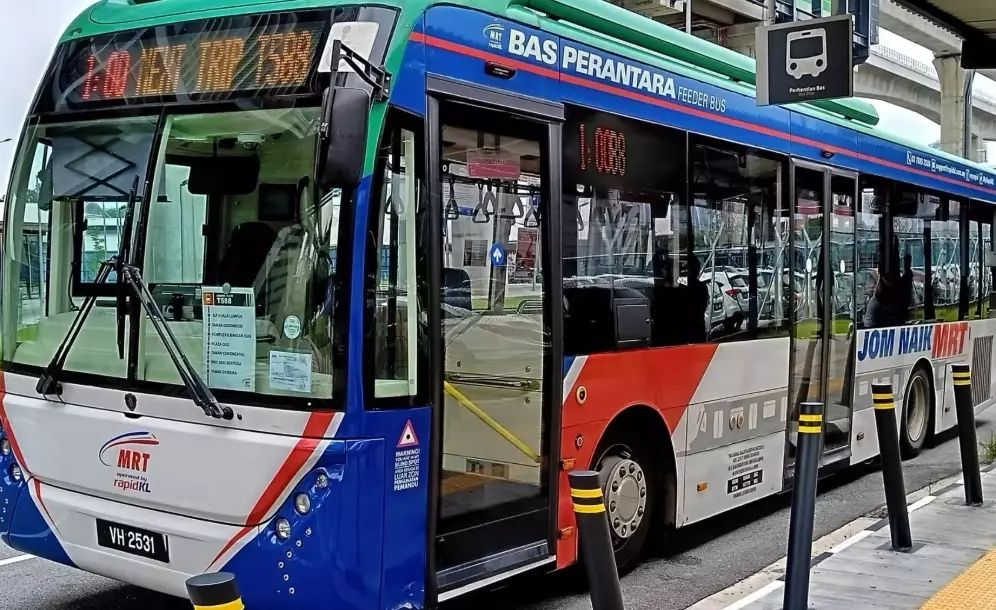
For longer distances, buses are the budget king. Comfortable, air-conditioned coaches from KL to Penang (about 4-5 hours) cost around $8-15 USD. Trains are a bit more expensive but a scenic and relaxed option. Check schedules on Easybook, a major regional booking site.
Domestic flights on airlines like AirAsia can be absurdly cheap if you book in advance and travel light. I've seen flights from KL to Langkawi for under $25 USD one-way. It's often faster and not much more expensive than the bus+ferry combo.
4. Fun & Activities: Tours and Attractions
Most of the best things in Malaysia are low-cost or free. Wandering the streets of George Town (Penang) looking for street art, hiking in the Cameron Highlands, or visiting the massive, free-to-enter Batu Caves just outside KL.
Paid attractions are reasonable. The observation deck at the Petronas Towers (KLCC) is about $20 USD. Entrance to the iconic temples in Penang (Kek Lok Si) is a couple of dollars. A half-day tour to the Fireflies or a cultural village might run $30-50 USD.
Diving and snorkeling in places like the Perhentian Islands are world-class and much cheaper than the Caribbean. A fun dive package is great value.
The real budget-killer here isn't the entrance fees; it's the shopping. Malaysia has fantastic malls (like Pavilion KL or Suria KLCC) with all the global brands, often at slightly lower prices than the US. It's easy to get carried away.
The Not-So-Cheap Bits: Surprises for US Tourists
It's not all dirt cheap. Being honest helps you budget.
Alcohol: As a Muslim-majority country, alcohol has significant taxes. While local beer is okay price-wise in context, wine and spirits in restaurants are expensive. A glass of mediocre house wine can be $8-12 USD. If you enjoy a drink, factor this in or stick to beer. Buying from duty-free on arrival or from large supermarkets (like Cold Storage) is smarter for your room.
Import Goods & Western Brands: Any imported item—from sunscreen and specific toiletries to your favorite brand of chips—will cost more than in the US. Pack your must-haves.
High-End Dining & Clubs: Kuala Lumpur has a vibrant, wealthy scene. Dining at a top-floor restaurant with a view or buying bottles at a fancy club in Bukit Bintang will hit your wallet as hard as it would in any major global city. You're paying for the location and exclusivity.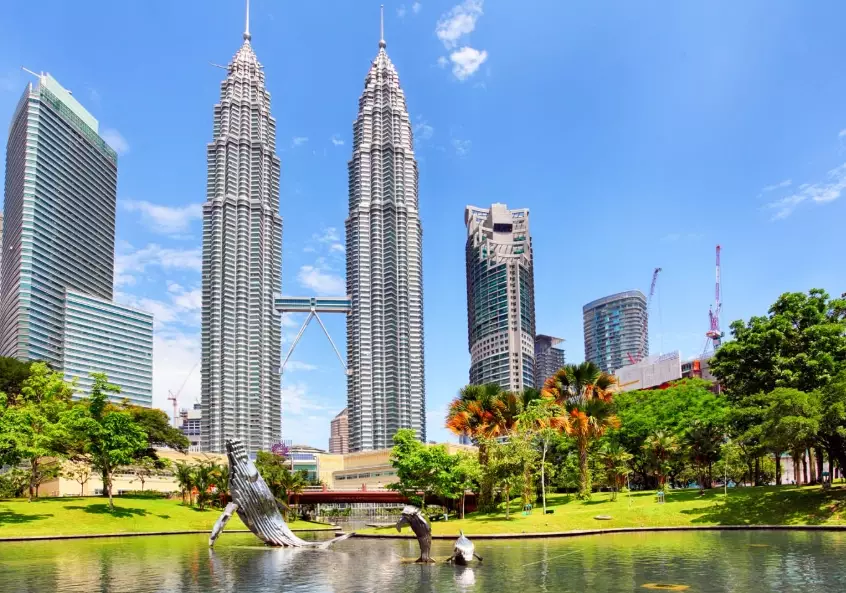
How to Stretch Your Dollars Further: Actionable Tips
Okay, so you know the lay of the land. Here’s how to make your trip even more affordable.
- Eat Local, Eat Street. This is rule number one. Hawker centers are your best friend for quality, experience, and cost.
- Embrace Public Transport & Grab. Avoid regular taxis unless you're confident about the meter. The train systems and ride-hailing are too good and cheap to ignore.
- Carry Cash, but Use Cards Where You Can. Small stalls and markets are cash-only. But bigger stores, malls, and hotels accept cards. Using a no-foreign-transaction-fee credit card often gets you a better exchange rate than changing physical cash. Withdraw larger amounts from ATMs to minimize fees.
- Stay Slightly Off the Beaten Path. In Penang, a guesthouse in the heritage zone of George Town might be similar in price to KL, but look just outside the core area. In the islands, a resort a 5-minute walk from the main beach can be significantly cheaper.
- Travel in the Shoulder Seasons. Avoid major holidays (Chinese New Year, Hari Raya Aidilfitri, Christmas) when domestic travel spikes prices. The period after the rainy season (roughly April-June, September-November) often has good weather and decent rates.
- Book Flights & Trains Early. This is universal, but especially true for AirAsia and the long-distance trains. Last-minute prices can triple.
Answering Your Burning Questions (FAQ)
Putting It All Together: A Sample Daily Budget
Let's make this concrete for a mid-range traveler who wants comfort but isn't splurging.
- Accommodation (Private room, 3-star hotel): $45 USD
- Food (Hawker breakfast, restaurant lunch, street food dinner + snacks): $20 USD
- Transport (3-4 Grab rides, one train trip): $10 USD
- Activity (One paid attraction/entrance fee): $15 USD
- Miscellaneous (Water, small souvenir, drink): $10 USD
Total: About $100 USD per day. And that's a comfortable, do-anything kind of day. You can easily trim this by choosing a cheaper guesthouse ($30), eating exclusively at hawker centers ($15), and focusing on free activities.
So, let's circle back to the core question one last time: Is Malaysia expensive for US tourists?
From my experience, and from talking to countless other travelers, the overwhelming consensus is no. It's a destination that provides outstanding value. You're not paying for compromises; you're paying less for great food, convenient transport, and comfortable stays. The potential for a high-cost trip exists if you only eat imported food, drink wine with every meal, and shop non-stop. But if you engage with the country on its own terms—eating the incredible local food, using its efficient transport, and enjoying its mix of natural and urban attractions—you'll find your US dollar has never felt so powerful.
Your biggest expense will likely be the long-haul flight from the States. Once you're on the ground, the living is easy, and surprisingly affordable. Start looking at those flight deals.

Comments
Join the discussion