Quick Guide to This Article
Let's be real. The idea of Greece tourism probably conjures up a few very specific images in your head. Brilliant white buildings with blue domes against a deep blue sky. Crystal-clear water you can see straight to the bottom of. Ancient columns standing proudly on a hill. And you're not wrong. Those things are absolutely there, and they're spectacular. But there's so much more to it. Planning a trip can feel overwhelming with all the islands, the history, the food. Where do you even start?
I've been a few times now, made some fantastic choices, and yes, a couple of mistakes too. This isn't a dry, fact-sheet list. It's more like the chat we'd have if you asked me for advice over a coffee. We'll talk about the famous spots, the quieter corners, how to not get ripped off, and what it actually feels like to be there. Forget the glossy brochures for a minute. Let's talk real Greece tourism.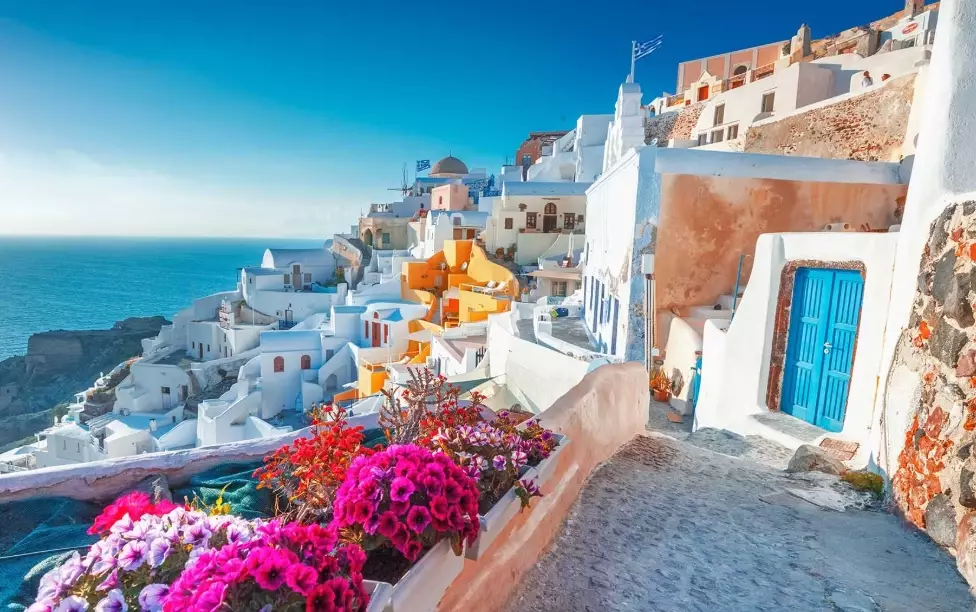
Getting Your Bearings: Mainland vs. Islands
This is the first big decision. A lot of first-time visitors make the mistake of trying to do too much. You can't see Athens, Delphi, and hop to five islands in a week. Well, you could, but you'd need a vacation from your vacation. Greece tourism really splits into two main experiences: the historical/cultural mainland and the iconic island life.
The Historical Heart: Athens & The Mainland
Athens is a must, at least for a couple of days. The Acropolis is one of those places that actually lives up to the hype. Standing there, looking out over the city with the Parthenon right there... it gives you chills. But Athens isn't just an open-air museum. The Plaka neighborhood is charming (if touristy), Monastiraki is great for people-watching, and the food in the local tavernas away from the main squares is incredible.
Venturing beyond Athens opens up a different side of Greece tourism. A drive to Delphi, where the ancient Oracle spoke, is a journey into stunning mountain scenery and profound history. The monasteries of Meteora, perched on impossible rock pillars, are simply mind-blowing. It feels otherworldly. The Peloponnese region, south of Athens, has everything: the ancient site of Mycenae, the beautiful seaside town of Nafplio, and incredible, rugged landscapes.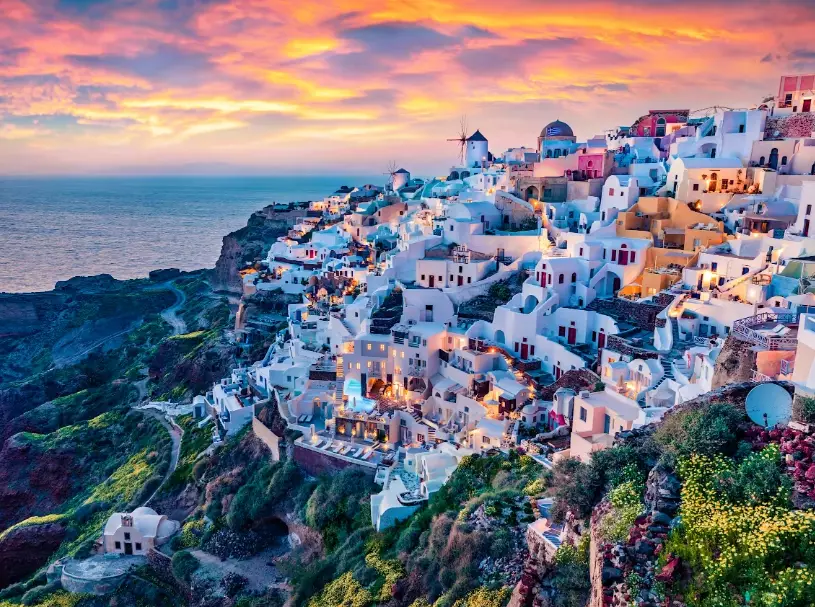
My Take: Don't skip Athens. Give it at least two full days. Yes, it's busy and a bit gritty in parts, but the history is palpable. For the Acropolis, go as soon as it opens. Seriously. The difference in crowd levels is staggering.
The Island Universe: Picking Your Paradise
This is where most people get stuck. There are over 200 inhabited islands. How do you choose? The key is to understand the different groups and their vibes. Greece tourism to the islands isn't one-size-fits-all.
Here’s a quick breakdown of the major island groups to help you narrow it down:
| Island Group | Classic Examples | The Vibe | Best For... |
|---|---|---|---|
| The Cyclades | Santorini, Mykonos, Paros, Naxos | Iconic white & blue architecture, dramatic cliffs (Santorini), vibrant nightlife or chic relaxation. | Postcard-perfect photos, luxury stays, partying (Mykonos), honeymoons (Santorini). |
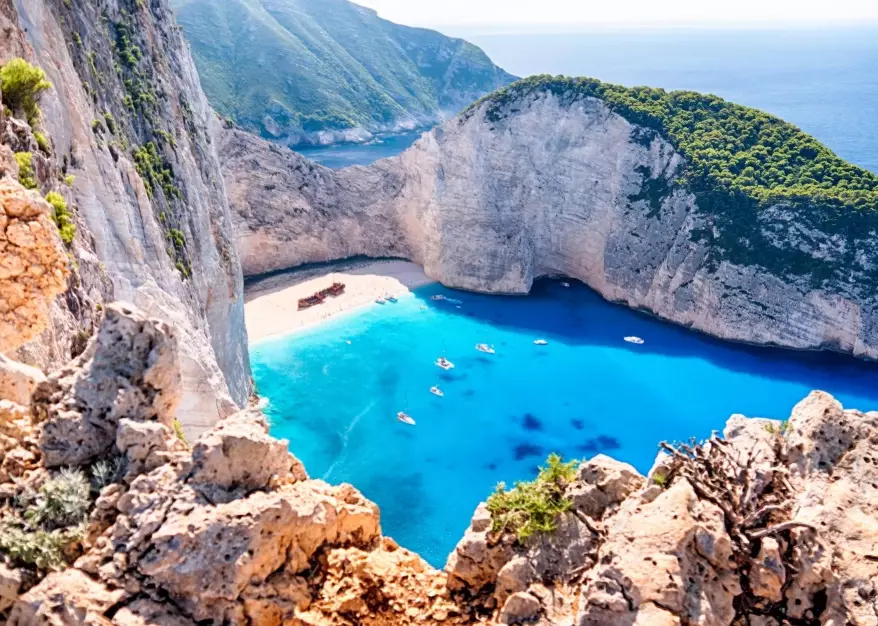
| The Ionian Islands | Corfu, Kefalonia, Zakynthos | Lush, green landscapes, Venetian influence, gentle seas. | Families, nature lovers, sailing, a more "Italian" feel. |
| The Dodecanese | Rhodes, Kos, Symi | Medieval history, strong medieval architecture (Rhodes Old Town), Turkish influences. | History buffs, castle explorers, mix of beach and culture. |
| The Saronic Gulf | Hydra, Spetses, Aegina | Close to Athens, car-free islands (Hydra), elegant and low-key. | Quick getaways from Athens, weekend trips, a taste of island life without long ferries. |
My personal strategy? Mix and match. Pair a famous island with a lesser-known one. For example, do the dazzling spectacle of Santorini for 2-3 nights, then take a short ferry to the much more laid-back and affordable Naxos for hiking, exploring villages, and empty beaches. You get the iconic experience without the full-time intensity. That's a smart approach to Greece tourism.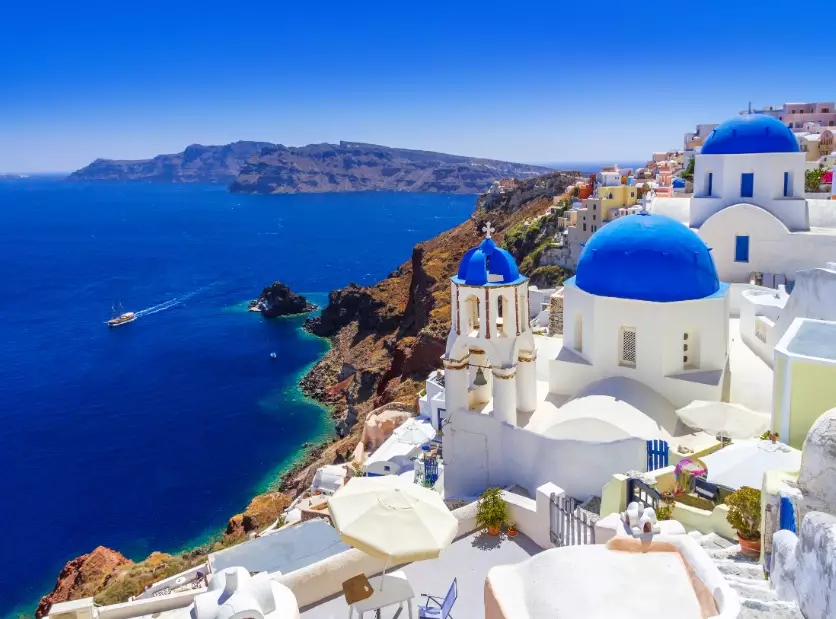
Beyond the Beaches: What Does Greece Tourism Really Offer?
If you just lie on a beach, you're missing half the story. The real magic happens when you wander.
Food is a National Sport (And You Win)
Forget just gyros and moussaka. The depth of Greek cuisine is astounding. The secret is fresh, simple ingredients. Ask for the daily specials. Try gemista (stuffed tomatoes and peppers), saganaki (fried cheese, yes please), and any kind of fresh fish if you're by the sea. My rule of thumb: if the menu is 20 pages long and has pictures of everything, walk away. Find the small taverna with a handwritten menu of 5-10 things. That's where you'll eat like a king for less money. The official Visit Greece website has great insights into regional dishes, which is a fantastic resource for planning your culinary adventures.
History is Around Every Corner
It's not just the big sites. You'll be driving along a coast and see the ruins of a tiny temple just sitting there. In the middle of a village, there might be a Byzantine church from the 11th century. This layered history is a core part of the Greece tourism experience. Organizations like UNESCO list numerous Greek sites, from the Acropolis to the medieval city of Rhodes, highlighting their global importance. It makes exploration a constant treasure hunt.
The Pace of Life
This might be the most valuable export. The concept of "siga siga" (slowly, slowly). Meals are long. People talk. They aren't glued to their phones. In the afternoon, many shops close for a few hours. It's not laziness; it's a different rhythm. Embracing this is key to enjoying your trip. Don't over-schedule. Leave time to sit at a harbor with a coffee and just watch the boats.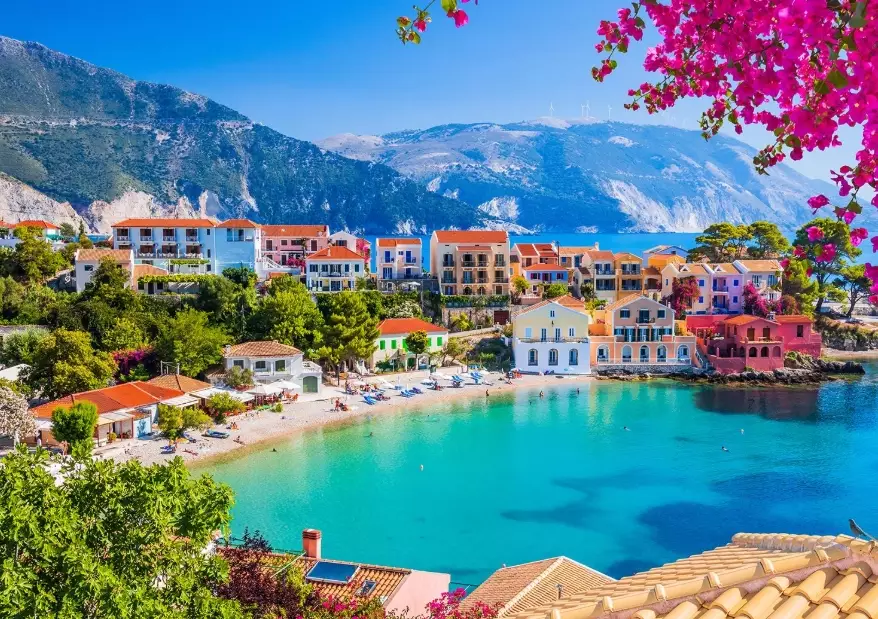
The Nitty-Gritty: Practical Greece Tourism Tips
Okay, let's get practical. This is the stuff that can make or break your trip.
Getting Around: Ferries, Flights, and Rental Cars
The ferry network is the lifeline of the islands. Companies like Blue Star Ferries are the large, reliable workhorses. Book popular routes in advance during high season. For longer hops (e.g., Athens to Crete or Rhodes), consider a domestic flight with Aegean Airlines or Olympic Air—it's often faster and not much more expensive. On the islands, renting a car or ATV gives you freedom. Just be warned: some island roads are... adventurous. Steep, narrow, and sometimes unpaved. Drive defensively.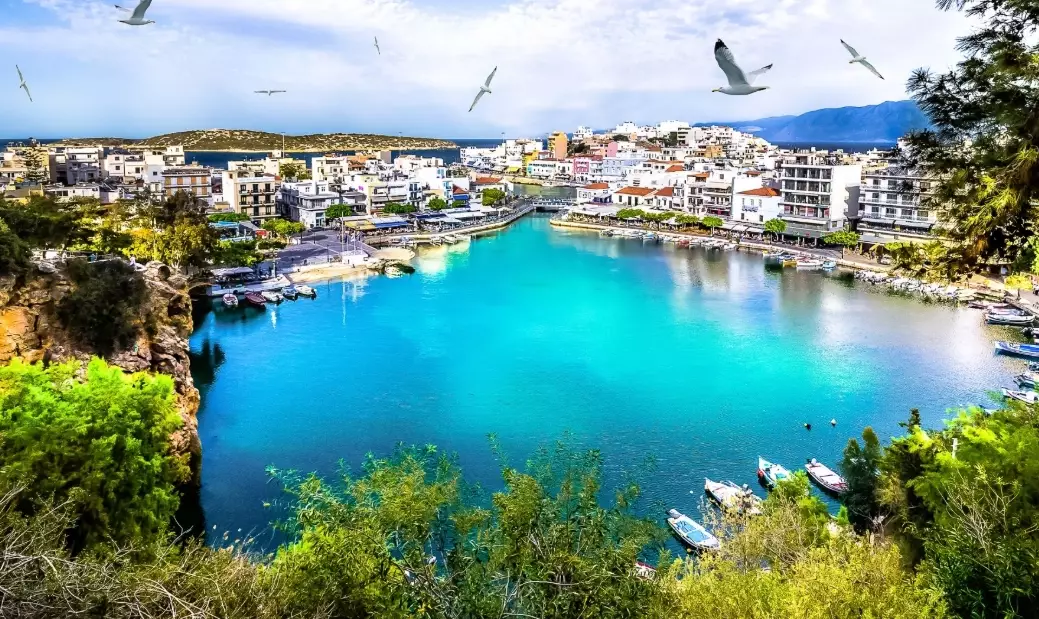
Money & Costs
Greece is in the Eurozone. It can be very affordable or very expensive, depending on your choices. Santorini and Mykonos are pricey. Lesser-known islands are much kinder to your wallet. A simple taverna meal might be €12-15 per person. A fancy restaurant in Mykonos could be €50+. Tips are appreciated but not obligatory; rounding up the bill or leaving 5-10% is standard for good service. Cash is still king in many smaller places, so always have some euros on you.
When to Go: A Seasonal Breakdown
- April-May & September-October (Shoulder Season): My top recommendation. Perfect weather for exploring, warm enough for swimming (especially in Sept), fewer crowds, better prices.
- June & Late September (Sweet Spot): Excellent weather, sea is warming up/cooling down but very swimmable, everything is open but not overwhelmed.
- July-August (High Season): Hot, busy, and expensive. All amenities are open, and the nightlife is pumping. Only choose this if you thrive on energy and don't mind crowds and higher prices.
- November-March (Low Season): Many island hotels and restaurants close. This is the time for Athens, mainland cities, and a few larger islands like Crete. You'll have sites almost to yourself, but it can be cool and rainy.
Answering Your Burning Questions (FAQ)
Here are some of the most common questions I get asked about planning Greece tourism.
Making it Your Own: Final Thoughts
The goal of any Greece tourism plan shouldn't be to tick every box. It should be to find the version of Greece that speaks to you. Maybe that's hiking the Samaria Gorge in Crete. Maybe it's learning to windsurf in Paros. Maybe it's just eating your weight in feta cheese and olives on a quiet beach in Milos.
Do your research, but leave room for spontaneity. Talk to locals. Ask your hotel owner for their favorite beach. Follow a path that looks interesting. That's where the best memories are made.
Greece has a way of getting under your skin. The light is different. The air smells of thyme and salt. The history is humbling, and the modern warmth is genuine. It's a place that teaches you to slow down and appreciate the simple, good things: sun, sea, food, and conversation. That's the real treasure you bring home.
Hope this helps you start planning an amazing adventure. Feel free to reach out if you have more questions—though I'm not a travel agency, just someone who loves the place and loves talking about it!

Comments
Join the discussion