The short answer is yes, $1000 US dollars is a significant amount of money in Morocco. But what does "a lot" actually mean? For a tourist, it can fund a very comfortable two-week adventure. For someone considering moving there, it could cover a month's rent and living expenses in a nice area. The magic lies in the exchange rate—around 10 Moroccan Dirhams (MAD) to 1 US Dollar. So, $1000 instantly becomes roughly 10,000 MAD. Suddenly, the possibilities open up.
I've spent months traveling across Morocco, from the hectic medinas to quiet coastal towns. The most common mistake I see budget travelers make is thinking in dollars or euros while on the ground. You have to switch your brain to dirhams to make smart spending choices. That 100-dirham tagine isn't $10 to you; it's a filling, delicious meal for less than the price of a coffee back home.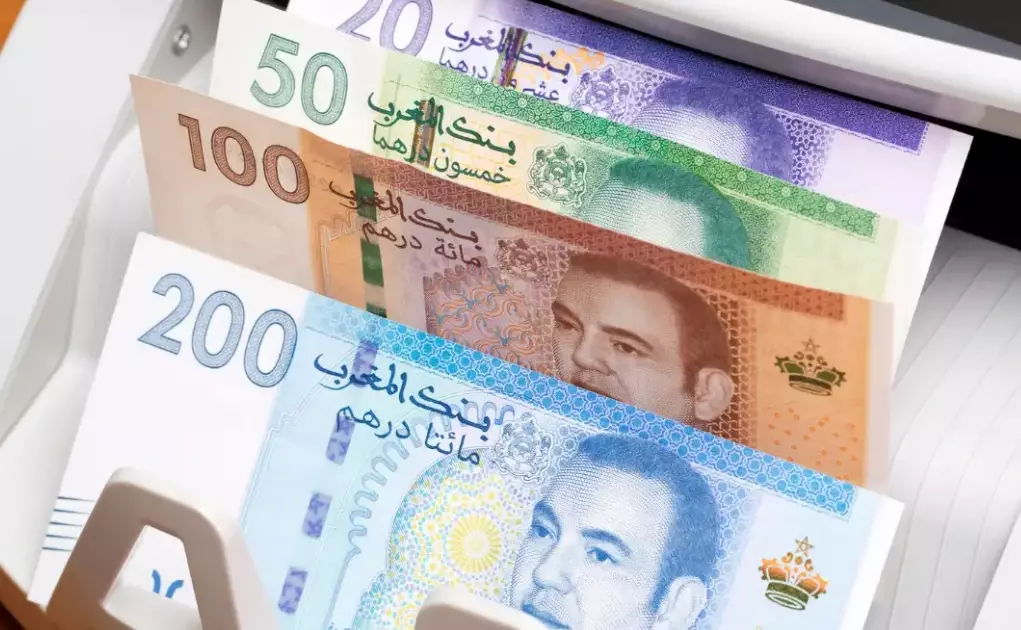
What's Inside This Guide?
What Can $1000 Get You as a Tourist in Morocco?
Let's get practical. Here’s a realistic breakdown of how a $1000 budget (10,000 MAD) could look for a 7 to 10-day trip for one person, mixing some comfort with authentic experiences. This isn't a shoestring backpacker plan, nor is it all-out luxury. It's the sweet spot.
Accommodation: From Hostels to Luxury Riads
This is your biggest variable. You can find a decent bed in a hostel dorm in Marrakech for 80-150 MAD ($8-$15) per night. A private room in a well-rated guesthouse (a "dar") might run 300-500 MAD ($30-$50). Now, for around 800-1200 MAD ($80-$120) per night, you can stay in a stunning, authentic riad—a traditional house with an interior courtyard—often including breakfast. With $1000, you could easily afford a few nights in a riad and the rest in nice guesthouses.
Food & Drink: Feast Like a Local (or a King)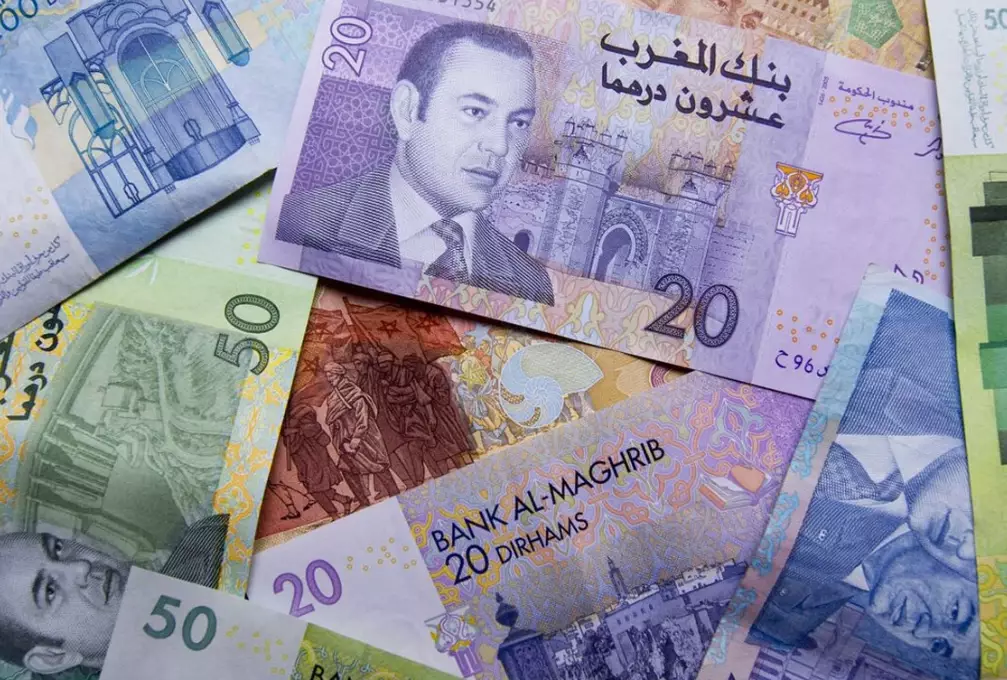
You can eat incredibly well for very little. A massive bowl of harira (lentil soup) or a sandwich from a stall: 5-10 MAD. A chicken tagine at a local restaurant: 40-70 MAD. A fancy three-course meal at a top-rated place in the Ville Nouvelle (new city): 200-300 MAD. Even if you budget 150 MAD per day for food, you'll eat like royalty. Street food is not just cheap; it's often the best food you'll have.
Sights, Tours, and Transportation
Entrance fees are generally low. The Bahia Palace in Marrakech is 70 MAD. The Hassan II Mosque in Casablanca is 130 MAD. A guided day trip to the Ourika Valley from Marrakech might cost 300-400 MAD. For longer distances, the train from Marrakech to Fez (first class) is about 300 MAD. Grand taxis (shared) are cheap for short inter-city hops, but agree on the price first.
| Expense Category | Budget-Friendly (MAD) | Comfortable Mid-Range (MAD) |
|---|---|---|
| Accommodation (per night) | 80 - 250 (Hostel/Dar) | 400 - 800 (Nice Riad) |
| Meal (Local Restaurant) | 30 - 70 (Tagine + Drink) | 100 - 200 (Multi-course) |
| City Taxi Ride | 10 - 30 (Negotiated) | Metered or App-based |
| Day Tour (e.g., Desert) | Shared: 400 - 600 | Private: 1000+ |
| Souvenir (Leather Babouches) | 80 - 150 | 200+ (High Quality) |
So, a 10-day trip with mid-range accommodation, great food, several tours, and internal travel is entirely doable on $1000 if you plan smartly. You'll have money left for a beautiful rug or leather bag.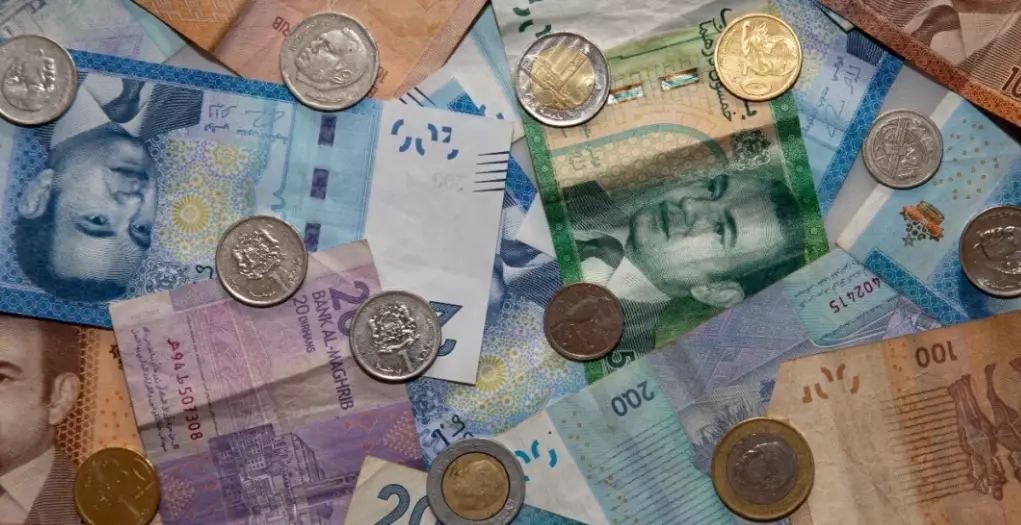
The $1000 Monthly Budget for Residents
If you're asking this question as a potential digital nomad or retiree, the perspective shifts. According to data from Numbeo, a cost of living comparison website, the cost of living in Morocco is about 65% lower than in the United States (excluding rent). $1000 per month is a solid, comfortable budget for a single person outside the most expensive expat enclaves.
- Rent: In cities like Rabat or Fez, a modern one-bedroom apartment in a good area costs 2,500 - 4,000 MAD ($250-$400). In Casablanca's upscale neighborhoods or central Marrakech, it can jump to 5,000+ MAD.
- Utilities (Electric, Heating, Cooling, Water, Garbage): For an 85m² apartment, expect 500-800 MAD per month.
- Groceries: Eating locally—fresh produce, bread, chicken, tagine ingredients—you can easily keep this under 1,500 MAD per month.
- Transportation: A monthly public transport pass is around 200-300 MAD. Gas is more expensive than you might think.
That leaves room for dining out, entertainment, and savings. The key is living like a local, not trying to maintain a fully Western lifestyle, which will quickly drain your budget.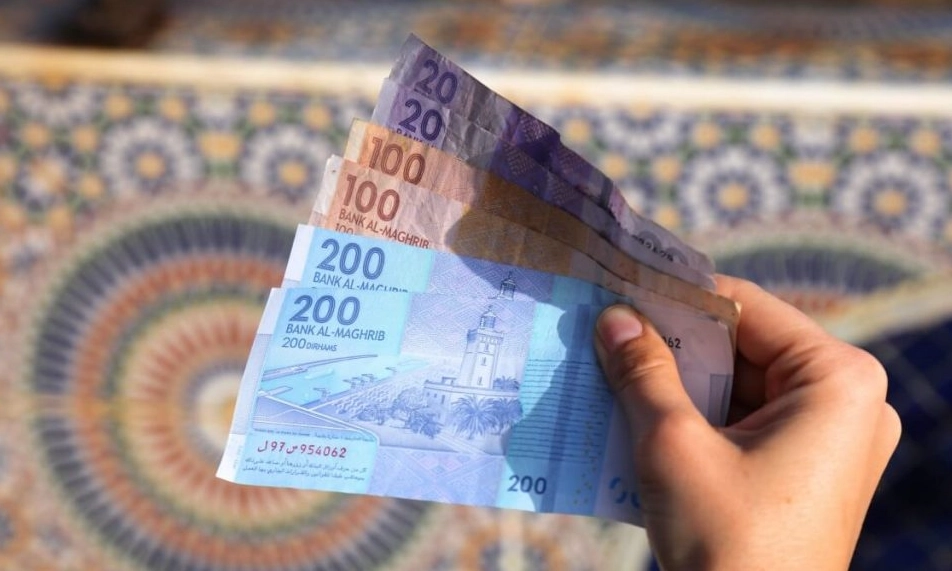
How to Make Your Money Go Further in Morocco
Here’s where experience pays off. Most guides tell you to haggle. I’ll tell you where and when it matters most.
Haggle in the souks, not in fixed-price stores. In the medina, start at 50% of the asking price and meet around 60-70%. For larger items like rugs or leather goods, take your time, have tea, and be prepared to walk away. But don't haggle over a 5-dirham orange juice. It's disrespectful.
Use ride-hailing apps. InDrive and Careem operate in major cities. The price is fixed upfront, eliminating the taxi negotiation headache. For longer distances, the ONCF train network is comfortable and reliable.
Eat where locals eat. The best food isn't in the main square. Wander down side streets. Look for places packed with Moroccans. A "menu du jour" (fixed lunch menu) is often the cheapest and freshest option.
One subtle mistake: Buying water from small shops near major tourist sites. They often double the price. Walk a block or two away, and you'll find the standard 5-7 MAD bottle.
Handling Money & Exchange: Don't Get Caught Out
Never exchange money at the airport or your hotel. The rates are poor. Use official exchange bureaus in the city, marked with "Change." They don't charge commission and have competitive rates. I always use a bit of cash and a debit card for ATM withdrawals. Notify your bank before you travel.
While cards are accepted in larger hotels, restaurants, and supermarkets, cash is king in the medinas, for taxis, and in local eateries. Always keep smaller denomination bills (20s, 50s, 100s) handy. A vendor "not having change" for a 200 dirham note is a classic tactic.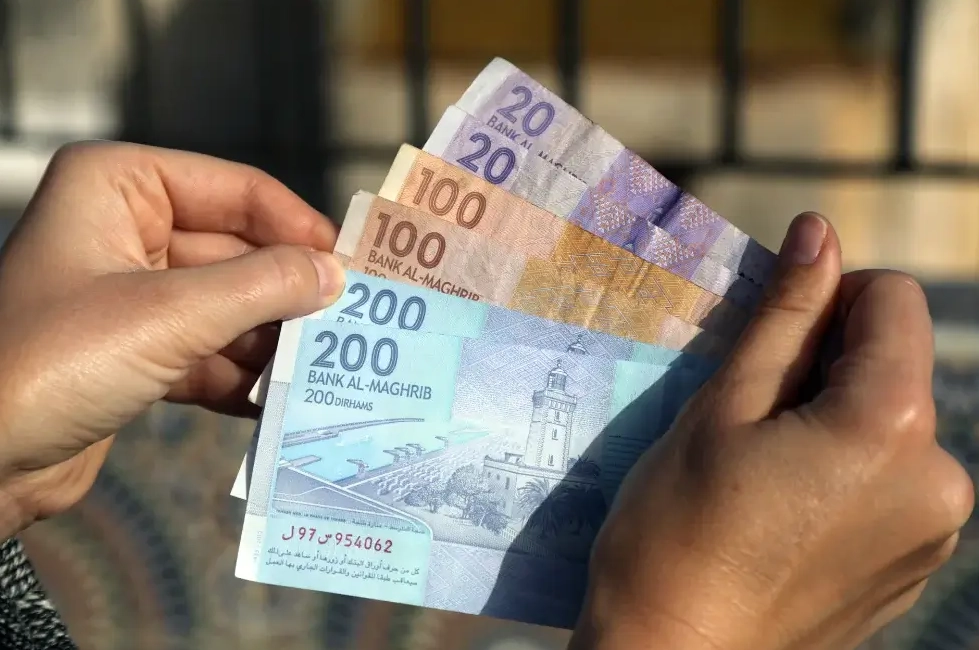
Your Morocco Budget Questions Answered
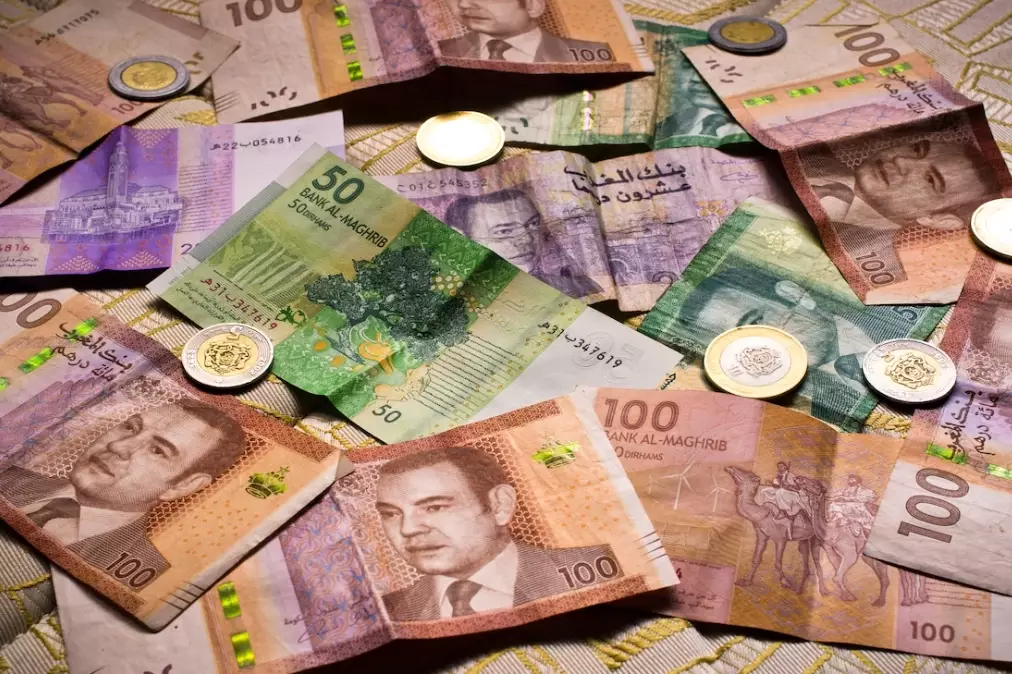 So, back to the original question. Is $1000 a lot in Morocco? For a traveler, it's a generous budget that unlocks the country's magic without constant worry. For someone living there, it's a solid foundation for a good life. It all comes down to your expectations and willingness to adapt. Think in dirhams, embrace the local rhythm, and that $1000 will feel like a fortune well spent.
Comments
Join the discussion