Quick Navigation
So you're thinking about visiting Australia? Good choice. It's a massive place, and honestly, wrapping your head around all the possible Australia tourism places can feel a bit overwhelming at first. I remember my first trip – I had a list longer than the Great Barrier Reef itself and no idea how to fit it all in.
That's where this guide comes in. We're not just going to list every single spot on the map. Instead, we'll break down the must-sees, the worth-the-detours, and a few personal favorites you might not find on every generic list. We'll talk about what makes each place tick, who it's really for, and how to actually plan your time. Because let's be real, you probably can't see it all in one go (unless you're moving there for a year).
The goal here is simple: to give you the real picture, complete with the stunning views and the occasional less-glamorous reality, so you can plan an Aussie adventure that's perfect for you.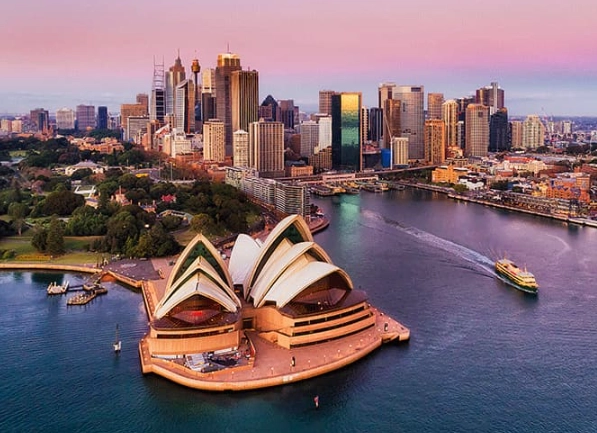
Australia's Big-Ticket Icons: The Places You've Seen in Pictures
We might as well start with the heavy hitters. These are the Australia tourism places that define the country's postcard image. They're popular for a reason, but knowing how to experience them makes all the difference.
Sydney & Its Harbour
Look, Sydney is not the capital, but it might as well be for tourists. The Harbour Bridge and the Opera House are genuinely as impressive in person as they are in photos. A ferry ride from Circular Quay to Manly is a cheap and fantastic way to see them both. Bondi Beach is great for the vibe and the famous coastal walk to Coogee, but it's crowded. For a slightly more local feel, try Bronte or Coogee beaches themselves.
My take? The Royal Botanic Garden, right next to the Opera House, is a free and utterly peaceful escape with killer harbour views. A lot of people miss it.
For official info on visiting the Opera House, including tours and show schedules, the Sydney Opera House official website is your best bet.
The Great Barrier Reef, Queensland
This is the big one. A living structure so vast it's visible from space. But here's the thing: the reef is under pressure, and its health varies by location. Picking your gateway is crucial.
Cairns is the most popular launchpad, with tons of tour boats heading to outer reefs. The Whitsunday Islands offer that dreamy combination of reef and perfect white-sand beaches (like Whitehaven Beach). For a less crowded, more eco-focused experience, consider Port Douglas or even Lady Elliot Island at the southern end of the reef.
Snorkelling can be amazing, but if you're not a strong swimmer, many boats have semi-submersibles or glass-bottom boats. Do your research and pick a operator with a strong eco-credential. The Great Barrier Reef Marine Park Authority website is a fantastic resource for understanding the reef and responsible tourism.
Uluru-Kata Tjuta National Park, Northern Territory
This is spiritual heart of the country. Uluru (Ayers Rock) is mesmerizing, especially at sunrise and sunset when it changes colour. But it's not just a rock. The nearby Kata Tjuta (The Olgas) domes are, in some ways, even more dramatic for hiking.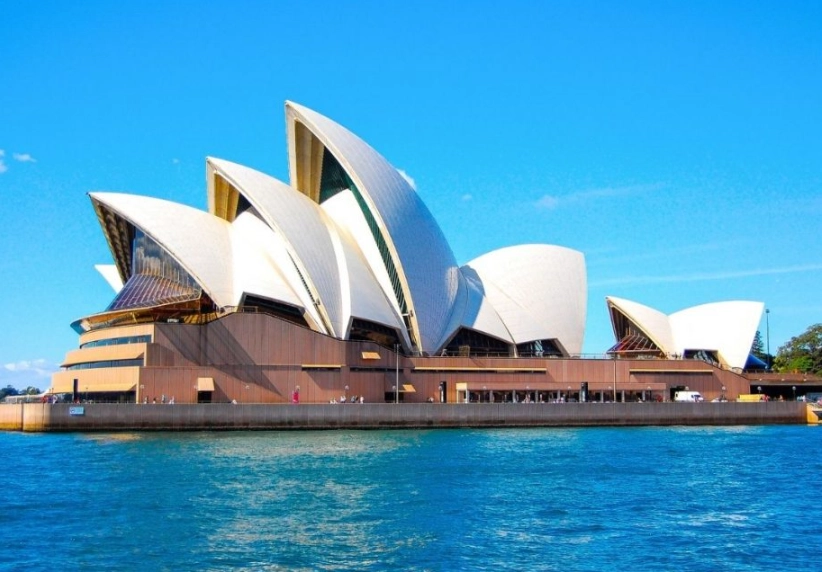
Important: Climbing Uluru is now prohibited, out of respect for the wishes of the Anangu Traditional Owners. And rightly so. The cultural walks around the base, often led by Aboriginal guides, are infinitely more rewarding. You learn about the creation stories (Tjukurpa) etched into the landscape.
It's remote, expensive, and can be brutally hot. Fly into Ayers Rock Airport (Connellan). Book everything well in advance, especially the famous "Sounds of Silence" dinner (worth it for the star-gazing alone).
Beyond the Postcards: Regional Deep Dives
Once you move past the top three, Australia opens up into a series of wildly diverse regions. This is where you start to craft a trip based on your interests.
The East Coast Road Trip Classic
This is the classic backpacker route for a reason. You've got a string of incredible Australia tourism places all connected by the Bruce Highway.
- Fraser Island (K'gari): The world's largest sand island. You need a 4WD to explore its rainforests, crystal-clear freshwater lakes (like Lake McKenzie), and the rusted shipwreck on the beach. It's unique.
- Byron Bay: The quintessential chilled-out, surf-and-wellness town. It's gotten more upmarket and crowded over the years, but the lighthouse walk at sunrise (easternmost point in mainland Australia) is still magic.
- Gold Coast vs. Sunshine Coast: Gold Coast (Surfers Paradise) is high-rise, theme parks, and nightlife. Sunshine Coast (Noosa) is more relaxed, sophisticated, with gorgeous national parks right on its doorstep. Pick your vibe.

The Wild Red Centre & The Top End
If you're into raw, ancient landscapes, this region is unbeatable.
Kings Canyon: Often overshadowed by Uluru, but the rim walk here, through lost city-like domes and down into the lush Garden of Eden valley, is one of the best hikes in the country.
Kakadu National Park: This is Australia's wild side. Monsoon rainforests, massive floodplains, and ancient Aboriginal rock art galleries like Ubirr and Nourlangie. It's a World Heritage site for both culture and nature. Visit in the dry season (May-Oct). The wet season transforms it, but many roads close.
The official Parks Australia page for Kakadu is essential for planning, checking road conditions, and understanding the cultural significance.
Southern Charm & Island Escape
Melbourne: Sydney's cooler, artsier cousin. It's all about the laneways, hidden cafes, world-class street art, and a serious coffee culture. The Great Ocean Road is its iconic day trip – the Twelve Apostles are stunning, but honestly, the whole winding coastal drive is the highlight.
Tasmania: A whole different world. It feels older, wilder, and the food and drink scene is phenomenal. Hobart's MONA museum is mind-bending. Then you've got the pristine wilderness of Cradle Mountain and the stunning white-sand, turquoise water of Wineglass Bay in Freycinet National Park. It consistently punches above its weight.
Tasmania is a reminder that some of the best Australia tourism places are the ones that feel a world away from the mainland.
The Vast & Underrated West Coast
Perth is the most isolated major city on earth, and that gives Western Australia a frontier feel.
Margaret River: Famous for wine, but also incredible surf beaches and ancient forests. It's a gourmet escape.
Ningaloo Reef: This is the game-changer. Where the Great Barrier Reef is off shore, Ningaloo is right on the beach. You can literally wade out and snorkel with turtles. And from March to July, you can swim with whale sharks right here. It's a less commercial, more accessible reef experience in many ways.
The Pinnacles Desert: Thousands of eerie limestone pillars rising out of yellow sand. It's surreal, especially at dawn or dusk.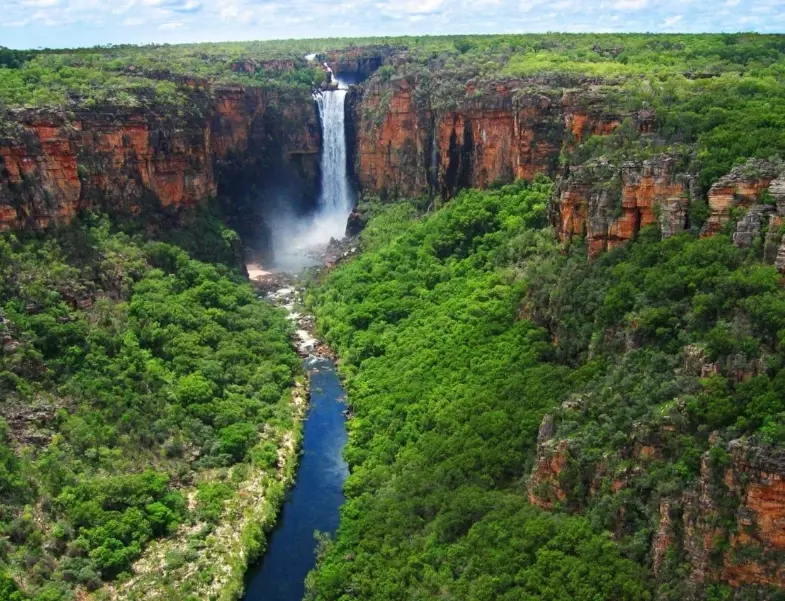
Making Sense of It All: A Quick-Reference Table
To help you compare these core Australia tourism places at a glance, here's a breakdown.
| Region / Place | Best For | Vibe / Experience | Ideal Time to Visit |
|---|---|---|---|
| Sydney & Harbour | First-timers, iconic photos, urban energy mixed with beach life. | World-class city with iconic landmarks on the doorstep. Fast-paced. | Sep-Nov (spring). |
| Great Barrier Reef | Snorkelers, divers, marine life lovers. | Underwater wonderland. Health varies by location. | Jun-Oct (dry season, best visibility). |
| Uluru (Red Centre) | Culture, spirituality, unique desert landscapes. | Profound, ancient, remote, and hot. | May-Sep (cooler winter months). |
| Melbourne & Great Ocean Road | Foodies, coffee lovers, art, dramatic coastal drives. | Cosmopolitan, creative, and sport-mad city. | Mar-May (autumn) or Sep-Nov (spring). |
| Tasmania | Wilderness, hiking, gourmet food & drink, cooler climate. | Compact, wild, historic, and delicious. | Dec-Feb (summer) for hiking; autumn for colours. |
| Western Australia (Ningaloo) | Adventure, accessible reef, wildlife, feeling off the beaten track. | Vast, remote, frontier-like, incredible natural encounters. | Apr-Jul for whale sharks; Aug-Oct for wildflowers. |
Putting It Together: How to Plan Your Aussie Itinerary
Now for the practical bit. How do you turn this list of amazing Australia tourism places into an actual trip?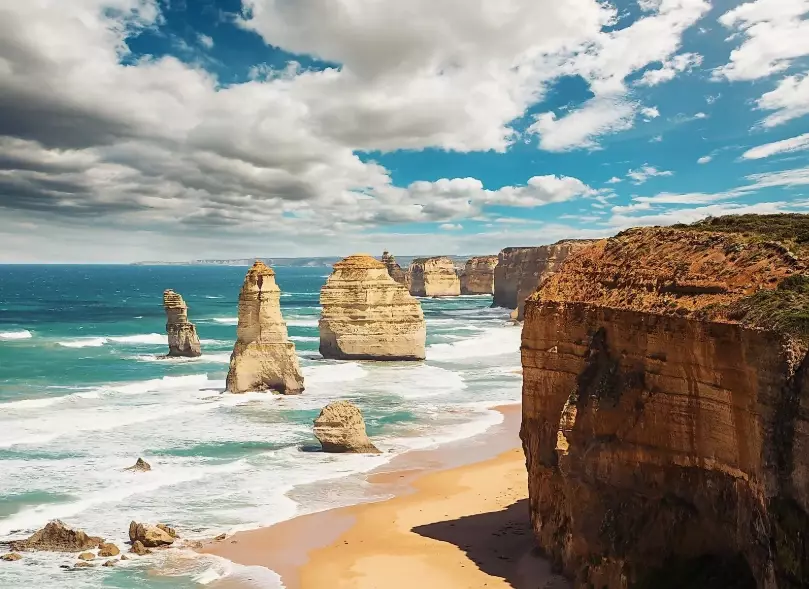
First, be brutally honest about your time and budget. Two weeks? Focus on one coast or region. A month? You can combine two.
Classic First-Timer Route (3-4 weeks): Fly into Sydney (3-4 days), fly to Uluru (3 days), fly to Cairns for the reef and maybe a Daintree Rainforest trip (4-5 days), fly down to Melbourne (3-4 days), rent a car for the Great Ocean Road (2-3 days). This hits the big icons efficiently.
Nature & Wilderness Lover (3 weeks): Fly into Cairns for the reef and Daintree, fly to Darwin, rent a 4WD for Kakadu and Litchfield National Parks (5-7 days), fly to Alice Springs for Uluru and Kings Canyon (5 days). This is the Top End and Red Centre combo.
The East Coast Road Trip (4+ weeks): Start in Melbourne, drive the Great Ocean Road, fly or train to Sydney, then rent a car or campervan and drive up to Cairns, stopping at Byron Bay, Fraser Island, the Whitsundays, etc. This is the ultimate slow journey.
What about the best time to visit all these different Australia tourism places?
There isn't one. Australia's seasons are opposite the Northern Hemisphere, and its size means multiple climates. Dec-Feb is summer: great for southern beaches but hot/wet in the north. Jun-Aug is winter: perfect for the Red Centre and Top End, but cooler in the south. Shoulder seasons (Mar-May and Sep-Nov) are often the best compromise.
Answers to Questions You're Probably Asking
Is Australia safe for tourists?
Generally, very safe. Crime rates in cities are comparable to other major Western nations. The bigger safety considerations are natural: sunburn (the sun is fierce), dehydration, strong ocean currents (always swim between the red and yellow flags on patrolled beaches), and bushfire awareness in summer. Wildlife dangers are overblown but respect local advice—don't swim where crocodile signs are posted in the north, and check for sharks.
How much does a trip to these places cost?
Australia is not cheap. Accommodation, fuel, and tours can be pricey. A mid-range trip can easily cost $200-$300 USD per person per day. You can save by camping, cooking your own meals, and using public transport in cities. Flights between major Australia tourism places are often necessary and add up.
Do I need a visa?
Yes, almost everyone does. Most tourists can get an Electronic Travel Authority (ETA) or eVisitor visa online easily before travel. Check the official Australian Department of Home Affairs website for the latest, correct information for your passport.
Is driving difficult?
Driving is on the left. The rules are well-signposted. The challenges are long, monotonous distances between towns in the outback, and wildlife (especially kangaroos) at dawn and dusk. Always carry extra water, tell someone your route, and check road conditions if heading remotely. A standard license is usually fine for rentals.
Renting a campervan is a popular and fantastic way to see many of these Australia tourism places at your own pace.
What's the food like?
It's excellent and fresh. There's fantastic seafood, high-quality meat, and incredible produce. The café culture is strong. It's also incredibly multicultural—you'll find brilliant Vietnamese, Greek, Italian, and modern Asian fusion food. Don't just eat generic pub food; seek out the local markets and cafes.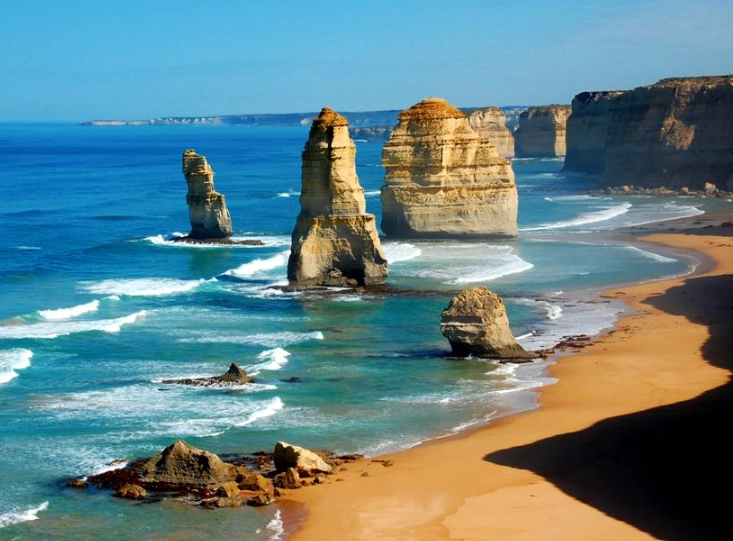
The Final Word Before You Go
Choosing which Australia tourism places to visit comes down to your personal travel style. Are you after beach time, cultural immersion, epic road trips, or wilderness hiking? Australia has a region that specializes in each.
The key is not to try and be a checklist tourist. Pick a theme, slow down, and dive deeper into a couple of areas. Whether it's learning about 60,000-year-old culture at Uluru, snorkelling on a pristine reef, hiking through a temperate rainforest, or just enjoying a flat white in a Melbourne laneway, the real magic happens when you give a place a bit of time.
Start with the official Tourism Australia website for inspiration, but then dig into the specific state tourism and national park sites for the real planning details. Have an amazing trip.

Comments
Join the discussion