Your Quick Japan Travel Guide
- First Things First: The Essential Pre-Trip Checklist
- Classic Japan Tourism Itinerary Frameworks
- Beyond the Classics: Niche & Seasonal Itinerary Ideas
- The Nitty-Gritty: Practicalities for Your Japan Trip Planner
- Your Japan Tourism Itinerary: Frequently Asked Questions
- Putting It All Together: Final Thoughts
Let's be honest. Planning a Japan travel itinerary can feel like trying to solve a puzzle where all the pieces are beautiful, but you're not sure which ones fit together. You've got the neon buzz of Tokyo, the serene temples of Kyoto, the street food of Osaka, and maybe a glimpse of Mount Fuji in between. How do you pack it all into one trip without feeling like you're running a marathon? I remember my first attempt. I had a spreadsheet with hourly slots, and by day three, I was exhausted. It looked good on paper, but real travel in Japan doesn't work like that. You need room for that random alleyway ramen shop, the unexpected festival, or just a moment to sit in a peaceful garden.
This guide isn't about a rigid, minute-by-minute schedule. Think of it as a flexible framework. We'll build a solid Japan trip planner foundation—classic routes, hidden gems, logistics—and then show you how to bend it to your style. Whether you've got a week or two weeks, love cities or crave nature, are a foodie or a history buff, the core of a great Japan vacation itinerary is balance.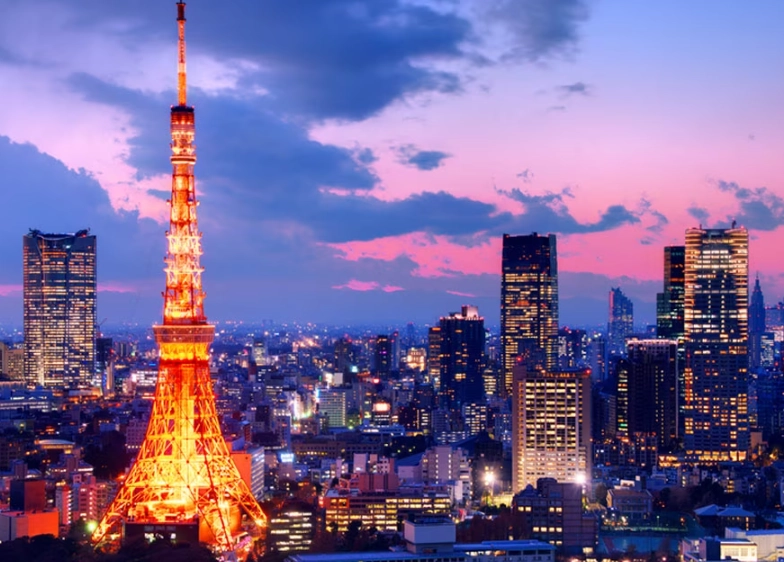
First Things First: The Essential Pre-Trip Checklist
Before we dive into day-by-day plans, let's sort the basics. Skipping this is like building a house on sand.
When to Go? It Changes Everything.
Your season dictates your experience and your packing list.
- Spring (March-May): Cherry blossoms, obviously. It's magical but also the most crowded and expensive. Late April to May (after the sakura) is lovely and slightly calmer.
- Summer (June-August): Hot and humid. Really humid. But it's festival season (Gion Matsuri in Kyoto, Nebuta in Aomori). Good for northern regions like Hokkaido.
- Autumn (September-November): My personal favorite. Crisp air, stunning koyo (autumn leaves), fewer crowds than spring. A perfect season for any Japan travel itinerary.
- Winter (December-February): Cold, but clear skies in many areas. Fantastic for onsen (hot springs), winter illuminations, and skiing. Cities like Tokyo and Kyoto are less crowded.
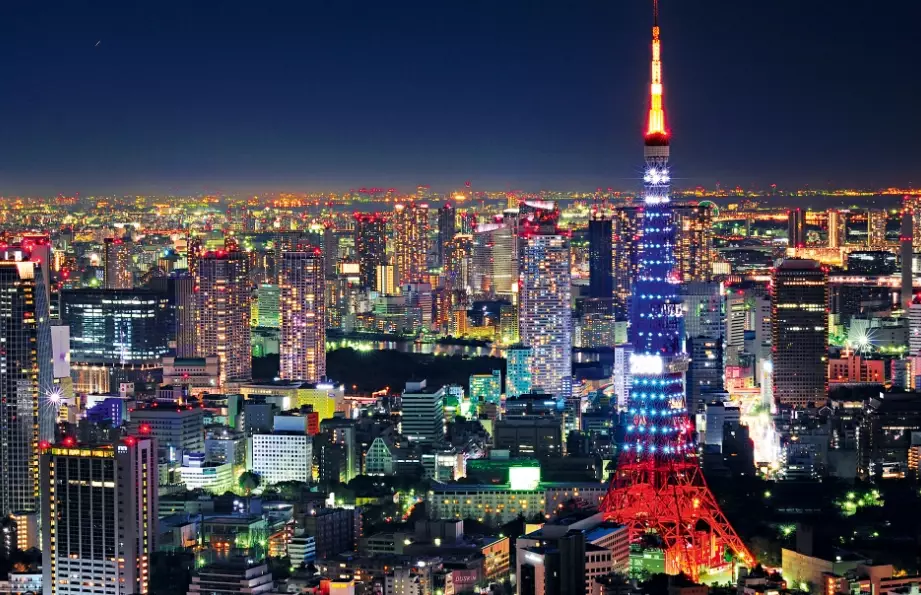
And then there's the money. Japan has a reputation for being expensive, but it's more nuanced than that. You can blow a fortune on kaiseki dinners and luxury ryokans, or you can live very well on conbini (convenience store) meals and business hotels. The key is knowing where to splurge and where to save. For me, splurging on a great ryokan with a kaiseki dinner and private onsen was worth every yen. Skipping the fancy lunch for a standing soba noodle bar? Also a win.
The JR Pass Dilemma: Is It Worth It for Your Japan Itinerary?
Ah, the Japan Rail Pass. The golden ticket for many. But with recent significant price hikes, it's no longer a no-brainer. You need to do the math. For a classic Tokyo-Kyoto-Osaka-Hiroshima round-trip, it might still break even or save you a little. But if your Japan trip planner only includes Tokyo and Kyoto, buying individual Shinkansen tickets is almost certainly cheaper. Use the official Japan Rail Pass website for the latest prices and rules, and then plug your planned trips into a fare calculator like the one on JapanTravel or HyperDia to compare. Don't just assume you need it.
Classic Japan Tourism Itinerary Frameworks
Okay, let's get to the meat of it. Here are two foundational routes. These are templates, not commandments.
The 7-Day "Golden Route" Japan Vacation Itinerary
Perfect for first-timers with limited time. It's a whirlwind, but it hits the icons.
Days 1-3: Tokyo (The Modern Pulse)
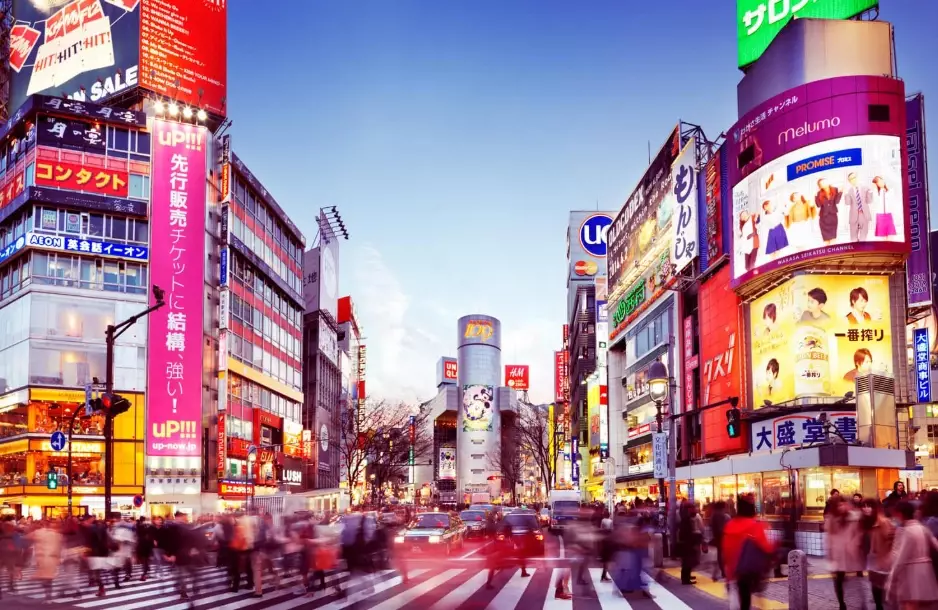
- Day 1: Arrive at Narita/Haneda. Get your bearings. Maybe Shinjuku for the Metropolitan Government Building (free view!) and the crazy energy of the crossing at night.
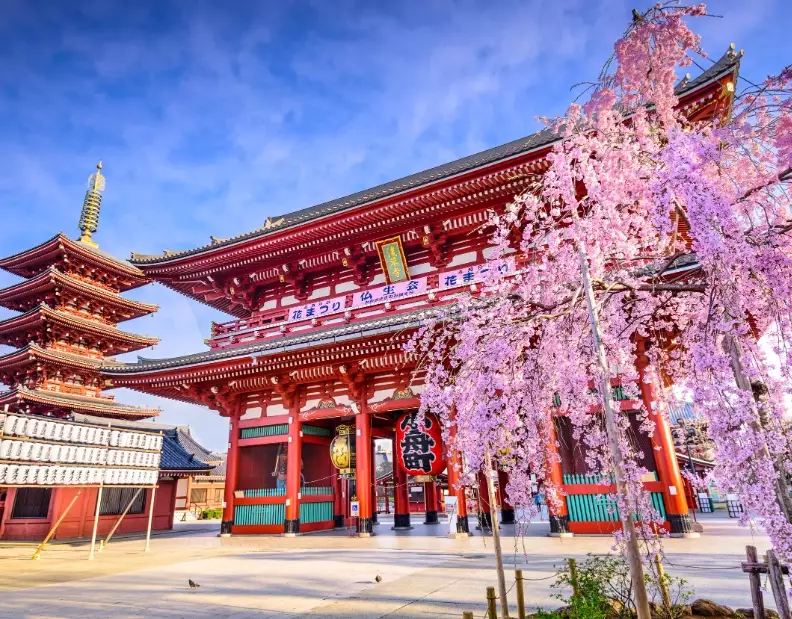
- Day 2: East side. Sensoji Temple in Asakusa for tradition, then the futuristic vibe of Akihabara for electronics/anime, or Ueno for museums. Don't try to do all three.
- Day 3: West side. Harajuku (Takeshita Street for the teen culture, Meiji Shrine right behind it for serenity), Shibuya Crossing, maybe a stroll in upscale Omotesando.
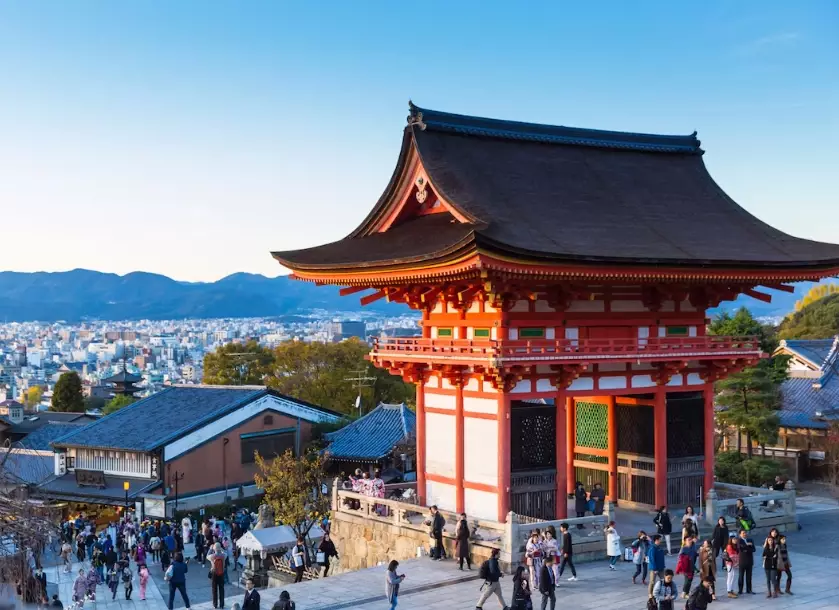
Days 4-5: Kyoto (The Historic Heart)
Take the morning Shinkansen from Tokyo (about 2.5 hours). Drop bags, then head out.
- Day 4 (Afternoon): Southern Higashiyama. Walk from Kiyomizu-dera down Sannenzaka and Ninenzaka stone paths to Yasaka Pagoda. This area is touristy but beautiful, especially in the late afternoon light.
- Day 5: Arashiyama. The bamboo grove (go EARLY, like 7-8am, to avoid the crowds), Tenryu-ji temple, and maybe the monkey park. In the afternoon, visit Fushimi Inari Shrine. Yes, it's crowded at the base, but hike up the mountain—the crowds thin out after 15 minutes, and you get the iconic torii gates mostly to yourself.
Days 6-7: Osaka & Departure
A short 30-minute train from Kyoto. Osaka is about food and fun.
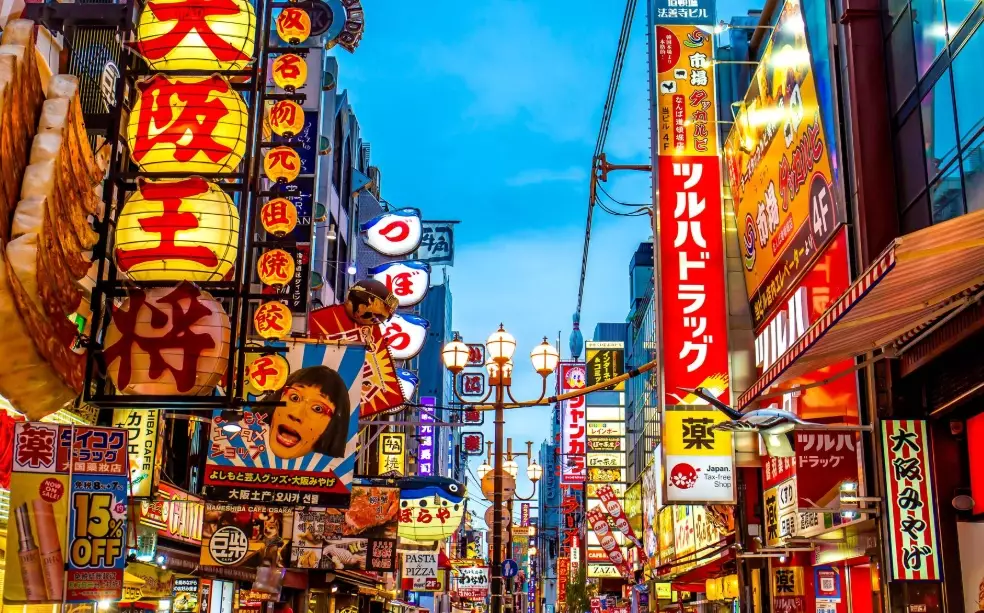
- Day 6: Dotonbori at night is a must for the neon signs and street food (takoyaki, okonomiyaki). Osaka Castle in the morning is a concrete reconstruction, but the museum inside is excellent. Shinsekai is a retro-futuristic district with a great, local vibe.
- Day 7: Last-minute shopping in Shinsaibashi, a final bowl of ramen, then head to Kansai International Airport (KIX) for your flight out.
The 14-Day "Deep Dive" Japan Trip Planner
This is where you can truly get a feel for the country's diversity. You can follow the 7-day route and then extend it.
| Segment | Destinations | Key Experiences | Nights |
|---|---|---|---|
| Modern Metropolis | Tokyo | Neon districts, temples, museums, day trip to Kamakura or Nikko | 4 |
| Japanese Alps & Onsen | Takayama, Shirakawa-go | Historic old town, traditional gassho-zukuri farmhouses, relaxing hot springs | 2 |
| Historic Capital | Kyoto | Temples, gardens, geisha districts, tea ceremonies | 4 |
| Food & Castle Town | Osaka, Himeji, Nara | Street food, Himeji Castle (Japan's best), bowing deer in Nara Park | 3 |
| Peace & Reflection | Hiroshima & Miyajima | Peace Memorial Park, Itsukushima Shrine's floating torii gate | 2 |
This 14-day Japan tourism itinerary adds the cultural depth of the Alps region and the profound historical significance of Hiroshima. Takayama feels like a step back in time, and its morning markets are a delight. Shirakawa-go is a UNESCO site with unique thatched-roof houses. Including Himeji for a couple of hours on the way from Osaka to Hiroshima is easy and worth it—the castle is a masterpiece. Nara is a simple day trip from Kyoto or Osaka and offers a completely different temple experience with the friendly (and sometimes pushy) deer.
Beyond the Classics: Niche & Seasonal Itinerary Ideas
Maybe you've been before, or the classic route doesn't call to you. Here are some themed ideas.
The Foodie's Japan Travel Itinerary
Focus: Osaka (the kitchen of Japan), Fukuoka for Hakata ramen, Sapporo for miso ramen and seafood, Kanazawa for fresh sushi and gold leaf ice cream. Include a depachika (department store basement food hall) tour in Tokyo and a visit to the Tsukiji Outer Market. Book a cooking class or a food tour in Kyoto. Your Japan trip planner for this is basically a list of restaurants and markets.
The Onsen & Nature Lover's Japan Itinerary
Forget the big cities. Start in Tokyo, then head to Hakone (for views of Fuji and mixed-gender onsens if you're shy), then to the Japanese Alps (Nagano/Matsumoto for hiking and monkeys), up to the remote onsen towns of Tohoku like Nyuto Onsen, and finish in Hokkaido for vast national parks. This requires more time and planning but is incredibly rewarding.
The Winter-Specific Japan Vacation Itinerary
Skiing in Niseko or Hakuba. Snow monkeys bathing in Jigokudani in Nagano. The incredible snow walls of Tateyama Kurobe Alpine Route (spring). Illumination festivals everywhere. Soaking in an outdoor onsen while snow falls around you is an unforgettable experience. Pack good boots!
See? A Japan tourism itinerary can be anything. The official Japan National Tourism Organization (JNTO) website is an incredible resource for digging up these lesser-known spots and checking seasonal events.
The Nitty-Gritty: Practicalities for Your Japan Trip Planner
This is the stuff that makes or breaks your trip.
Getting Around (Without Losing Your Mind)
Trains are a dream, but the system is vast. Google Maps is your best friend—it gives you real-time train schedules, platform numbers, and even prices. Get an IC card (Suica or Pasmo) as soon as you land. You tap it for trains, buses, convenience stores, vending machines. It's magic. For Shinkansen, you can book seats at ticket machines (English available) or at a ticket office. During busy seasons, reserve a day or two in advance.
Where to Stay: A Quick Breakdown
| Accommodation Type | Best For | Experience | Budget Note |
|---|---|---|---|
| Business Hotel (Toyoko Inn, APA) | Solo travelers, budget-conscious, city centers | Clean, tiny, functional. Often includes simple breakfast. | Budget |
| Ryokan | Cultural immersion, couples, relaxation | Traditional inn with tatami floors, futons, kaiseki dinner, onsen. A must-try for at least one night. | Mid-Range to Luxury |
| Hostel / Guesthouse | Solo travelers, socializing, tight budgets | Dorm or private rooms. Great for meeting other travelers. | Budget |
| City Hotel (Western chains) | Families, those wanting familiar comfort | Larger rooms, international standards. Less local flavor. | Mid-Range to Luxury |
My advice? Mix it up. Do a business hotel in Tokyo for convenience, splurge on a ryokan in Hakone or Kyoto, and maybe try a hostel in a smaller town. Location is key—being near a major train station (like Shinjuku, Kyoto, or Osaka Station) saves immense time and stress, even if it costs a bit more.
Money, Wi-Fi, and Etiquette Basics
Cash is still king in many smaller shops, temples, and ryokans. Get cash from 7-Eleven ATMs—they have the best international rates and English menus. Credit cards are widely accepted in cities. For Wi-Fi, renting a pocket Wi-Fi device or buying a local SIM/eSIM at the airport is essential. I prefer an eSIM—it's one less thing to charge.
Etiquette isn't about fear; it's about respect. Learn a few phrases (Arigatou gozaimasu - Thank you). Don't eat while walking. Be quiet on trains. No tipping. You'll pick it up quickly. Japanese people are incredibly forgiving and helpful to visitors who are trying.
Your Japan Tourism Itinerary: Frequently Asked Questions
Budget: ¥8,000-¥12,000 (hostels, convenience store meals, local transport).
Mid-Range: ¥15,000-¥25,000 (business hotels, mix of casual and nice meals, some taxis, entry fees).
Luxury: ¥35,000+ (boutique hotels/ryokans, fine dining, private tours).
Remember, your flight and JR Pass (if you get it) are separate big costs.
Putting It All Together: Final Thoughts
Creating your Japan travel itinerary is part of the fun. Use this guide as a starting point. Copy the tables, jot down the tips that resonate, and then start bending the plan to your will.
The goal isn't to check every box. It's to have an experience that feels uniquely yours. Maybe you'll fall in love with a particular neighborhood in Tokyo and decide to spend an extra day there, skipping a planned day trip. That's a win. Maybe you'll discover a love for izakaya (Japanese pubs) and decide your evenings are for bar-hopping in Shinjuku's Omoide Yokocho instead of fancy dinners. That's also a win.
Start with a solid framework from this Japan trip planner, stay flexible on the ground, and immerse yourself in the incredible contrasts that make Japan so special. The precision of the train schedules and the serene chaos of a temple garden can exist in the same day. That's the magic. Now go start planning.


Comments
Join the discussion