Let's cut to the chase: Morocco is generally safe for tourists, but like any destination, it has its quirks. I've traveled there multiple times, from the bustling medinas to the Sahara dunes, and safety boils down to awareness and preparation. Most visitors have a fantastic time, but I've seen travelers get tripped up by avoidable mistakes—like trusting a random "guide" in Marrakech or skipping travel insurance. This guide dives deep into Morocco tourism safety, offering practical tips you won't find in generic brochures.
Quick Navigation: What You'll Find Here
Understanding Safety in Morocco: An Overview
First off, Morocco ranks moderately on global safety indexes. According to the U.S. Department of State, it's a Level 2 destination (exercise increased caution), mainly due to petty crime and terrorism risks in border areas. But here's the thing: most tourist hubs like Marrakech, Fez, and Casablanca are heavily patrolled and safe. I remember chatting with a local police officer in Jemaa el-Fnaa square—he said incidents are rare, but tourists often make themselves targets by flashing expensive gear.
Current Safety Ratings and Reports
Check the UK Foreign Office advice for updates; they're thorough. Petty theft is the biggie, not violent crime. I've felt safer walking in Fez at night than in some European cities, but that's just my take.
Common Misconceptions About Morocco Safety
Many think Morocco is uniformly dangerous—it's not. Rural areas near the Algerian border have advisories, but you're unlikely to go there. The media overhypes risks; in reality, scams are more annoying than threatening.
Practical Safety Tips for Travelers in Morocco
This is where experience pays off. I've compiled tips that go beyond "be cautious."
How to Avoid Common Scams and Pickpocketing
Scams are rampant in medinas. Top ones: fake guides demanding money after "free" tours, carpet sellers using pressure tactics, and taxi drivers not using meters. My rule: always negotiate prices upfront and get receipts. In Marrakech, I once had a guy try to charge 200 dirhams for a 5-minute walk—I laughed and walked away. Pickpockets love crowded souks; wear a money belt or crossbody bag. Don't keep phones in back pockets.
Safety for Solo Travelers and Women
As a solo female traveler, I found Morocco welcoming but with stares. Dress modestly (cover shoulders and knees), avoid isolated alleys after dark, and book accommodations with good reviews. Riads are great—they often have secure entrances. Learning phrases like "la shukran" (no thank you) helps fend off hassle.
Transportation Safety: Taxis, Buses, and Trains
Trains (ONCF) are safest and reliable. For taxis, use petit taxis in cities—insist on the meter or agree on a fare before riding. Grand taxis for intercity trips can be sketchy; I prefer buses like CTM or Supratours. They're comfortable and have fixed schedules. Check the Moroccan National Tourism Office for trusted operators.
Navigating Specific Scenarios: From Medinas to Deserts
Let's get specific. Safety varies by location.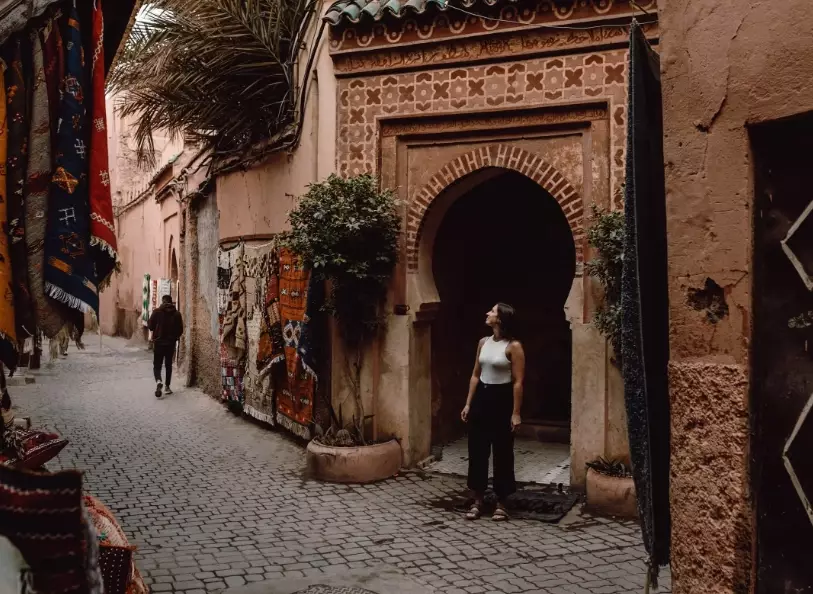
Safety in Marrakech and Fez Medinas
Medinas are labyrinths. Stay alert: keep valuables hidden, and if lost, ask shopkeepers for directions rather than random strangers. I got lost in Fez once, and a friendly baker pointed me out—no charge. Avoid unlicensed guides; book through your hotel. Key spots: Jemaa el-Fnaa (Marrakech) is safe but crowded; go with a group at night.
Desert Tours and Remote Area Safety
Desert tours (e.g., Merzouga) are generally safe, but choose operators wisely. I took a 3-day tour and regretted picking a cheap option—the 4x4 broke down. Look for licensed companies with reviews on platforms like Tripadvisor. Ensure vehicles have seatbelts and guides speak English. Pack water, sunscreen, and a first-aid kit. Remote areas have limited medical facilities, so insurance is non-negotiable.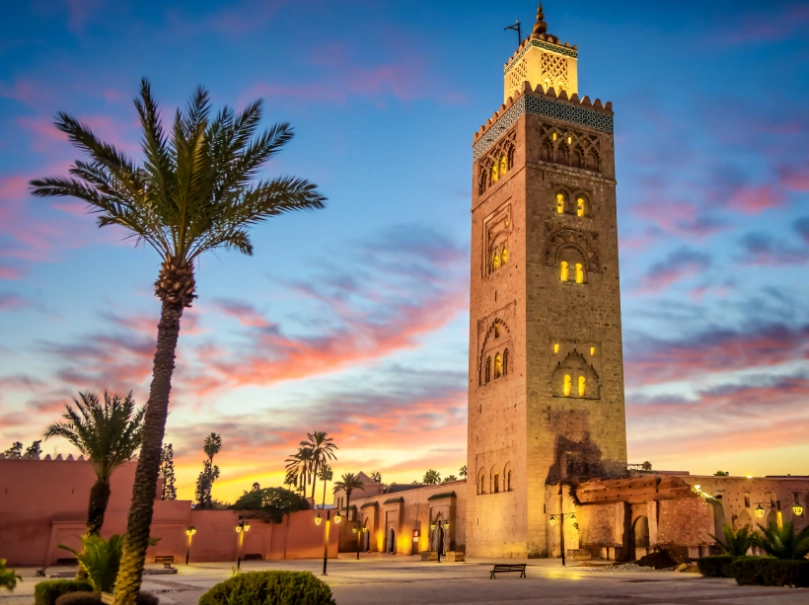
Emergency Preparedness and Resources
Hope for the best, plan for the worst. Here's what you need.
Important Contacts and Emergency Numbers
Memorize these: Police (19), Ambulance (150), Fire (15). For tourists, the Bureau de Tourisme has help desks in major cities. Save your embassy's contact—I had a friend lose her passport, and the U.S. Embassy in Rabat helped quickly. Address: U.S. Embassy, Km 5.7, Avenue Mohamed VI, Souissi, Rabat.
Health and Medical Safety Tips
Tap water is iffy—stick to bottled water. Hospitals: private ones like Clinique Internationale de Marrakech are better than public. Address: Route de Targa, Marrakech. Hours: 24/7. Costs vary, so have insurance. I got food poisoning once; a local pharmacist recommended rehydration salts—worked like a charm.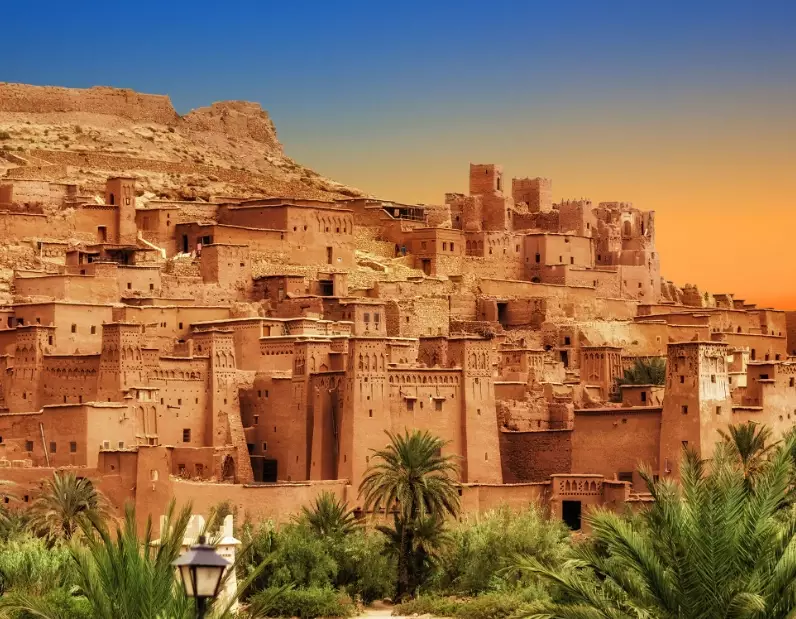
A Sample Safe Itinerary for Morocco
Here's a 5-day plan focusing on safety. Adjust as needed.
| Day | Location | Activities & Safety Notes | Accommodation (Sample) |
|---|---|---|---|
| 1 | Marrakech | Arrive at Menara Airport (safe taxis available). Visit Koutoubia Mosque (free, open 9 AM-6 PM). Avoid touts near entrance. | Riad Dar Anika (secure, central) – from $100/night |
| 2 | Marrakech | Explore Jemaa el-Fnaa by day (crowded, watch bags). Book a guided tour of Bahia Palace (tickets: 70 dirhams). Use licensed guides only. | Same riad |
| 3 | Fez | Take ONCF train (3 hours, safe). Visit Chouara Tannery (go with a guide to avoid scams). Address: Hay Lablida, Fez. | Riad Fes (gated) – from $80/night |
| 4 | Desert Day Trip | Book a day tour to Merzouga with Sahara Desert Tours (licensed). Includes 4x4 transport, lunch. Confirm safety gear. | Return to Fez |
| 5 | Casablanca | Visit Hassan II Mosque (tickets: 130 dirhams, open 9 AM-2 PM). Use Careem app for transport. Avoid beach areas at night. | Hotel Le Doge (secure) – from $120/night |
This itinerary minimizes risks by using trusted transport and accommodations. I've done similar routes—it's smooth if you plan ahead.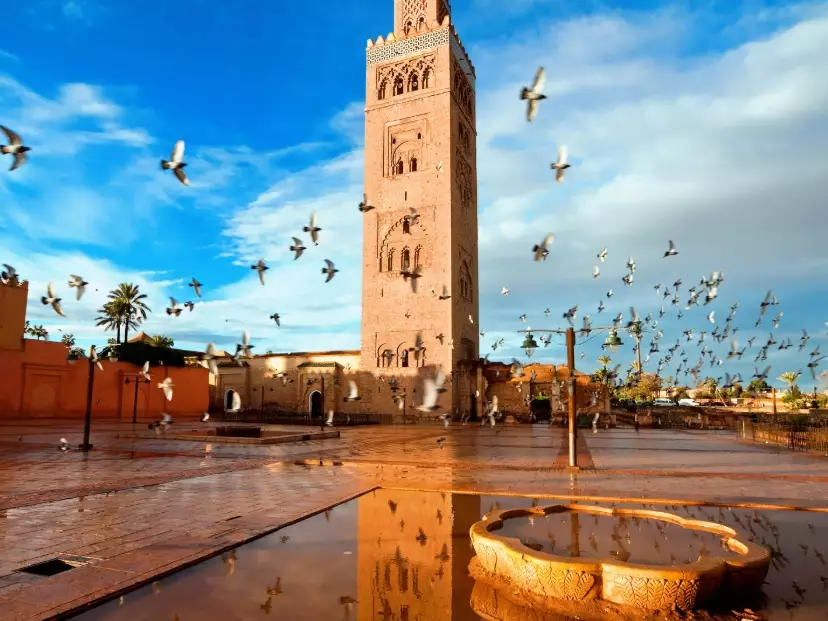
Your Burning Safety Questions Answered
Morocco's charm outweighs its risks if you stay smart. Pack common sense, respect local customs, and you'll have an unforgettable trip. Safe travels!
Comments
Join the discussion