Quick Guide
- Why the USA? More Than Just Postcards
- Timing is Everything: When to Go and When to Hide
- Building Your USA Tourism Blueprint: A Step-by-Step Plan
- The USA Tourism Hit List: Destinations You'll Dream About
- Living the American Life: Culture, Food & Etiquette
- Getting Around: Planes, Trains, and Automobiles
- Money Talk: Budgeting for Your USA Tourism Adventure
- Staying Safe, Healthy, and Sane
- Your Burning USA Tourism Questions, Answered
- Making It Yours: The Final Touch
Let's be honest, planning a trip to the United States can feel like trying to drink from a firehose. The place is massive. You've got towering cities, deserts that look like Mars, rainforests, mountains that scrape the sky, and about a million different cultures stuffed into one country. Where do you even start? I remember my first trip planning session—I had about fifty browser tabs open and a serious case of decision paralysis.
That's why I put this guide together. Think of it as your friendly, slightly opinionated travel buddy who's been there, made the mistakes (like trying to see both New York and the Grand Canyon in a week—don't do it), and lived to tell the tale. We're going to cut through the noise and get down to what you actually need to know to plan an incredible USA tourism experience.
The Core Idea: Successful USA tourism isn't about checking off every single landmark. It's about picking the right slice of America for you, understanding how the place works, and diving in. Whether you're dreaming of neon-lit streets, silent redwood forests, or the hum of a Nashville honky-tonk, it's all here waiting.
Why the USA? More Than Just Postcards
People sometimes ask me if the US is just one big, homogeneous block of fast food and Hollywood. That question always makes me laugh. Having a meaningful USA tourism experience means getting past the stereotypes. Sure, you can find those things, but you'll also find jaw-dropping diversity.
The landscapes alone are ridiculous. You can surf in the Pacific Ocean in the morning and be skiing in the Sierra Nevada mountains that same afternoon. You can wander through the ancient, quiet hoodoos of Bryce Canyon and then, a few days later, feel the electric buzz of a Chicago comedy club. The cultural patchwork is just as varied—the Creole soul of New Orleans feels like a different planet compared to the tech-fueled hustle of Seattle or the southern hospitality of Charleston.
That's the real draw. It's a choose-your-own-adventure on a continental scale.
Timing is Everything: When to Go and When to Hide
This is probably the most important practical decision you'll make. The "best" time is a myth—it completely depends on what you want to do and where you want to go. A summer in Arizona? Brutal. A winter in Minneapolis? You'll need a survival guide.
Let's break it down by what you're after.
Chasing Perfect Weather (The Sweet Spots)
For most classic USA tourism routes that mix cities and nature, you want the shoulder seasons. Think late April to early June (spring), and September to October (fall). The crowds are thinner than peak summer, the prices are often better, and the weather is usually glorious. New England in October? It's a cliché for a reason—the foliage is unreal. California's coast in May or September is pretty hard to beat, too.
Watch Out: "Spring" and "Fall" mean very different things across the country. Spring in Florida is warm and lovely; spring in Montana can still mean snowstorms. Always check regional forecasts, not just the season.
For the Budget-Conscious Traveler
If you're willing to trade some ideal weather for serious savings, aim for the deep off-seasons. That's generally November (excluding Thanksgiving week), early December, and January through February (excluding ski resorts and Florida). I once snagged a fantastic hotel in downtown San Francisco in early December for half the summer price. Just pack a good coat.
Seasonal Highlights You Can't Miss
- Winter (Dec-Feb): Skiing in Colorado or Utah, festive markets in New York and Chicago, escaping to warm beaches in Hawaii or Southern Florida. Mardi Gras in New Orleans (usually Feb/March) is a wild, unique experience, but book a year in advance.
- Summer (Jun-Aug): National parks are in full swing (but crowded). Classic road trips along Route 66 or the Pacific Coast Highway. Baseball games, county fairs, and fireworks on the 4th of July. It's peak family travel time.
- Shoulder Seasons (Apr-Jun & Sep-Oct): The gold standard for flexibility. Hiking without the summer heat, city exploring without the winter chill.
Seriously, don't underestimate seasonality. It defines your entire trip.
Building Your USA Tourism Blueprint: A Step-by-Step Plan
Okay, you're excited. You've got some dates in mind. Now what? This is where people get overwhelmed. Let's build your trip logically.
Step 1: The Big Picture – Region & Theme
You cannot "do the USA" in one trip. It's just not possible without living on a plane. My advice? Pick a region or a theme.
My Mistake: On my first attempt, I tried a "Greatest Hits" tour: New York, Washington D.C., Orlando, and a quick hop to the Grand Canyon. I spent more time in airports and feeling rushed than actually enjoying anything. Never again.
Better ideas:
- The Classic West: Los Angeles, Las Vegas, Grand Canyon, Zion/Bryce National Parks, maybe end in San Francisco. A perfect two-week loop.
- The East Coast History & Cities: Boston, New York City, Philadelphia, Washington D.C. Trains connect these beautifully.
- The National Park Bonanza: Fly into Salt Lake City or Denver, rent a car, and hit a circuit of Utah's "Mighty 5" or the Rockies.
- The Southern Charm Tour: Atlanta, Charleston, Savannah, New Orleans. Focus on food, history, and music.
Step 2: The Nuts and Bolts – Visas, Money, Connectivity
The boring stuff that makes the fun stuff possible.
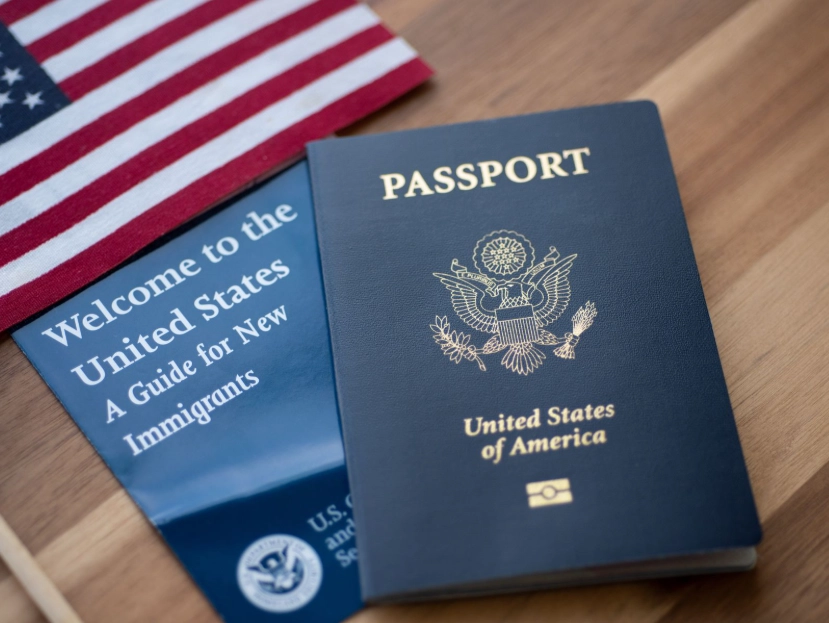
Visas & ESTA: This is non-negotiable. Citizens of Visa Waiver Program countries need to apply for an ESTA authorization online well before travel (at least 72 hours, but I'd do it weeks ahead). It's a simple online form, costs $21, and is valid for two years. If you're not from a VWP country, you'll need to apply for a tourist visa (B-2) at a U.S. embassy—start that process months in advance.
Money: The US is a credit/debit card society. You can go days without seeing cash, especially in cities. That said, always have some physical dollars for small vendors, tips, and places with spotty connectivity. Notify your bank you're traveling! Foreign transaction fees can add up—look into a travel-friendly card.
Phones & Internet: Free public Wi-Fi is common but often slow and insecure. For real peace of mind, especially for navigation, get a local SIM card or an eSIM plan for data. T-Mobile and AT&T have good tourist prepaid options at the airport or their stores.
Step 3: Booking Smart – Flights, Hotels, and Cars
Domestic flights can be cheap, but they come with baggage fees. Always read the fine print. For hotels, location matters more than you think. A cheap hotel an hour outside a city will cost you in time and transport. I'm a big fan of booking.com for comparing, but sometimes direct booking on a hotel's site gets you perks.
Pro Tip: For rental cars, book as early as possible. Prices only go up. And get the full insurance unless your credit card or personal policy provides primary coverage in the USA. The peace of mind is worth it after a long flight.
The USA Tourism Hit List: Destinations You'll Dream About
Alright, let's talk about the fun part—the places. This isn't a definitive list, but it's a damn good starting point based on what people actually love.
The Iconic Cities (They're Popular for a Reason)
- New York City: It's a sensory overload in the best way. Yes, see Times Square for 10 minutes, then get out. Walk the High Line, get lost in Central Park, see a Broadway show (TKTS booth for same-day discounts), and eat everything. The energy is real.
- San Francisco: More laid-back than NYC. The Golden Gate Bridge, Alcatraz (book tickets months ahead), cable cars, and incredible food in neighborhoods like the Mission. Bring layers—the fog is no joke.
- New Orleans: The most unique city in the country. The French Quarter is touristy but magical. The real magic is in the music on Frenchmen Street, the po'boys, and the cemeteries. Go for the culture, not just the party.
- Chicago: Underrated gem. Stunning architecture (take the river cruise), world-class museums, deep-dish pizza (it's a casserole, fight me), and a fantastic lakefront. Summers are vibrant, winters are... character-building.
The Natural Wonders (Where America Shows Off)
This is where USA tourism truly shines. The National Park Service (NPS website) is your bible.
- Grand Canyon (Arizona): It looks exactly like the pictures, but pictures don't prepare you for the scale. It feels... ancient. Hike down even a little way on the Bright Angel Trail to escape the crowds at the rim.
- Yosemite (California): Cathedral-like granite walls, waterfalls that thunder in spring, giant sequoias. Valley traffic can be hellish in summer—go at sunrise or consider visiting the less-crowded Tuolumne Meadows area.
- Yellowstone (Wyoming/Montana): Geysers, hot springs, bison jams on the road. It's otherworldly. Old Faithful is cool, but wander the boardwalks at Grand Prismatic Spring for the real color spectacle.
- Great Smoky Mountains (Tennessee/North Carolina): The most visited park, and it's free. Misty mountains, incredible biodiversity, and a deep Appalachian culture. Cades Cove is a must-drive.
The Road Trip Routes (The Ultimate Freedom)
Driving is woven into the American identity. Some routes are legendary.
- Pacific Coast Highway (California Highway 1): Big Sur is the star. Cliffs, ocean, redwoods. It's often partially closed due to slides, so check Caltrans road conditions religiously before you go. Drive north to south for the best coastal views.
- Route 66: More about nostalgia and kitsch than scenic beauty. It's a time capsule of mid-20th century America from Chicago to Santa Monica. Don't expect a perfectly preserved highway—it's fragmented, but the mom-and-pop stops are the charm.
- Blue Ridge Parkway (Virginia/North Carolina): "America's Favorite Drive." A slow, winding road through the Appalachian Highlands with endless overlooks. Perfect in fall.
Living the American Life: Culture, Food & Etiquette
Getting the culture right will make your trip ten times smoother.
Tipping: The Unavoidable System
I know, it's confusing and annoying for visitors. But service workers rely on tips. Here's the cheat sheet:
| Service | Standard Tip | Notes |
|---|---|---|
| Sit-down Restaurant Server | 18-20% of pre-tax bill | Tip on the service, not the food quality. For terrible service, 15% is a message; for great, go 22%. |
| Bartender | $1-2 per drink, or 15-20% of tab | Tipping well early often gets you better service. |
| Taxi / Rideshare (Uber/Lyft) | 15-20% | You tip in the app after the ride. |
| Hotel Housekeeping | $3-5 per night | Leave it daily in an envelope marked "Housekeeping." |
| Tour Guide | 10-20% of tour cost | For a free walking tour, $10-20 per person is standard. |
Not tipping where it's expected is a major social faux pas. Just budget for it.
Food: It's Not All Burgers (But the Burgers Are Good)
American cuisine is regional. You have to try the local specialties.
- New England: Clam chowder (the creamy kind), lobster rolls (hot with butter or cold with mayo—choose your fighter).
- The South: BBQ (a religion—Carolina vinegar, Texas brisket, Memphis ribs), biscuits and gravy, fried chicken, grits.
- The Southwest: Tex-Mex, proper New Mexican food with Hatch green chiles, Navajo fry bread.
- The Midwest: Cheese curds (squeaky fresh ones), Chicago-style hot dogs (no ketchup!), casseroles.
- California: Farm-to-table everything, fish tacos, Mission-style burritos the size of your forearm.
Portions are huge. Don't be shy about sharing or asking for a box to take leftovers (a "doggy bag").
Social Etiquette: The Quick Guide
Americans are generally friendly and chatty with strangers in casual settings (waiting in line, at a bar). "How are you?" is a greeting, not a request for your medical history. Just say "Good, thanks!"
Personal space is valued. Keep a bit of distance in lines.
Politics and religion are generally off-limits for small talk with strangers. It can get heated quickly.
Getting Around: Planes, Trains, and Automobiles
This is a big country. Choose your transport wisely.
Flying Domestically
Often the only sensible option for long distances. Book early, be prepared for security (TSA rules are strict—check the TSA website), and know that basic economy tickets usually don't include a carry-on. Spirit and Frontier are ultra-budget but charge for everything.
The Great American Road Trip
The classic. You need a valid driver's license from your home country (an International Driving Permit is recommended but not always required). Gas is cheaper than in Europe, but distances are vast. Highways are generally excellent. Download offline maps (Google Maps lets you download regions).
My Experience: Driving in the US is easy—roads are wide, signs are clear. The hardest part is the sheer monotony on some interstate stretches. Have good podcasts and playlists ready. And never let your gas tank get below a quarter full in remote areas.
Trains (Amtrak)
Amtrak is not like European or Japanese rail. It's slower, often less frequent, and can be delayed by freight traffic. But, for certain routes, it's a fantastic, scenic experience. The Coast Starlight (LA to Seattle), the Empire Builder (Chicago to Seattle), and the Northeast Corridor (Boston to DC) are all wonderful ways to see the country roll by. Book a roomette for long trips.
Public Transport in Cities
It varies wildly. New York, Chicago, Washington D.C., and San Francisco have extensive, useful systems. In Los Angeles or most southern cities, a car is almost mandatory. Always research your specific city.
Money Talk: Budgeting for Your USA Tourism Adventure
Let's get real about costs. The US can be expensive, but it doesn't have to break the bank with smart planning.
| Budget Style | Daily Cost (Per Person) | What It Gets You |
|---|---|---|
| Budget / Backpacker | $70 - $120 | Hostel dorms, bus travel, grocery meals, free walking tours, public parks. Requires discipline. |
| Mid-Range (Most Travelers) | $150 - $300 | Decent hotel/motel/Airbnb, rental car or regional flights, one sit-down meal a day, paid attractions, some tours. |
| Luxury | $400+ | Boutique hotels/fancy resorts, fine dining, domestic flights in first/business, guided private tours, premium experiences. |
Big Costs to Watch:
- Accommodation: This is your biggest variable. City centers are pricier.
- Transport: Rental cars + gas + insurance + parking (city parking can be $40-60/day!).
- Attractions: Theme parks, Broadway shows, guided tours add up fast. Look for city tourist passes that bundle entries.
- Food & Drink: Alcohol, especially in restaurants and bars, is a major budget-killer. A cocktail in NYC can be $18.
Savings Hack: Book accommodation with a kitchenette. Eat breakfast and make sandwiches for lunch. You'll save a fortune.
Staying Safe, Healthy, and Sane
A few practical things to keep your trip smooth.
Health & Insurance
Healthcare in the US is excellent but astronomically expensive. Do not travel without comprehensive travel insurance that includes medical evacuation. A simple ER visit for a sprained ankle can cost thousands of dollars. Your domestic health insurance likely won't cover you.
General Safety
The US is generally safe for tourists. Use common sense:
- Be aware of your surroundings in big cities, especially at night.
- Don't leave valuables visible in your rental car. Ever. This is the #1 way tourists get robbed.
- In national parks, respect wildlife. Bison are not cows—they are large, wild, and dangerous. Keep a safe distance (the NPS recommends 25 yards from most wildlife, 100 yards from bears).
- Weather can be extreme. Check forecasts and heed warnings for thunderstorms, tornadoes (in the plains/midwest), hurricanes (southeast coast), or blizzards.
Connectivity & Staying in Touch
Having a working phone is a safety net. As mentioned, get a local SIM or eSIM. Also, share your itinerary with someone back home. Let your hotel know if you're going on a long hike alone.
Your Burning USA Tourism Questions, Answered
Do I need a visa or just an ESTA?
Check the official U.S. Department of State Visa Waiver Program list. If your country is on it, you need an ESTA. If not, you need a B-2 tourist visa. Don't guess—check.
Is it safe to travel alone (especially as a woman)?
Yes, generally very safe. Solo travel is common. Use the same precautions you would anywhere: be aware, don't get overly intoxicated with strangers, trust your gut, and choose well-lit, public areas at night. Hostels and tours are great ways to meet other travelers.
What's the best way to get from the airport to the city?
It depends. Major airports (JFK, SFO, ORD) have decent train/bus links. Others (LAX, LAS) are best served by rideshares (Uber/Lyft) or airport shuttles. Taxis are usually the most expensive option. Research your specific airport arrival before you fly.
How do I avoid huge crowds at popular spots?
Two words: Go early. Be at the entrance of a national park or major museum when it opens. You'll get 1-2 hours of relative peace. Alternatively, go very late in the day. Avoid weekends and major holidays if you can.
Is the tap water safe to drink?
In virtually all cities and towns, yes, the tap water is perfectly safe and regulated. It might taste different due to local minerals or chlorine. In very remote rural areas or on some hiking trails, it's best to ask or treat/filter the water.
Making It Yours: The Final Touch
At the end of the day, the best USA tourism itinerary is the one that gets you excited. Don't feel pressured to see what everyone else sees. Want to skip the Grand Canyon and spend a week exploring the music scenes of Austin and Nashville? Do it. Fascinated by Native American history? Focus on the Southwest. Love craft beer? Plan a brewery tour through the Pacific Northwest.
The beauty of travel here is the sheer variety. This guide is your foundation. Use it to build a trip that reflects your interests, pace, and budget. The country is waiting to be explored—on your own terms. Now, go start planning that American adventure. You've got this.

Comments
Join the discussion